Category: Residential Appraisal

Request a quote

Our blog

Latest news
& events

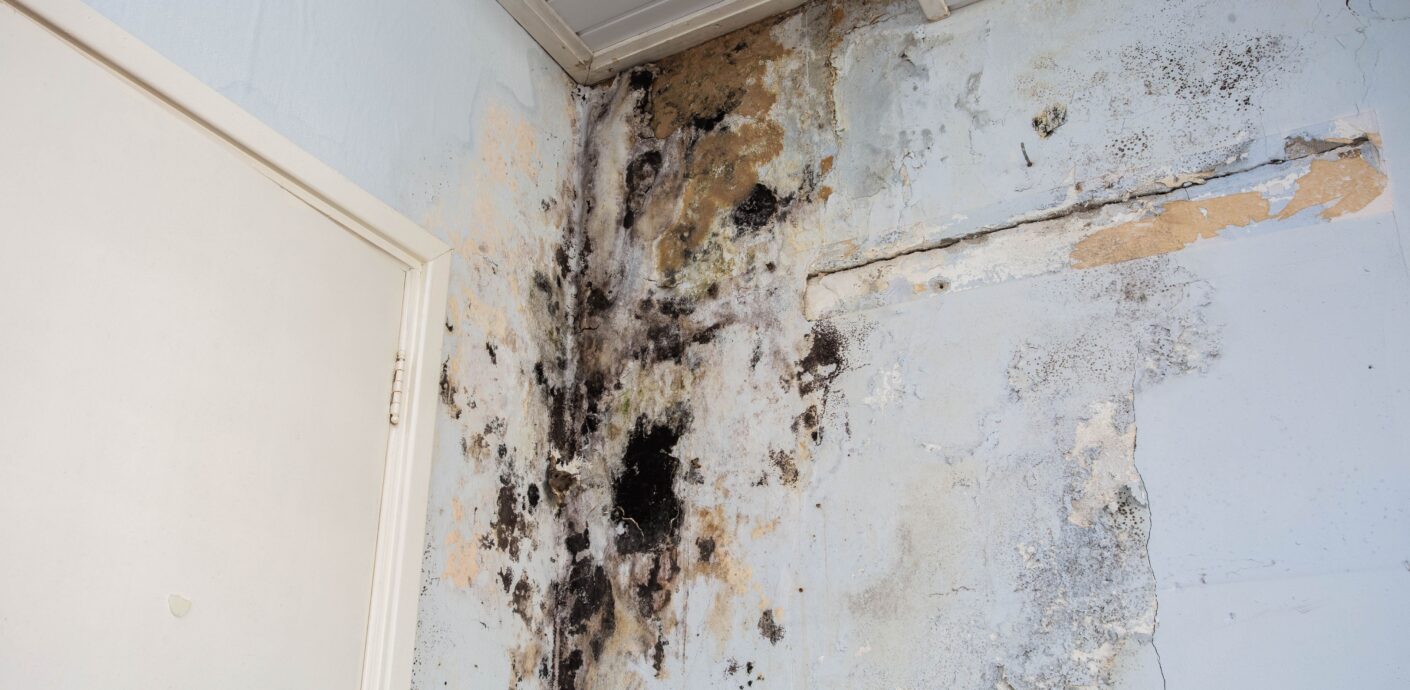
Mold remediation work completed before selling a home
How Mold Affects a Home Appraisal and Sale

Mold has a way of turning a smooth home sale into a tense negotiation. A small patch in a bathroom rarely sinks a deal. Visible growth spreading across a ceiling is a different conversation. If you’re getting ready to sell, knowing how mold affects a home appraisal helps you stay ahead of the questions buyers and lenders are about to ask.

By the end of this article, you’ll know:

  • Whether mold actually pulls down your appraised value
  • What a lender might demand before clearing the loan
  • How to handle mold before you list, and what to keep on file
How Mold Affects a Home Appraisal

Most sellers picture the cost of cleanup and stop there. The bigger issue is what mold usually signals. It points to moisture, and moisture points to a cause: a roof leak, a plumbing problem, poor ventilation, or water creeping in through the foundation. So when we spot mold, we start wondering what’s behind it.

That uncertainty is what worries buyers and lenders. A home with obvious mold often draws lower offers, or sits on the market longer than a comparable place with no moisture history. An appraiser’s job, after all, is to reflect how the market reads a property. So we note what’s visible and weigh how it affects value and sale ability.

What an Appraiser Will Notice

We are not mold inspectors, and we do not take air samples or open up walls. But during a standard residential appraisal, the visible signs of a moisture problem are hard to miss. The usual flags:

      • Visible mold on walls, ceilings, or around windows
      • Water stains and discolored patches
      • A musty smell that lingers in a room
      • Warped or damaged drywall
      • Signs of past leaks that were never fully sorted out

Much of this matters because of where mold leads. The EPA explains that mold needs steady moisture to spread. So a musty basement, or a stain nobody can account for, pulls more attention than its size might suggest.

How Mold Can Hold Up Your Financing

Mold can cost you time as well as money. Lenders watch closely for anything that reads as a health or safety concern. If visible mold turns up while a buyer is financing, the lender may pause and ask for more before clearing the loan.

That might mean remediation records, proof of repair, an extra inspection, or a professional evaluation. Each step adds days. Worse, when it all surfaces at the appraisal rather than earlier, the delay can put a contract date at risk.

Should You Remediate Before Selling?

There’s no single answer, because every house is different. Still, in most cases where the mold is visible or a buyer needs financing, dealing with it before you list pays off. It keeps the negotiation from collapsing into a fight over repairs, and it clears away a common reason for loan delays.

A few questions help you decide. How widespread is it? Have you fixed the moisture source, or only wiped away what you could see? Would a buyer notice it on a walkthrough? Could it trip up financing? Whatever you choose, hold on to the records. Good documentation reassures a buyer far more than a verbal “it’s been handled.”

A Word on Disclosure

Disclosure rules shift from state to state, and sometimes town to town. In a lot of places, sellers have to disclose known material defects, and mold can fall into that bucket. Hiding a known problem tends to create much bigger headaches later in the deal.

So before you list, get clear on what your state requires. When in doubt, ask a qualified agent or a real estate attorney. Being upfront builds trust, and it heads off arguments after closing.

What to Do Before the Appraiser Arrives
      1. Fix the moisture source first. Clean the mold without stopping the water and it comes right back, often worse than before.
      2. Keep your paperwork. Remediation invoices, contractor notes, inspection reports. Records answer the questions before anyone asks them.
      3. Repair what shows. Replace stained drywall and damaged materials, so nobody is writing up problems you have already solved.
      4. Flag it early. If the house has had a real mold issue, tell your agent and appraiser up front. Then everyone works from the facts.
Why Getting Ahead of It Pays Off

Mold does not automatically wreck a home’s value. What it does is shape how buyers, lenders, and the market see the place, and it can stall a sale when it shows up unaddressed. The real worry usually sits behind the mold: the moisture feeding it and the cost of putting things right.

So track down the source, fix it, document the work, and tidy up the visible damage before you list. Handle it early, and mold stays a manageable line item rather than the thing that derails your closing.

Not sure how mold could affect your home’s value?

Get a clear, independent read before a buyer or a lender turns it into a problem. PahRoo delivers defensible appraisals that show you exactly where you stand.

Request Your Appraisal

Frequently Asked Questions

Can mold cause a low home appraisal?

It can. If mold drags on the home’s condition, its saleability, or buyer interest, that can show up in the value. How much depends on how bad the problem is and how the market reacts to it.

Will an appraiser test for mold?

No. Appraisers aren’t mold inspectors, and we don’t run environmental tests. We will note visible mold or moisture damage if we see it during the walkthrough.

Should mold be removed before selling a house?

Often yes, particularly if it’s visible or a buyer is financing. Clearing it up early tends to steady buyer confidence and head off delays. The right call depends on how widespread it is and your local market.

Does mold affect property value?

It can. Value tracks buyer perception, repair costs, financing worries, and the overall condition of the property.

Can a lender deny financing because of mold?

Sometimes. A lender may ask for remediation, repairs, or an inspection before approving the loan if the mold raises a real health, safety, or condition concern.

Need an Independent Appraisal?

When condition concerns, repairs, or saleability questions cloud what a home is worth, an independent appraisal gives you a credible, well-supported answer before you negotiate or finance.

PahRoo Appraisal & Consultancy, LLC helps homeowners, attorneys, accountants, bankers, and real estate professionals make confident decisions. Whether you’re preparing to sell, settling an estate, removing PMI, navigating a divorce, or weighing how a property’s condition affects value, our team is ready to help.



Property condition concerns identified during home appraisal inspection
Pest Infestations and What an Appraisal Must Say

The fleas started jumping before our appraiser finished the first floor. Roaches were visible in more than one room. Pest infestations at that level stop being a line in the condition section. They become a question about whether the inspection can safely finish.

By the end of this article, you’ll know:

  • What an appraisal report has to say when the appraiser sees evidence of infestation
  • When a lender can still close as is, and when the report goes subject to
  • What the Illinois disclosure form asks sellers about pests, and what it leaves out

What Pest Infestations Do to an Appraisal

Start with what the appraiser is and is not. An appraiser is not a pest inspector. Nobody on our side diagnoses an infestation, prices a treatment, or certifies that a house is clear.

The reporting duty is narrower than that, and firmer. Fannie Mae’s Selling Guide says an inspection covers the accessible areas of a property. Appraisers carry no responsibility for hidden or unapparent conditions. But the report must reflect adverse conditions that were apparent during the visit. Detrimental conditions get reported even when they are typical for competing properties nearby (Selling Guide B4-1.3-06).

So the first question after a bad walkthrough is not what this costs the value. It is what the report now has to say, and who reads it next.

Where a Condition Note Turns Into a Loan Problem

The guide has a short section titled Infestation, Dampness, or Settlement. That is the one that actually bites. When an appraisal shows evidence of infestation, the report must comment on the effect on value and on marketability.

The lender then has two ways to clear the file. One is satisfactory evidence that someone corrected the condition. The other is a professionally prepared report, based on an inspection, saying the condition poses no threat of structural damage. The appraisal itself should go subject to repairs, or subject to an inspection by a qualified professional.

Severity sets the path. Condition ratings run C1 through C6. A C6 means defects severe enough to affect the safety, soundness, or structural integrity of the improvements. If any portion of the dwelling rates C6, the whole dwelling rates C6. That loan cannot go to Fannie Mae until the deficiencies come out at C5 or better.

Worth noticing whose example the guide reaches for: wood-boring insects. Termites eat structure. Roaches, fleas and rodents usually do not. Most of the time they land in the value and marketability comment instead. That comment is the part brokers underestimate, because it travels with the file.

What a Lender Should Ask For When the Report Flags Infestation

If you are the one clearing the condition, four things are worth checking before the file moves.

Read the condition rating before anything else. A C6 is a delivery stop, not a negotiating point. Then check whether the report came in as is or subject to. If subject to, find out which one the appraiser chose: repairs, or an inspection by a qualified professional. The two close differently.

When the file clears on an inspection report, read what the inspector actually addressed. The guide asks for a professional opinion that the condition poses no threat of structural damage. A treatment receipt and a scheduled follow-up visit are not that document, and a reviewer will notice.

Finally, read the marketability comment on its own rather than folded into the value discussion. The two can move in different directions. A house can treat clean and still sit. Asking an appraiser to clarify a comment is fine. Asking for a different number is not, and a good appraiser will decline.

What the Illinois Disclosure Form Asks, and What It Leaves Out

Illinois sellers fill out the Residential Real Property Disclosure Report at 765 ILCS 77/35. It runs 24 numbered statements. Two of them touch pests. Item 19 covers current infestations of termites or other wood boring insects. Item 20 covers a structural defect caused by a previous infestation of the same.

That is the whole list. No line for roaches. No line for rodents. No line for fleas.

The form still defines a material defect broadly. It covers a condition with a substantial adverse effect on value. It also covers one that would significantly impair the health or safety of future occupants. And it puts a continuing obligation on the seller to supplement the disclosure before closing. Whether a particular infestation meets that definition is a call for the seller’s attorney. Not for the appraiser, and not for the agent.

The practical move for a listing agent is simple enough. A missing checkbox is not a missing question. If a seller tells you about an active problem, get counsel in early. Three days before closing is too late to treat and document.

When the Inspection Itself Has to Stop

No assignment is worth a health risk. The appraiser makes that call on the spot. Leaving early protects the appraiser, but it also thins out the property observations. So the report has to disclose the limitation.

That disclosure travels. A reviewer sees it, the lender sees it, and most of the time it buys a second trip. In practice that is the expensive part of a pest problem. Not the value, the calendar. The return visit waits on treatment, and the report reconciles afterward.

One more thing an experienced appraiser watches for. Pests are usually a symptom. Standing water in a crawl space, a slow leak under a kitchen sink, a blocked floor drain in a basement. Reporting the roaches and skipping the water stain gets you half the story. The less useful half.

Clear the Condition Before the Report Locks It In

If you already know about a problem, deal with it before you order the appraisal. Treat the property, keep the invoice, and hand it over at the inspection. A documented cure gives the appraiser something concrete to report. It also gives the lender a clean way to close the condition out.

When the timing does not allow that, say so before the visit. A known condition someone raised openly reads very differently than one the appraiser found on arrival. Either way, the report will describe what was there. The only part you control is whether it also describes what you did about it.

Condition Problem Standing Between You and a Closing?

Tell us what the property looks like now. We will tell you what the report will have to say about it, and what your lender is likely to ask for next.

Request Your Appraisal

Frequently Asked Questions

Can a pest infestation lower a home appraisal?

Usually not on its own. The appraiser reports what is visible and comments on the effect on value and on marketability. A minor problem that someone already treated often changes neither. A severe one can move both, because buyers price in the cure and the uncertainty around it.

Do appraisers inspect for pests?

No. An appraiser is not a pest inspector and does not diagnose infestations or recommend treatment. The inspection covers the accessible areas of a property. The report then reflects adverse conditions that were apparent during the visit.

What does a subject to appraisal mean?

It means the value opinion rests on something happening first. That might be a specific repair, or an inspection by a qualified professional. Fannie Mae asks for that approach when an appraisal shows evidence of infestation, dampness, or abnormal settlement.

Does Illinois require a seller to disclose a pest problem?

The state disclosure report asks two pest questions. Both are limited to termites and other wood boring insects. Other infestations have no checkbox on the form. Whether one still counts as a material defect is a question for the seller’s attorney.

Should I treat the property before the appraisal?

When the timing allows, yes. Treating first and keeping the invoice gives the appraiser something to document. It also gives the lender a cleaner file. If treatment cannot happen first, tell the appraiser before the visit rather than after.

Appraisals That Document Condition Properly

PahRoo Appraisal & Consultancy works out of Lincolnwood and covers Chicago and Cook County, along with Dallas, Philadelphia, Phoenix and Naples. Michael Hobbs, MAI, SRA, signs every report. Our residential appraisal team handles condition-heavy assignments regularly. You can also read how a home appraisal runs from order to delivery, or see what our Chicago appraisal work covers.

Chicago residential appraisal market trends Week 18 across Cook, DuPage, Lake, and Will Counties
Chicago Residential Appraisal Market Trends: Week 18 Analysis
Chicago Housing Markets Are Moving in Different Directions

Chicago residential appraisal market trends for Week 18 show a clear split across the metro area. Cook and DuPage Counties are still showing strong seller-market momentum. Lake and Will Counties are showing more caution, with softer demand and rising supply pressure.

That matters for attorneys, lenders, accountants, brokers, and investors. A broad “Chicago market” view can miss what is really happening at the county level. Accurate real estate appraisals now need local market context, not general assumptions.

Cook County Remains the Strongest Seller Market

Cook County continues to lead the Chicago metro area in demand and pricing strength.

Single-family pending sales increased 10.2% from the prior week and 11.1% from last year. Active inventory fell 12.1% year-over-year, creating one of the tightest supply environments in the region.

Cook County also posted an absorbed-to-list ratio of 1.09x. In plain terms, many well-positioned homes are selling above asking price.

For professionals involved in lending, estate planning, divorce, property tax appeals, or pre-listing strategy, this kind of market requires careful appraisal support. Strong demand can move quickly, and pricing decisions need to be backed by current local data.

Cook County condos and townhomes also performed well. Pending sales rose 21.2% year-over-year while active inventory dropped 14.1%, showing continued buyer interest across multiple residential property types.

DuPage County Shows Strong Demand With Pricing Disconnects

DuPage County had some of the strongest demand growth in the Chicago area during Week 18.

Single-family pending sales rose 32.7% year-over-year. The absorption rate increased 39.1%, and months of supply tightened to 1.24 months. Those numbers point to a strong seller-market environment.

Still, one issue deserves attention.

DuPage reported an absorbed-to-list ratio of 0.76x. That means closed sales were much lower than current listing prices. This does not automatically mean the market is weakening. More likely, it shows a gap between higher-priced active listings and the mid-market homes that are actually closing.

For brokers, lenders, and attorneys, this is where appraisal judgment matters. Active listings alone may not tell the full story. Comparable sales, property class, buyer activity, and price range all need to be reviewed carefully.

DuPage condos also showed a sharp increase in absorbed prices during Week 18. Because condo transaction volume can be thinner, that jump may reflect the mix of properties that sold rather than a broad pricing shift.

Lake County Presents Mixed Market Signals

Lake County is currently one of the harder Chicago-area markets to read.

Several demand indicators weakened during Week 18. Pending sales declined 12.8% from the prior week. Inventory increased. Price reductions rose. Homes also took longer to sell.

At the same time, median absorbed prices moved sharply higher, rising 13.9% from the prior week and 21.3% from last year.

Those two signals do not line up neatly.

The likely explanation is that fewer homes sold overall, but the homes that did sell were concentrated in higher price ranges. That can lift the median absorbed price without proving that the entire market is gaining strength.

This matters in appraisal work. For estate matters, litigation, financing, portfolio reviews, and investment decisions, relying only on headline price growth can create risk. Lake County needs a closer look at the actual sales behind the numbers.

Will County Faces Growing Supply Pressure

Will County is showing the clearest signs of a shift toward buyers.

Active inventory increased 20.0% year-over-year. New listings rose 42.5% year-over-year. The pending-to-new listings ratio fell below parity at 0.90x, and months of supply increased 17.2%.

Unlike Cook and DuPage, Will County is seeing much more supply come onto the market. Demand has not kept up at the same pace.

That can lead to:

      • More buyer leverage
      • More seller concessions
      • Greater pricing pressure
      • Slower absorption
      • More competition among listings

Will County condos are also showing stress. The condo market posted the lowest absorbed-to-list ratio among the counties at 0.84x, which points to larger gaps between asking prices and completed sale prices.

For lenders and investors, this is a market where appraisal accuracy is especially important. Rising supply can affect collateral risk, pricing expectations, and timing decisions.

Mortgage Rates Still Matter

National housing affordability and inventory conditions continue influencing local Chicago-area buyer behavior.

The average 30-year fixed mortgage rate rose slightly to 6.30% during Week 18, according to housing finance data and broader Federal Reserve rate trends. The increase was small, but affordability pressure still affects each county differently.

Cook County remains more affordable compared with higher-priced areas, which helps support buyer activity. Lake and DuPage Counties have higher median absorbed prices, so buyers there may be more sensitive to rate changes.

These affordability differences help explain why county-level trends are starting to move apart.

Why County-Level Appraisals Matter More in 2026

The main takeaway from Week 18 is simple: Chicago is not moving as one market.

Conditions now vary by county in meaningful ways. Demand, inventory, pricing, seller leverage, buyer leverage, and market speed are all changing at different rates.

For attorneys, accountants, lenders, brokers, and investors, this creates real risk if decisions are based only on broad metro data.

A reliable appraisal should reflect the specific market, property type, price range, and current transaction activity. That level of detail helps support stronger lending decisions, clearer litigation support, better pricing strategy, and more confident financial planning.

Chicago Housing Market Outlook for Q2 2026

Cook County remains the strongest seller-market environment in the Chicago region. Low inventory and steady buyer demand continue to support pricing.

DuPage County also shows strong demand, but pricing signals need careful review.

Lake County has mixed indicators, so deeper sales analysis is needed before drawing firm conclusions.

Will County carries the most supply-side risk right now. Inventory growth is outpacing demand, and that could create more pricing pressure if the trend continues.

The next few weeks will show whether these county-level differences widen or settle. For now, local real estate appraisal insight remains essential for anyone making high-stakes property decisions across the Chicago metro area.

2026 Cook County reassessment notice used for property tax appeal appraisal
Commercial Refinancing Cliff 2026, What the Data Says

The commercial refinancing cliff turned out to be a slope. That is not the same as flat ground. Mortgage Bankers Association data puts $875 billion of commercial and multifamily debt maturing in 2026, down from $957 billion in 2025. Another $652 billion sits behind it in 2027. The peak has passed. What remains is a long stretch of loans written at rates that no longer exist, many already extended once. Every one of them arrives at a credit committee that will ask what the property is worth today.

By the end of this article, you’ll know:

  • What MBA’s 2026 maturity survey actually shows, by property type and by lender type
  • Where the equity gap comes from when a loan matures into a higher-rate, tighter-underwriting market
  • Why an appraisal ordered months ahead of maturity changes the conversation for both the lender and the borrower

What the Commercial Refinancing Cliff Looks Like in the Data

The Mortgage Bankers Association released its 2025 Commercial Real Estate Survey of Loan Maturity Volumes in February. Seventeen percent of the $5.0 trillion in outstanding commercial mortgages, or $875 billion, matures in 2026. That is a 9 percent decrease from 2025. MBA’s chief economist called 2025 a transition year. Lenders stopped simply extending loan terms, and the wall of scheduled maturities began to shrink.

The distribution matters more than the headline. Among property types, 30 percent of hotel loans come due this year. Industrial follows at 23 percent, then office at 17, health care at 15, and multifamily at 13. Among lender types, depositories carry $396 billion of the 2026 maturities. CMBS, CLO, and other securitized loans carry $200 billion. Credit companies and warehouse lenders carry $163 billion. Life insurers hold $76 billion. Agency and FHA multifamily paper, by contrast, has only $39 billion coming due.

So the refinancing question in 2026 is not spread evenly. It sits with banks and non-bank lenders, and with the property types that borrowed hardest in the low-rate years. MBA also notes that the figures are unpaid balances as of December 31, 2025. So the amounts at maturity will be somewhat lower. The direction is still the same.

Why a Maturing Loan Becomes an Equity Gap

A loan written in 2019 or 2021 was sized against a value, a rate, and an income stream. All three looked different from today. When it matures, the lender does not care what the property was worth then. The new loan is sized against current value, current net operating income, and current rates.

Three things compress at once. Higher rates mean the same NOI supports less debt, because coverage has to hold. Tighter underwriting means lower loan-to-value limits and more conservative vacancy and expense assumptions. And where value has fallen, the loan-to-value math starts from a smaller number. The gap between what the new loan will support and what the old loan still owes is the equity gap. Someone has to fill it: the borrower with cash, a partner with capital, or the lender with a restructure.

The loans that were extended in 2024 and 2025 are the ones most exposed now. An extension bought time; it did not change the rate the property has to refinance into. MBA expects the Federal Reserve to be near the end of its rate-cutting cycle. So the relief many borrowers were waiting for is largely already priced in. Our commercial appraisal work in 2026 has increasingly been on exactly these files.

What Credit Committees Are Asking For

The underwriting questions have not changed much. What has changed is how little tolerance there is for assumptions. Committees want sustainable NOI, not the peak year. They want vacancy assumptions that reflect the submarket, verified lease terms and rollover exposure, and normalized expenses that account for insurance and tax increases. Then an exit cap rate that would survive a skeptic.

A lender who orders the appraisal early gets those answers before the file is in front of the committee. A borrower who orders it early gets them before the lender does. That is the better position to negotiate from. Either way, the report replaces the argument. Instead of debating whether the 2021 value still holds, both sides work from a current opinion with the comparables and income analysis laid out.

This is also where property tax belongs in the conversation. A Cook County commercial assessment that runs above market value inflates the expense line. That drags NOI and shrinks the loan the property can support. An appraisal prepared for the refinance often becomes the evidence for an appeal, so the two efforts pay for each other.

Not Every Property Type Faces the Same Cliff

The maturity shares tell you where the pressure concentrates. Hotels carry the largest share of 2026 maturities by property type. Hotel income is also the most sensitive to travel demand and operating cost. Industrial has the second largest share. After years of strong rent growth, underwriting has become more careful about whether that growth continues in a given corridor.

Office is the type everyone expects to see on this list, and 17 percent of office loans do mature this year. The variation between buildings is wide. A leased suburban building and a half-empty tower downtown are both office. They will not appraise or refinance the same way. Multifamily has the smallest share maturing among the major types. Much of that is agency paper with ready refinancing options.

The lesson for a lender or an owner is that the headline number tells you very little about your loan. The property’s own income, its lease roll, its submarket, and its condition decide the outcome. That is what an appraisal is for. It is also why a generic model does not settle a credit committee.

If Your Loan Matures in the Next 18 Months

If you own the property, or advise the owner, start earlier than feels necessary. Ninety days before maturity is too late to source new capital, restructure with a partner, or bring in a second lender. Six to nine months out is when an appraisal gives you room to act on what it says.

Bring the appraiser the full picture. That means the rent roll, twelve months of operating statements, the current tax bill and any pending appeal, capital spending since the last appraisal, and the existing loan terms. An appraisal is only as good as the income it can verify. Then take the report to the lender before the lender’s own appraiser has been ordered. Walking in with a supported number and a plan for any gap is a different meeting than walking in with a hope.

A Slope Rewards the Prepared

The refinancing wave did not break all at once, and MBA’s data says the worst of it is behind the market. What is left is steadier and longer: $875 billion this year and $652 billion next year, much of it already extended. Most of it sits with the banks and private lenders who have the least room to pretend the 2021 value still stands.

For a lender, the early appraisal is how a maturing loan becomes a workable refinance instead of a workout. For an owner, it is how an equity gap becomes a known number with a plan attached, not a surprise at the closing table. Either way, the number has to be current, supported, and written so a credit committee can test it.

Maturing in 2026 or 2027? Know the Number First.

PahRoo prepares commercial appraisals for refinancing, restructuring, and credit review across Chicago and the collar counties, with the income analysis and comparable sales laid out for committee scrutiny. Michael Hobbs, MAI, SRA, signs every report.

Request a Commercial Appraisal

Frequently Asked Questions

How much commercial debt matures in 2026?

According to the Mortgage Bankers Association’s 2025 Commercial Real Estate Survey of Loan Maturity Volumes, $875 billion, or 17 percent of the $5.0 trillion outstanding, is scheduled to mature in 2026. That is 9 percent less than the $957 billion scheduled for 2025, with $652 billion scheduled for 2027.

Is the commercial refinancing cliff over?

MBA’s data suggests the peak of the maturity wave has passed, but the volume remains elevated and many 2026 maturities are loans that were already extended once. The pressure has shifted from size to duration.

What is an equity gap in a commercial refinance?

The difference between the balance owed on the maturing loan and the amount a new loan will support at current value, current income, and current rates. The borrower, a capital partner, or a restructure has to cover it.

Which property types have the most loans maturing in 2026?

By share of outstanding balance, hotel loans lead at 30 percent, followed by industrial at 23 percent, office and health care at 17 and 15 percent, and multifamily at 13 percent, per MBA.

When should an owner order an appraisal before maturity?

Six to nine months out. That leaves time to act on the result: source capital, negotiate a restructure, pursue a tax appeal, or approach a second lender. Ninety days before maturity is usually too late.

Commercial Appraisals Built for Credit Review

PahRoo appraises office, industrial, retail, multifamily, and mixed-use property for lenders and owners across Chicago and Cook County. Our commercial appraisal reports are written for refinancing, restructuring, and litigation, with the income approach shown in full. The same team handles Cook County property tax appeal appraisals, which often start from the same refinance file.

How Mortgage Rates Move the Housing Market

A year ago, the average 30-year mortgage ran 6.34%. As of early October 2026, it runs 7.28%. So every article written last year about rates easing and buyers returning aged badly, and any piece written today about rising rates will age the same way. Mortgage rates change direction faster than content does. What never changes is the mechanism, how rates move budgets, supply, and prices, and that is the part worth understanding before your next move.

By the end of this article, you’ll know:

  • What one point of interest does to a real monthly payment.
  • Why the lock-in effect keeps supply tight in both directions.
  • Why appraisals carry an effective date, and why that date matters more when rates move.

What Mortgage Rates Do to a Monthly Payment

Start with the arithmetic, because buyers shop payments, not prices. Take a $400,000 home with 20% down, so a $320,000 loan. At the current 7.28% average from Freddie Mac’s weekly survey, principal and interest run about $2,189 a month. At last year’s 6.34%, the same loan cost about $1,989. So roughly one point of rate moved the payment about $200 a month, which is $2,400 a year, every year, for decades.

Now flip the math around, since that is how the market experiences it. A buyer with a fixed monthly budget qualifies for less house when rates rise and more when they fall. Multiply that across every buyer in a market and rates become a dial on total demand. Sellers feel it as traffic. Appraisers see it next, in what the comps start closing at.

Sellers can run the same math in reverse. If your likely buyer could stretch to $450,000 last fall, this fall the same buyer stretches to something less. The house did not get worse. The financing did. Appraisers watch this shift arrive in the comps within a quarter or two. So pricing against last year’s sales quietly prices against buyers who no longer exist.

The Lock-In Effect Holds the Keys

Here is why higher rates have not produced cheaper houses in most markets. A huge share of current owners hold mortgages far below today’s rates, and trading a low payment for a high one is expensive even in a sideways move. So many would-be sellers simply stay put. That keeps listings scarce, and scarce supply supports prices even while higher rates squeeze demand. Both blades of the scissors moved, so the paper barely got cut.

The lock-in effect is also why national doom headlines keep missing. Analysts keep waiting for a flood of listings that locked-in owners have no reason to supply. Until their math changes, the flood stays theoretical, and tight markets like Chicago stay tight.

The effect also explains what happens when rates fall. Each step down releases some locked-in owners, so supply and demand tend to rise together rather than demand alone surging. We covered the supply side of this in our guide to what rising inventory means for sellers. Rates and supply are the same story told from two ends.

Rates Follow the Ten-Year, Not the Fed

One more mechanism saves a lot of confusion. Mortgage rates track the 10-year Treasury yield far more closely than the Federal Reserve’s benchmark rate. Markets price in expected Fed moves before they happen, so mortgage rates often fall ahead of a cut and sometimes rise after one. Waiting for a Fed announcement to time a purchase usually means arriving after the move already happened. The useful habit is watching the weekly survey itself, not the headlines about meetings.

Why Your Home’s Value Carries a Date

All of this is why a professional appraisal states a value as of a specific date, the effective date. Your home did not change last year, but the buyers who could afford it did, because their budgets moved roughly $200 a month on the average loan. So a value is a photograph of a moving scene, and the date on it matters. For a purchase or listing today, the appraisal reads today’s rate world. For an estate or divorce, a retrospective appraisal can fix the value to a past date, in that date’s rate world, with support that holds up. Local conditions set the rest, and our Chicago market trends hub covers how this metro behaves underneath the national rate story.

Watch the Rate, Act on the Value

So the playbook is short. Buyers: track the weekly average, know your payment at today’s rate, and remember that waiting for a perfect rate often means paying a higher price instead. Sellers: price for the buyers who exist at the current rate, not the ones who existed last spring. And for any decision with money or paperwork attached, get the value fixed to a date by someone qualified to defend it. Rates will keep moving. Your number should stand still long enough to act on.

Rates moved again. Did your home’s value move with them?

An appraisal fixes your property’s value to a date, with the evidence of what buyers can actually pay right now.

Fix My Value to Today

Frequently Asked Questions

What are mortgage rates right now?

As of Freddie Mac’s survey for the week of October 1, 2026, the 30-year fixed averaged 7.28% and the 15-year averaged 6.60%. A year earlier those averages were 6.34% and 5.55%, so rates rose over the year. The survey updates weekly, so check the current edition before acting.

How do mortgage rates affect home prices?

Through buyer budgets. On a $320,000 loan, the move from 6.34% to 7.28% raised the monthly payment by about $200, so buyers with fixed budgets qualify for less house. Prices respond with a lag, and tight supply can cushion them, which is why higher rates slow markets more often than they crash them.

What is the lock-in effect?

Owners holding mortgages far below current rates face a big payment jump if they sell and buy again, so many stay put. That keeps for-sale supply scarce while higher rates squeeze demand, and the two forces offset, supporting prices. Falling rates release locked-in owners gradually, lifting supply and demand together.

Do mortgage rates follow the Federal Reserve?

Only loosely. Mortgage rates track the 10-year Treasury yield, which moves on expectations before the Fed acts. So mortgage rates often drop ahead of an anticipated cut and can rise after one. Watching the weekly rate survey tells you more than watching Fed meeting headlines.

Why do appraisals have an effective date?

Because value depends on what buyers can pay, and rate moves change that month to month. An appraisal states value as of a specific date so the number has a defined context. Retrospective appraisals use the same principle in reverse, fixing value to a past date for estates, divorces, and tax matters.

Values With a Date and the Evidence Behind Them

PahRoo Appraisal & Consultancy has valued homes and buildings through every rate environment for more than two decades. An appraiser holding both MAI and SRA designations leads the firm. Maybe you need a residential appraisal before buying or listing. Maybe an estate or divorce needs a value fixed to a past date through broader appraisal services. Either way, you get a number with a date on it and the market evidence underneath.


Suburban neighborhood with red HOA risk sign, representing potential impact of homeowners associations on property value.
Can Your HOA Hurt Your Home’s Value

When you buy into a condo or HOA community, you buy two things. One is your unit. The other is a share of an organization with a budget, a board, and a repair list. So your home’s value rides on both. An HOA that keeps the property sound and the reserves funded protects every unit’s price. One that defers repairs and dodges hard votes quietly taxes every owner, whether or not the dues feel cheap.

By the end of this article, you’ll know:

  • How association health reaches your unit’s price, in both directions.
  • The lending rules that can make a whole building hard to finance.
  • What an appraiser checks about the HOA, and how to check it yourself first.

How an HOA Shows Up in Your Home’s Value

The connection runs through three channels. First, condition. In a shared building, the roof, facade, and mechanicals belong to everyone, so the association’s maintenance record becomes part of your unit’s condition rating. Second, the buyer pool. Strict rental caps or pet bans shrink the set of people who can buy your unit, and a smaller pool means softer pricing power. Third, the monthly math. Buyers weigh dues against what the dues deliver, so high assessments with little to show for them read as a discount waiting to happen.

None of this appears in your unit’s listing photos. But appraisers and experienced buyers price it anyway, because an association’s problems eventually arrive at every owner’s door as an assessment, a repair, or a harder sale.

The Lending Gate Most Owners Never See

Here is the part that changed in recent years. Fannie Mae, which buys a huge share of condo loans, now screens the whole project before it will touch a loan on any unit. A September 2026 summary by Chicago-area condo law firm Kovitz Shifrin Nesbit lays out the current rules. Projects needing critical repairs, such as structural problems, water intrusion, or unsafe balconies, are ineligible until the repairs are done. So are projects that failed a local inspection. Budgets must put 10% of assessment income into replacement reserves, and a special assessment cannot substitute for that line. The screws tightened again in August 2026 on how reserve studies can be used.

Now follow the consequence. If a building lands on Fannie Mae’s ineligible list, buyers cannot easily get conventional financing for any unit in it. The buyer pool collapses to cash and specialty lenders, and cash buyers expect a discount for the trouble. An owner who kept a perfect unit can still watch its value sag because the association skipped a roof vote three years ago. That is the ripple effect in its sharpest form: the HOA’s balance sheet became the building’s credit score.

The math stings quickly. Say a unit would appraise at $300,000 in a healthy building. If the project goes ineligible, the realistic buyers become cash investors hunting a deal. Offers arrive at $255,000, and the owner eats a 15% haircut for a repair budget they never controlled. So the cheapest dues in town can be very expensive.

What an Appraiser Checks Beyond Your Front Door

So when we appraise a unit in a managed community, the inspection does not stop at your door. We look at the association’s budget and reserve funding, pending or active litigation, special assessments passed or looming, the share of units that are owner-occupied, and how the common elements actually present. Each item feeds either the condition analysis or the marketability analysis, and sometimes both.

The same review can run in your favor, too. A well-run association with funded reserves, clean financials, and maintained common areas is a selling point an appraisal can support. Buyers pay for certainty, and a healthy HOA is certainty you can document.

Read the Association Before You Buy or List

You can do a useful version of this homework yourself. Before buying, request the association’s budget, reserve information, meeting minutes, and any disclosures your state requires, then read the minutes for fights about money. Ask whether any special assessments are planned. Before listing, do the same for your own building, because surprises travel from the HOA packet to the negotiating table at the worst moment. If the association has a known problem, price and disclose with eyes open rather than losing the deal in week three.

Value the Unit and the Association Together

The clean takeaway: a condo’s value is never just the unit’s value. It is the unit times the association’s health, and lenders now grade that health formally. A pre-purchase appraisal tells you what the unit is worth inside its building’s reality. A pre-listing appraisal surfaces the association issues a buyer’s lender will find anyway, while you still have time to respond. If you are new to the process, our guide to the home appraisal process covers the basics. Either way, know what the association is doing to your number before the market tells you.

Your home’s value has a co-signer: the HOA.

Get an appraisal that reads the association’s health along with your unit, before a buyer’s lender reads it for you.

Appraise the Whole Picture

Frequently Asked Questions

Does an HOA affect property value?

Yes, in both directions. A well-run association with funded reserves and maintained common areas supports every unit’s value, while deferred maintenance, litigation, or weak finances drag it down. The association’s condition and marketability effects flow directly into how appraisers and buyers price each unit.

Can a weak HOA make my condo hard to sell?

It can make it hard to finance, which amounts to the same thing. Fannie Mae screens entire condo projects, and buildings with critical repair needs, failed inspections, or underfunded reserves become ineligible for conventional loan purchase. That shrinks the buyer pool to cash, and cash buyers expect discounts.

What do appraisers check about an HOA?

The association’s budget and reserve funding, pending litigation, special assessments passed or planned, the owner-occupancy share, and the real condition of common elements. Each factor feeds the unit’s condition rating or its marketability analysis, so association health shows up in the appraised value.

What makes a condo building ineligible for conventional loans?

Under current Fannie Mae project standards, triggers include critical repair needs such as structural problems or water intrusion, failed local inspections, and budgets that do not allocate 10% of assessment income to replacement reserves. Projects stay ineligible until the problems are documented as fixed.

Should I get an appraisal before buying into an HOA community?

For a significant purchase, yes. An appraisal values the unit inside the reality of its association, factoring in dues, condition of common elements, and marketability. Pair it with your own review of the budget, minutes, and disclosures, and you buy with the full picture.

Appraisals That Audit the Association Too

PahRoo Appraisal & Consultancy has valued homes in condo and HOA communities across the Chicago area for more than two decades. An appraiser holding both MAI and SRA designations leads the firm. Maybe you need a residential appraisal before a purchase or listing. Maybe an estate, divorce, or dispute calls for broader appraisal services. Either way, the association’s health gets read along with the unit, because that is where condo value actually lives.


Luxury real estate interior with high-end finishes and Smart home features
Luxury Real Estate and the Problem of Too Few Comps

In April 2025, a beachfront compound at 2200 Gordon Drive in Naples sold for $133 million. Nothing in America sold higher all year. So here is the question that number hides: who decided it was worth that? After all, no other house on that beach had traded anywhere near it. That is the puzzle at the heart of luxury real estate. The most expensive properties carry the least evidence behind their values. So that gap is where fortunes get won or lost.

By the end of this article, you’ll know:

  • Why the top of the market breaks the usual valuation playbook.
  • The methods appraisers use when a home has no twin to compare against.
  • Where luxury values get contested, and why a small error means seven figures.

Why Luxury Real Estate Breaks Ordinary Valuation

Most homes get valued by comparison, and the system works because suburbs produce near-twins by the thousand. The top tier produces no twins at all. In Redfin’s recap of 2025’s priciest sales, every top-10 home closed above $60 million. Two tied at $110 million, and Los Angeles plus coastal Florida took eight of the ten spots. Naples claimed the record outright.

Now think like an appraiser about that list. How many beachfront compounds traded near Gordon Drive that year? How many buyers on earth could even bid? A thin sale history, one-of-a-kind construction, and a tiny buyer pool leave little to anchor on. So opinions of value can spread by tens of millions. The same house gets called $90 million by one party and $130 million by another. Both can point at something, too. So the question is never whether a luxury home has a value. It is whose evidence holds up.

How Appraisers Value a Home With No Twin

So the craft adapts in four ways. First, the comp search widens. When the block offers nothing, an appraiser looks across competing luxury markets and further back in time. Then every borrowed sale gets adjusted for market movement and differences. Second, the adjustments get surgical. Paired-sales analysis isolates what the market pays for one attribute, such as beachfront versus bay-front. It works by comparing sales that differ in only that respect.

Third, the cost approach earns its keep. For bespoke construction, rebuilding economics set a meaningful check on the comparison grid. What would the land cost, and what would it cost to build again? In trophy locations, the land itself often carries most of the value, so land sales get their own analysis. Fourth, the work leaves the desk. Appraisers at this tier also interview the brokers who handled the few relevant sales. Listing sheets never tell the whole story of why a $110 million deal closed where it did. This is slow, judgment-heavy work, and it is exactly what the MAI designation exists to certify.

Where Luxury Values Get Contested

Nobody orders a trophy-home appraisal out of curiosity. These values get tested in rooms with stakes. Estates face IRS review, for example, where an aggressive number invites penalties and a timid one overpays tax. Divorces split the difference too. One spouse wants the home kept at the lowest defensible figure, while the other wants it counted at the highest. Partnerships dissolve too, lenders size jumbo loans, and insurers set replacement values. In every case, a 5% disagreement on a $40 million property is a $2 million argument.

One more thing fails hardest at this tier: the online estimate. Automated models lean entirely on comparable data, which is the one thing luxury homes lack. The algorithm has also never stood in a great room or walked a private beach. We covered the general gap in our Zestimate vs appraisal breakdown. At the top of the market, that gap becomes a canyon.

From Naples Beachfront to Chicago’s Top Tier

Luxury is local, so what counts as the top tier shifts with the market. The record-setting end of Naples runs on gulf frontage, lot width, and rebuild economics. Chicago’s high end runs on different fuel. Landmark architecture, Gold Coast and Lincoln Park addresses, vintage craftsmanship, and penthouses with protected views carry the premiums here. An appraiser valuing either one, then, needs the local evidence rather than a national average. So the right question for any trophy property is not what luxury homes are worth. It is what this home, on this street, would bring from the few buyers who exist for it.

Rare Homes Need Rarer Evidence

Still, the pattern across all of it is simple. As homes get more unique, casual numbers get less reliable, and the cost of being wrong grows. Maybe you own, are buying, or are litigating over a property at the top of your market. If so, the number that priced your first condo will not survive the IRS, a courtroom, or a sharp counterparty. So get the value from someone who can show the work. That means the widened comps, the adjustments, the cost analysis, and the reasoning connecting them. At this tier, the evidence is the value.

Who decides what a one-of-a-kind home is worth?

For high-value properties in Chicago, Naples, and beyond, an MAI designated appraiser builds the evidence your number needs.

Get a Defensible Luxury Valuation

Frequently Asked Questions

What was the most expensive home sold in 2025?

Per Redfin’s year-end recap, it was a beachfront compound at 2200 Gordon Drive in Naples, Florida. It sold for $133 million in April 2025. Every home in the national top 10 closed above $60 million. Los Angeles and coastal Florida also took eight of the ten spots.

Why are luxury homes harder to appraise?

Because the evidence is thin. Few comparable sales exist, the construction and locations are often one of a kind, and the buyer pool is tiny. So opinions of value can spread widely. The appraiser’s job becomes building support through expanded comp searches, careful adjustments, and cost analysis.

How do appraisers find comps for a one-of-a-kind home?

They widen the search across competing luxury markets and further back in time. Then they adjust for market movement and property differences. Paired-sales analysis isolates the value of single attributes, while the cost approach checks the result against land and construction economics. Broker interviews then fill in what listing data misses.

Do online estimates work for luxury homes?

Worse than for any other property type, in practice. Automated models depend on comparable sales data, which is exactly what luxury homes lack. They also cannot see unique construction, views, or land quality. The more distinctive the property, the further the algorithm drifts.

When does a luxury property need a formal appraisal?

Whenever the value will face scrutiny. That includes estate filings, divorce settlements, partnership buyouts, jumbo financing, insurance placement, or a sale where mispricing costs millions. In each case, a defensible appraisal from a credentialed appraiser is the evidence the number stands on.

Valuation at the Top of the Market

PahRoo Appraisal & Consultancy has valued distinctive and high-end properties for more than two decades. An appraiser holding both MAI and SRA designations leads the firm, with markets served from Chicago to Naples. Maybe you need a residential appraisal for a purchase or sale. Maybe an estate, divorce, or dispute calls for broader appraisal services. Either way, the number comes with the evidence attached.


Home interior showing durable upgrades that boost value in 2025
The 5 Upgrades That Actually Boost Property Value in 2025
Thinking about renovations?

The key isn’t in flashy finishes, it’s in upgrades that add real value. Appraisers and buyers alike now prioritize practical, lasting improvements that impact usability and efficiency. In this blog, we uncover the 5 upgrades that boost home value in 2025, from energy-saving systems to functional layouts that support modern living

Will this upgrade actually raise my property value?

In 2025, the market is smarter and more cautious than ever. Buyers want function, not flash. Appraisers? We look past the granite countertops to what truly counts.

What You Can Start Doing Today

You don’t need a massive budget to begin boosting your home’s value. Small, smart steps now can set you up for long-term gains.

1. Energy-Efficient Systems

What it is: Smart thermostats, solar panels, upgraded insulation, efficient HVAC

Why it adds value: Lower utility bills = long-term savings for buyers. Eco-conscious homes sell faster and often at a premium.

Pro Tip: Look for ENERGY STAR certifications when replacing systems.

2. Finished Lower Levels or ADUs

What it is: Finished basement, legal in-law suite, or detached guest house

Why it adds value: It increases usable (and rentable) square footage. Appraisers factor that in and so do investors.

Pro Tip: Ensure code compliance and proper permits to maximize appraisal value.

3. Updated Major Systems

What it is: New roof, plumbing, electric panel, foundation work

Why it adds value: These upgrades reduce buyer risk. No one wants a fixer-upper surprise post-closing.

Pro Tip: Keep records of installations and warranties to support appraisal documentation.

4. Functional Layout Improvements

What it is: Removing awkward walls, adding a second bath, improving bedroom access

Why it adds value: Flow matters more than fashion. A home that “lives better” appraises better — period.

Pro Tip: Consult an architect or designer for minor layout changes that have a major impact.

5. Curb Appeal That’s Built to Last

What it is: Quality siding, new windows, clean landscaping, modern doors

Why it adds value: Buyers form opinions before stepping inside. Exterior upgrades are both.

Pro Tip: Avoid over-personalized landscaping that might deter future buyers.

Why These Upgrades Work in 2025

In today’s market, both appraisers and buyers are looking for practical value. Aesthetics matter, but functionality and efficiency drive higher valuations. These five upgrades provide lasting returns financially and in livability.

What You Can Start Doing Today

You don’t need a massive budget to begin. Here’s how to take the first steps:

  • Schedule a home energy audit to identify savings opportunities.
  • Plan one project per quarter to upgrade essential systems.
  • Consult with a local appraiser to understand which improvements matter most in your neighborhood.
Final Thoughts

If you’re investing in home improvements, make them count. The best upgrades are the ones that blend smart functionality with lasting value. These five strategies are not just trends, they’re the future of homeownership in 2025.

Want tailored advice before your next renovation? Contact PahRoo Appraisal & Consultancy today for expert appraisal services, local market insights, and data-backed guidance tailored to your real estate goals.

Prefer to watch instead? Visit the PahRoo YouTube channel for videos on home appraisals, real estate insights, and expert renovation tips.

Side-by-side comparison of a Zestimate and professional home appraisal in Chicago, Dallas, and Philadelphia
Zestimate vs Appraisal and Which Number to Trust

Picture three numbers for the same house. Zillow says $625,000. Your neighbor swears it would fetch $700,000. An appraiser inspects it and lands at $580,000. Someone is wrong, and if you are about to list, negotiate, or file paperwork, the gap is worth real money. So the Zestimate vs appraisal question is really about what kind of number you need. A quick statistical guess, or a value you can defend?

By the end of this article, you’ll know:

  • What a Zestimate actually is, in Zillow’s own words.
  • What the algorithm cannot see about your specific house, and why never-listed homes drift furthest.
  • Where each number belongs, because the estimate has a real job too.

Zestimate vs Appraisal in Plain Terms

Start with the source. Zillow defines the Zestimate as its estimate of a home’s market value. Statistical models build it from public records and recent sales. Zillow goes further. In its own words, a Zestimate “is not an appraisal and can’t be used in place of an appraisal.” The company calls it a free starting point. That is honest labeling, and it settles half the debate before it starts.

An appraisal is a different animal. A licensed appraiser inspects the property, selects true comparable sales, and adjusts for the differences between them. The appraiser then signs a report developed under professional standards. The result is an opinion of value someone stands behind, with a license on the line. One number comes from a model that has never seen your house. The other comes from a person who walked through it.

What the Algorithm Cannot See

A model works from data that exists in records. So everything that lives inside your walls is invisible to it. The fifteen-year-old roof, the furnace near its end, the kitchen renovated last spring: none of it exists in the data. Neither does the basement finished without permits that an appraiser would question. The model also cannot stand on your block. It does not know your lot backs onto a busy arterial. The comparable sale around the corner, meanwhile, faces a park.

There is a structural reason your own home’s estimate is the shakiest kind. When a house is actively listed, the algorithm sees the asking price and nearby activity, which gives it an anchor. A home that has not traded in fifteen years offers no anchor at all. So the owners most likely to check their Zestimate are people quietly wondering what a never-listed house is worth. They are exactly the ones getting the least reliable read. Zillow publishes its accuracy data by region for anyone who wants to see the spread.

Where the Wrong Number Costs Real Money

For sellers, the danger is anchoring. If the Zestimate runs high and you price to it, the market answers with silence. Weeks later you cut the price from a position of weakness. If it runs low, you may leave equity on the table without ever knowing. For buyers, an inflated expectation collides with the lender’s appraisal. That gap can sink a financed deal late in the process.

Go back to the opening example. An owner who lists at the neighbor’s $700,000 chases a number nobody will pay. One who trusts the $625,000 model figure still overshoots by $45,000 against the appraised $580,000. On a financed purchase, that gap surfaces at the worst possible moment: after inspection, before closing.

Then there are the rooms where an estimate is not merely risky but inadmissible. Courts dividing marital property expect a value developed by a licensed appraiser. So do the IRS on estate valuations and the Board of Review on tax appeals. A printout from a website is not evidence in any of them. Lenders work the same way, because regulations require licensed valuations before money moves. When the number has consequences, the institutions involved have already chosen their answer to this comparison.

When a Zestimate Is Enough

None of this makes the tool useless, and pretending otherwise would be its own kind of dishonesty. For idle curiosity, a Zestimate is fine. For watching your neighborhood’s general direction over a few years, also fine. For a rough sense of equity while daydreaming about a move, fine again. Zillow built a starting point, and as a starting point it works. The trouble only begins when a starting point gets treated as a finish line.

Use the Estimate to Wonder, Use an Appraisal to Act

Here is the clean decision rule. If no money is moving and no paper is filed, enjoy the estimate. The moment a decision depends on the number, get the value from someone qualified to defend it. That holds for a listing price, a buyout, an estate filing, or an appeal. If you are new to how that works, read our guide to the home appraisal process. It walks through what an appraiser actually does. The estimate asks a fun question. The appraisal gives an answer you can sign your name under.

Curious is free. Wrong is expensive.

When the decision is real, get a number a licensed appraiser will stand behind. Not one an algorithm guessed from public records.

Get the Defensible Number

Frequently Asked Questions

How accurate is a Zestimate?

It varies by region and by whether the home is listed. Zillow publishes its own accuracy data. Estimates for listed homes run closer to eventual sale prices, because the model can see the asking price. Estimates for off-market homes drift furthest, and Zillow itself says the tool is not an appraisal.

Why is my Zestimate different from my appraisal?

Because they measure differently. The Zestimate is a statistical model working from public records and nearby sales. So it cannot see your home’s condition, interior, renovations, or exact location factors. An appraiser inspects the property and adjusts real comparable sales for those differences, which routinely produces a different, better-supported number.

Do lenders accept a Zestimate?

No. Regulations require lenders to base mortgage decisions on valuations from licensed or certified appraisers. So they order an appraisal rather than rely on an online estimate. Zillow states plainly that a Zestimate cannot be used in place of an appraisal.

Can I use a Zestimate in a divorce or estate case?

Not as evidence. Courts dividing property, the IRS, and tax appeal boards all expect values developed by licensed appraisers under professional standards. A website printout carries no weight in those settings, which is why attorneys order independent appraisals for their clients.

When is a Zestimate good enough?

For curiosity and rough tracking. Checking your neighborhood’s direction, estimating equity while daydreaming, or grabbing a conversation-starter figure: all fair uses of a free estimate. Once money moves or paperwork gets filed, the decision deserves an appraisal.

When the Number Has to Hold Up

PahRoo Appraisal & Consultancy has delivered defensible valuations for more than two decades. An appraiser holding both MAI and SRA designations leads the firm. Maybe you need a residential appraisal before listing. Maybe the matter is a divorce, an estate, or a tax appeal needing broader appraisal services. Either way, you get a value built from an inspection and real comparable sales, not a guess from a database.


NEWSLETTER

Knowing a property's true value is key
to making informed real estate decisions

Visit us

7383 Lincoln Ave Suite,
#100 Lincolnwood, IL, 60712