When hiring a commercial real estate appraiser in Chicago, one of the most important factors affecting value is a property’s Highest and Best Use.
Many property owners assume that a Highest and Best Use analysis automatically increases value. In reality, market evidence often tells a different story. In some cases, a property’s Highest and Best Use can actually support a lower value conclusion, particularly when market conditions, redevelopment potential, or economic feasibility do not align with expectations.
For property owners, attorneys, accountants, bankers, and brokers, understanding how Highest and Best Use influences an appraisal can be critical during tax appeals, estate settlements, litigation matters, financing decisions, and investment planning.
A qualified commercial real estate appraiser in Chicago evaluates not only what a property could become, but what informed buyers would realistically pay for it in today’s market. That distinction can have a significant impact on value.
What Is Highest and Best Use in Commercial Real Estate?
Highest and Best Use is one of the fundamental principles of real estate appraisal. It represents the reasonably probable use of a property that is:
-
-
- Legally permissible
- Physically possible
- Financially feasible
- Maximally productive
- Legally permissible
-
A commercial real estate appraiser in Chicago must analyze all four criteria before determining a property’s Highest and Best Use.
Importantly, Highest and Best Use is not based on speculation. It must be supported by market evidence, economic realities, and buyer behavior. Just because a property could be developed differently does not mean that alternative use creates additional value.
How a Commercial Real Estate Appraiser in Chicago Determines Highest and Best Use
Every commercial property is unique. A professional appraisal examines numerous factors that influence value, including:
-
-
- Current zoning regulations
- Market demand
- Location characteristics
- Existing improvements
- Development costs
- Financing conditions
- Neighborhood trends
-
For example, a property owner may believe a vacant parcel is worth more because it could accommodate a larger development. However, if market demand does not support that development, the proposed use may not be financially feasible.
In these situations, the property’s current use may remain its Highest and Best Use.
This analysis helps ensure that value conclusions reflect market realities rather than theoretical possibilities.
Why Development Potential Does Not Always Increase Value
One of the most common misconceptions in commercial real estate is that development potential automatically increases value.
While a property may have favorable zoning, buyers ultimately determine value based on what they can realistically achieve and profit from.
Several factors can limit redevelopment potential:
-
-
- Rising construction costs
- Higher interest rates
- Weak tenant demand
- Lengthy entitlement processes
- Environmental concerns
- Utility limitations
-
A commercial property appraiser in Chicago must consider these factors when evaluating whether redevelopment is financially feasible.
If redevelopment is not economically justified, buyers may not pay a premium for future potential. As a result, the property’s value may be lower than expected.
How Chicago Market Conditions Affect Highest and Best Use
Commercial real estate markets are constantly evolving.
In Chicago, market conditions can vary significantly by property type, neighborhood, and economic cycle. Office, industrial, retail, and mixed-use properties may all experience different demand patterns.
For example:
-
-
- An office building may face elevated vacancy rates.
- A retail property may struggle with changing consumer habits.
- An industrial facility may benefit from increased logistics demand.
- A mixed-use project may face financing challenges.
-
Because market conditions directly influence financial feasibility, they also influence Highest and Best Use conclusions.
A commercial real estate appraiser in Chicago analyzes local market data to determine whether an alternative use reflects current buyer behavior and investment trends.
Why Highest and Best Use Matters in Property Tax Appeals
Highest and Best Use frequently becomes a key issue during property tax appeals.
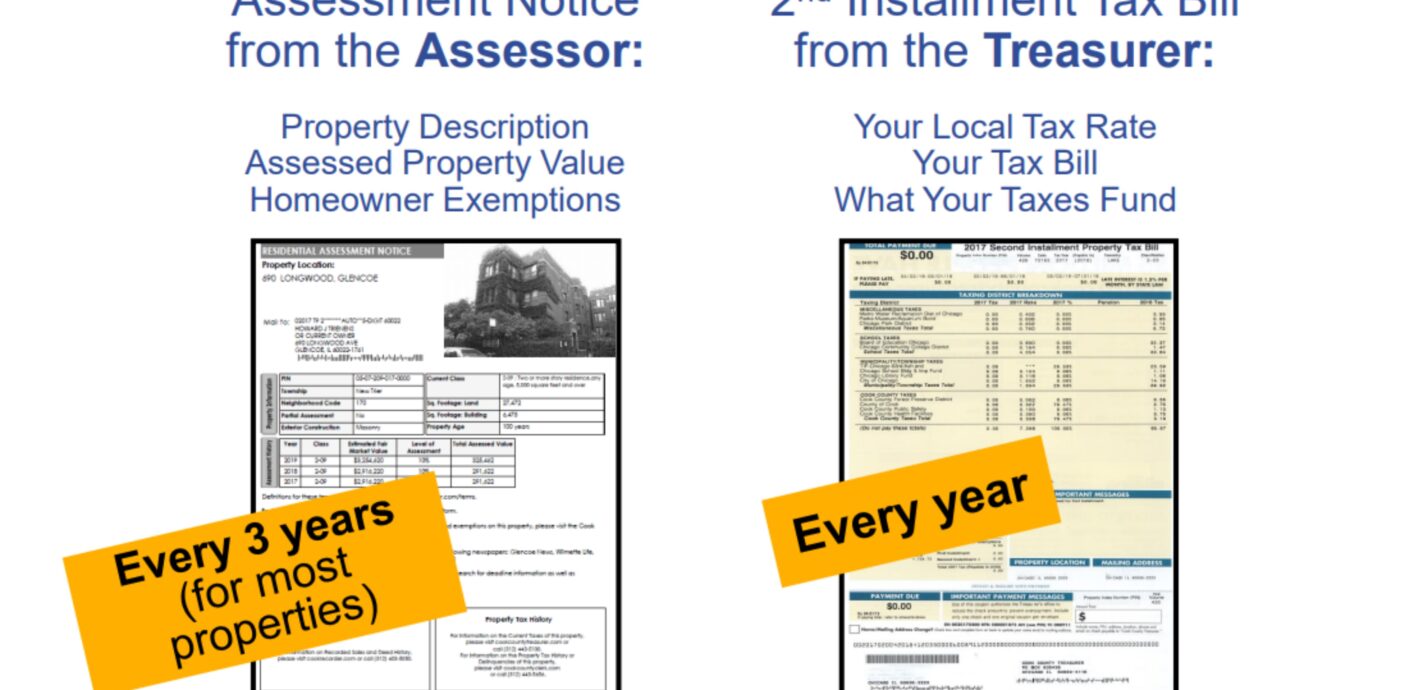
Assessments are sometimes based on assumptions regarding redevelopment potential or future use. Property owners can review assessment information through the Cook County Assessor’s Office. However, if those assumptions are not supported by market evidence, the resulting assessment may exceed market value.
An independent appraisal can help answer critical questions:
-
-
- Would a typical buyer pursue the assessor’s assumed use?
- Is redevelopment financially feasible?
- Does current market demand support the alternative use?
- Are there legal or physical limitations affecting the property?
-
When market evidence indicates that a less intensive use is more realistic, the resulting appraisal may support a lower assessed value.
For many property owners, this analysis becomes one of the most persuasive components of a successful tax appeal.
When Commercial Property Owners Should Obtain an Independent Appraisal
There are several situations where an independent appraisal can provide valuable insight and support.
Property Tax Appeals
A professionally prepared appraisal can provide objective market evidence when challenging an assessment.
Estate and Trust Administration
Accurate appraisal reports help establish credible market value for estate planning, wealth transfer, and settlement purposes.
Litigation Support
Attorneys frequently rely on appraisal reports to support commercial real estate disputes and expert testimony.
Financing and Refinancing
Lenders require reliable market value conclusions when evaluating collateral and underwriting risk.
Investment Decision-Making
Investors use appraisals to better understand opportunities, risks, and market positioning before making capital commitments.
In each of these situations, a thorough Highest and Best Use analysis helps ensure that value conclusions reflect actual market conditions.
Working with a Commercial Real Estate Appraiser in Chicago
Choosing the right appraiser can make a significant difference in the credibility and reliability of the final analysis. Many commercial real estate professionals pursue education and professional development through organizations such as the Appraisal Institute.
An experienced commercial real estate appraiser in Chicago understands local market conditions, zoning considerations, development trends, and appraisal methodologies that influence commercial property value.
More importantly, an independent appraisal provides objective market evidence that can withstand scrutiny from lenders, attorneys, taxing authorities, investors, and other stakeholders.
Whether you are pursuing a property tax appeal, planning an estate, resolving litigation, refinancing a property, or evaluating an investment opportunity, understanding a property’s Highest and Best Use is often one of the most important steps in determining market value.
FAQ: Does Highest and Best Use always increase property value?

Answer: No. A property's Highest and Best Use does not automatically result in a higher value.
While redevelopment potential may create additional value in some situations, market conditions, development costs,
financing availability, zoning restrictions, and buyer demand all influence whether an alternative use is financially
feasible. In many cases, a commercial real estate appraiser in Chicago may determine that the current use represents
the property's Highest and Best Use, resulting in a lower value than anticipated.
Final Thoughts
Highest and Best Use does not automatically increase property value. In many cases, a thorough analysis reveals that market realities, financial feasibility, or physical limitations reduce the likelihood of alternative development scenarios.
By focusing on what informed buyers would realistically pay in today’s market, a commercial real estate appraiser in Chicago can provide a well-supported opinion of value that reflects actual market conditions rather than speculation.
For property owners, attorneys, accountants, bankers, and brokers, that distinction can have a meaningful impact on financial decisions, tax appeals, estate administration, litigation outcomes, and long-term investment strategies.
Need a Commercial Real Estate Appraisal in Chicago?
Whether you are preparing for a property tax appeal, estate settlement, financing transaction, litigation matter, or investment decision, obtaining an independent appraisal can provide the objective market evidence needed to move forward with confidence.