Category: Homeowner Guides & Tips

Request a quote

Our blog

Latest news
& events

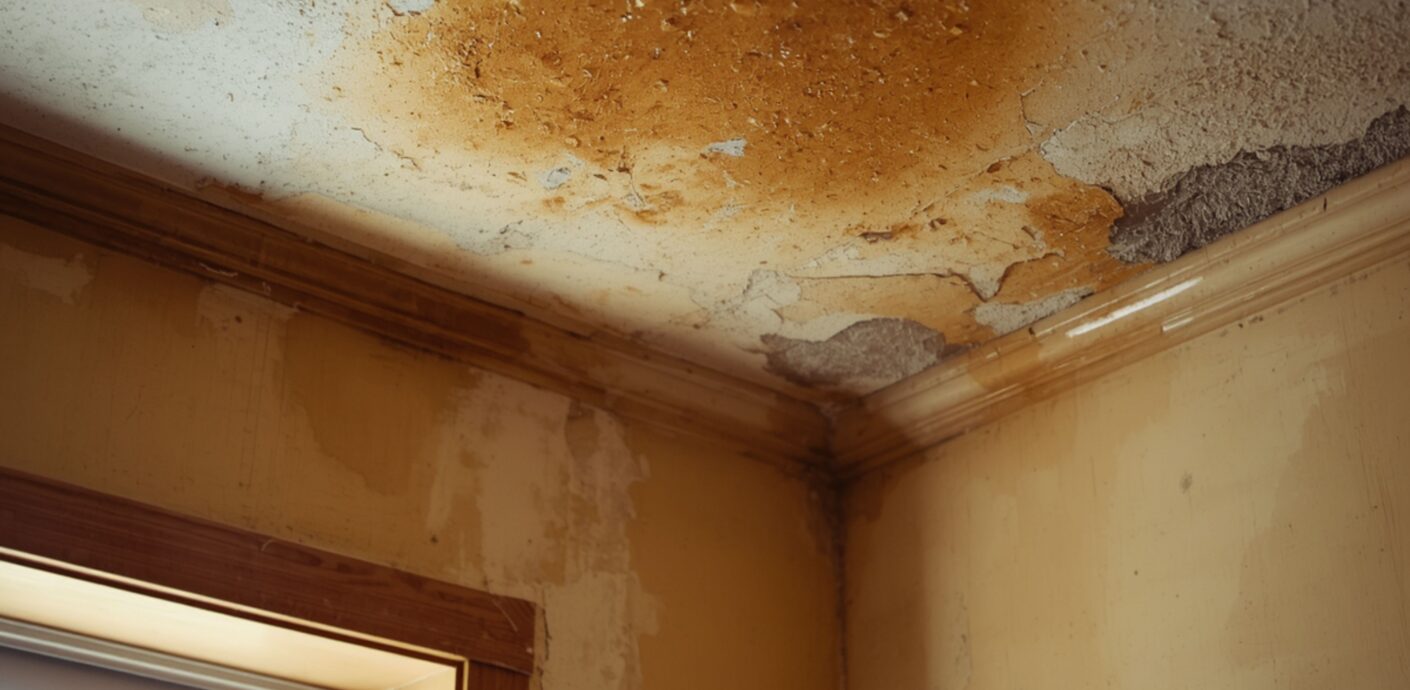
Water damage stains on a ceiling flagged during a home appraisal
Water Damage & Home Value: What Appraisers Flag

Water damage has a way of derailing a sale right when things feel like they are going smoothly. A faint ceiling stain might not worry you at all. An appraiser sees it differently, because that stain often hints at a bigger story. Knowing how water damage and home value connect, and what an appraiser flags before closing, puts you a step ahead. You get to handle problems on your own terms, not at the last minute.

By the end of this article, you’ll know:

  • The water-related conditions an appraiser looks for and writes up
  • Why a lender can stall your closing until water problems get fixed
  • What to repair and document before the appraisal happens
How Water Damage Affects Home Value

Most homeowners assume the hit to value equals the repair bill. It rarely works that cleanly. What worries a buyer, a lender, and an appraiser is what the water might have done out of sight. Water travels. A roof leak can rot the sheathing above a ceiling long before any stain shows up. Down in the basement, dampness might point to a grading or foundation issue. And a slow drip under a sink? That can feed mold behind the drywall for months before anyone notices.

That uncertainty is what moves the numbers. A home with visible water damage tends to draw lower offers, repair demands, or a longer stretch on the market. An appraiser’s job, after all, is to capture how the market reacts to what’s in front of it. So we note the visible conditions and weigh how they affect value and saleability.

What an Appraiser Will Notice

We are not home inspectors, and we do not go cutting into walls. But a trained appraiser spots the visible signs of a water problem fast during a standard residential appraisal. The usual flags:

  • Water stains on ceilings and walls
  • Standing water in a basement, crawlspace, or against the foundation
  • A musty smell that says moisture is still hanging around
  • Warped or swollen drywall, baseboards, and flooring
  • Roof leaks, or shingles that have clearly seen better days
  • Grading that sends rainwater toward the house instead of away from it

A lot of this matters because of what tends to follow water: mold. The EPA points out that mold needs ongoing moisture to grow. So a damp crawlspace, or a stain nobody can explain, earns more scrutiny than its size might suggest.

How Water Damage Can Hold Up Your Closing

Water damage can hold up the calendar, too. Lenders, especially on government-backed loans, hold a property to minimum condition standards.. Active water intrusion is one of the more common reasons an appraisal comes back “subject to repair.”

Once that happens, the lender usually wants it fixed and re-checked before the deal can close. Even a small repair can push your closing date back a week or two. Worse, when it only turns up at the appraisal, that lost time becomes the real cost for anyone working to a firm contract date.

Old Damage Reads Differently From Active Damage

Not every water stain carries the same weight. The question an appraiser really cares about is whether the source got fixed.

Picture a leak you repaired last spring. You replaced the ruined drywall and kept the receipts. In that case the worry mostly evaporates, because you can prove the problem is behind you. Now picture a fresh stain, a corner that’s still damp, and no paperwork. An appraiser has to treat that as a live issue, and so will the buyer.

What to Do Before the Appraiser Shows Up

A few moves keep a water issue from running your whole sale:

      1. Fix the source, first and always. Scrub a stain without stopping the water and it comes right back, usually at the worst possible moment.
      2. Keep the paperwork. Invoices, contractor notes, inspection reports. Good documentation answers the appraiser’s question before anyone asks it.
      3. Repair what shows. Swap out stained drywall, ceiling tiles, and warped trim, so nobody is writing up damage you have already handled.
      4. Speak up early. If the house has had a real water event, tell your agent and your appraiser up front. Then everyone plans around the facts instead of a surprise.
Why It Pays to Get Ahead of It

Water damage does not have to wreck your value or your timeline. Most of the harm to a sale comes from the unknowns, like what’s behind the wall and whether it’s still wet. Clear those up and the whole conversation shifts in your favor.

So track down the source, fix it, write it all down, and patch the visible damage before you list. Do that, and a water stain stays a footnote in your sale rather than the headline at your closing.

Worried water could cost you at the closing table?

Find out where your home really stands before a lender or a buyer raises the question. PahRoo delivers independent, defensible appraisals that give you answers, not guesswork.

Request Your Appraisal

Frequently Asked Questions

Does water damage lower a home’s appraised value?

It can, though not on its own. The effect depends on how bad it is, whether you’ve fixed the source, and how nervous it makes buyers. Often the real drag on value is what the damage hints at, rather than the damage you can see.

What does an appraiser look for when checking for water damage?

Visible clues, mostly: stains, standing water, musty smells, warped materials, signs of a roof leak, and poor drainage. An appraiser reports what’s in plain sight and won’t go digging behind walls or running lab tests.

Will water damage stop a home loan from closing?

It can slow things down. A lender may insist that active water intrusion gets corrected and re-inspected first, particularly on government-backed loans with condition standards to meet.

Do I need to fix water damage before selling?

Usually yes, especially when it’s visible or a buyer needs financing. Sorting it out before you list keeps the negotiation calmer and lowers the odds of a delayed closing.

Is old, repaired water damage still a problem for an appraisal?

Much less of one, as long as you fixed the source and have the records to show it. Repaired and documented damage sits in a very different category from something fresh or unexplained.

Need an Independent Appraisal?

Sometimes water damage, repairs, or condition questions cloud what a home is really worth. In those moments, an independent appraisal gives you a credible, well-supported answer before you negotiate or finance.

PahRoo Appraisal & Consultancy, LLC helps homeowners, attorneys, accountants, bankers, and real estate professionals make confident decisions. Whether you’re preparing to sell, settling an estate, removing PMI, navigating a divorce, or weighing how a property’s condition affects value, our team is ready to help.


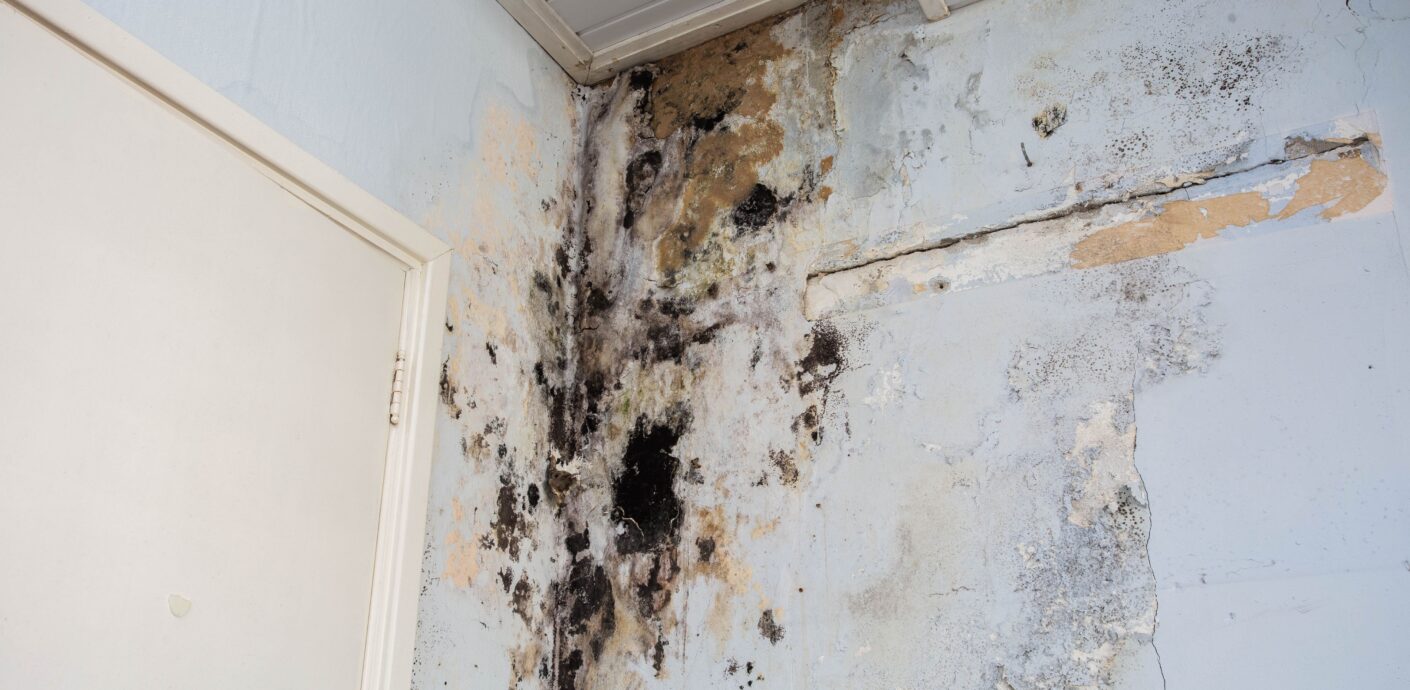
Mold remediation work completed before selling a home
How Mold Affects a Home Appraisal and Sale

Mold has a way of turning a smooth home sale into a tense negotiation. A small patch in a bathroom rarely sinks a deal. Visible growth spreading across a ceiling is a different conversation. If you’re getting ready to sell, knowing how mold affects a home appraisal helps you stay ahead of the questions buyers and lenders are about to ask.

By the end of this article, you’ll know:

  • Whether mold actually pulls down your appraised value
  • What a lender might demand before clearing the loan
  • How to handle mold before you list, and what to keep on file
How Mold Affects a Home Appraisal

Most sellers picture the cost of cleanup and stop there. The bigger issue is what mold usually signals. It points to moisture, and moisture points to a cause: a roof leak, a plumbing problem, poor ventilation, or water creeping in through the foundation. So when we spot mold, we start wondering what’s behind it.

That uncertainty is what worries buyers and lenders. A home with obvious mold often draws lower offers, or sits on the market longer than a comparable place with no moisture history. An appraiser’s job, after all, is to reflect how the market reads a property. So we note what’s visible and weigh how it affects value and sale ability.

What an Appraiser Will Notice

We are not mold inspectors, and we do not take air samples or open up walls. But during a standard residential appraisal, the visible signs of a moisture problem are hard to miss. The usual flags:

      • Visible mold on walls, ceilings, or around windows
      • Water stains and discolored patches
      • A musty smell that lingers in a room
      • Warped or damaged drywall
      • Signs of past leaks that were never fully sorted out

Much of this matters because of where mold leads. The EPA explains that mold needs steady moisture to spread. So a musty basement, or a stain nobody can account for, pulls more attention than its size might suggest.

How Mold Can Hold Up Your Financing

Mold can cost you time as well as money. Lenders watch closely for anything that reads as a health or safety concern. If visible mold turns up while a buyer is financing, the lender may pause and ask for more before clearing the loan.

That might mean remediation records, proof of repair, an extra inspection, or a professional evaluation. Each step adds days. Worse, when it all surfaces at the appraisal rather than earlier, the delay can put a contract date at risk.

Should You Remediate Before Selling?

There’s no single answer, because every house is different. Still, in most cases where the mold is visible or a buyer needs financing, dealing with it before you list pays off. It keeps the negotiation from collapsing into a fight over repairs, and it clears away a common reason for loan delays.

A few questions help you decide. How widespread is it? Have you fixed the moisture source, or only wiped away what you could see? Would a buyer notice it on a walkthrough? Could it trip up financing? Whatever you choose, hold on to the records. Good documentation reassures a buyer far more than a verbal “it’s been handled.”

A Word on Disclosure

Disclosure rules shift from state to state, and sometimes town to town. In a lot of places, sellers have to disclose known material defects, and mold can fall into that bucket. Hiding a known problem tends to create much bigger headaches later in the deal.

So before you list, get clear on what your state requires. When in doubt, ask a qualified agent or a real estate attorney. Being upfront builds trust, and it heads off arguments after closing.

What to Do Before the Appraiser Arrives
      1. Fix the moisture source first. Clean the mold without stopping the water and it comes right back, often worse than before.
      2. Keep your paperwork. Remediation invoices, contractor notes, inspection reports. Records answer the questions before anyone asks them.
      3. Repair what shows. Replace stained drywall and damaged materials, so nobody is writing up problems you have already solved.
      4. Flag it early. If the house has had a real mold issue, tell your agent and appraiser up front. Then everyone works from the facts.
Why Getting Ahead of It Pays Off

Mold does not automatically wreck a home’s value. What it does is shape how buyers, lenders, and the market see the place, and it can stall a sale when it shows up unaddressed. The real worry usually sits behind the mold: the moisture feeding it and the cost of putting things right.

So track down the source, fix it, document the work, and tidy up the visible damage before you list. Handle it early, and mold stays a manageable line item rather than the thing that derails your closing.

Not sure how mold could affect your home’s value?

Get a clear, independent read before a buyer or a lender turns it into a problem. PahRoo delivers defensible appraisals that show you exactly where you stand.

Request Your Appraisal

Frequently Asked Questions

Can mold cause a low home appraisal?

It can. If mold drags on the home’s condition, its saleability, or buyer interest, that can show up in the value. How much depends on how bad the problem is and how the market reacts to it.

Will an appraiser test for mold?

No. Appraisers aren’t mold inspectors, and we don’t run environmental tests. We will note visible mold or moisture damage if we see it during the walkthrough.

Should mold be removed before selling a house?

Often yes, particularly if it’s visible or a buyer is financing. Clearing it up early tends to steady buyer confidence and head off delays. The right call depends on how widespread it is and your local market.

Does mold affect property value?

It can. Value tracks buyer perception, repair costs, financing worries, and the overall condition of the property.

Can a lender deny financing because of mold?

Sometimes. A lender may ask for remediation, repairs, or an inspection before approving the loan if the mold raises a real health, safety, or condition concern.

Need an Independent Appraisal?

When condition concerns, repairs, or saleability questions cloud what a home is worth, an independent appraisal gives you a credible, well-supported answer before you negotiate or finance.

PahRoo Appraisal & Consultancy, LLC helps homeowners, attorneys, accountants, bankers, and real estate professionals make confident decisions. Whether you’re preparing to sell, settling an estate, removing PMI, navigating a divorce, or weighing how a property’s condition affects value, our team is ready to help.


Property condition concerns identified during home appraisal inspection
Pest Infestations and Property Appraisals

Pest Infestations and Property Appraisals: When an Inspection Becomes a Safety Issue

The fleas started jumping almost immediately.

A routine residential appraisal inspection quickly turned into something more serious. As one of our appraisers moved through the home, active fleas were present throughout the property. The appraiser saw cockroaches in multiple areas. The appraiser could not treat the condition as isolated, minor, or easy to ignore.

At that point, the assignment was no longer just about documenting bedrooms, measuring the structure, and observing finishes.

It became a safety issue.

For appraisers, brokers, lenders, attorneys, accountants, and property owners, this type of situation raises an important question: when does a pest infestation become more than a condition concern?

The answer matters because pest infestations can affect safety, marketability, financing, and the timeline of a transaction.

Why Pest Infestations Matter in a Property Appraisal

Appraisers are not pest inspectors. Their role is not to diagnose infestations, determine treatment plans, or certify whether a property is pest-free.

However, an appraiser must observe and report visible property conditions that may affect the assignment.

That distinction is important.

Visible fleas, roaches, rats, or other pests may point to larger concerns during an inspection., the issue may point to larger concerns, including deferred maintenance, moisture problems, sanitation issues, damage, or reduced marketability.

For the client, this matters because visible infestation can create risk before closing. A lender may require additional review. A buyer may hesitate. A broker may face delays. An attorney may need clearer documentation for a legal matter.

When the appraiser identifies the issue early, everyone can respond sooner.

When the Inspection Becomes a Safety Concern

No appraisal assignment is worth risking personal health or safety.

In this case, the appraiser had to make a professional judgment call. Continuing the inspection meant prolonged exposure to active pests. Leaving too soon could limit the available property observations. Ignoring the issue was not an option.

That is where experience matters.

An appraiser must document what is observable, communicate clearly with the client, and avoid making unsupported conclusions. The appraiser should also note any limitations when the condition prevents a full or safe inspection.

For property owners and professionals, this creates an important takeaway: unsafe property conditions can limit the inspection and may affect how the appraisal report is completed.

Property condition concerns identified during home appraisal inspection

Condition Issue or Value Issue?

A pest infestation usually starts as a condition issue.

But depending on severity, it can become a marketability or financing concern.

A minor, isolated issue may have limited impact if it is quickly corrected. A severe infestation may raise questions about habitability, buyer resistance, repair needs, or lender requirements.

That does not mean every pest problem automatically changes the final opinion of value. It means the condition must be considered in context.

The appraiser may need to ask:

      • Does the infestation appear active?
      • Is it widespread?
      • Could it affect health or safety?
      • Did it limit the inspection?
      • Would typical buyers react negatively?
      • Could the lender require treatment or further inspection?

These questions protect the integrity of the appraisal and give the client a clearer picture of risk.

Why Lenders Care About Pest Infestations

Lenders are concerned with collateral risk. If a property has obvious health, safety, or habitability concerns, the lender may need those issues addressed before the loan can move forward. For FHA-related assignments, HUD guidance requires appraisers to consider property conditions connected to safety, security, and soundness, which is why visible infestation concerns may need additional review. See the FHA Single Family Housing Policy Handbook 4000.1.

That can lead to further inspection, treatment documentation, repair requirements, or a subject-to appraisal.

For brokers and borrowers, this matters because unresolved infestations can delay financing. For bankers, it creates a collateral review issue. For attorneys and accountants, it may affect estate, divorce, litigation, or tax-related property decisions.

A credible appraisal helps decision-makers understand what the appraiser observed and why it matters.

When a Subject-To Appraisal May Be Needed

In some cases, the appraiser may complete the appraisal subject to corrective action.

For pest infestations, this may include professional treatment, repair of related damage, or verification that the condition has been addressed.

This is not about creating unnecessary obstacles. It is about protecting the client, lender, and transaction from avoidable risk.

Clear documentation helps prevent confusion when a property condition could affect safety, habitability, or market acceptance.

What Brokers and Realtors Can Learn From This

Early disclosure helps everyone.

Early disclosure of known pest activity, water intrusion, odor, damage, or other condition concerns can prevent last-minute surprises.

For brokers, this can mean fewer financing delays, better client expectations, and stronger professional credibility.

An appraiser walking into a severe infestation without warning creates unnecessary risk. A broker who communicates known issues upfront helps the process move with fewer disruptions.

What Attorneys, Accountants, and Bankers Should Know

For professional decision-makers, pest infestations are not just a property nuisance.

They can affect the reliability of assumptions, the timing of reports, the need for additional documentation, and the usefulness of the appraisal in financial or legal decisions.

In divorce, estate, tax appeal, lending, or litigation matters, property condition can materially affect how a property is understood.

A well-supported appraisal gives you clearer documentation, stronger decision support, and fewer surprises.

The Professional Takeaway

The lesson from this inspection is simple: appraisers must know when a routine assignment has become a risk issue.

Appraisers should document pest infestations carefully, communicate them professionally, and handle them with sound judgment. The appraiser should not overstep into pest inspection work, but should never ignore visible conditions.

For clients, the benefit is clarity.

You gain a better understanding of how property condition may affect financing, timing, marketability, and risk. You also gain professional documentation that supports smarter decisions before a transaction, dispute, or financial review moves forward.

When property conditions create uncertainty, the right appraisal can bring the issue into focus.

Don’t Let Property Conditions Derail Your Transaction

Whether you’re dealing with a lending decision, estate settlement, divorce proceeding, tax appeal, litigation matter, or pre-sale planning, unexpected property conditions can create significant risk if they are not properly documented and understood.

A credible appraisal provides more than a number. It provides the independent analysis, market insight, and professional documentation needed to make confident decisions and avoid costly surprises.

If you need a residential appraisal and want experienced professionals who understand both the property and the risks behind it, PahRoo is ready to help.

Discuss your situation with an experienced appraiser and receive the guidance you need before making an important real estate, financial, or legal decision.

Frequently Asked Questions About Pest Infestations and Property Appraisals
Question: Can a pest infestation affect a home appraisal?

Answer: A pest infestation can affect a property appraisal when it raises concerns about safety, habitability, 
deferred maintenance, or marketability. While appraisers do not diagnose pest problems, they must report 
observable conditions that could influence a lender's decision, a buyer's perception, or the overall 
appraisal assignment.

Question: Will a lender require pest treatment before closing?

Answer: It depends on the severity of the infestation and the loan program. 
Significant pest activity may prompt a lender to request additional inspections, treatment documentation, 
or repairs before the loan can move forward. Addressing known issues early can help reduce delays 
during underwriting.
Question: What should property owners do before an appraisal if they know there is a pest problem?

Answer: Property owners should address active infestations whenever possible and disclose any 
condition issues that may affect the property. Early treatment and transparency can help prevent 
surprises, reduce transaction delays, and provide a clearer understanding of the property's condition during 
the appraisal process.
House made of dollar bills representing Chicago home appraisal value and loan approval rates
How a Chicago Home Appraisal Shapes Your Loan Approval & Interest Rate

Did you know? Your home’s appraised value can shape everything from your loan approval to your interest rate and whether you’ll need mortgage insurance. If you’re buying or refinancing in Chicago, the right appraisal helps you qualify for the financing you want on terms that work for your budget.

How a Chicago Home Appraisal Affects Your Loan

An appraisal is an independent, professional opinion of market value used by lenders to help size the loan. It compares your property to recent nearby sales, factors in location and condition, and reflects current market trends. In short: the appraised value is a key input your lender uses to determine how much they’re willing to lend and under what conditions.

Why Your Appraisal Value Impacts LTV, Rates & PMI

Your appraised value drives your loan-to-value (LTV) ratio, which is the loan amount divided by the appraised value. A lower LTV generally means stronger financing options often better rates and, for many conventional loans, the ability to avoid or remove private mortgage insurance (PMI). A higher LTV can limit your choices, add PMI, or require additional cash to close. That’s why accuracy and local market expertise are so important.

Chicago Home Appraisal: Key Factors That Influence Value
  • Comparable Sales (“Comps”): Recent, nearby, similar properties set the benchmark.
  • Condition & Updates: Clean, well-maintained homes with quality improvements can support higher value.
  • Location & Amenities: School districts, transit, parks, and neighborhood trends matter.
  • Market Velocity: Inventory levels and days-on-market affect how comps are weighed.
If Your Chicago Home Appraisal Comes In Low

It happens. If value lands below the contract price, you and your agent can consider options like seller concessions, a price reduction, or additional cash. In some cases, your lender may offer a reconsideration of value process if there are material issues with comps or data. Either way, a clear, well-supported report keeps decisions grounded in facts.

How Local Chicago Appraisal Expertise Helps You

Chicago is a neighborhood-by-neighborhood market. Our appraisers bring deep, local insight, understanding how a block’s housing stock, school boundaries, or the latest transit extension can shift value. We apply rigorous, unbiased methods and communicate clearly with your lender so you can move forward with confidence.

  • Unbiased, credible reports: Built to meet lender guidelines and withstand underwriting review.
  • Neighborhood-level detail: Comps and adjustments reflect real, local dynamics.
  • Transparent communication: We explain the “why” behind the value so you’re not left guessing.
How to Prepare for a Chicago Home Appraisal
  • Tidy and repair: Fix obvious items (leaks, loose rails), declutter living areas, and ensure easy access.
  • List improvements: Provide dates and details (roof, HVAC, windows, kitchens/baths, energy upgrades).
  • Share your comps: If you or your agent have relevant recent sales, have them ready for consideration.
  • Highlight location perks: New amenities, school changes, or neighborhood projects can be value-positive.
Know Your Appraisal Rights & Resources

You’re entitled to a copy of the appraisal used in your mortgage review, and you should read it carefully.

For a plain-English explanation of what an appraisal is and why it matters, see the Consumer Financial Protection Bureau’s guide:
What are appraisals and why do I need to look at them?

When You Need a Trusted Chicago Appraiser

If you’re buying, selling, or refinancing in Chicago, partnering with a local expert can make a measurable difference. An accurate, defensible report helps align expectations, reduce friction with underwriting, and set you up for better loan terms.


Chicago Home Appraisal FAQs
Who orders the appraisal? 
Typically the lender orders it through an appraisal management process to ensure independence.
Can I challenge an appraisal? 
If there are material errors or stronger comps, your lender may consider a reconsideration of value request. 
Ask your loan officer for their process.
Do I always need an appraisal? 
Most mortgages do, though certain streamlined or special-program refinances may receive appraisal waivers 
at the lender’s discretion.

Cook County land reassessment 2023 property map showing south suburban tax changes
Cook County Reassessment 2023: Lessons to Protect Property Owners in 2025

When Cook County released its 2023 reassessment results for south suburban properties, thousands of owners were stunned. Land valuations in some cases spiked more than 600% because of a modeling error. The Board of Review eventually corrected more than 4,000 parcels, but the shockwaves are still being felt.

As we head into 2025 with new reassessment cycles and the next triennial review coming in 2026, the lessons from 2023 remain important for every property owner in Cook County.

Cook County 2023 Land Reassessment: What Happened?

During the 2023 reassessment, a systemic error in the valuation model caused inflated land values throughout several south suburban townships. Many property owners opened their notices to discover their land value had increased by several hundred percent overnight. While the Board of Review corrected the mistake, the incident revealed flaws in how land and building values are modeled.

For property owners, this wasn’t just a glitch. It showed how quickly errors in valuation modeling could translate into unexpected tax bills if not identified and challenged.

Why the 2023 Land Spike Still Matters in 2025–2026

Although the 2023 error was corrected, the risk has not disappeared. Valuation modeling remains complex, and as methodologies evolve, new vulnerabilities can emerge. With the 2026 triennial reassessment approaching, property owners should assume that modeling issues are still possible.

Here’s why it matters:

  • Future assessments will use similar tools. If the methodology isn’t monitored, mistakes could happen again.

  • Appeal windows are limited. Miss your opportunity, and you could be stuck with an inflated bill.

  • Township trends matter. Some areas are more prone to land/building imbalances, making vigilance critical.

What Property Owners Can Learn from 2023

Attorneys who handle property tax appeals had a front-row seat to the 2023 spike. Many realized that waiting until the appeal window opened was too late. They began looking for problems as soon as notices arrived and showed clients how to spot unusual numbers before mistakes turned into costly bills.

For property owners, the takeaway is simple: you don’t need to understand all the technical details to protect yourself. What matters is knowing what to look for and acting quickly if something feels off.

Strategies for Property Owners Ahead of 2026

Property owners don’t need a law degree to protect themselves. The key is staying informed and prepared. Here are practical steps:

1. Review Your Assessment Notices Carefully

When you receive your assessment notice, compare land and building values. If your land value seems disproportionately high compared to similar properties, it may signal an error.

2. Track Township Trends

Stay informed about your township’s assessment cycle and average increases. If you notice unusual spikes, take a closer look at your property.

3. Act Early on Appeals

Don’t wait until the deadline. Start reviewing your assessment as soon as it arrives so you have time to file an appeal if needed.

4. Consult Professionals When Needed

While you can file your own appeal, consulting a property tax attorney or appraisal expert can help ensure nothing is overlooked. They may also spot systemic issues you might miss.

5. Leverage Technology

Tools powered by AI and data analytics are becoming more common in the property tax space. Using these resources can help you detect red flags faster and with greater accuracy.

Staying Ahead Pays Off

The 2023 Cook County reassessment showed that even small modeling errors can have massive financial consequences. For property owners, the lesson is simple: don’t wait until a tax bill surprises you. By monitoring assessments, learning from past mistakes, and preparing early, you can protect your investment and avoid overpaying.

Request a Property Tax Consultation
Learn More About Cook County Appeals

How Do Appraisers Compare Homes That Aren’t Alike?

When it comes to determining a home’s market value, appraisers often face the challenge of comparing properties that don’t look much alike. You might wonder: How can an older brick bungalow be compared to a newer two-story home down the street? The answer lies in a systematic process called adjustments, which ensures that differences between homes are accounted for fairly.

Real estate valuation illustration with a hand holding a small house in front of bigger houses

Why Appraisers Need Comparables

Appraisers typically use the sales comparison approach, which relies on analyzing recent sales of comparable homes (“comps”). The problem? Perfect matches rarely exist. Even in the same neighborhood, homes can differ in size, style, age, and condition.

That’s why appraisers make careful adjustments to bring the sales prices of those comps closer in line with the subject property.

Adjusting for Home Differences

Adjustments allow an appraiser to create an “apples-to-apples” comparison. For example, if the comparable home has a renovated kitchen and the subject property does not, the appraiser reduces the comp’s sale price to reflect that difference.

Similarly, if the subject property has a larger lot than the comparable home, the appraiser adds value to the comp’s price. The goal is to estimate what each comparable would have sold for if it were more like the subject property.

Key Factors That Influence Adjustments

Location

Homes in more desirable areas: closer to schools, parks, or transit often sell for more. Appraisers weigh neighborhood differences heavily.

Size and Layout

Square footage matters, but so does layout. An open-concept design may command more value than a segmented floor plan of the same size.

Age and Condition

Newer homes or recently updated properties generally sell for more. Older homes in need of repairs are adjusted downward in comparison.

Upgrades and Amenities

Extra features such as finished basements, fireplaces, or updated bathrooms impact value. Appraisers account for these when comparing homes.

Why Professional Expertise Matters

Appraising is both an art and a science. While market data provides structure, appraisers also rely on experience and professional judgment to balance differences. This expertise ensures a fair and credible opinion of value, whether you’re buying, selling, refinancing, or settling an estate.

For more on professional appraisal standards, visit the Appraisal Institute.

FAQ: How Do Appraisers Compare Homes That Aren’t Alike?

Q: How do appraisers compare homes that aren’t alike?
A: Appraisers adjust for differences like size, age, condition, and features when comparing properties. Even if homes aren’t identical, these adjustments help ensure a fair and accurate valuation based on market data and professional judgment.


Final Thoughts on Comparing Unalike Homes

Even when two houses don’t look alike, appraisers use adjustments to create a level comparison. By analyzing location, size, condition, and amenities, they ensure the valuation reflects the home’s true market worth.

If you’re in Chicago or Cook County and need an accurate appraisal, trust PahRoo Appraisal & Consultancy to deliver clear, reliable valuations.

Request an Appraisal

Chicago Commercial Property Tax Appeals: What They Mean for Homeowners

The kids are back in school, but like many Chicagoans, I’m still hoping for one more month of summer weather. Unfortunately, what isn’t cooling off are the latest property tax outcomes from the Cook County Board of Review.

More…

Chicago Housing Smart Market Signals August 2025

Chicago housing market Aug 2025 update: buyers are gaining leverage as inventory rises and sales momentum cools across Cook, DuPage, Lake, and Will Counties. If you’re planning to buy, sell, or invest, this month’s numbers point to real opportunities.

Chicago Theater sign in downtown Chicago with busy street traffic and historic buildings at sunset

Chicago Housing at a Glance for August 2025
  • Buyer advantage grows: Pending sales are down year over year across all four counties, easing competition.
  • County differences matter: DuPage remains the strongest on pricing, Cook offers the most affordability, Will shows the largest inventory build.
  • Condo stability in the city: Cook County condo inventory has tightened compared with last year, contrasting with suburban trends.
  • Rates keep pressure on budgets: The 30-year fixed hovers in the mid-6% range, moderating demand but opening room to negotiate.

County Snapshots
Cook County

Most affordable entry point. Median list price around the mid-$300Ks, with the largest share of total inventory in the metro. Condo inventory has declined year over year, making the attached market comparatively tighter for buyers.

DuPage County

Strongest pricing resilience. Median list price leads the region. Inventory has contracted versus last year, keeping competition relatively firm for well-presented homes.

Lake County

Balanced but steady. Pending activity shows smaller year-over-year declines than Cook or DuPage, signaling relatively stable demand in select submarkets.

Will County

Most selection for buyers. Active inventory is up sharply year over year while absorption cooled. Sellers should price to the market and prepare for longer days on market.

Mortgage Rates & Affordability

With the 30-year fixed around 6.58%, monthly payments remain elevated versus the recent past. For prepared buyers, this environment can translate to less bidding pressure and better terms.

What This Means for You

  • Buyers: Compare more homes, negotiate repairs/credits, and lock financing proactively.
  • Sellers: Price right from day one; consider strategic concessions instead of later price cuts.
  • Investors: Normalizing conditions after 2020–2024 create more rational entry points.

Why an Appraisal Matters Right Now

In a shifting market, precise value is your edge. A professional appraisal from PahRoo Appraisal & Consultancy, LLC gives you a data-driven view of true market value before you list, bid, refinance, or strategize.

Explore Residential Appraisal Services  |  Investor Consulting Solutions  |  Contact PahRoo

FAQs

Is Chicago a buyer’s market in August 2025?

Conditions tilt toward buyers as absorption rates trend lower and months of supply rise versus last year. Well-priced homes still move, but negotiation power has improved.

Which county is most affordable?

Cook County typically offers the lowest median list price among the four major counties, providing more accessible entry points for first-time buyers.

What should sellers do right now?

Lead with market-right pricing, optimize presentation, and consider targeted concessions (closing credits or repair budgets) to protect your timeline and net.

Need clarity before you act? Book an appraisal with PahRoo to move forward with confidence in the Chicago housing market Aug 2025.

Divorce Real Estate Appraisal: Prevent Conflict and Save Money

Divorce real estate appraisal services in Chicago, Illinois

Divorce is rarely straightforward. Emotions run high, and financial decisions can feel overwhelming. One of the biggest sources of tension? The family home and other real estate assets.

Handled poorly, the divorce real estate appraisal process can fuel disputes, create mistrust, and even drag cases out longer than necessary. Done right, it can ease tensions, help both parties feel respected, and give everyone the clarity they need to move forward.

Below are six things every family law professional should keep in mind when it comes to real estate appraisals in divorce cases.

1. Not All Appraisals Are Created Equal

Most people are familiar with mortgage appraisals, but those are designed for lenders, not courts. In divorce, you need a USPAP-compliant appraisal, one that meets strict professional standards and provides the level of detail judges expect.

These reports go deeper than a bank appraisal and provide defensible valuations that can withstand courtroom scrutiny.

2. Choose an Appraiser with Divorce Experience

Divorce cases are unlike routine refinancing or tax appeal work. They’re often more emotional, and sometimes contentious. An appraiser who has worked on family law cases before will know how to navigate the process with sensitivity and professionalism.

Even better, look for someone comfortable testifying in court and explaining complex valuation concepts in plain, understandable language.

3. Verify Credentials

Courts give more weight to appraisers who are state-certified and hold designations from respected organizations, such as the Appraisal Institute. These credentials reflect rigorous training and ensure credibility.

Engaging a designated appraiser reduces disputes and adds authority to your case.

4. Communication Is Key

Legal professionals don’t have time to sift through confusing jargon. A strong divorce real estate appraisal should be written in clear, straightforward language, with easy-to-follow charts, photos, and explanations.

The ability of an appraiser to answer questions and communicate openly is just as important as the valuation itself.

5. Pay Attention to the Date of Value

This is one detail that often gets overlooked but it matters. The effective date of the appraisal could be the date of separation, the date of filing, or the inspection date. In a fluctuating real estate market, this can make a big difference in value.

Making sure everyone agrees on the correct date of value helps avoid disputes later on.

6. Inspections Provide Crucial Context

A solid appraisal is based on a thorough property inspection. That includes photos, measurements, and notes about the home’s condition, renovations, and even deferred maintenance.

And here’s something clients often worry about: everyday mess doesn’t impact value. Toys on the floor or dishes in the sink won’t affect the appraisal, it’s the structure, updates, and overall condition that matter.

Why Divorce Real Estate Appraisal Matters

At its core, an appraisal in divorce isn’t just about numbers. It’s about fairness, trust, and moving forward. A professional valuation helps divorcing couples establish fair market value for their home or investment properties, divide assets equitably, and minimize unnecessary conflict.

At PahRoo Appraisal & Consultancy, we specialize in divorce real estate appraisals that meet the highest professional standards. Our team provides clear, defensible reports for both residential and commercial properties.

We serve clients in Chicago, Dallas, Virginia Beach, and Philadelphia, with other locations available upon request. Wherever we work, our goal is the same: to give attorneys, mediators, and families the clarity they need to resolve property matters fairly.

Moving Forward

If you or your clients need a reliable divorce real estate appraisal, don’t leave it to chance. Work with experienced appraisers who understand both the technical details and the human side of family law.

Contact us today to schedule a confidential consultation.

NEWSLETTER

Knowing a property's true value is key
to making informed real estate decisions

Visit us

7383 Lincoln Ave Suite,
#100 Lincolnwood, IL, 60712