Category: Homeowner Guides & Tips

Request a quote

Our blog

Latest news
& events

Are Your Property Updates Adding Real Value?

Many homeowners invest time and money into home upgrades, hoping to increase their property’s value. However, not all improvements deliver a strong return on investment. Understanding which updates truly add value is essential for maximizing your home’s equity and attracting potential buyers.

Why Some Updates Don’t Add Value

Not all renovations appeal to the broader market. For instance, highly personalized features, like custom home theaters or unusual décor, might delight you but can limit your home’s appeal to future buyers. Similarly, overly expensive upgrades may not recover their cost when selling. Therefore, it’s crucial to prioritize improvements that align with market demand rather than personal preferences.

Updates That Typically Boost Equity

Certain renovations consistently increase property value. For example:

  • Kitchen and Bathroom Upgrades: Modern appliances, new countertops, and updated cabinetry often provide the highest returns.
  • Energy-Efficient Improvements: Installing double-pane windows, LED lighting, or a smart thermostat can attract buyers and lower utility costs.
  • Curb Appeal Enhancements: Fresh landscaping, a new front door, or exterior paint improves first impressions and overall marketability.
  • Smart Home Features: Automated lighting, security systems, and smart thermostats are increasingly popular among buyers.

These updates make homes more appealing and can justify higher asking prices, helping sellers maximize their investment.

Tips for Assessing ROI

Before making improvements, research local market trends and consult with a professional appraiser. Additionally, focus on updates that appeal to a broad audience rather than personal tastes. Simple upgrades, like fresh paint or improved lighting, can add noticeable value without breaking the budget.

By strategically selecting updates that genuinely add value, homeowners can maximize equity and avoid unnecessary expenses. For more tips, check out our related post on Upgrades That Boost Home Value in 2025. For more tips, check out this article from Realtor.com: How To Add $15,000 Value to Your Home—by Spending Only $1,500

Contact us today for personalized guidance on which property updates make the most impact.

Don’t forget to follow us on Facebook, Instagram, and X for the latest tips and real estate news!

Property updates adding value in the Washington housing market 2025
Washington Chaos: A Gift for Homeowners & Investors

Chaos in Washington just gave homeowners and Real Estate investors a Gift.

Yes, political turmoil rattled the bond markets.  Headlines screamed “uncertainty,” yields plunged, and analysts clutched their pearls. But here’s the twist: what spooked Wall Street might just bless Main Street—especially if you’re looking to buy a home.

Let’s break it down.
When investors get nervous, they run for safety, and U.S. government bonds are their security blanket of choice. That demand pushes bond prices up and yields (aka long-term interest rates) down. And guess what mortgage rates are tied to? You got it: bond yields. So while the talking heads were arguing over government shutdowns, leadership shakeups, or fiscal brinkmanship, the 10-year Treasury yield quietly dropped—and mortgage rates followed suit.

Here’s what that means for you:

  • Lower Rates = More Buying Power: A 0.5% drop in mortgage rates could save you tens of thousands or hundreds of thousands over the life of a loan. Or, more immediately, it might turn that “just out of reach” house or investment property into something you can actually afford.
  • More Room for Negotiation: Sellers are already dealing with a slower market and rising days on market (a measure of market activity). Lower rates bring hesitant buyers off the sidelines—and that gives you leverage before competition fully ramps up.
  • A Window, Not a Door: These lower rates might not stick around forever. If inflation flares back up or markets calm down, expect rates to rise again. Timing matters especially in 2025.
  • Lower Rates = More Savings  A drop in mortgage rates also opens up your possibility to refinance now to lower your carrying cost of debt, and that lower cost of your mortgage can be used to reinvest in updating your property, investing in another property, or just saving up for your much-deserved vacation!

Look, political chaos isn’t fun. But sometimes, macro uncertainty creates micro opportunity. The key is knowing where to look—and how to act before the window closes.

In short: Wall Street panicked.

You might get a house OR an investment property out of it. Funny how economics works, huh? Is economic uncertainty impacting your property value?  We’re here to help you make confident decisions today that transform tomorrow!

Contact us today for personalized guidance on navigating the Washington housing market 2025. Don’t forget to follow us on Facebook, Instagram, and X for the latest real estate news and tips!

Multigenerational family enjoying time together at home in 2025
The Rise of Multigenerational Living in 2025

The rise of multigenerational living in 2025 is transforming how families approach housing. As a result of economic pressures, aging populations, and changing cultural norms, more households are choosing to share a home. Consequently, this shift offers financial savings, stronger family bonds, and practical support for childcare and eldercare.

Why It’s Growing — and What Real Estate Pros Need to Know

Multigenerational living is no longer fringe; instead, it has become mainstream. As a result of affordability challenges, aging populations, and shifting cultural norms, more families are living under one roof. This shift is transforming how we design, value, and appraise homes.

What’s Driving the Trend?

Several factors contribute to the rise of multigenerational living:

  • Affordability Challenges: High housing costs are pushing families to combine households. In addition, sharing expenses reduces financial strain.
  • Aging Populations: Older adults increasingly prefer living with family rather than alone.
  • Childcare Savings: Additionally, shared caregiving responsibilities benefit households financially and practically.
  • Cultural Changes: Furthermore, shifting norms encourage close-knit family living arrangements.
  • Economic Uncertainty: Consequently, pooling resources provides more financial stability.

“It’s not about squeezing in — it’s about adapting smartly.”

Benefits of Multigenerational Living

Multigenerational households enjoy several advantages:

  • Financial Savings: Shared expenses reduce individual burdens.
  • Stronger Family Bonds: Daily interactions naturally strengthen connections.
  • Built-In Support Systems: Families can rely on each other for childcare and eldercare.
  • Flexible Living Arrangements: Furthermore, adaptable spaces offer convenience and adaptability for all household members.
Design Considerations

Modern homes accommodate multiple generations with thoughtful design choices:

  • Separate Living Areas: For example, in-law suites or basement apartments provide privacy.
  • Dual Kitchens: In addition, multiple cooking spaces enhance convenience.
  • Accessible Features: Furthermore, universal design elements make homes inclusive.
  • Open Floor Plans: Moreover, flexible layouts foster communal living.
Market Implications

In real estate, multigenerational homes are shaping valuations and buyer preferences. For instance, properties with adaptable spaces or additional living units often experience higher demand. Furthermore, developers can target this growing segment to meet emerging housing needs.

Why This Matters to Appraisers and Real Estate Pros

This trend isn’t just a lifestyle choice—it affects valuation, sales, and development.

For Appraisers:
  • How do you evaluate a garage-converted suite?
  • Does a second kitchen add value—or create confusion?
  • Are privacy-oriented layouts an adjustment or a premium?
For Agents and Lenders:
  • How do you explain these features to clients and underwriters?
  • How do you qualify multi-income borrowers from one household?
For Developers:
  • Are you building for yesterday’s buyers—or today’s households?

Homes that were “unusual” five years ago may now be the most future-ready.

Why Multigenerational = Market Opportunity

Families are choosing multigenerational living not only because they have to but also because it offers financial stability, emotional support, and long-term flexibility.

This means:

  • Smart designs sell faster.
  • Versatile homes retain value better.
  • “Outdated” layouts might become liabilities.
The Bottom Line

Multigenerational living in 2025 is not just about shared space, it’s about shared lives. Therefore, as families navigate economic and social changes, this living arrangement offers a sustainable and supportive solution.

For real estate professionals:

    • It affects how homes are designed.
    • It changes how we appraise and sell them.
    • It’s redefining what “family housing” really means.

Considering multigenerational living? Explore homes designed with your family’s needs in mind. Contact us today to find the perfect space for your loved ones.

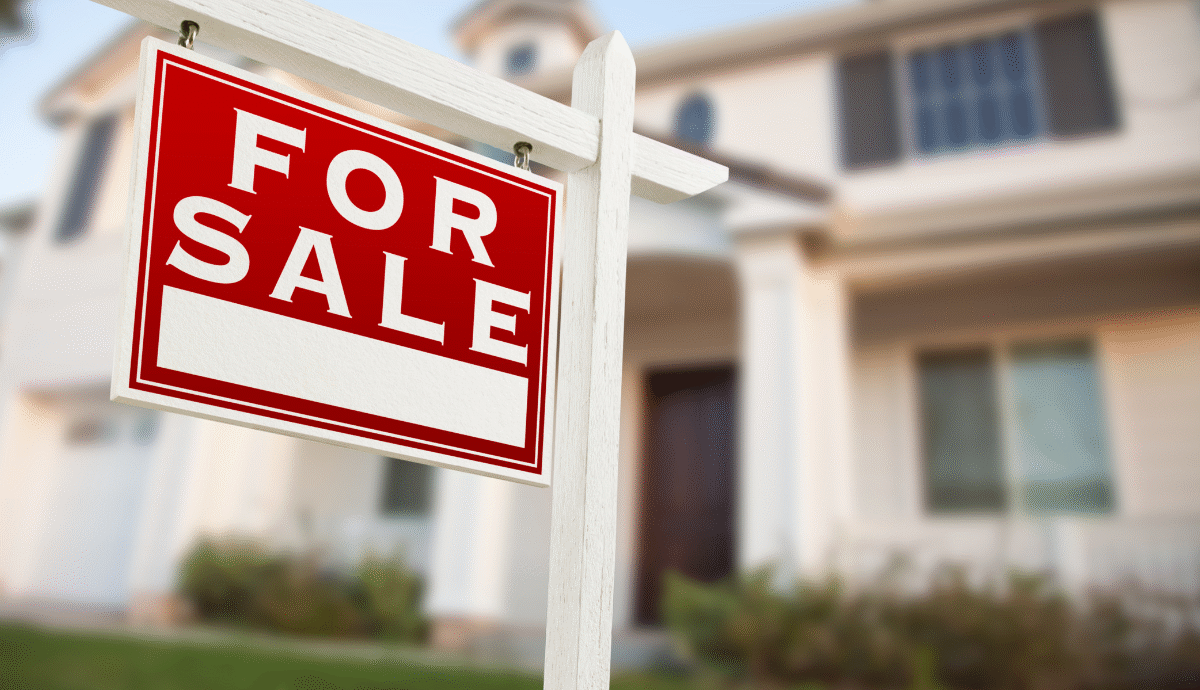
For sale sign in front yard – considering if it’s a good time to sell a home
70% of Homeowners Say It’s a Good Time to Sell — But Should You?

The housing market has changed significantly over the past few years and yet, according to a recent Realtor.com survey, 70% of homeowners still think now is a good time to sell.

That might sound surprising, especially with high interest rates and inflation-related uncertainty. But the truth is, today’s sellers aren’t just watching the market, they’re responding to life.

Why Are Homeowners So Confident?

The survey highlights that most homeowners aren’t selling because of timing—they’re selling because of need. Here are the top reasons:

  • 46% want to move to a different community

  • 34% need more space

  • 25% are looking to downsize

  • 21% are making a family-related move

  • 15% are relocating for work

This shows that major life changes—not just home prices—are driving decisions in 2025.

What Do Sellers Expect?

Despite market headwinds, seller confidence is high:

  • 81% believe they’ll get full asking price (or more)

  • 75% expect a fast sale

  • 63% don’t think they’ll need to offer concessions

And they’re preparing for success:

  • 71% have checked their home’s value

  • 61% are researching neighborhood pricing

  • 38% have made improvements or repairs

What You Can Learn from This

If you’re a homeowner yourself, this data is a reminder that:

  • You’re not alone in rethinking your living situation

  • Today’s market may be complex, but there are still paths to a strong sale

  • Preparation and timing still make all the difference

Whether you’re selling now or simply watching the trends, staying informed will always put you one step ahead.

Thinking of Selling?

We specialize in residential and commercial real estate appraisals and market positioning. Whether you’re ready to list or just exploring your options, we’ll help you understand your property’s true market value, so you can move forward with confidence.

📞 Schedule your valuation today and make sure your next move is a smart one.

Why Pricing Strategy Matters in Real Estate: How Appraisers Help Sellers Win Big

When it comes to selling real estate, your pricing strategy can make or break the deal. Price too high, and your listing may stagnate. Price too low, and you risk leaving hard-earned equity on the table. That’s where a professional real estate appraiser becomes your secret weapon, not just a number cruncher, but a strategic ally.

First Impressions Start with the Price

In today’s digital-driven home search, price is the first filter buyers apply. Overpriced homes may never even show up in their results. Underpriced homes might draw attention, but at the risk of sacrificing value.

Getting the price just right is both an art and a science. It’s not about gut instinct or what your neighbor got last spring—it’s about current, hyper-local market data.

Enter the Appraiser: The Power of Professional Pricing Insight

A licensed appraiser delivers objective, data-backed pricing insights by analyzing:

Recent comparable sales (comps)

Neighborhood trends and local market shifts

The condition and upgrades of your property

Buyer demand in your specific zip code

Unlike online valuation tools, which often miss the nuances of a neighborhood, a professional appraisal reflects true market value—what real buyers are likely to pay right now.

Avoid Price Drops & Protect Your Credibility

An overpriced home often leads to painful price reductions. Each drop sends a signal to buyers: “Something’s wrong.” Momentum slows, offers dry up, and you lose negotiation leverage.

An appraiser helps price your home right the first time, reducing time on market and improving your chances of receiving multiple strong offers early on.

Boost Negotiation Power with Confidence

Appraisal reports offer sellers a strong advantage during negotiations, helping to:

Justify your asking price with impartial evidence

Reassure cautious buyers and skeptical agents

Prevent financing-related deal breakdowns

Buyers and lenders alike take pricing seriously. Having a professional appraisal in hand builds trust and transparency.

Better Pricing Strategy = Better Outcomes
A smart, appraiser-backed pricing strategy gives sellers a measurable edge. You’re more likely to:

✅ Sell your home faster
✅ Attract well-qualified, serious buyers
✅ Maximize your net proceeds

In hot and cool markets alike, data-driven pricing wins.

Ready to Sell? Don’t Guess—Get Expert Guidance

Before listing your property, consult with a certified local appraiser. They understand the market trends, neighborhood dynamics, and value drivers specific to your area.

A strategic price sets the stage for a successful sale. Let a trusted appraiser help you get it right—right from the start.

Real Estate Cycles Explained: The Insider’s Guide to Buying or Selling at the Perfect Time

Ever wonder why sometimes the real estate market feels red-hot, while other times properties sit for months with no bites? It’s not luck — it’s the real estate cycle in action. Understanding these market rhythms can help you avoid costly mistakes and make smarter moves. Let’s break down the four phases of the real estate cycle and reveal how to time your buy or sell like a pro.

The Four Phases of the Real Estate Cycle (And What They Really Mean for You)

1. Recovery: The Hidden Goldmine

The market feels sluggish, headlines sound grim, and most people are scared to buy. But here’s a secret: this is often where fortunes are made. Savvy investors are quietly buying properties at bargain prices, knowing the market will turn.

Best move: Start buying if you can play the long game. The crowd might not see it yet — but you will.

2. Expansion: The Momentum Phase

Confidence is back. Rents are rising, new developments are popping up, and competition is heating up. You’ll see bidding wars, fast closings, and plenty of excitement.

Best move: If you bought in recovery, now’s your time to shine. Sell for great returns or double down on strategic investments.

3. Hyper Supply: The Market Feels Too Good to Be True

Developers overbuild. Listings pile up. Homes linger on the market longer than they used to. This is when the first cracks show.

Best move: Be cautious. If you’re selling, move quickly. If buying, make sure the deal is rock-solid — don’t get caught holding the bag.

4. Recession: The Market Cooldown

Properties sit. Prices fall. Negative headlines dominate. But behind the fear? Opportunity.

Best move: Watch carefully. Look for properties that are undervalued. If you’ve got cash and courage, this could be the beginning of your next big win.


Timing: When to Make Your Move
  • Want to buy? Look at late recession or early recovery — when everyone else is too nervous to act.
  • Ready to sell? Mid-expansion to early hyper supply is when you’ll command top dollar.
But Here’s the Real Truth…

Timing matters — but preparation matters more. Know your goals. Know your finances. Know your market. Because sometimes, the best time to act isn’t when the cycle says — it’s when you are ready.

Real estate cycles aren’t magic — they’re patterns. And patterns are power. The more you understand them, the better you can navigate the market with confidence.


Real Estate Investment Mistakes to Avoid (And How to Invest Smarter!)

Investing in real estate is one of the best ways to build wealth, but it’s not without risks. Many investors make costly mistakes that could have been avoided with proper planning and research. Whether you’re a first-time investor or looking to expand your portfolio, knowing what NOT to do is just as important as knowing what to do.

Here are the biggest real estate investment mistakes to avoid:

1. Skipping Due Diligence

The Mistake: Not researching the property, neighborhood, or market trends before investing.

Why It’s a Problem: Without proper research, you may overpay, buy in a declining market, or face unexpected legal and structural issues.

What to Do Instead:

  • Research local market trends, property values, and rental demand.
  • Get a home inspection to uncover potential issues.
  • Check zoning laws and property history.
2. Overestimating ROI

The Mistake: Assuming your investment will always appreciate or generate high rental income.

Why It’s a Problem: If your expectations are unrealistic, you could end up with lower cash flow or even losses.

What to Do Instead:

  • Run the numbers with realistic rental income and expense projections.
  • Factor in vacancy rates and potential repairs.
  • Compare similar properties in the area to set reasonable expectations.
3. Ignoring Hidden Costs

The Mistake: Only considering the purchase price and mortgage without factoring in additional costs.

Why It’s a Problem: Expenses like property taxes, insurance, repairs, and maintenance can quickly add up and eat into your profits.

What to Do Instead:

  • Create a detailed budget including property management fees, maintenance, HOA fees, and taxes.
  • Have a reserve fund for unexpected expenses.
4. Not Having an Exit Strategy

The Mistake: Investing without a clear plan for selling or exiting if the market shifts.

Why It’s a Problem: Markets can change, and if you’re not prepared, you could end up stuck with an underperforming asset.

What to Do Instead:

  • Decide whether you’re flipping, renting, or holding for long-term appreciation.
  • Have multiple exit strategies in case your initial plan doesn’t work out.
5. Choosing the Wrong Financing

The Mistake: Taking on a risky loan or over-leveraging your investment.

Why It’s a Problem: High-interest loans, adjustable-rate mortgages, or too much debt can lead to financial struggles if the market shifts.

What to Do Instead:

  • Compare mortgage options and choose the right loan for your investment strategy.
  • Keep your debt-to-income ratio in check.
  • Work with a financial advisor to ensure smart financing decisions.
6. Underestimating Property Management

The Mistake: Thinking you can manage everything yourself without considering time and expertise.

Why It’s a Problem: Poor property management can lead to unhappy tenants, high turnover, and expensive maintenance issues.

What to Do Instead:

  • Decide if you’ll manage the property yourself or hire a property management company.
  • Set up systems for tenant screening, rent collection, and maintenance requests.
7. Letting Emotions Drive Decisions

The Mistake: Buying a property because you “love it” instead of analyzing the numbers.

Why It’s a Problem: Emotional decisions can lead to overpaying or choosing a property that doesn’t provide a good return.

What to Do Instead:

  • Focus on profitability and market data, not personal preference.
  • Stick to your budget and investment criteria.
8. Not Diversifying Your Portfolio

The Mistake: Investing all your money into one property or market.

Why It’s a Problem: If the market declines or a tenant leaves, your income could suffer.

What to Do Instead:

  • Consider investing in different types of properties (residential, commercial, multi-family, etc.).
  • Look at different geographic locations to reduce market risk.
9. Neglecting Legal & Tax Considerations

The Mistake: Not structuring your investments properly or misunderstanding tax implications.

Why It’s a Problem: Poor legal setup can lead to liabilities, and tax mistakes can result in penalties or lost deductions.

What to Do Instead:

  • Set up an LLC or legal entity for liability protection.
  • Work with a real estate tax professional to maximize deductions and stay compliant.
10. Rushing the Purchase

The Mistake: Jumping into an investment without properly evaluating the deal.

Why It’s a Problem: Impulse buys can lead to bad deals, overpriced properties, and regret.

What to Do Instead:

  • Take your time to analyze the deal, market trends, and potential risks.
  • Get a second opinion from a trusted real estate expert.

Real estate investing can be highly profitable, but only if you avoid these common mistakes. The key is to educate yourself, do your research, and plan for different scenarios.

Avoiding common real estate investment mistakes is crucial for building long-term wealth. By educating yourself and making informed decisions, you can navigate the complexities of the market and achieve your investment goals.

Ready to make smarter investment choices? Contact PahRoo Appraisal & Consultancy today for expert insights and accurate valuations tailored to your needs.

The Green Premium: How Sustainable Features Boost Property Value in 2025
sustainable green building

In 2025, the real estate landscape is increasingly influenced by sustainability. Properties equipped with green and energy-efficient features are not only reducing environmental footprints but also commanding higher market values. This trend reflects a growing demand among buyers and investors for eco-friendly and cost-effective living spaces.

The Financial Upside of Green Certifications

Properties with recognized green certifications, such as LEED (Leadership in Energy and Environmental Design) and Energy Star, are witnessing a surge in desirability. These certifications signify a property’s commitment to sustainability and superior energy efficiency, leading to lower operational costs. For instance, LEED-certified homes have been reported to sell at a premium compared to non-certified homes. Similarly, commercial properties with Energy Star certifications often achieve higher rental rates and increased occupancy due to their energy efficiency and appeal to environmentally conscious tenants.

Market Demand for Sustainable Living

The shift towards sustainable living is not just a niche movement but a significant market trend. Buyers are increasingly prioritizing properties that align with their environmental values and offer long-term cost savings. This demand is driven by heightened awareness of climate change and the tangible benefits of reduced utility expenses. As a result, energy-efficient homes are selling faster and often at higher prices than their conventional counterparts.

Incorporating Renewable Energy Solutions

The integration of renewable energy sources, such as solar panels and wind turbines, into residential and commercial properties is becoming more prevalent. These installations not only reduce dependence on non-renewable energy but also enhance property appeal. Homes equipped with solar panels, for example, can experience significant reductions in electricity bills, making them more attractive to potential buyers. Additionally, properties with renewable energy features may qualify for tax incentives and rebates, further increasing their value proposition.

Emerging Trends in Sustainable Real Estate
  • Smart Tech: Energy-efficient appliances and automated systems that optimize usage.
  • Solar & Renewables: Homes with solar panels reduce electricity bills and qualify for tax incentives.
  • Climate-Resilient Design: Materials that withstand extreme weather add long-term value.
  • Urban Greening: Green roofs and community gardens increase curb appeal and livability.
The Bottom Line

The integration of green and energy-efficient features is proving to be a valuable investment in the 2025 real estate market. Properties that embrace sustainability not only contribute positively to the environment but also enjoy enhanced marketability and financial returns. As the demand for eco-friendly living spaces continues to rise, incorporating these features becomes a strategic imperative for property owners and developers aiming to maximize property values.

Ready to enhance your property’s value? Contact PahRoo Appraisal & Consultancy today to learn how sustainable features can boost your property’s market appeal

Could You Afford These 2024 Luxury Homes? Here’s What Your Monthly Payment Would Look Like

2024 luxury home affordability: Aspen high-end home

“Ever wondered what it costs to own a $200 million mansion? Sure, buying a mega-mansion is reserved for billionaires—but what if you somehow hit the jackpot? Would your paycheck cover the monthly mortgage?”

Let’s break down the most expensive homes sold in 2024 and see if you (or anyone besides a billionaire) could actually afford the payments. Spoiler alert: It’s insane.

1. Malibu, CA – $210 Million

Location: Malibu, CA
Sold For: $210,000,000
Mortgage Breakdown (30-year fixed loan at 6.5%):

20% Down Payment: $42 million
Loan Amount: $168 million
Monthly Payment: $1.06 MILLION
Property Taxes (~1.1% in CA): $192,500 per month
Home Insurance & Maintenance: $50,000+ per month

Reality Check: You’d need to make $20 million per year just to cover this home’s mortgage, taxes, and maintenance!

And that’s before you hire a full-time staff, security team, and pool boy.

2. Palm Beach, FL – $152 Million

Location: Palm Beach, FL
Sold For: $152,000,000
Mortgage Breakdown:

20% Down Payment: $30.4 million
Loan Amount: $121.6 million
Monthly Payment: $770,000+
Property Taxes (~1.3% in FL): $165,000 per month
Private Yacht Dock + Staff Costs: $50,000 per month

Reality Check: Florida has no state income tax, which helps… but you still need at least $12M-$15M per year just to cover the basics.

Hope you don’t mind skipping Starbucks.

3. NYC Penthouse – $135 Million

Location: Manhattan, NY
Sold For: $135,000,000
Mortgage Breakdown:

20% Down Payment: $27 million
Loan Amount: $108 million
Monthly Payment: $685,000+
Property Taxes (~1.6% in NYC): $180,000 per month
HOA Fees & Luxury Concierge: $20,000+ per month

Reality Check: Living in a five-story penthouse with a rooftop pool sounds amazing, but good luck finding street parking when your driver’s off duty.

4. Aspen, CO – $77 Million

Location: Aspen, CO
Sold For: $77,000,000
Mortgage Breakdown:

20% Down Payment: $15.4 million
Loan Amount: $61.6 million
Monthly Payment: $390,000+
Property Taxes (~0.5% in CO): $32,000 per month
Ski Resort Maintenance & Private Staff: $50,000 per month

 Reality Check: This is probably the cheapest home on this list, but you’ll still need $6M+ per year just to keep up with the mortgage, taxes, and staff.

At least your winters will be epic!

5. Carpinteria, CA – $96 Million

Location: Carpinteria, CA
Sold For: $96,000,000
Mortgage Breakdown:

20% Down Payment: $19.2 million
Loan Amount: $76.8 million
Monthly Payment: $485,000+
Property Taxes (~1.1% in CA): $88,000 per month
Coastal Maintenance & Security: $35,000 per month

Reality Check: If you can afford this, you’re probably rubbing shoulders with Oprah and Ellen.

But even billionaires think twice before paying half a million per month on a home.

So… Could You Afford One of These Homes?

Unless you’re a tech billionaire, oil tycoon, or royalty, the answer is probably not. But it’s fun to dream, right?

Which one would YOU choose if money wasn’t an issue?

Drop your dream home in the comments!

Curious about how much home you can afford? Use our affordability calculator to estimate your potential monthly payments and explore luxury properties within your budget.

NEWSLETTER

Knowing a property's true value is key
to making informed real estate decisions

Visit us

7383 Lincoln Ave Suite,
#100 Lincolnwood, IL, 60712