Tag: Chicago real estate appraisals

Request a quote

Our blog

Latest news
& events

House made of dollar bills representing Chicago home appraisal value and loan approval rates
How a Chicago Home Appraisal Shapes Your Loan Approval & Interest Rate

Did you know? Your home’s appraised value can shape everything from your loan approval to your interest rate and whether you’ll need mortgage insurance. If you’re buying or refinancing in Chicago, the right appraisal helps you qualify for the financing you want on terms that work for your budget.

How a Chicago Home Appraisal Affects Your Loan

An appraisal is an independent, professional opinion of market value used by lenders to help size the loan. It compares your property to recent nearby sales, factors in location and condition, and reflects current market trends. In short: the appraised value is a key input your lender uses to determine how much they’re willing to lend and under what conditions.

Why Your Appraisal Value Impacts LTV, Rates & PMI

Your appraised value drives your loan-to-value (LTV) ratio, which is the loan amount divided by the appraised value. A lower LTV generally means stronger financing options often better rates and, for many conventional loans, the ability to avoid or remove private mortgage insurance (PMI). A higher LTV can limit your choices, add PMI, or require additional cash to close. That’s why accuracy and local market expertise are so important.

Chicago Home Appraisal: Key Factors That Influence Value
  • Comparable Sales (“Comps”): Recent, nearby, similar properties set the benchmark.
  • Condition & Updates: Clean, well-maintained homes with quality improvements can support higher value.
  • Location & Amenities: School districts, transit, parks, and neighborhood trends matter.
  • Market Velocity: Inventory levels and days-on-market affect how comps are weighed.
If Your Chicago Home Appraisal Comes In Low

It happens. If value lands below the contract price, you and your agent can consider options like seller concessions, a price reduction, or additional cash. In some cases, your lender may offer a reconsideration of value process if there are material issues with comps or data. Either way, a clear, well-supported report keeps decisions grounded in facts.

How Local Chicago Appraisal Expertise Helps You

Chicago is a neighborhood-by-neighborhood market. Our appraisers bring deep, local insight, understanding how a block’s housing stock, school boundaries, or the latest transit extension can shift value. We apply rigorous, unbiased methods and communicate clearly with your lender so you can move forward with confidence.

  • Unbiased, credible reports: Built to meet lender guidelines and withstand underwriting review.
  • Neighborhood-level detail: Comps and adjustments reflect real, local dynamics.
  • Transparent communication: We explain the “why” behind the value so you’re not left guessing.
How to Prepare for a Chicago Home Appraisal
  • Tidy and repair: Fix obvious items (leaks, loose rails), declutter living areas, and ensure easy access.
  • List improvements: Provide dates and details (roof, HVAC, windows, kitchens/baths, energy upgrades).
  • Share your comps: If you or your agent have relevant recent sales, have them ready for consideration.
  • Highlight location perks: New amenities, school changes, or neighborhood projects can be value-positive.
Know Your Appraisal Rights & Resources

You’re entitled to a copy of the appraisal used in your mortgage review, and you should read it carefully.

For a plain-English explanation of what an appraisal is and why it matters, see the Consumer Financial Protection Bureau’s guide:
What are appraisals and why do I need to look at them?

When You Need a Trusted Chicago Appraiser

If you’re buying, selling, or refinancing in Chicago, partnering with a local expert can make a measurable difference. An accurate, defensible report helps align expectations, reduce friction with underwriting, and set you up for better loan terms.


Chicago Home Appraisal FAQs
Who orders the appraisal? 
Typically the lender orders it through an appraisal management process to ensure independence.
Can I challenge an appraisal? 
If there are material errors or stronger comps, your lender may consider a reconsideration of value request. 
Ask your loan officer for their process.
Do I always need an appraisal? 
Most mortgages do, though certain streamlined or special-program refinances may receive appraisal waivers 
at the lender’s discretion.

How Do Appraisers Compare Homes That Aren’t Alike?

When it comes to determining a home’s market value, appraisers often face the challenge of comparing properties that don’t look much alike. You might wonder: How can an older brick bungalow be compared to a newer two-story home down the street? The answer lies in a systematic process called adjustments, which ensures that differences between homes are accounted for fairly.

Real estate valuation illustration with a hand holding a small house in front of bigger houses

Why Appraisers Need Comparables

Appraisers typically use the sales comparison approach, which relies on analyzing recent sales of comparable homes (“comps”). The problem? Perfect matches rarely exist. Even in the same neighborhood, homes can differ in size, style, age, and condition.

That’s why appraisers make careful adjustments to bring the sales prices of those comps closer in line with the subject property.

Adjusting for Home Differences

Adjustments allow an appraiser to create an “apples-to-apples” comparison. For example, if the comparable home has a renovated kitchen and the subject property does not, the appraiser reduces the comp’s sale price to reflect that difference.

Similarly, if the subject property has a larger lot than the comparable home, the appraiser adds value to the comp’s price. The goal is to estimate what each comparable would have sold for if it were more like the subject property.

Key Factors That Influence Adjustments

Location

Homes in more desirable areas: closer to schools, parks, or transit often sell for more. Appraisers weigh neighborhood differences heavily.

Size and Layout

Square footage matters, but so does layout. An open-concept design may command more value than a segmented floor plan of the same size.

Age and Condition

Newer homes or recently updated properties generally sell for more. Older homes in need of repairs are adjusted downward in comparison.

Upgrades and Amenities

Extra features such as finished basements, fireplaces, or updated bathrooms impact value. Appraisers account for these when comparing homes.

Why Professional Expertise Matters

Appraising is both an art and a science. While market data provides structure, appraisers also rely on experience and professional judgment to balance differences. This expertise ensures a fair and credible opinion of value, whether you’re buying, selling, refinancing, or settling an estate.

For more on professional appraisal standards, visit the Appraisal Institute.

FAQ: How Do Appraisers Compare Homes That Aren’t Alike?

Q: How do appraisers compare homes that aren’t alike?
A: Appraisers adjust for differences like size, age, condition, and features when comparing properties. Even if homes aren’t identical, these adjustments help ensure a fair and accurate valuation based on market data and professional judgment.


Final Thoughts on Comparing Unalike Homes

Even when two houses don’t look alike, appraisers use adjustments to create a level comparison. By analyzing location, size, condition, and amenities, they ensure the valuation reflects the home’s true market worth.

If you’re in Chicago or Cook County and need an accurate appraisal, trust PahRoo Appraisal & Consultancy to deliver clear, reliable valuations.

Request an Appraisal

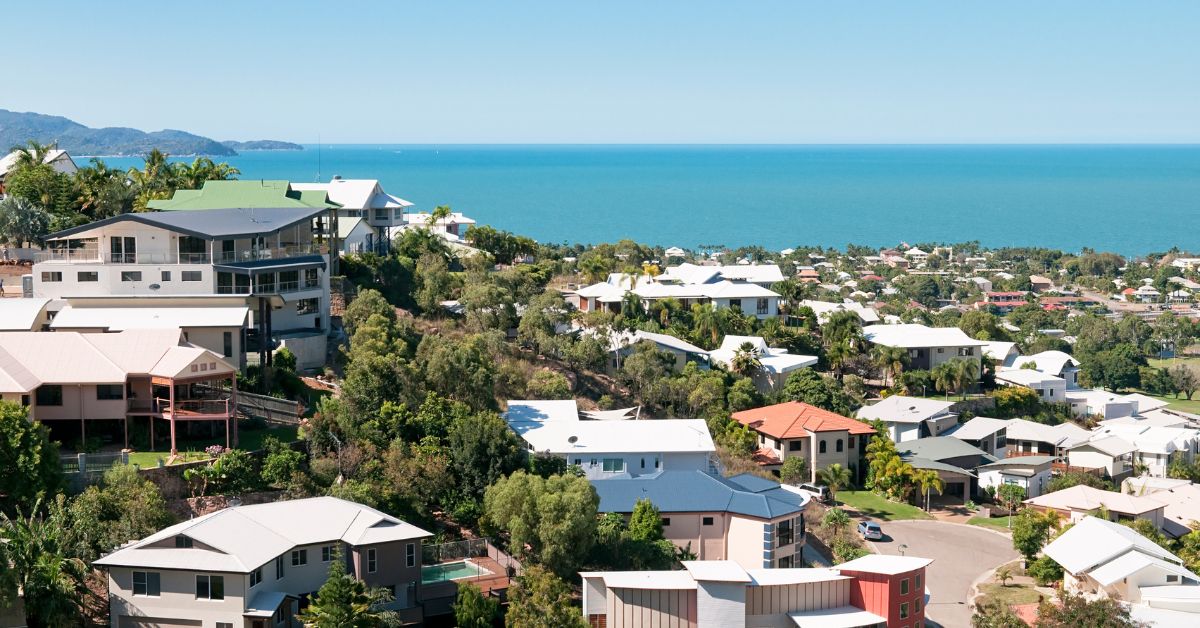
Urban coastal neighborhood with modern homes and ocean view, representing factors considered in urban property appraisals
Rural vs. Urban Appraisals: Why They’re Completely Different Beasts

Rural vs Urban Appraisals: Why Being Local Makes All the Difference

When people hear the word appraisal, they often picture a clipboard, a calculator, and a real estate pro measuring square footage.

But did you know that a downtown condo and a farmhouse with a barn need totally different approaches?

That’s because urban and rural appraisals aren’t just about location, they’re about two completely different ways of thinking about value.

City Living: Urban Appraisals at a Glance

In the city, appraisers are spoiled (kind of). There’s a high volume of recent sales, meaning:

  • You can find comparable properties (comps) within a few blocks.
  • Square footage, number of bedrooms, and condo amenities drive value.
  • Adjustments are minimal—because everything’s similar.

Example:
Appraising a 2-bed condo in downtown Chicago?
You’ll likely find 5+ sales in the same building within the last year. Easy peasy.

Country Life: The Rural Appraisal Challenge

Now let’s head to the countryside.

Fewer homes. Fewer sales. More variables. Welcome to rural appraising.

  • You might have to go 10–20 miles to find comps.
  • You’re not just valuing the house—you’re valuing the land, outbuildings, septic systems, and even well access.
  • Adjustments get creative (and must be defensible).

Example:
You’re appraising a 10-acre ranch with a pole barn, private lake access, and a partially finished second structure.
Good luck finding a perfect comp. It doesn’t exist.
You’ll need to blend cost, market, and income approaches just to land on a value.

So What Actually Changes?
Factor Urban Appraisal Rural Appraisal
Comps Recent, nearby, similar units Sparse, distant, often imperfect
Value Drivers Square footage, updates, location Land size, ag use, outbuildings, utilities
Methodology Sales comparison w/ tight adjustments Sales + cost approach + HBU logic
Biggest Challenge Standing out in a crowded market Justifying value with limited data
Urban Appraisals = Precision | Rural Appraisals = Flexibility

Think of it this way:

  • Urban appraisal is like playing chess with clear rules and tight strategy.
  • Rural appraisal is like building a puzzle when some pieces are missing and you have to carve a few yourself.
It takes skill. And patience.
Appraisers Need Local Smarts

A rural property can’t be appraised by just any appraiser.

You want someone who:

  • Understands agricultural land and zoning
  • Knows the value of things like fencing, grain silos, or livestock buildings
  • Can defend comps that are 18 months old and 15 miles away

Urban appraisers, meanwhile, live and breathe neighborhoods, walkability, and micro-markets.

Both roles are skilled—but they’re very different games.

FAQ

Q: Why are there fewer comps in rural areas?
A: Simply put—fewer properties and fewer transactions. Some towns might only see a handful of sales a year.

Q: Can you use comps from other counties in rural appraisals?
A: Sometimes, yes. As long as the market dynamics are similar and it’s justified.

Whether you’re buying in the heart of the city or out where the nearest neighbor is a mile away, understanding how appraisals work can make all the difference in your negotiations and investment decisions. By knowing what factors matter most in both rural and urban settings, you’ll be better prepared for your next property transaction.

If you’re ready to explore your property’s true market value, connect with our Chicago, Dallas and Philadelphia appraisal experts today. You can also dive deeper into related topics like how zoning can change property value and what factors influence a home appraisal to strengthen your real estate knowledge.

Could You Afford These 2024 Luxury Homes? Here’s What Your Monthly Payment Would Look Like

2024 luxury home affordability: Aspen high-end home

“Ever wondered what it costs to own a $200 million mansion? Sure, buying a mega-mansion is reserved for billionaires—but what if you somehow hit the jackpot? Would your paycheck cover the monthly mortgage?”

Let’s break down the most expensive homes sold in 2024 and see if you (or anyone besides a billionaire) could actually afford the payments. Spoiler alert: It’s insane.

1. Malibu, CA – $210 Million

Location: Malibu, CA
Sold For: $210,000,000
Mortgage Breakdown (30-year fixed loan at 6.5%):

20% Down Payment: $42 million
Loan Amount: $168 million
Monthly Payment: $1.06 MILLION
Property Taxes (~1.1% in CA): $192,500 per month
Home Insurance & Maintenance: $50,000+ per month

Reality Check: You’d need to make $20 million per year just to cover this home’s mortgage, taxes, and maintenance!

And that’s before you hire a full-time staff, security team, and pool boy.

2. Palm Beach, FL – $152 Million

Location: Palm Beach, FL
Sold For: $152,000,000
Mortgage Breakdown:

20% Down Payment: $30.4 million
Loan Amount: $121.6 million
Monthly Payment: $770,000+
Property Taxes (~1.3% in FL): $165,000 per month
Private Yacht Dock + Staff Costs: $50,000 per month

Reality Check: Florida has no state income tax, which helps… but you still need at least $12M-$15M per year just to cover the basics.

Hope you don’t mind skipping Starbucks.

3. NYC Penthouse – $135 Million

Location: Manhattan, NY
Sold For: $135,000,000
Mortgage Breakdown:

20% Down Payment: $27 million
Loan Amount: $108 million
Monthly Payment: $685,000+
Property Taxes (~1.6% in NYC): $180,000 per month
HOA Fees & Luxury Concierge: $20,000+ per month

Reality Check: Living in a five-story penthouse with a rooftop pool sounds amazing, but good luck finding street parking when your driver’s off duty.

4. Aspen, CO – $77 Million

Location: Aspen, CO
Sold For: $77,000,000
Mortgage Breakdown:

20% Down Payment: $15.4 million
Loan Amount: $61.6 million
Monthly Payment: $390,000+
Property Taxes (~0.5% in CO): $32,000 per month
Ski Resort Maintenance & Private Staff: $50,000 per month

 Reality Check: This is probably the cheapest home on this list, but you’ll still need $6M+ per year just to keep up with the mortgage, taxes, and staff.

At least your winters will be epic!

5. Carpinteria, CA – $96 Million

Location: Carpinteria, CA
Sold For: $96,000,000
Mortgage Breakdown:

20% Down Payment: $19.2 million
Loan Amount: $76.8 million
Monthly Payment: $485,000+
Property Taxes (~1.1% in CA): $88,000 per month
Coastal Maintenance & Security: $35,000 per month

Reality Check: If you can afford this, you’re probably rubbing shoulders with Oprah and Ellen.

But even billionaires think twice before paying half a million per month on a home.

So… Could You Afford One of These Homes?

Unless you’re a tech billionaire, oil tycoon, or royalty, the answer is probably not. But it’s fun to dream, right?

Which one would YOU choose if money wasn’t an issue?

Drop your dream home in the comments!

Curious about how much home you can afford? Use our affordability calculator to estimate your potential monthly payments and explore luxury properties within your budget.

NEWSLETTER

Knowing a property's true value is key
to making informed real estate decisions

Visit us

7383 Lincoln Ave Suite,
#100 Lincolnwood, IL, 60712