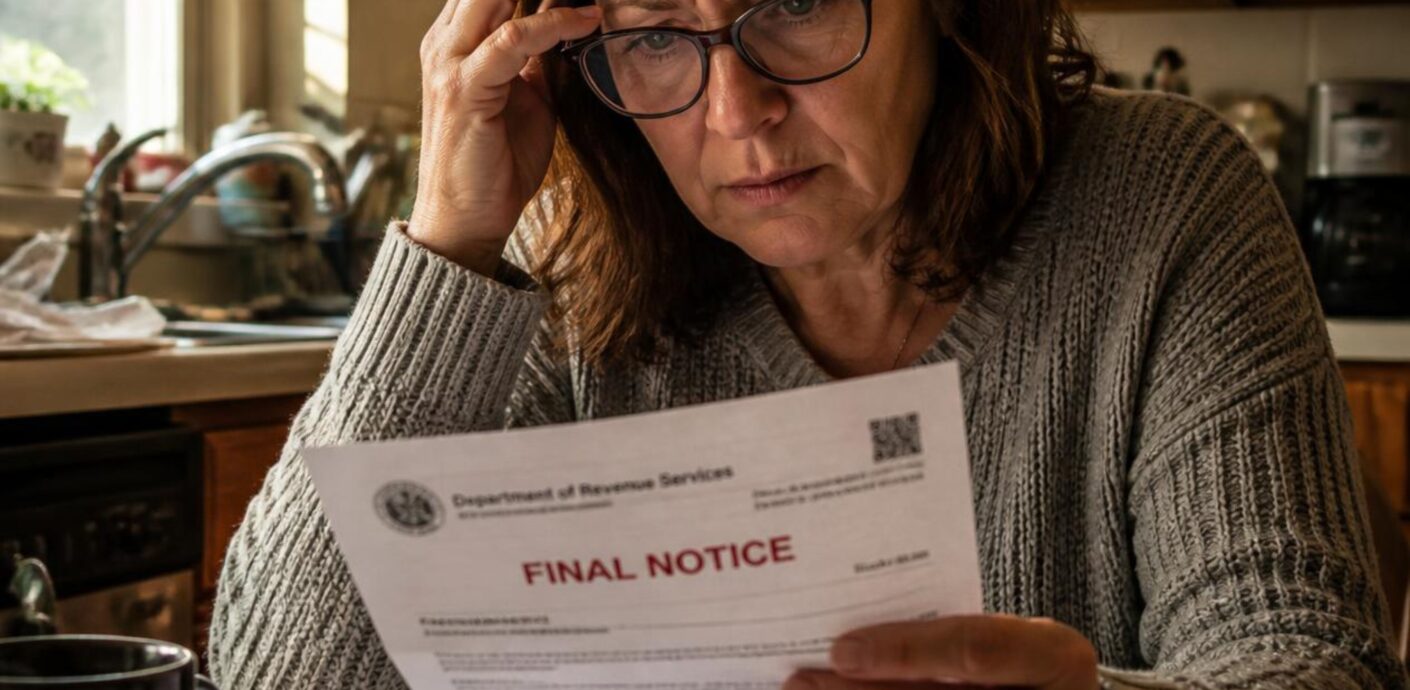
The 2026 south suburbs reassessment is landing in mailboxes, and some of the numbers are startling. Jumps of 30 percent are common in reassessment years, and some properties see far more. Before you accept a number that will follow you for three years, it is worth understanding how it was produced and how to test it.
- Why the 2026 reassessment matters through 2028, not just this year
- How mass appraisal produces large jumps, and where it goes wrong
- When an independent appraisal justifies a formal appeal
What the 2026 South Suburbs Reassessment Actually Sets
Cook County reassesses one third of the county each year on a triennial cycle. In 2026, it is the turn of the south and west suburban townships. The Cook County Assessor’s assessment calendar shows townships opening on a rolling schedule, with reassessment notices mailed as each township opens. The value on that notice becomes the base for the 2026 through 2028 tax years unless it is successfully challenged.
That three-year reach is the point people miss. An inflated 2026 value does not just raise one bill. It compounds across three billing cycles, and reassessment generally wipes out prior relief, so reductions won in earlier appeals reset to zero.
Why the Jumps Are So Large This Cycle
The south and west triad was last reassessed in 2023, a cycle remembered for steep increases and well-publicized errors. Three years of market movement now gets recognized all at once. That is why a 30 percent jump can appear even when nothing about the property changed. On top of that, 2025 closed with some of the largest tax increases in county history. The average residential bill rose around 16 percent as falling commercial values shifted burden onto homeowners.
So a large 2026 increase sits on top of an already elevated bill. The reassessment itself does not set your tax, but it sets your share of it. If your value rose faster than your township’s overall, your share grows.
Mass Appraisal Gets Averages Right and Individual Properties Wrong
The Assessor values hundreds of thousands of parcels with statistical models, not property-by-property inspections. Mass appraisal is a legitimate technique for that job, but it works from recorded characteristics and neighborhood-level trends. It cannot see deferred maintenance, a functionally awkward floor plan, or the busy arterial road behind your lot line. It also inherits data errors: wrong square footage, wrong classification, improvements that no longer exist.
That gap between the model and the property is exactly what an appeal tests. The question is never whether values rose in your township. They did. The question is whether your specific number reflects what your specific property would sell for.
When a 30 Percent Jump Deserves a Second Opinion
Not every increase warrants a fight. A single-point appraisal of every reassessed parcel would waste money, and some new values are simply accurate. But a few situations justify independent review. The new value implies a sale price the local market cannot support. Similar nearby properties carry meaningfully lower assessments. The characteristics on file are wrong. Or the parcel is income-producing and the implied value ignores actual rents and vacancy. In those cases, an independent appraisal gives you a defensible market value to measure the assessment against. It is developed to USPAP standards, not modeled from averages.
For commercial owners, the stakes multiply. Larger assessed values, higher assessment levels, and three years of exposure mean even a modest percentage error carries six-figure consequences over the triennial.
Act Inside the Window, Because It Closes Fast
Each township’s appeal window opens when its notices mail and closes on a firm deadline. The first stop is the Assessor’s office, then the Board of Review. Windows roll through the fall, and once your township closes, the next chance is a year away with the new value already locked in. So the sequence is simple. Check your notice against reality when it arrives. Get an independent read on value if the number looks wrong. Then file inside your township’s window with evidence attached. Our breakdown of the 2026 Cook County reassessment walks through what that evidence should look like.
Did your new assessment pass the sniff test?
A 2026 value follows you through 2028. PahRoo delivers an independent appraisal that tells you whether the number holds up, before your appeal window closes.
Frequently Asked Questions
Why did my Cook County assessment increase in 2026?
If your property is in the south or west suburbs, 2026 is your triennial reassessment year. The Assessor updated your value to reflect three years of market change since 2023. That is why increases arrive all at once rather than gradually.
How often does Cook County reassess property?
Every three years. The county is divided into three sections, and one is reassessed each year. The south and west suburbs are reassessed in 2026, and those values generally apply through 2028.
What townships are reassessed in 2026?
The townships of the south and west suburban triad. Each township opens on a rolling schedule through the year, and the Cook County Assessor’s website lists mailing dates and appeal deadlines for each one.
Should I appeal a reassessment?
Appeal when the new value exceeds what your property would realistically sell for. Also appeal when comparable properties are assessed lower, or when the county’s records about your property are wrong. An independent appraisal is the cleanest way to test the number first.
Does an appeal lower my taxes for all three years?
A successful appeal reduces the assessed value that carries through the triennial, so relief won in 2026 generally benefits the 2027 and 2028 bills too. You can also appeal again in the following years if grounds remain.
Independent Valuation for the 2026 Cycle
PahRoo Appraisal & Consultancy provides independent residential and commercial appraisals across Cook County, supporting owners, attorneys, and CPAs through reassessment years. For context on how heavy appeal volume has reshaped the process, see our analysis of record Cook County appeal filings. Or start with our property tax appeal FAQs.