
Tag: Buyer and Investor Tips

Request a quote

Our blog

Latest news
& events

Signs of Stability in Real Estate 2025: Trends and Insights

The signs of stability in real estate 2025 are becoming clear, offering guidance for buyers, sellers, and investors amid shifting demand. Economic pressures, regional variations, and changing buyer behavior are shaping today’s market. Fortunately, understanding these patterns can help stakeholders make informed decisions. In this article, we explore key indicators of stability and their implications for the housing market.

Economic Overview

The Greater Philadelphia economy saw a slight increase in unemployment to 4.2% for the 12 months ending February 2025, but it remains 30 basis points below the national average.

Nonfarm payroll employment grew by 0.9% annually, maintaining growth for nearly four years, driven primarily by the Education and Health Services sector, the largest industry in the region.

Office-using employment declined slightly by 0.2% annually, with a monthly average decrease of 0.3% since October 2024, following a 1.5% increase in Q3 2024. Overall, office-using employment dropped by about 1,400 jobs year-over-year.

Leasing Market Fundamentals

Leasing activity in Q1 2025 totaled approximately 1.4 million square feet, below the 5-year first-quarter average of 1.7 million square feet.

The market experienced positive net absorption of 112,075 square feet in Q4 2024, the first positive absorption since Q3 2022, mainly driven by suburban submarkets like Blue Bell/Plymouth Meeting and Exton/Malvern. The city of Philadelphia saw negative absorption during the same period.

No new office deliveries occurred in Q1 2025. The only office building under construction is the Chubb Insurance Headquarters, expected to deliver in early 2026. Three life sciences buildings are also under construction and are expected to deliver next quarter, all located in the Central Business District (CBD).

Tenant Demand and Leasing Trends

The largest leases signed in Q1 2025 were a mix of urban and suburban locations, involving tenants from legal, technology, and innovation sectors, such as Duane Morris (195,757 SF) and FS Investments (117,000 SF).

Office demand represents 3.7% of Philadelphia’s total inventory and 1.7% of suburban inventory, driven by key industries including Legal, Finance, Insurance, Real Estate, and Healthcare.

Tenants are showing a preference for lease renewals over relocations, while landlords are increasing incentives to attract and retain tenants.

Rental Rates and Vacancy

Asking rents slightly declined in Q1 2025 to $30.78 per square foot but remain historically stable with minimal year-over-year fluctuations.

Class A and Class B rents decreased by 79 and 76 basis points, respectively, this quarter, after previous quarters of rent growth. Class A spaces continue to command higher rents and have lower vacancy rates (150 basis points less) than Class B, indicating stronger demand for higher-quality office space.

Vacancy rates have remained stable at around 20.2% over the last eight quarters, reflecting a balance between supply and demand.

Market Challenges and Outlook

Lease terminations by federal agencies, such as the Securities and Exchange Commission and the Department of Education, have created vacancies totaling over 97,000 square feet, adding uncertainty to the government office sector in Philadelphia.

Despite challenges, positive absorption and steady leasing activity suggest employers remain committed to in-person work, and the office market is showing signs of stabilization.

The office construction pipeline is limited, with only one office building underway, which may help maintain the supply-demand balance in the near term.


In summary, the Greater Philadelphia office market in Q1 2025 is characterized by modest economic growth, slight declines in office-using employment, stable but slightly softened rental rates, positive net absorption driven by suburban submarkets, and tenant preference for lease renewals. The market shows resilience amid some government lease terminations and limited new office supply, indicating cautious optimism for continued recovery.
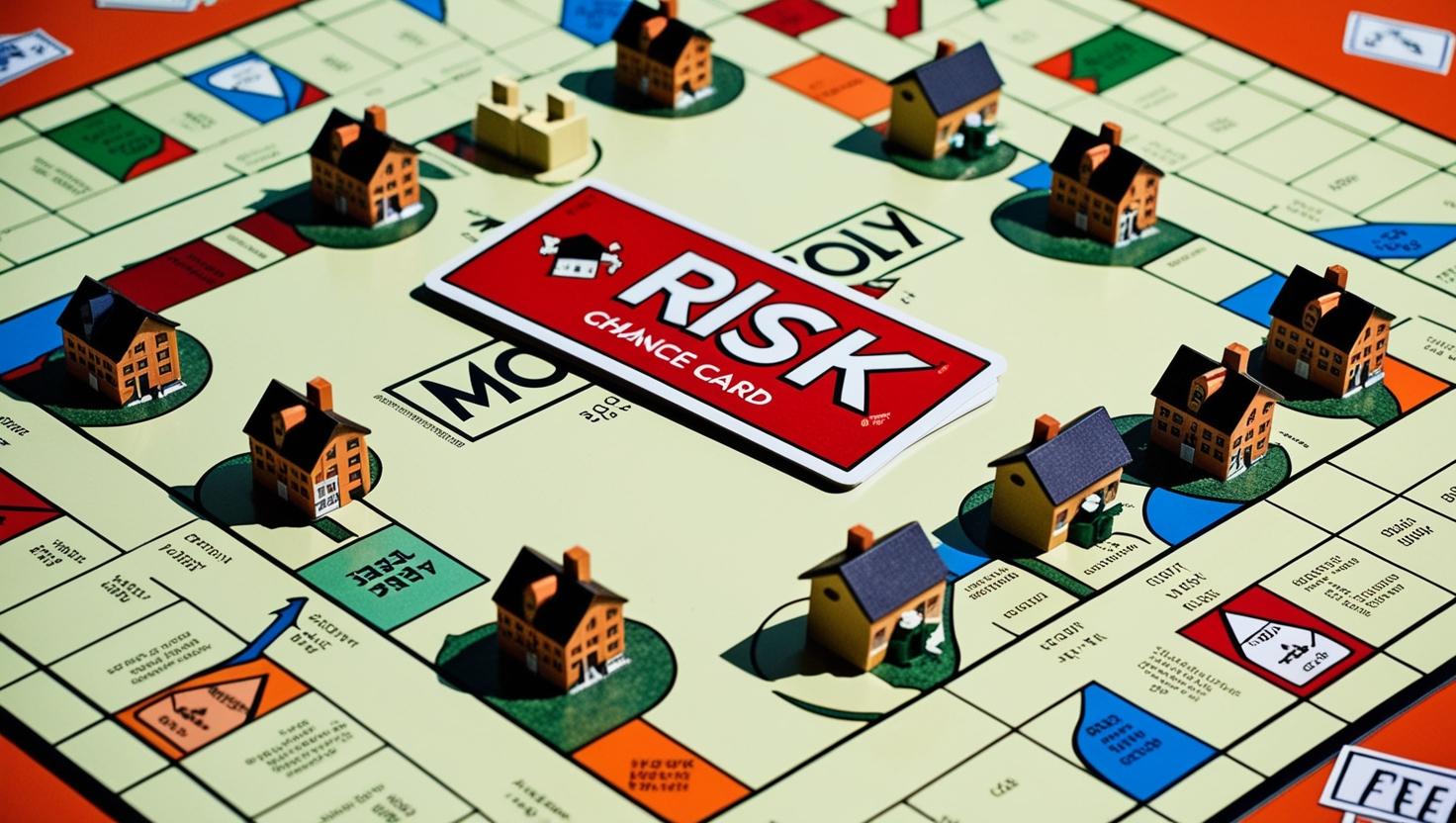
Real Estate Investment Mistakes to Avoid (And How to Invest Smarter!)

Investing in real estate is one of the best ways to build wealth, but it’s not without risks. Many investors make costly mistakes that could have been avoided with proper planning and research. Whether you’re a first-time investor or looking to expand your portfolio, knowing what NOT to do is just as important as knowing what to do.

Here are the biggest real estate investment mistakes to avoid:

1. Skipping Due Diligence

The Mistake: Not researching the property, neighborhood, or market trends before investing.

Why It’s a Problem: Without proper research, you may overpay, buy in a declining market, or face unexpected legal and structural issues.

What to Do Instead:

  • Research local market trends, property values, and rental demand.
  • Get a home inspection to uncover potential issues.
  • Check zoning laws and property history.
2. Overestimating ROI

The Mistake: Assuming your investment will always appreciate or generate high rental income.

Why It’s a Problem: If your expectations are unrealistic, you could end up with lower cash flow or even losses.

What to Do Instead:

  • Run the numbers with realistic rental income and expense projections.
  • Factor in vacancy rates and potential repairs.
  • Compare similar properties in the area to set reasonable expectations.
3. Ignoring Hidden Costs

The Mistake: Only considering the purchase price and mortgage without factoring in additional costs.

Why It’s a Problem: Expenses like property taxes, insurance, repairs, and maintenance can quickly add up and eat into your profits.

What to Do Instead:

  • Create a detailed budget including property management fees, maintenance, HOA fees, and taxes.
  • Have a reserve fund for unexpected expenses.
4. Not Having an Exit Strategy

The Mistake: Investing without a clear plan for selling or exiting if the market shifts.

Why It’s a Problem: Markets can change, and if you’re not prepared, you could end up stuck with an underperforming asset.

What to Do Instead:

  • Decide whether you’re flipping, renting, or holding for long-term appreciation.
  • Have multiple exit strategies in case your initial plan doesn’t work out.
5. Choosing the Wrong Financing

The Mistake: Taking on a risky loan or over-leveraging your investment.

Why It’s a Problem: High-interest loans, adjustable-rate mortgages, or too much debt can lead to financial struggles if the market shifts.

What to Do Instead:

  • Compare mortgage options and choose the right loan for your investment strategy.
  • Keep your debt-to-income ratio in check.
  • Work with a financial advisor to ensure smart financing decisions.
6. Underestimating Property Management

The Mistake: Thinking you can manage everything yourself without considering time and expertise.

Why It’s a Problem: Poor property management can lead to unhappy tenants, high turnover, and expensive maintenance issues.

What to Do Instead:

  • Decide if you’ll manage the property yourself or hire a property management company.
  • Set up systems for tenant screening, rent collection, and maintenance requests.
7. Letting Emotions Drive Decisions

The Mistake: Buying a property because you “love it” instead of analyzing the numbers.

Why It’s a Problem: Emotional decisions can lead to overpaying or choosing a property that doesn’t provide a good return.

What to Do Instead:

  • Focus on profitability and market data, not personal preference.
  • Stick to your budget and investment criteria.
8. Not Diversifying Your Portfolio

The Mistake: Investing all your money into one property or market.

Why It’s a Problem: If the market declines or a tenant leaves, your income could suffer.

What to Do Instead:

  • Consider investing in different types of properties (residential, commercial, multi-family, etc.).
  • Look at different geographic locations to reduce market risk.
9. Neglecting Legal & Tax Considerations

The Mistake: Not structuring your investments properly or misunderstanding tax implications.

Why It’s a Problem: Poor legal setup can lead to liabilities, and tax mistakes can result in penalties or lost deductions.

What to Do Instead:

  • Set up an LLC or legal entity for liability protection.
  • Work with a real estate tax professional to maximize deductions and stay compliant.
10. Rushing the Purchase

The Mistake: Jumping into an investment without properly evaluating the deal.

Why It’s a Problem: Impulse buys can lead to bad deals, overpriced properties, and regret.

What to Do Instead:

  • Take your time to analyze the deal, market trends, and potential risks.
  • Get a second opinion from a trusted real estate expert.

Real estate investing can be highly profitable, but only if you avoid these common mistakes. The key is to educate yourself, do your research, and plan for different scenarios.

Avoiding common real estate investment mistakes is crucial for building long-term wealth. By educating yourself and making informed decisions, you can navigate the complexities of the market and achieve your investment goals.

Ready to make smarter investment choices? Contact PahRoo Appraisal & Consultancy today for expert insights and accurate valuations tailored to your needs.

NEWSLETTER

Knowing a property's true value is key
to making informed real estate decisions

Visit us

7383 Lincoln Ave Suite,
#100 Lincolnwood, IL, 60712