
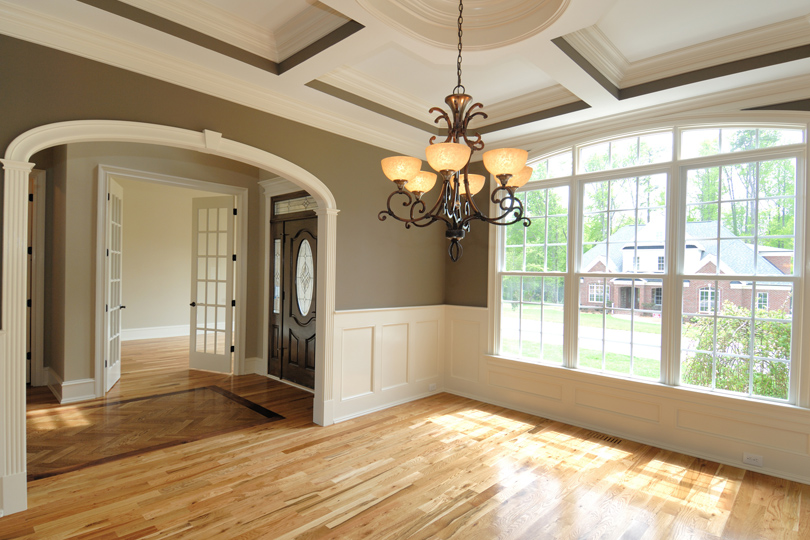
In Chicago, a new kitchen can come with two bills: the contractor’s and the assessor’s. That second bill surprises people, and so does the four-year tax break that can soften it. Between the city’s century-old housing stock and Cook County’s permit-driven assessment system, the renovations that add value in Chicago follow different rules than the national lists suggest. Here is how an appraiser reads them.
- Which projects pay off in bungalows, two-flats, and greystones specifically
- How your building permit reaches the assessor, and why 2027 matters
- How the Home Improvement Exemption shields up to $75,000 of added value for four years
The Renovations That Add Value in Chicago’s Housing Stock
National remodeling lists assume a generic suburban house. Chicago is not that. Much of the city is brick bungalows, two-flats, and greystones built about a century ago, and that stock rewards specific moves.
In the bungalow belt, the money hides above and below the main floor. A dormered attic or a finished basement adds living area to a footprint that cannot grow sideways on a standard city lot. Buyers pay for that space, and appraisers count it when it is permitted and finished to code. In two-flats, the highest-value project is often not cosmetic at all. Bringing a second unit up to legal rental condition adds income the market capitalizes into price.
Age moves systems up the priority list too. In housing this old, updated electrical, plumbing, and roofing carry more weight than they would in a 1990s subdivision, because buyers here price in the risk of hundred-year-old infrastructure. A renovated kitchen sitting on knob-and-tube wiring impresses no one who reads an inspection report. So the national rule holds, only more strongly: function first, then finishes. One more Chicago habit worth keeping: check your own block before budgeting. Values shift street by street here, and the ceiling on a block of frame workers cottages differs from the greystone block two streets over.
The 2026 market raises the stakes on getting this right. Realtor.com’s Market Clock analysis places Chicago among the strongest seller markets in the country this year, with tight inventory across the Midwest. Renovated homes in that environment can command real premiums. But a hot market tempts owners into overbuilding, because everything seems to sell. The block’s ceiling still exists. It just hides better when demand runs high.
Your Permit Is Also a Postcard to the Assessor
Here is the part generic articles skip. In Cook County, building permits flow to the Assessor’s Office, which field-checks the improvement and updates the property’s records. Your renovation reaches the tax roll through the same paperwork that makes it legal. And the timing right now is worth knowing: the City of Chicago is reassessed in 2027 under the county’s triennial cycle, so work finished in 2026 will be on the books when those notices mail.
The wrong lesson to draw is to skip permits. Unpermitted work can be excluded from your home’s finished living area in an appraisal, complicates any sale, and creates exactly the inspection-report risk Chicago buyers already fear. The permit costs you far less than the value it protects. Better to permit the work and use the tax relief the county actually offers.
The $75,000 Tax Break Most Chicago Owners Miss
Cook County’s Home Improvement Exemption lets an owner-occupant improve their home without being taxed on up to $75,000 of the added value for up to four years. No application is required. When the Assessor’s Office receives the building permit and completes its field check, it applies the exemption to eligible properties and mails the owner a notice.
The assessor’s own example makes the math plain. A $100,000 home expands, and the estimated market value rises to $175,000. The added $75,000 is exempt, so the home is assessed as if still worth $100,000 for up to four years. Routine maintenance does not qualify, and the property must be an owner-occupied Class 2 residence. After the exemption period, the added value joins your taxable base. Questions about your specific eligibility belong to the Assessor’s Office or your tax advisor; our lane is the value itself. But every Chicago owner planning a major project should know this program exists before the first wall comes down.
Plan the Project Like an Appraiser Would
Put it together and the Chicago playbook looks like this. Fix the old systems first, because this housing stock punishes deferred maintenance at sale. Add permitted, code-compliant space where your building type rewards it: the attic, the basement, the second unit. Pull the permit, take the exemption, and keep every receipt and sign-off. Then, before committing real money, find out what renovated homes on blocks like yours actually sell for.
A pre-renovation appraisal answers that last question with evidence. It tells you your home’s current value and how much room your block leaves for improvement, so the budget matches what the market will return. In a city where the answer changes every few streets, that is not a luxury. It is the difference between an investment and an expensive surprise.
Renovating a bungalow, two-flat, or greystone?
Find out what your block actually pays for the project you’re planning, from an appraisal firm that has valued Chicago housing stock for over two decades.
Frequently Asked Questions
Will remodeling increase my property taxes in Chicago?
It can. Building permits in Cook County flow to the Assessor’s Office, which field-checks improvements and updates the property’s assessed value. The Home Improvement Exemption softens this for owner-occupants by exempting up to $75,000 of added value for up to four years, after which the added value becomes taxable.
What is the Cook County Home Improvement Exemption?
It is a program that lets owner-occupants of Class 2 residential property improve their homes without being taxed on up to $75,000 of the added value for up to four years. The Assessor’s Office applies it automatically after receiving the building permit and field-checking the work, so no application is needed.
Should I skip permits to avoid a higher assessment?
No. Unpermitted work may be excluded from your home’s finished living area in an appraisal, creates problems at sale, and raises red flags on inspection reports. Permitting the work and using the Home Improvement Exemption protects far more value than avoiding the assessor ever could.
Which renovations add the most value in Chicago?
In Chicago’s older stock, updated systems come first, since buyers discount homes with century-old wiring, plumbing, or roofs. After that, permitted space additions suit the building type: dormered attics and finished basements in bungalows, and legal second units in two-flats. Value varies block by block, so local comparable sales should guide the budget.
Should I get an appraisal before renovating my Chicago home?
For a major project, yes. A pre-renovation appraisal establishes your current value and shows what renovated homes on similar blocks sell for, so you can size the budget to your street’s actual ceiling before construction starts.
Two Decades of Valuing Chicago’s Bungalows and Two-Flats
PahRoo Appraisal & Consultancy has appraised Chicago-area homes for more than twenty years, led by an appraiser holding both MAI and SRA designations. For the national picture on which projects recover their cost, read our companion piece on property updates that add value, or request a residential appraisal before your next project breaks ground.