Tag: Chicago housing market

Request a quote

Our blog

Latest news
& events

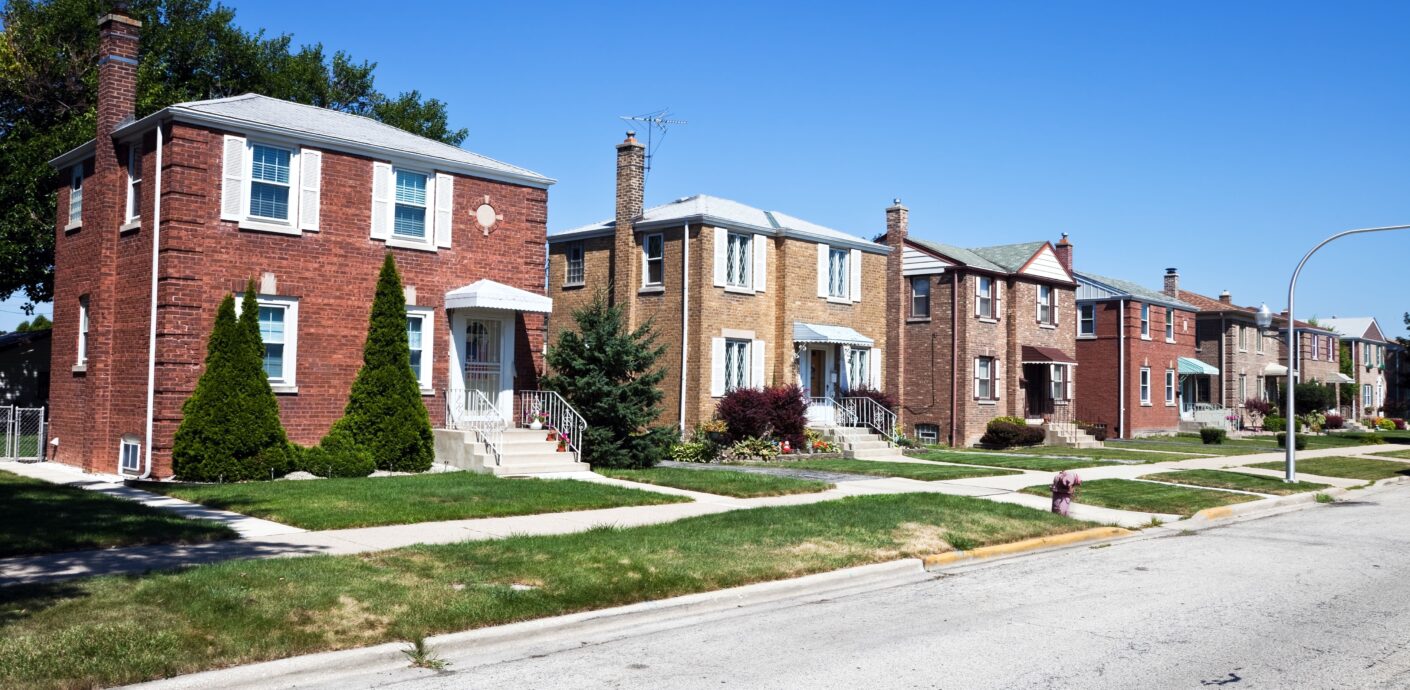
Chicago housing market in June 2026, single-family homes and condos on a residential street.
Chicago Housing Market: June 2026 Update

The Chicago housing market gave a split signal in June 2026. Single-family prices kept rising, yet buyers found more room to negotiate than they had all spring. Condos moved the other way and quietly firmed up. If you need to know what a Chicago home is worth right now, the direction of prices is only half the story.

By the end of this article, you’ll know:

  • Where single-family and condo prices landed in June 2026
  • Why cheaper mortgages have not brought buyers back
  • What the widening gap between asking and sale prices means for your home’s value

What the Chicago Housing Market Did in June 2026

The short version: both sides of the market got smaller. Active inventory fell about 9% from a year ago in each segment. Sellers listed fewer homes, and buyers signed fewer contracts. Still, this is not a buyer’s market by the usual measure.

Months of supply sat near 1.3 in both segments. A balanced market usually runs 4 to 6 months. At 1.3, homes remain scarce, and that scarcity is still doing most of the work holding prices up. The average 30-year fixed mortgage rate came in at 6.49% for the month, down from 6.82% a year earlier. For a running read on where that benchmark sits, Freddie Mac publishes the national average weekly.

So the headline is simple. Fewer homes, fewer buyers, prices still supported by short supply. The detail underneath is where it gets interesting, and it is the part that shapes what your Chicago home is actually worth today.

Single-Family Prices Kept Climbing, But Buyers Gained Ground

Single-family homes carried the appreciation story. The median sale price rose 5.2% year over year to $406,792. List prices climbed 6.3%, and new-listing prices rose 6.9%. When all three price points move together like that, it points to real, supply-driven value rather than a fluke in the data.

But look inside the quarter and the picture softens. In May, single-family homes sold at about 3% under asking. By June, that gap widened to roughly 7%. The share of listings that cut their price rose from 25.4% to 27.2%. Homes still sold, and they still sold at a steady pace of about 36 days on market. Buyers simply had more bargaining power at the closing table than they did sixty days earlier.

One month does not make a trend. Sellers won the year. They gave back a little ground in June, and that is the number I would watch through the summer.

Condos Moved the Other Way

The condo and townhome segment did the opposite. List prices were essentially flat year over year, off a hair at 0.3%. Yet the units that actually sold went for 4.3% more than a year ago, at a median of $318,700. The gap between asking and sale prices narrowed from about 9% to about 4%, and fewer sellers cut prices than last year.

Read that carefully, though. Part of the improvement reflects which condos sold, not a bidding frenzy. Better-positioned units made up more of the closed deals. So the segment looks firmer than last June, but I would not call it hot.

One more note on condos. These figures leave out HOA dues. The true monthly cost of owning a condo runs higher than the sticker suggests, so keep that in mind any time you compare a condo to a house.

Why Cheaper Mortgages Have Not Brought Buyers Back

Here is the puzzle of 2026 so far. Mortgage rates fell, and demand fell anyway. The 33-basis-point drop from last June saved a buyer roughly $88 a month on a loan near the median single-family price. That is real money, but it did not pull more people into the market.

The reason sits in the spread. The gap between the Federal Reserve’s policy rate and the 30-year mortgage rate has stayed wide. So even when the Fed eases, borrowers feel only a watered-down version of the relief. Cheaper money, in other words, has not turned into more buyers. For anyone waiting on rates to rescue the market, June offered little comfort.

How to Price a Chicago Home in This Market

If you are selling a single-family home, price to June, not to spring. Contracts are landing about 7% below asking, so an ambitious list price will likely draw a price cut instead of a fast offer. If you are buying, you have more negotiating room than you did earlier in the year, especially on houses that have been sitting.

And if you need a number you can defend, the list-versus-sale gap is exactly why a current appraisal beats a guess. Automated estimates and stale list prices miss the softening that showed up in June. A divorce settlement, an estate filing, a property tax appeal, or a refinance all turn on an accurate value, not an asking price. That is the work our team does every day across Cook County and the surrounding suburbs.

Know What Your Chicago Home Is Really Worth

Markets shift month to month, and asking prices lag reality. Get an independent, USPAP-compliant appraisal from a local team that reads this data every week.

Request a Chicago Appraisal

Frequently Asked Questions

Are Chicago home prices going up or down in 2026?

Single-family prices are still rising, up about 5.2% year over year as of June 2026, mostly because inventory is scarce. Condo prices look flatter on paper but firmer among the units that actually sold. Within the spring quarter, though, single-family buyers gained negotiating room as the gap between asking and sale prices widened.

Why are Chicago homes selling below their asking price?

In June 2026, single-family homes sold at roughly 7% under list, up from about 3% in May. Sellers set asking prices for spring conditions, and the market cooled a little faster than those prices adjusted. The gap between list and sale price is a normal negotiating spread, and it widened as buyers gained bargaining power.

Did lower mortgage rates help Chicago buyers in 2026?

Rates did fall. The average 30-year fixed rate dropped from 6.82% to 6.49% over the year, saving about $88 a month on a typical loan. Even so, buyer demand fell rather than rose, because the gap between Fed policy rates and mortgage rates stayed wide and diluted the relief.

How many months of housing supply does Chicago have?

About 1.3 months in both the single-family and condo segments as of June 2026. A balanced market usually holds 4 to 6 months of supply. At 1.3, Chicago remains tight, and that scarcity is the main reason prices have held up.

Do I need an appraisal to know my Chicago home’s value?

For a divorce, an estate, a tax appeal, or a refinance, yes. Online estimates and asking prices miss month-to-month shifts like the June softening. An independent, USPAP-compliant appraisal gives you a value you can defend if it is ever questioned.

Need an Independent Appraisal?

PahRoo has valued Chicago-area homes for more than two decades. Whether you need a divorce appraisal, an estate valuation, or help with a property tax appeal, our certified appraisers follow USPAP standards and deliver reports you can stand behind. See our residential appraisal services or learn more about our appraisal services across Chicago, Dallas, and Philadelphia.
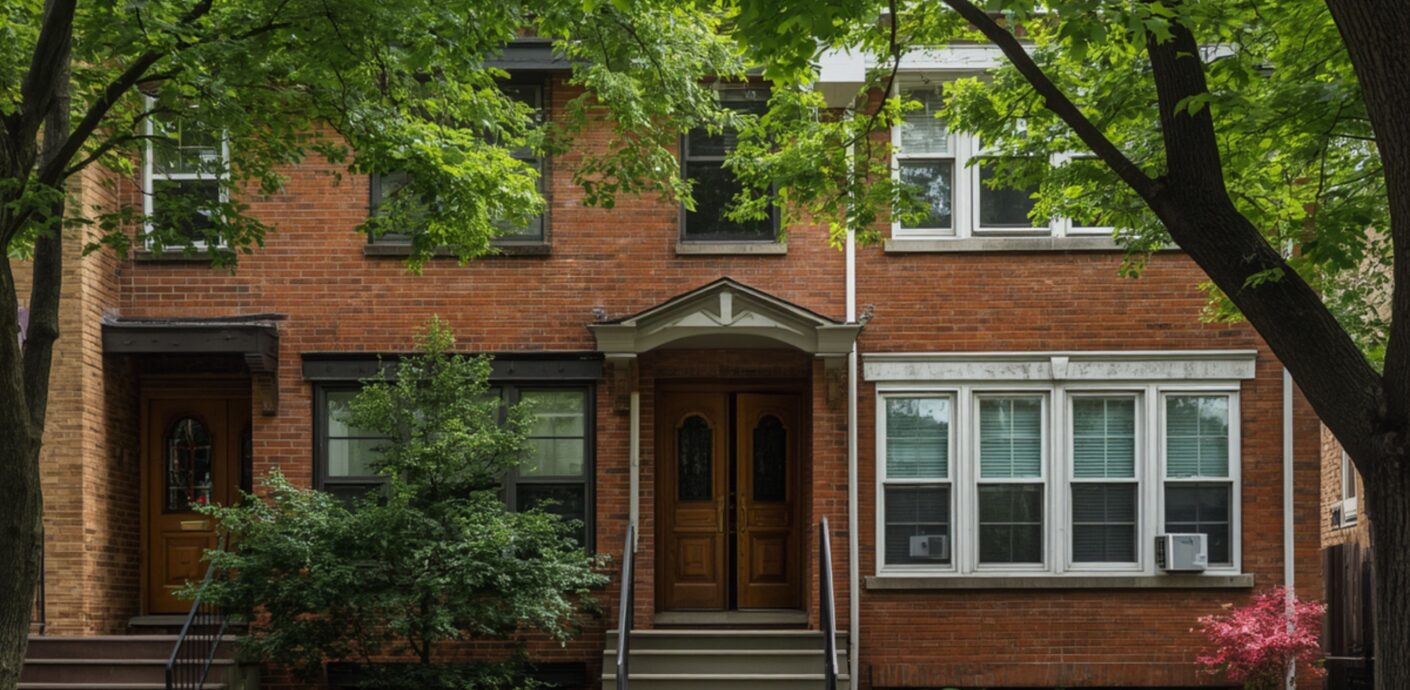

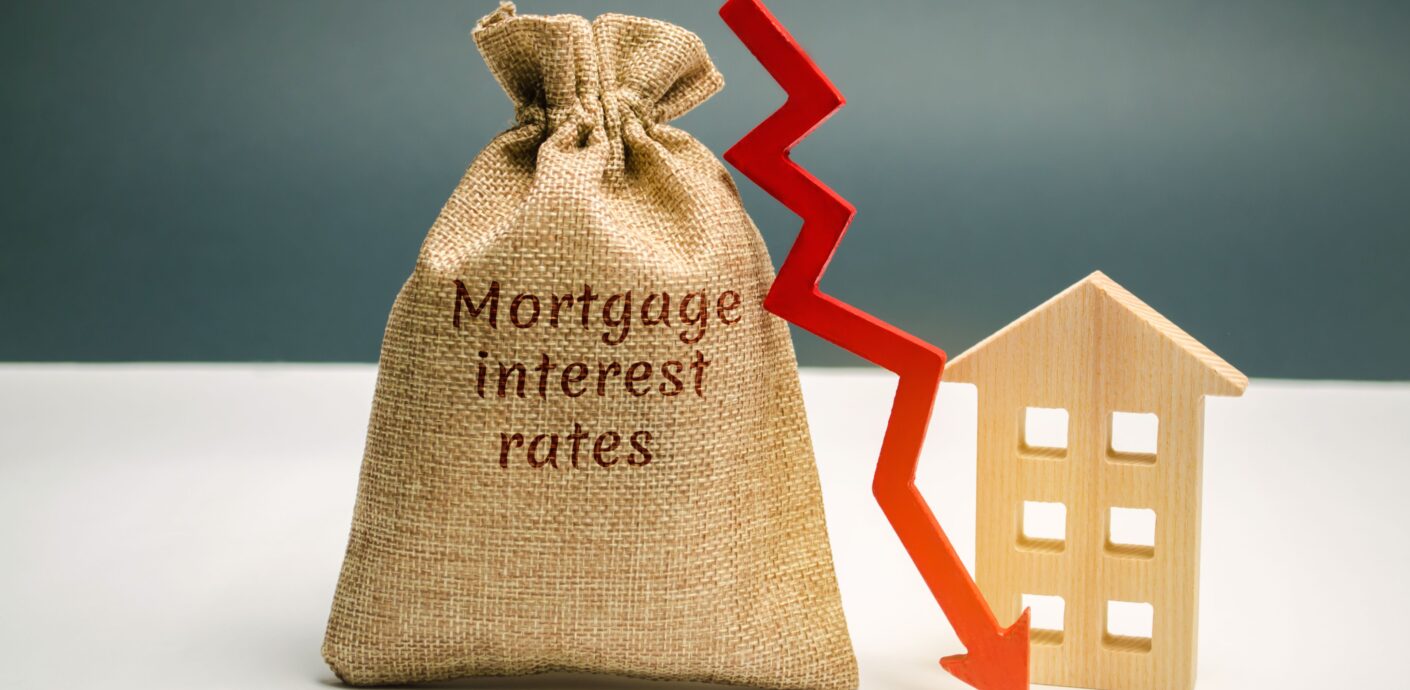
Chicago housing market in June 2026 across city and suburban homes
Chicago Housing Market June 2026: A Four-County Split

There is no single Chicago housing market right now. That is the real story for the week ending 19 June 2026. Step back to the metro view and the picture looks calm and tight: few homes for sale, firm prices, steady sales. Look closer at the county level, though, and four very different markets come into focus. Knowing which one your home sits in matters far more than any citywide headline.

By the end of this article, you’ll know:

  • Why a metro-wide average can mislead you about your own home
  • Which Chicago-area counties have real buyer demand, and which are coasting on scarcity
  • Why a home selling “over asking” may not mean what you think
What the Chicago Housing Market Looks Like Right Now

Start with the wide-angle view. Across the metro, supply is very tight. Single-family homes and condos are both running near 1.4 months of supply, when a balanced market sits at four to six. Prices are up on the year, and condos are leading on demand. So by those headline numbers, it is a seller’s market.

The financing backdrop has a twist, though. The Federal Reserve has cut its policy rate over the past year, but the 30-year fixed mortgage rate has barely followed. It sits around 6.47%, while the federal funds rate is near 3.63%. Freddie Mac tracks that mortgage rate weekly, and the gap between the two is about 284 basis points. That is far wider than the 150 to 200 points that is normal. So the Fed’s cuts are getting stranded before they reach a buyer’s monthly payment.

One Metro, Four Different Markets

Once you split the metro by county, the calm surface breaks apart.

Cook County: firm prices, fading demand. Cook is the dense urban core, and it shows the most uneasy mix. For example, single-family pending sales are down about 11% on the year, and active inventory is down roughly 16%. Yet absorbed prices are up 9.6%. Prices are holding because there is so little to buy, not because buyers are pouring in. In other words, that is a more fragile kind of strength than it looks.

DuPage and Will: the real demand. These two suburban counties are the healthiest in the data. Single-family pending sales are up about 17% in DuPage and 15% in Will on the year, with inventory flat to rising. In short, this is demand-led growth, the kind that rests on people actually buying rather than on empty shelves.

Lake County: a big price number on thin support. Then there is Lake, with the strongest single-family price growth of the four, up 13.8% on the year. But that sits on falling inventory and only modest demand. It looks more like scarcity pricing than a real boom, so treat the figure as a single reading, not a trend.

Condos add one more wrinkle. Condo demand is positive in all four counties. Still, Will is adding condo inventory fast, up about 25% on the year, while buyers there are not keeping pace. Lake’s condo asking prices have dropped sharply too, though that comes from a small sample. Even so, both are early signs of softening at the edges. One note for condo shoppers: these figures leave out HOA dues, which are a real monthly cost and can change the math.

Single-family by the numbers
County Median sold price Price vs last year Buyer demand
Cook $390k +9.6% Down (scarcity holding prices)
DuPage $575k +8.1% Up strongly (demand-led)
Lake $529k +13.8% Modest (scarcity pricing)
Will $419k +4.8% Up strongly (demand-led)
Why “Over Asking” Can Be Misleading

This is where a little appraisal experience pays off. In Cook County, single-family homes show a sold-to-list ratio of 1.09. On the surface that reads as homes selling 9% over asking, a classic bidding-war signal. In fact, it almost certainly is not.

The ratio compares the median sold home to the median listed home, and those are two different baskets of houses. A number above 1.0 usually means the pricier homes are the ones selling while cheaper ones sit. In Cook right now, the affordable stock under about $360,000 is what’s left on the shelf, and the higher-priced homes are clearing. So the figure reflects which homes are selling, not buyers bidding each other up. Read it as a bidding war and you would badly overstate how hot the market really is. Pricing a property, or a loan against one, on that misread is how mistakes happen.

What This Means If You’re Buying, Selling, or Lending

If you’re selling, price to the market, not to a headline. About a quarter of listings in every county are cutting price, even with supply this tight. That tells you sellers are testing high, then trimming. An aspirational asking price tends to sit and then drop. By contrast, a realistic one moves.

If you’re buying, the genuine openings are in the demand-led suburbs, DuPage and Will, rather than in the headline price growth of Cook and Lake that leans on scarcity. In practice, if you’re eyeing a Will condo, the building inventory there may give you room to negotiate.

If you’re lending or valuing collateral, value is steadiest where price growth is demand-backed, which is DuPage and Will single-family. On the other hand, supply-led firmness, as in Cook and Lake, can reverse faster if inventory loosens. So a property-specific residential appraisal is the only way to know where a given home really stands.

For everyone, watch the mortgage spread, not just the Fed. Until the gap between mortgage rates and the policy rate narrows, a cheaper Fed policy will not automatically mean a cheaper mortgage.

Know Your County, Not Just the City

The Chicago housing market headline this week is firm prices and tight supply. That is true at the metro level, but it papers over four counties pulling in different directions. Cook is holding on scarcity. Meanwhile, DuPage and Will are carrying real demand. Lake is posting a big price number that may not hold.

So if you need to know what a specific property is worth in this market, the citywide average will not tell you. The county, the segment, and the individual home will. That is the difference between a number you can lean on and one that just sounds good.

A market headline won’t tell you what your home is worth.

Averages hide as much as they reveal, as this week shows. For a defensible read on your specific property, in your county, talk to PahRoo.

Request an Appraisal

Frequently Asked Questions

Is the Chicago housing market a buyer’s or seller’s market right now?

By the numbers, it’s a seller’s market across the metro. Supply sits near 1.4 months in both segments, well below the four to six months of a balanced market, and prices are up on the year. That said, conditions shift by county, so your local market may feel different.

Why are Chicago home prices rising while sales slow down?

In places like Cook County, prices are holding because there are so few homes for sale, not because demand is strong. When inventory shrinks faster than buyers fade, scarcity keeps prices up even as the number of sales falls.

Which Chicago-area counties have the strongest housing demand?

DuPage and Will lead on genuine demand. Single-family pending sales there are up roughly 15 to 17% on the year, with steady inventory. Cook shows falling demand, and Lake’s strong price growth rests on thin demand support.

Why haven’t mortgage rates dropped along with the Fed’s rate cuts?

Mortgage rates track long-term bond yields and lender risk pricing, not the Fed’s policy rate directly. The gap between the two is unusually wide right now, near 284 basis points, so most of the Fed’s easing isn’t reaching the mortgage rate a buyer actually pays.

If a home sells above asking price, does that mean there was a bidding war?

Not necessarily. A sold-to-list ratio above 1.0 across a whole market often just means the pricier homes are the ones selling while cheaper homes sit. It reflects which homes are clearing, not buyers bidding each other up. You need price-tier data to tell the two apart.

Need a Read on Your Specific Property?

Market reports describe the forest. An appraisal measures your tree. When you need to know what one property is worth, in one county, an independent appraisal gives you a credible, defensible answer.

PahRoo Appraisal & Consultancy, LLC helps homeowners, attorneys, accountants, bankers, and real estate professionals make confident decisions across the Chicago area. Whether you’re weighing a Cook County tax appeal, settling an estate, removing PMI, or navigating a divorce, our team is ready to help.


Chicago Housing Market 2026 showing home prices and inventory trends
Chicago Housing Market 2026: Prices Hold Firm as Demand Softens

Chicago Housing Market: What Week 24 Shows

The Chicago housing market continues to send mixed signals in 2026. Home prices remain resilient, inventory remains historically tight, and sellers continue to hold significant leverage. Yet beneath the surface, a different story is emerging: annual buyer demand is beginning to weaken.

The latest Chicago Metropolitan Statistical Area (MSA) housing data reveals a market that remains supply-constrained but increasingly affordability-constrained as well. While weekly activity improved during Week 24, year-over-year demand metrics suggest that elevated borrowing costs continue to limit transaction volume.

For real estate professionals, lenders, attorneys, and investors, understanding this divergence is essential when evaluating market conditions through the second half of the year.

Home Prices Continue to Rise Despite Demand Headwinds

One of the most notable findings from the latest market data is that prices continue to increase even as buyer activity softens.

Single-family homes recorded a median absorbed price of approximately $407,750, representing a 4.8% increase from the same period last year. Condominiums and townhomes experienced even stronger price growth, with median absorbed prices reaching nearly $324,000, an 8.0% year-over-year increase.

This pricing strength reflects one of the defining characteristics of today’s Chicago market: there simply are not enough homes available for sale.

Limited inventory continues to support values, allowing sellers to maintain pricing discipline despite slower transaction activity.

Inventory Remains Historically Low

Supply remains the foundation supporting today’s market.

Active single-family inventory is down more than 9% compared to last year, while condominium inventory has declined nearly 8%.

Perhaps more important is the months-of-supply metric. Both property segments are operating at approximately 1.3 months of inventory. In comparison, a balanced housing market typically contains five to six months of supply.

This severe shortage means buyers continue to compete for available properties, helping support prices even as affordability challenges reduce the number of active purchasers.

If you are advising clients on lending, estate planning, litigation, or tax matters, a real estate appraisal provides independent market analysis that helps reduce risk and support informed decisions.

Why Buyer Demand Is Beginning to Slow

Although prices remain firm, demand has weakened on an annual basis.

Single-family pending sales are now 4.4% below year-ago levels, while condominium pending sales have fallen 6.7%.

This marks a significant reversal from the stronger demand environment observed earlier this spring.

The primary driver appears to be affordability.

Many consumers expected lower Federal Reserve rates to create meaningful mortgage relief. However, mortgage rates have not declined as much as anticipated. According to data published through the Federal Reserve’s FRED database, mortgage financing costs remain elevated relative to recent monetary policy changes. The spread between mortgage rates and the Federal Funds Rate has widened substantially, limiting the impact of monetary easing on homebuyers.

As a result, financing costs remain elevated despite recent Federal Reserve actions.

What Chicago Housing Market 2026 Trends Mean for Real Estate Appraisals

Understanding the difference between market headlines and actual property value can help you avoid costly assumptions when making lending, legal, or investment decisions. Appraisers analyze local supply, demand, inventory levels, financing conditions, and comparable sales to determine credible opinions of value. As the Chicago Housing Market 2026 continues to show rising prices alongside weakening demand, professional appraisal analysis becomes increasingly important for lending, estate planning, divorce appraisal, tax appeal, and litigation-related decisions.

Monthly Payments Are Higher Than Last Year

One of the most important affordability indicators is not the mortgage rate itself, it is the monthly payment buyers must make. Recent housing research from the National Association of Realtors® continues to highlight affordability as one of the primary constraints affecting buyer activity nationwide.

Despite mortgage rates being slightly lower than a year ago, rising home prices have offset much of the benefit.

For a typical Chicago-area single-family home purchase, monthly principal and interest payments are now estimated to be slightly higher than last year. Condominium buyers have experienced an even larger increase due to stronger price appreciation in that segment.

Simply put, many buyers are paying more each month today than they would have paid a year ago.

This affordability pressure helps explain why annual demand metrics continue to soften even while prices remain strong.

Sellers Still Hold the Advantage

Current market conditions continue to favor sellers.

Several indicators support this conclusion:

      • Inventory remains extremely limited.
      • Months of supply remain well below balanced-market levels.
      • Price reductions have declined year over year.
      • Homes continue to sell close to asking prices.

However, the market is beginning to show subtle signs of adjustment.

New listings entering the market during Week 24 were priced slightly below the existing inventory pool. This suggests some sellers may be recalibrating expectations to align more closely with current buyer affordability constraints.

While this does not signal broad price weakness, it is an important trend worth monitoring during the summer selling season.

What This Means for Buyers, Sellers, and Investors

For Buyers

Affordability remains challenging, but opportunities may emerge as new listings enter the market at more competitive price points. Buyers should pay close attention to properties that have accumulated additional days on market.

For Sellers

Low inventory continues to provide leverage, but realistic pricing is becoming increasingly important. Homes priced in line with current market conditions are likely to outperform those anchored to aggressive expectations.

For Investors

The combination of firm pricing, constrained inventory, and slowing transaction volume favors a disciplined approach. Future appreciation assumptions should be conservative while mortgage financing conditions remain restrictive.

For Lenders and Financial Professionals

The disconnect between Federal Reserve policy and mortgage financing costs remains a key risk factor. Future demand will depend heavily on whether mortgage rate spreads begin to normalize.

The Outlook for the Chicago Housing Market

The Chicago housing market is not weakening in the traditional sense. Prices remain firm, inventory remains scarce, and sellers continue to maintain negotiating strength.

However, annual demand has clearly softened.

The market is transitioning from a supply-driven recovery toward an affordability-driven constraint. Unless mortgage financing conditions improve materially, transaction volume may continue to face pressure even while prices remain supported.

For now, the most likely scenario is a market characterized by limited inventory, stable-to-rising prices, and slower sales activity—a combination that creates both opportunities and challenges for real estate decision-makers throughout the Chicago metropolitan area.

Frequently Asked Questions About the Chicago Housing Market 2026
Question: How does the Chicago housing market affect real estate appraisals?
Answer: Real estate appraisers analyze local market conditions, inventory levels, buyer demand, financing trends, 
and comparable sales to develop credible opinions of value. Rising prices and changing demand patterns can influence 
appraisal conclusions depending on the specific property and market area.
Question: Should attorneys, accountants, and lenders rely on market headlines when determining property value?
Answer: No. Market headlines provide useful context, but property value is determined through detailed analysis of 
comparable sales, market conditions, and property-specific characteristics. A professional real estate appraisal provides 
a more reliable basis for financial, legal, and lending decisions.
Question: Why are home sales slowing if prices are still rising?
Answer: Affordability is the primary factor. Although mortgage rates have eased slightly, higher home prices have increased 
monthly payments for many buyers, reducing overall purchasing activity.

Whether you’re evaluating collateral risk, supporting litigation, planning an estate, or navigating a complex transaction, a professional real estate appraisal provides the independent analysis needed to make confident decisions.

Contact PahRoo Appraisal Consultancy to discuss your appraisal needs in the Chicago metropolitan area.

Speak with an Appraisal Expert

Chicago housing market analysis showing Cook, DuPage, Lake and Will County trends
Chicago Housing Market: Tight Inventory, Uneven Demand

Chicago Housing Market Analysis: Tight Inventory Masks Emerging Market Divergence

The Chicago housing market remains firmly in seller-market territory heading into June 2026, but the underlying story is becoming more complex. While inventory levels remain historically tight across Cook, DuPage, Lake, and Will Counties, demand is no longer moving uniformly across the region.

PahRoo Appraisal & Consultancy’s Week 22 Market Intelligence Report reveals a market increasingly shaped by mortgage-rate pressures, county-level demand shifts, and significant differences between single-family and condominium performance. For lenders, attorneys, accountants, brokers, and investors, understanding these distinctions may be more important than ever.

Inventory Remains Tight Across the Chicago MSA

At first glance, the market appears exceptionally strong. Months of supply remain below 1.2 months across all major residential submarkets, a level traditionally associated with a strong seller’s market.

However, that tightness comes with an important caveat.

Much of the current inventory scarcity is being amplified by reduced listing activity. New listings declined across every county during the Memorial Day holiday week, creating artificially compressed inventory metrics. While year-over-year inventory contraction remains real, current supply figures may overstate market strength.

For appraisal assignments, lending decisions, and acquisition strategies, this distinction matters. Inventory scarcity alone does not guarantee accelerating demand.

Mortgage Rates Are Becoming a Larger Market Driver

One of the most significant developments this week is the widening disconnect between Federal Reserve policy and mortgage borrowing costs.

The effective federal funds rate remained unchanged at 3.62%, yet the average 30-year fixed mortgage rate increased to 6.53%.

This pushed the mortgage spread to approximately 291 basis points above the effective federal funds rate, significantly wider than the historical range of 150–170 basis points. According to the Mortgage Bankers Association, mortgage-rate movements continue to influence affordability, financing costs, and housing market activity nationwide.

The result is a housing market where policy easing is no longer fully reaching borrowers.

For buyers operating near affordability thresholds, even modest increases in financing costs can impact purchasing decisions. As mortgage rates rise, the demand recovery observed earlier this spring appears increasingly vulnerable.

Q: How do mortgage rates affect home values?
A: Mortgage rates influence affordability and buyer demand, which can impact pricing 
trends and market activity over time.
Single-Family Housing Demand Is Splitting by County

Perhaps the most important trend emerging in Week 22 is the growing divergence among single-family housing markets.

Only two weeks ago, all four major county markets were showing positive year-over-year pending sales growth. Today, the picture is mixed:

  • DuPage County pending sales increased 19.4% year-over-year.
  • Will County pending sales increased 24.5%.
  • Cook County pending sales declined 5.7%.
  • Lake County pending sales declined 14.2%.

This shift raises an important question.

Are buyers reacting to higher mortgage rates, or is the decline simply the result of Memorial Day-related transaction disruptions?

The answer remains unclear. Market participants should monitor Weeks 23 and 24 closely before concluding that a broader demand slowdown has begun.

DuPage County Emerges as the Strongest Market

Among all Chicago-area counties analyzed, DuPage County continues to demonstrate the healthiest market fundamentals.

Single-family pending sales increased nearly 20% year-over-year, while condominium demand rose more than 25%.

Inventory remains exceptionally tight, and pricing continues to show resilience. Unlike several neighboring markets, DuPage benefits from broad-based demand growth across both housing segments.

For lenders, investors, and real estate professionals seeking stability, DuPage currently presents the strongest combination of demand, supply discipline, and pricing support.

Cook County’s Housing Market Is Cooling

Cook County remains the dominant force within the Chicago MSA, accounting for approximately 61% of active single-family inventory and 77% of active condominium inventory.

Because of its size, county-level trends often influence perceptions of the entire metropolitan market.

Yet Cook’s single-family market is showing signs of moderation.

Earlier this spring, buyers were regularly paying significantly above asking price. The median absorbed-to-list premium has now narrowed substantially, falling from approximately $44,300 two weeks ago to roughly $19,100 today.

This does not signal weakness.

Instead, it suggests that bidding competition is becoming less aggressive and that buyers may be gaining slightly more negotiating leverage than they had earlier in the year.

Will County Condominiums Show the Clearest Signs of Stress

While most Chicago-area housing segments remain stable, one submarket stands apart.

Will County condominiums continue to display the strongest indicators of market softening.

Inventory has increased 26% year-over-year while pending sales have fallen 22%. At the same time, nearly 28% of listings have undergone price reductions, and median absorbed prices have declined 5.8%.

Taken together, these indicators point toward a genuine supply-demand imbalance rather than temporary market noise.

For buyers, this environment may create attractive negotiating opportunities.

For lenders and appraisal professionals, however, the segment warrants additional caution and careful market support when developing value conclusions.

Q: Is Chicago still a seller's market?
A: Yes. Most Chicago-area submarkets continue to have low inventory levels, although demand varies by 
county and housing type.
What This Means for Real Estate Decision-Makers

The Week 22 data highlights the growing importance of submarket-level analysis.

The Chicago housing market cannot be accurately understood through metro-wide averages alone. Strong demand in DuPage and Will County single-family markets coexists with emerging weakness in Lake County and ongoing softness in Will County condominiums.

For attorneys handling estate, divorce, or litigation matters, market-specific Chicago real estate appraisal services become increasingly important when market conditions vary significantly between counties.

For lenders, widening mortgage spreads and shifting demand patterns may affect collateral risk.

For investors, opportunities remain available, but they are becoming more localized and selective.

Looking Ahead

The most important question entering June is whether recent single-family demand softness in Cook and Lake Counties represents a temporary holiday-week distortion or the beginning of a broader affordability-driven slowdown.

  • If mortgage rates continue rising, housing demand could weaken further across rate-sensitive segments.
  • If rates stabilize or retreat, the demand recovery observed earlier this spring may resume.

For now, the data supports a measured conclusion: inventory remains tight, but demand is no longer moving in one direction across the Chicago metropolitan area.

Successful decision-making will depend on understanding where strength is persisting, where weakness is emerging, and when professional Chicago real estate appraisal services can help support informed decisions.

Make More Informed Real Estate Decisions

Real estate decisions are only as strong as the market data behind them. Whether you’re navigating an estate settlement, divorce, litigation matter, lending decision, investment acquisition, or portfolio review, understanding how local market conditions affect value is critical.

The Chicago housing market is becoming increasingly segmented, with meaningful differences emerging between counties, neighborhoods, and property types. Relying on broad market headlines can lead to costly assumptions.

A certified appraiser can provide the independent market analysis and credible appraisal support needed to make informed decisions with confidence.

Chicago residential appraisal market trends Week 18 across Cook, DuPage, Lake, and Will Counties
Chicago Residential Appraisal Market Trends: Week 18 Analysis
Chicago Housing Markets Are Moving in Different Directions

Chicago residential appraisal market trends for Week 18 show a clear split across the metro area. Cook and DuPage Counties are still showing strong seller-market momentum. Lake and Will Counties are showing more caution, with softer demand and rising supply pressure.

That matters for attorneys, lenders, accountants, brokers, and investors. A broad “Chicago market” view can miss what is really happening at the county level. Accurate real estate appraisals now need local market context, not general assumptions.

Cook County Remains the Strongest Seller Market

Cook County continues to lead the Chicago metro area in demand and pricing strength.

Single-family pending sales increased 10.2% from the prior week and 11.1% from last year. Active inventory fell 12.1% year-over-year, creating one of the tightest supply environments in the region.

Cook County also posted an absorbed-to-list ratio of 1.09x. In plain terms, many well-positioned homes are selling above asking price.

For professionals involved in lending, estate planning, divorce, property tax appeals, or pre-listing strategy, this kind of market requires careful appraisal support. Strong demand can move quickly, and pricing decisions need to be backed by current local data.

Cook County condos and townhomes also performed well. Pending sales rose 21.2% year-over-year while active inventory dropped 14.1%, showing continued buyer interest across multiple residential property types.

DuPage County Shows Strong Demand With Pricing Disconnects

DuPage County had some of the strongest demand growth in the Chicago area during Week 18.

Single-family pending sales rose 32.7% year-over-year. The absorption rate increased 39.1%, and months of supply tightened to 1.24 months. Those numbers point to a strong seller-market environment.

Still, one issue deserves attention.

DuPage reported an absorbed-to-list ratio of 0.76x. That means closed sales were much lower than current listing prices. This does not automatically mean the market is weakening. More likely, it shows a gap between higher-priced active listings and the mid-market homes that are actually closing.

For brokers, lenders, and attorneys, this is where appraisal judgment matters. Active listings alone may not tell the full story. Comparable sales, property class, buyer activity, and price range all need to be reviewed carefully.

DuPage condos also showed a sharp increase in absorbed prices during Week 18. Because condo transaction volume can be thinner, that jump may reflect the mix of properties that sold rather than a broad pricing shift.

Lake County Presents Mixed Market Signals

Lake County is currently one of the harder Chicago-area markets to read.

Several demand indicators weakened during Week 18. Pending sales declined 12.8% from the prior week. Inventory increased. Price reductions rose. Homes also took longer to sell.

At the same time, median absorbed prices moved sharply higher, rising 13.9% from the prior week and 21.3% from last year.

Those two signals do not line up neatly.

The likely explanation is that fewer homes sold overall, but the homes that did sell were concentrated in higher price ranges. That can lift the median absorbed price without proving that the entire market is gaining strength.

This matters in appraisal work. For estate matters, litigation, financing, portfolio reviews, and investment decisions, relying only on headline price growth can create risk. Lake County needs a closer look at the actual sales behind the numbers.

Will County Faces Growing Supply Pressure

Will County is showing the clearest signs of a shift toward buyers.

Active inventory increased 20.0% year-over-year. New listings rose 42.5% year-over-year. The pending-to-new listings ratio fell below parity at 0.90x, and months of supply increased 17.2%.

Unlike Cook and DuPage, Will County is seeing much more supply come onto the market. Demand has not kept up at the same pace.

That can lead to:

      • More buyer leverage
      • More seller concessions
      • Greater pricing pressure
      • Slower absorption
      • More competition among listings

Will County condos are also showing stress. The condo market posted the lowest absorbed-to-list ratio among the counties at 0.84x, which points to larger gaps between asking prices and completed sale prices.

For lenders and investors, this is a market where appraisal accuracy is especially important. Rising supply can affect collateral risk, pricing expectations, and timing decisions.

Mortgage Rates Still Matter

National housing affordability and inventory conditions continue influencing local Chicago-area buyer behavior.

The average 30-year fixed mortgage rate rose slightly to 6.30% during Week 18, according to housing finance data and broader Federal Reserve rate trends. The increase was small, but affordability pressure still affects each county differently.

Cook County remains more affordable compared with higher-priced areas, which helps support buyer activity. Lake and DuPage Counties have higher median absorbed prices, so buyers there may be more sensitive to rate changes.

These affordability differences help explain why county-level trends are starting to move apart.

Why County-Level Appraisals Matter More in 2026

The main takeaway from Week 18 is simple: Chicago is not moving as one market.

Conditions now vary by county in meaningful ways. Demand, inventory, pricing, seller leverage, buyer leverage, and market speed are all changing at different rates.

For attorneys, accountants, lenders, brokers, and investors, this creates real risk if decisions are based only on broad metro data.

A reliable appraisal should reflect the specific market, property type, price range, and current transaction activity. That level of detail helps support stronger lending decisions, clearer litigation support, better pricing strategy, and more confident financial planning.

Chicago Housing Market Outlook for Q2 2026

Cook County remains the strongest seller-market environment in the Chicago region. Low inventory and steady buyer demand continue to support pricing.

DuPage County also shows strong demand, but pricing signals need careful review.

Lake County has mixed indicators, so deeper sales analysis is needed before drawing firm conclusions.

Will County carries the most supply-side risk right now. Inventory growth is outpacing demand, and that could create more pricing pressure if the trend continues.

The next few weeks will show whether these county-level differences widen or settle. For now, local real estate appraisal insight remains essential for anyone making high-stakes property decisions across the Chicago metro area.

Chicago single-family housing inventory trends and appraisal insight March 2026
Chicago Real Estate Appraisal Update: Second Week of March 2026

What the Chicago Housing Market Means for Attorneys, Accountants, Bankers, and Brokers

During the second week of March 2026, the Chicago metro housing market continued to show a familiar pattern: tight supply, stable pricing, and demand that remains sensitive to interest rates. For professionals who rely on real estate appraisal in litigation, lending, estate work, tax matters, and transaction support, this matters because even small market shifts can affect value conclusions and decision quality.

This is not a market where surface-level pricing trends tell the full story. You need appraisal analysis that explains how current supply, buyer behavior, and financing conditions influence property-specific outcomes.

Tight Inventory Continues to Shape Value

The Chicago metro remains a supply-constrained market. The report shows about 7,615 single-family homes and 3,956 condominiums on the market, for total inventory near 11,570 properties, which is roughly 2.3% below last year.

For you, that has direct appraisal implications.

When supply remains limited, comparable sale selection becomes more important. Fewer relevant comps can increase the significance of adjustment support, neighborhood context, and timing analysis. That is especially important when an appraisal must hold up in underwriting, dispute resolution, or advisory review.

In practical terms, a constrained market can create pricing resilience while also increasing interpretation risk. That means you benefit from an appraisal that does more than summarize data. You need one that explains what the data means.

Single-Family Housing Still Shows More Strength

Single-family housing remains the stronger segment in the Chicago metro area. In the report, the median list price for single-family homes reached $389,900, up 2.6% year over year, while the median absorbed price rose to $379,900, up 5.6% year over year. Months of supply remained low at 1.44 months.

That combination points to continued support for pricing, even though transaction activity is not accelerating aggressively.

For attorneys, lenders, and financial professionals, this matters because stronger pricing does not remove the need for caution. It increases the need for supportable conclusions. A rising market can still contain overpricing, weak comparables, and negotiation-driven price differences that need proper interpretation.

The Condo Segment Looks More Balanced

The condo segment shows a different pattern. Active inventory rose modestly year over year, and pricing gains were more restrained. The median condo list price was $329,999, while the median absorbed price was $304,950. Months of supply sat near 1.41 months, with more balanced supply-demand conditions than in the single-family segment.

This distinction matters because condo appraisal assignments should not be interpreted through the same lens as single-family properties. If you are advising on a condo-related matter, you may be dealing with different buyer behavior, different competitive pressures, and different pricing support.

That difference can materially affect appraisal conclusions, especially when the assignment is tied to litigation strategy, portfolio review, or transaction structuring.

Mortgage Rates Still Influence Market Behavior

Financing conditions remain one of the biggest variables affecting the market. The report notes a 30-year mortgage rate of approximately 6.11%, lower than last year but still elevated relative to the ultra-low-rate environment seen earlier in the decade.

For your decisions, that creates a higher-rate operating environment where demand can improve modestly without becoming fully loose or aggressive. Buyers may have more relief than they had a year ago, but affordability still limits movement.

That is important in appraisal work because financing conditions affect:

      • buyer pool depth
      • pricing sensitivity
      • time on market
      • negotiation behavior

In other words, rates do not just affect sales volume. They influence the market evidence used to support value.

Demand Is Holding, but It Is Not Immune to Risk

Pending activity suggests a market that is stable but not immune to disruption. Single-family pending sales were slightly below last year, and condo pending sales also showed softening year over year. At the same time, weekly movement reflected some seasonal spring activity.

That creates an important takeaway for professionals: this is a market where conditions can hold steady and still remain fragile.

For appraisal users, the risk is assuming stability means predictability. It does not. Interest-rate shifts, inflation pressures, and broader economic changes can affect value support faster than many stakeholders expect.

Price Reductions Still Matter

Even with constrained inventory, not every listing has pricing power. The report shows 25.2% of single-family listings had price reductions.

That matters because it shows a more nuanced market than headline price growth alone suggests. Sellers may still need to adjust expectations, and buyers remain selective. For you, that means appraisal analysis should separate broad market strength from individual asset performance.

A credible appraisal helps you understand whether a property is benefiting from real market support or simply entering the market with aspirational pricing.

Why This Matters for Appraisal Clients

In the second week of March 2026, the Chicago market continued to reflect a combination of:

      • limited supply
      • stable to modestly rising prices
      • interest-rate sensitivity
      • different conditions by property type

That matters to you because appraisal assignments in this environment require more than basic market commentary. They require defensible interpretation.

Whether you are handling litigation, advising a client, underwriting a loan, evaluating collateral risk, or planning for estate or tax decisions, accurate real estate appraisal helps you move forward with more confidence and less uncertainty.

Bottom Line

The Chicago housing market remains structurally tight, especially in single-family housing, and that continues to support pricing into March 2026. But this is still a rate-sensitive market with uneven conditions across segments. That makes reliable real estate appraisal especially valuable.

When the market is stable but fragile, your advantage comes from clear analysis, supportable conclusions, and local appraisal expertise.

Chicago Housing Market Update: August 2025 Brings Buyers More Leverage
Chicago housing market August 2025 county comparison – Cook, DuPage, Lake, Will
Chicago Housing Market Update: What’s Really Happening This Month

The Chicago-area housing market is cooling as we move through late summer 2025. Across Cook, DuPage, Lake, and Will counties, homes are taking longer to sell, buyers have more room to negotiate, and sellers are facing tougher decisions on pricing.

So, what does that mean for you if you’re buying, selling, or investing this year? Let’s break it down.

What You Need to Know About the August 2025 Market
  • More Homes on the Market – Inventory is climbing in most counties, giving buyers more options.
  • Slower Sales – Pending sales dropped across the board, with DuPage and Cook seeing the steepest declines.
  • Buyer’s Market – Absorption rates fell below 20% everywhere, signaling buyers are firmly in control.
  • Condo Resilience – Cook County’s condo inventory is actually shrinking, even as suburban counties flood with new listings.

Nationally, home sales have also slowed, with the National Association of Realtors reporting a similar cooling trend across major metro areas.

Curious about how these trends impact appraisals? Check out our FAQ page for quick answers.

County-by-County Breakdown

Cook County

Cook County is still the most affordable entry point in the metro area, with the median list price at about $339,000. Inventory is holding steady, which means buyers here can find options without the crazy bidding wars of the past few years.

DuPage County

Despite the market cooldown, DuPage is holding strong. With a median list price near $620,000 and shrinking inventory, this remains one of the most competitive submarkets.

Lake County

Lake County sits somewhere in the middle. Prices have softened a bit, and sales are slower than last year, but not dramatically so.

Will County

Will County is where the shift is most obvious. Inventory jumped 25% year over year, while buyer activity slowed way down. Homes are sitting longer, and price cuts are becoming more common.

What About Condos?

While single-family homes are cooling quickly, condominiums tell a different story. Cook County condo inventory actually dropped (-3.8% YoY), making the downtown and city-adjacent condo market more stable.

In contrast, suburban condo inventory, especially in Will County (+48.6%) is rising fast, creating more options for buyers outside the city.

What This Means for Buyers and Sellers
  • For Buyers: This is one of the best times in years to negotiate. More listings, longer days on market, and softer pricing trends put you in control.
  • For Sellers: Pricing matters more than ever. Overpricing can lead to longer time on market and forced price cuts. A professional appraisal can help you set the right price from day one.

With mortgage rates hovering around 6.5%, according to the latest Freddie Mac survey, buyers are balancing higher borrowing costs with increased inventory.

Looking for guidance on how appraisals support real estate decisions? Explore our Appraisal Services page.

PahRoo’s Take: Confidence Through Clarity

At PahRoo Appraisal & Consultancy, we understand how local market shifts impact your property’s value. Our certified appraisers bring Chicago-specific expertise and unbiased valuations you can trust, whether you’re buying, selling, refinancing, or managing an estate.


NEWSLETTER

Knowing a property's true value is key
to making informed real estate decisions

Visit us

7383 Lincoln Ave Suite,
#100 Lincolnwood, IL, 60712