
Tag: Property Value

Request a quote

Our blog

Latest news
& events

Leased commercial building valued using a cap rate in commercial real estate
Cap Rate in Commercial Real Estate, Explained

Ask three people in a deal what a cap rate is and you may get three answers. The cap rate in commercial real estate is one number doing a lot of work, and misreading it is how owners end up surprised by an appraisal.

By the end of this article, you’ll know:

  • How a cap rate is calculated and what it actually measures
  • Where appraisers get cap rates, and why survey averages are not enough
  • Why a small move in the rate produces a large move in value

What a Cap Rate Is in Commercial Real Estate

A capitalization rate is the ratio of a property’s net operating income to its value. It expresses, as a percentage, the annual return a buyer would receive on the purchase price before financing and before taxes.

Think of it as the market’s price tag on risk and growth. A stable building leased to a strong tenant on a long lease trades at a lower cap rate, because buyers accept a smaller return for a safer income stream. A half-empty building in a soft submarket trades at a higher cap rate, because buyers demand more return for taking on more uncertainty.

The IRS describes the same logic in its guidance on valuing real estate. Publication 561 explains that the capitalization of income method capitalizes net income at a rate representing a fair return on the particular investment at the particular time, considering the risks involved. Risk is baked into the rate.

How to Calculate a Cap Rate

The formula is short. Cap rate equals net operating income divided by value or price.

Say a small retail building generates $450,000 of net operating income after operating expenses, and it sells for $6,000,000. Divide $450,000 by $6,000,000 and you get 7.5 percent. That is the cap rate the market paid.

Run it the other way and you have the direct capitalization method appraisers use. Take the property’s stabilized net operating income, divide by a market cap rate, and you have an indication of value. The arithmetic is simple. Getting the two inputs right is the hard part.

Where Appraisers Actually Get Cap Rates

Not from a headline. A published national survey rate is a sanity check, not evidence. An appraiser derives cap rates from confirmed comparable sales in the same submarket, for the same property type, at roughly the same point in the cycle.

That means finding sales, confirming the price with a party to the transaction, reconstructing the income the buyer was actually purchasing, and then extracting the rate. In a non-disclosure state like Illinois, that confirmation work takes real time. It is also what separates a supported rate from a guess.

Appraisers also cross-check the derived rate against other methods, including band of investment and debt coverage analysis, and against investor surveys for the property type. When those checks disagree, the appraisal should say so and explain the resolution.

Why a Lower Cap Rate Means a Higher Value

Because the rate sits in the denominator. Hold income constant and the value moves inversely with the rate.

Take that same $450,000 of net operating income. At a 6.5 percent cap rate the indicated value is about $6.92 million. At 7.5 percent it is $6.0 million. At 8.5 percent it drops to roughly $5.29 million. The income never changed. A 200 basis point shift moved the value by more than $1.6 million.

This is why owners sometimes feel blindsided by a refinance appraisal. Their rents held up, their building is full, and the value still fell. Rising interest rates push required returns up, cap rates follow, and values compress even when operations are fine.

What a Good Cap Rate Really Means

There is no universally good cap rate. A 5 percent rate on a well-located apartment building and a 9 percent rate on a single-tenant industrial building with three years of lease term left can both be entirely rational. The rate reflects the risk the market sees in that specific income stream.

So the useful question is not whether your cap rate is high or low. It is whether the rate applied to your property is supported by comparable sales of similar property in your submarket, and whether the income being capitalized is the income a buyer would actually receive. If either input is unsupported, the value is unsupported too.

One caution worth stating plainly. An appraiser derives cap rates to reach an opinion of market value, not to advise you on whether to buy, sell, or hold. Investment strategy belongs to you and your advisors. The appraisal establishes value.

Is Your Cap Rate Supported by Real Sales?

PahRoo derives capitalization rates from confirmed submarket transactions, then shows the derivation in the report so you can check the work.

Get a Commercial Appraisal Quote

Frequently Asked Questions

How do you calculate a cap rate?

Divide the property’s net operating income by its value or sale price. A building with $450,000 of net operating income that sells for $6,000,000 has a cap rate of 7.5 percent. Reversing the formula gives an indication of value from income.

What is a good cap rate?

There is no single good rate. A low rate signals a safer, more desirable income stream, while a higher rate signals more risk or less growth. What matters is whether the rate applied to your property is supported by comparable sales in your submarket.

Why do cap rates go up when values fall?

The cap rate is the denominator in the value calculation. When buyers demand a higher return, often because financing costs or perceived risk have risen, the same net operating income supports a lower price. Income can stay flat while value declines.

Where do appraisers get cap rates?

Primarily from confirmed sales of comparable properties in the same submarket and property type, with the income the buyer purchased reconstructed for each sale. Investor surveys, band of investment, and debt coverage analysis serve as cross-checks.

Does the cap rate include debt service?

No. The cap rate is applied to net operating income, which is calculated before mortgage payments, income taxes, and capital expenditures. Two buyers with different loan terms would still analyze the same net operating income.

Have the Rate Checked Before You Rely on the Value

PahRoo Appraisal & Consultancy appraises income-producing property across Chicago and Cook County, Dallas-Fort Worth, Philadelphia, Phoenix, and Naples, with capitalization rates derived from confirmed transactions rather than borrowed from a survey. Explore our commercial appraisal services, see the full range of our real estate appraisal services, or call 773-388-0003 to talk through a property.
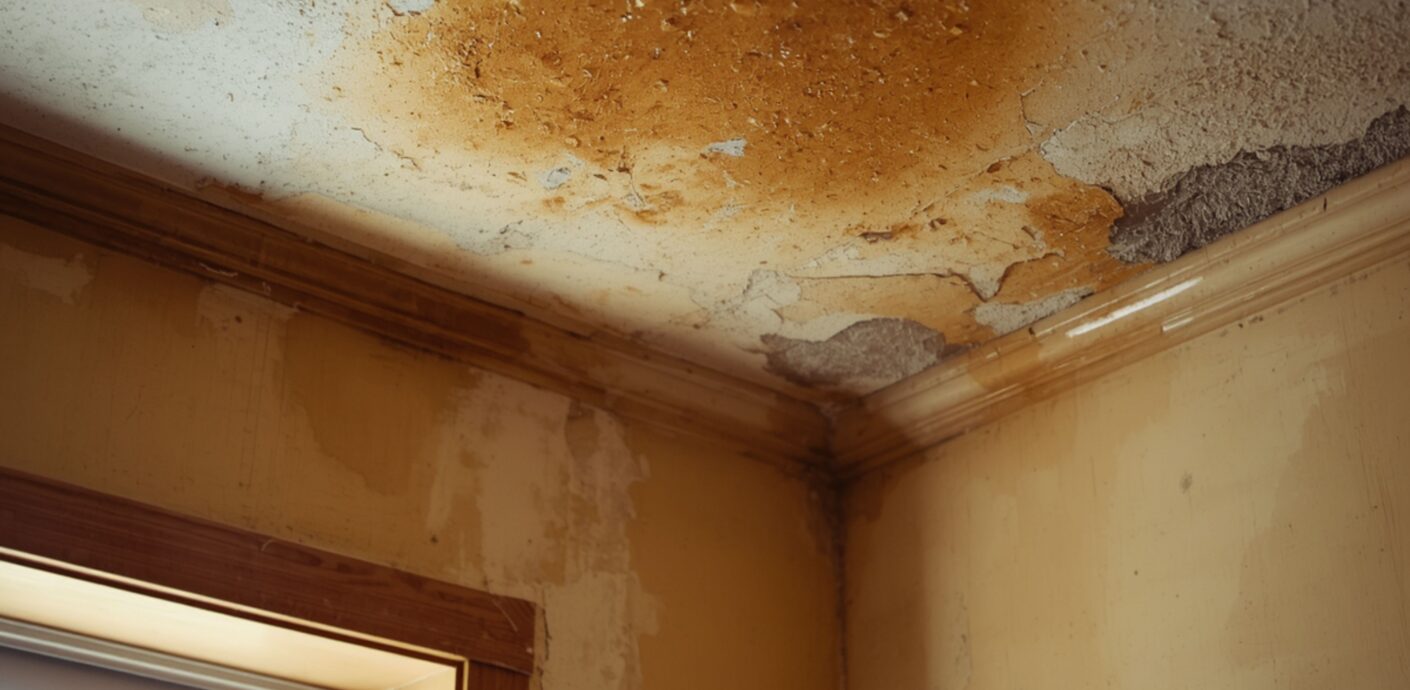

Water damage stains on a ceiling flagged during a home appraisal
Water Damage & Home Value: What Appraisers Flag

Water damage has a way of derailing a sale right when things feel like they are going smoothly. A faint ceiling stain might not worry you at all. An appraiser sees it differently, because that stain often hints at a bigger story. Knowing how water damage and home value connect, and what an appraiser flags before closing, puts you a step ahead. You get to handle problems on your own terms, not at the last minute.

By the end of this article, you’ll know:

  • The water-related conditions an appraiser looks for and writes up
  • Why a lender can stall your closing until water problems get fixed
  • What to repair and document before the appraisal happens
How Water Damage Affects Home Value

Most homeowners assume the hit to value equals the repair bill. It rarely works that cleanly. What worries a buyer, a lender, and an appraiser is what the water might have done out of sight. Water travels. A roof leak can rot the sheathing above a ceiling long before any stain shows up. Down in the basement, dampness might point to a grading or foundation issue. And a slow drip under a sink? That can feed mold behind the drywall for months before anyone notices.

That uncertainty is what moves the numbers. A home with visible water damage tends to draw lower offers, repair demands, or a longer stretch on the market. An appraiser’s job, after all, is to capture how the market reacts to what’s in front of it. So we note the visible conditions and weigh how they affect value and saleability.

What an Appraiser Will Notice

We are not home inspectors, and we do not go cutting into walls. But a trained appraiser spots the visible signs of a water problem fast during a standard residential appraisal. The usual flags:

  • Water stains on ceilings and walls
  • Standing water in a basement, crawlspace, or against the foundation
  • A musty smell that says moisture is still hanging around
  • Warped or swollen drywall, baseboards, and flooring
  • Roof leaks, or shingles that have clearly seen better days
  • Grading that sends rainwater toward the house instead of away from it

A lot of this matters because of what tends to follow water: mold. The EPA points out that mold needs ongoing moisture to grow. So a damp crawlspace, or a stain nobody can explain, earns more scrutiny than its size might suggest.

How Water Damage Can Hold Up Your Closing

Water damage can hold up the calendar, too. Lenders, especially on government-backed loans, hold a property to minimum condition standards.. Active water intrusion is one of the more common reasons an appraisal comes back “subject to repair.”

Once that happens, the lender usually wants it fixed and re-checked before the deal can close. Even a small repair can push your closing date back a week or two. Worse, when it only turns up at the appraisal, that lost time becomes the real cost for anyone working to a firm contract date.

Old Damage Reads Differently From Active Damage

Not every water stain carries the same weight. The question an appraiser really cares about is whether the source got fixed.

Picture a leak you repaired last spring. You replaced the ruined drywall and kept the receipts. In that case the worry mostly evaporates, because you can prove the problem is behind you. Now picture a fresh stain, a corner that’s still damp, and no paperwork. An appraiser has to treat that as a live issue, and so will the buyer.

What to Do Before the Appraiser Shows Up

A few moves keep a water issue from running your whole sale:

      1. Fix the source, first and always. Scrub a stain without stopping the water and it comes right back, usually at the worst possible moment.
      2. Keep the paperwork. Invoices, contractor notes, inspection reports. Good documentation answers the appraiser’s question before anyone asks it.
      3. Repair what shows. Swap out stained drywall, ceiling tiles, and warped trim, so nobody is writing up damage you have already handled.
      4. Speak up early. If the house has had a real water event, tell your agent and your appraiser up front. Then everyone plans around the facts instead of a surprise.
Why It Pays to Get Ahead of It

Water damage does not have to wreck your value or your timeline. Most of the harm to a sale comes from the unknowns, like what’s behind the wall and whether it’s still wet. Clear those up and the whole conversation shifts in your favor.

So track down the source, fix it, write it all down, and patch the visible damage before you list. Do that, and a water stain stays a footnote in your sale rather than the headline at your closing.

Worried water could cost you at the closing table?

Find out where your home really stands before a lender or a buyer raises the question. PahRoo delivers independent, defensible appraisals that give you answers, not guesswork.

Request Your Appraisal

Frequently Asked Questions

Does water damage lower a home’s appraised value?

It can, though not on its own. The effect depends on how bad it is, whether you’ve fixed the source, and how nervous it makes buyers. Often the real drag on value is what the damage hints at, rather than the damage you can see.

What does an appraiser look for when checking for water damage?

Visible clues, mostly: stains, standing water, musty smells, warped materials, signs of a roof leak, and poor drainage. An appraiser reports what’s in plain sight and won’t go digging behind walls or running lab tests.

Will water damage stop a home loan from closing?

It can slow things down. A lender may insist that active water intrusion gets corrected and re-inspected first, particularly on government-backed loans with condition standards to meet.

Do I need to fix water damage before selling?

Usually yes, especially when it’s visible or a buyer needs financing. Sorting it out before you list keeps the negotiation calmer and lowers the odds of a delayed closing.

Is old, repaired water damage still a problem for an appraisal?

Much less of one, as long as you fixed the source and have the records to show it. Repaired and documented damage sits in a very different category from something fresh or unexplained.

Need an Independent Appraisal?

Sometimes water damage, repairs, or condition questions cloud what a home is really worth. In those moments, an independent appraisal gives you a credible, well-supported answer before you negotiate or finance.

PahRoo Appraisal & Consultancy, LLC helps homeowners, attorneys, accountants, bankers, and real estate professionals make confident decisions. Whether you’re preparing to sell, settling an estate, removing PMI, navigating a divorce, or weighing how a property’s condition affects value, our team is ready to help.


The three types of home appraisals: full, exterior-only, and desktop
The 3 Types of Home Appraisals: Full, Exterior, Desktop

Not every home appraisal involves an appraiser walking through your living room. Some are done from the curb. Others happen entirely from a desk, with nobody visiting at all. So if you’re buying, refinancing, or settling a legal matter, knowing the types of home appraisals, and which one applies to you, tells you a lot about what you’re paying for and how much weight the result can carry.

By the end of this article, you’ll know:
  • What separates a full, exterior-only, and desktop appraisal
  • When a lender is likely to order each one
  • Why the familiar form numbers are about to disappear in 2026
What the Three Types of Home Appraisals Actually Mean

The difference comes down to one question: how much of the property does the appraiser actually see? That scope drives everything else, including cost, turnaround, and how confident anyone can be in the final number. Three scopes cover most situations, so let’s take them in order, from the most thorough to the lightest.

The Full Appraisal: Inside and Out

This is the one most people picture. First, the appraiser visits the property, inspects the exterior, and walks the interior room by room. We measure, photograph, note condition and quality, and flag anything that affects value. On the legacy forms, this is the 1004 for a single-family home.

A full appraisal carries the most weight, because the appraiser has seen the property firsthand. So for higher-stakes work, like an estate settlement, a divorce, or a property tax appeal, this is usually the scope you want. There is no data gap for anyone to poke at later.

The Exterior-Only Appraisal: A Look From the Curb

An exterior-only appraisal, sometimes called a drive-by, is what it sounds like. The appraiser views and photographs the outside of the home but does not go inside. For the interior, we rely on other sources, such as prior listings, public records, and whatever reliable data exists. On the legacy forms, this is the 2055.

It is faster and cheaper than a full appraisal. Still, there’s a trade-off. Without eyes on the interior, the appraiser cannot confirm condition, updates, or problems behind the front door. So lenders tend to reserve it for lower-risk situations, not for a purchase where the inside is a mystery.

The Desktop Appraisal: No Visit at All

A desktop appraisal goes one step further. The appraiser never visits the property. Instead, the whole analysis runs on data: MLS records, public records, and a floor plan that shows the interior walls. A licensed or certified appraiser still develops the opinion of value and signs the report, so it is a real appraisal, not an automated computer estimate.

Fannie Mae made desktop appraisals a permanent option back in March 2022, mainly for certain one-unit purchase loans. Their guidelines require a floor plan, not just an exterior sketch, so the appraiser can judge how the home actually functions. One rule is worth knowing: if a desktop appraiser ends up visiting and inspecting the property, it stops being a desktop and becomes a full appraisal. The scope defines the product, not the intention.

The three side by side
Scope Interior seen? Exterior seen? Legacy form Typical use
Full Yes, in person Yes, in person 1004 Purchases, high-stakes valuations
Exterior-only No (from data) Yes, in person 2055 Lower-risk refinances
Desktop No (data + floor plan) No (from data) 1004 Desktop Certain low-risk purchase and refi loans

One more option sits alongside these: the hybrid, where a trained third party collects the property data and the appraiser does the analysis from it. Still, the principle is the same. The less the appraiser sees in person, the more the result leans on someone else’s data.

Which One Will You Get?

For most home purchases, expect a full appraisal. It is the standard, and it gives the lender the most complete picture. By contrast, exterior-only and desktop appraisals show up more often in refinances and lower-risk loans, where the lender’s automated system signals that a lighter scope is acceptable.

Usually you don’t choose. The lender’s system decides what’s eligible. But you can ask which scope is being used, and it pays to ask. If you’re ordering an appraisal yourself, outside a loan, for a divorce, an estate, or a Cook County tax appeal, you can request a full interior appraisal. For those purposes, you generally should. After all, a value backed by an actual walkthrough is far harder to challenge.

What’s Changing in 2026

One big shift is landing in 2026, and it reshapes everything above. For example, the form numbers in this article, the 1004, the 2055, the 1004 Desktop, are being retired. Fannie Mae and Freddie Mac are replacing them with a single, dynamic report called the Uniform Residential Appraisal Report, or URAR, built on a data standard known as UAD 3.6.

Instead of a separate form for each scope, one report now flexes to fit the assignment, whether that’s a full interior inspection, an exterior-only, or a desktop. The timeline is set. In fact, lenders have been able to use the new format since early 2026. By November 2, 2026, it becomes mandatory, so every appraisal on a loan sold to Fannie Mae or Freddie Mac must use UAD 3.6. The old format then retires fully in May 2027. Fannie Mae’s UAD page tracks the details as they firm up.

So the labels are changing, but the underlying choice is not. Full, exterior-only, and desktop still describe how much the appraiser sees. That question outlives any form number.

The Form Changes, the Question Doesn’t

Strip away the form numbers and every appraisal answers the same thing: how well does the appraiser actually know this property? For instance, a full interior appraisal answers it with a walkthrough. An exterior-only answers it from the curb. A desktop answers it from data and a floor plan. Each has its place, and each carries a different level of certainty.

So when an appraisal lands on your desk, look past the format and ask what the appraiser was allowed to see. For anything that has to hold up, in court, in a negotiation, or in front of a lender, that scope is the whole ballgame.

Not sure which kind of appraisal your situation needs?

The right scope depends on what’s at stake. For an estate, a divorce, a tax appeal, or a lending decision, talk to PahRoo about the appraisal that will actually hold up.

Request an Appraisal

Frequently Asked Questions

What is the difference between a desktop and a full appraisal?
A full appraisal includes a physical inspection, inside and out. A desktop appraisal has no inspection at all; the appraiser works from data and a floor plan. Both are done by a licensed appraiser, but the full version rests on firsthand observation.
Does a desktop appraiser ever visit the property?
No. If the appraiser visits and inspects the home, it stops being a desktop appraisal and becomes a full one. The whole point of a desktop is that the analysis happens from data sources rather than a site visit.
Is an exterior-only appraisal less reliable than a full appraisal?
It carries less certainty about the interior. The appraiser sees the outside but relies on data for what’s behind the door. For lower-risk situations that’s often fine, but where interior condition matters, a full appraisal is stronger.
Which type of appraisal will my lender order?
Usually the lender’s automated system decides, based on the loan’s risk. Most purchases get a full appraisal. Lighter scopes like desktop or exterior-only show up more in refinances and lower-risk loans. You can always ask which one is being used.
Are appraisal forms like the 1004 going away?
Yes. By November 2026, Fannie Mae and Freddie Mac are replacing the legacy forms with one dynamic report called the URAR. The form numbers retire, but the scope choices, full, exterior-only, and desktop, carry over into the new report.

Need an Appraisal You Can Stand Behind?

As the industry shifts toward lighter, data-only products, the value of an appraiser who has actually seen the property only grows. So at PahRoo, the appraiser who develops the analysis is the one who signs the report. That accountability is the whole point.

PahRoo Appraisal & Consultancy, LLC helps homeowners, attorneys, accountants, bankers, and real estate professionals make confident decisions across the Chicago area. Whether you’re weighing a Cook County tax appeal, settling an estate, removing PMI, or navigating a divorce, our team is ready to help.

Mold remediation work completed before selling a home
How Mold Affects a Home Appraisal and Sale

Mold has a way of turning a smooth home sale into a tense negotiation. A small patch in a bathroom rarely sinks a deal. Visible growth spreading across a ceiling is a different conversation. If you’re getting ready to sell, knowing how mold affects a home appraisal helps you stay ahead of the questions buyers and lenders are about to ask.

By the end of this article, you’ll know:

  • Whether mold actually pulls down your appraised value
  • What a lender might demand before clearing the loan
  • How to handle mold before you list, and what to keep on file
How Mold Affects a Home Appraisal

Most sellers picture the cost of cleanup and stop there. The bigger issue is what mold usually signals. It points to moisture, and moisture points to a cause: a roof leak, a plumbing problem, poor ventilation, or water creeping in through the foundation. So when we spot mold, we start wondering what’s behind it.

That uncertainty is what worries buyers and lenders. A home with obvious mold often draws lower offers, or sits on the market longer than a comparable place with no moisture history. An appraiser’s job, after all, is to reflect how the market reads a property. So we note what’s visible and weigh how it affects value and sale ability.

What an Appraiser Will Notice

We are not mold inspectors, and we do not take air samples or open up walls. But during a standard residential appraisal, the visible signs of a moisture problem are hard to miss. The usual flags:

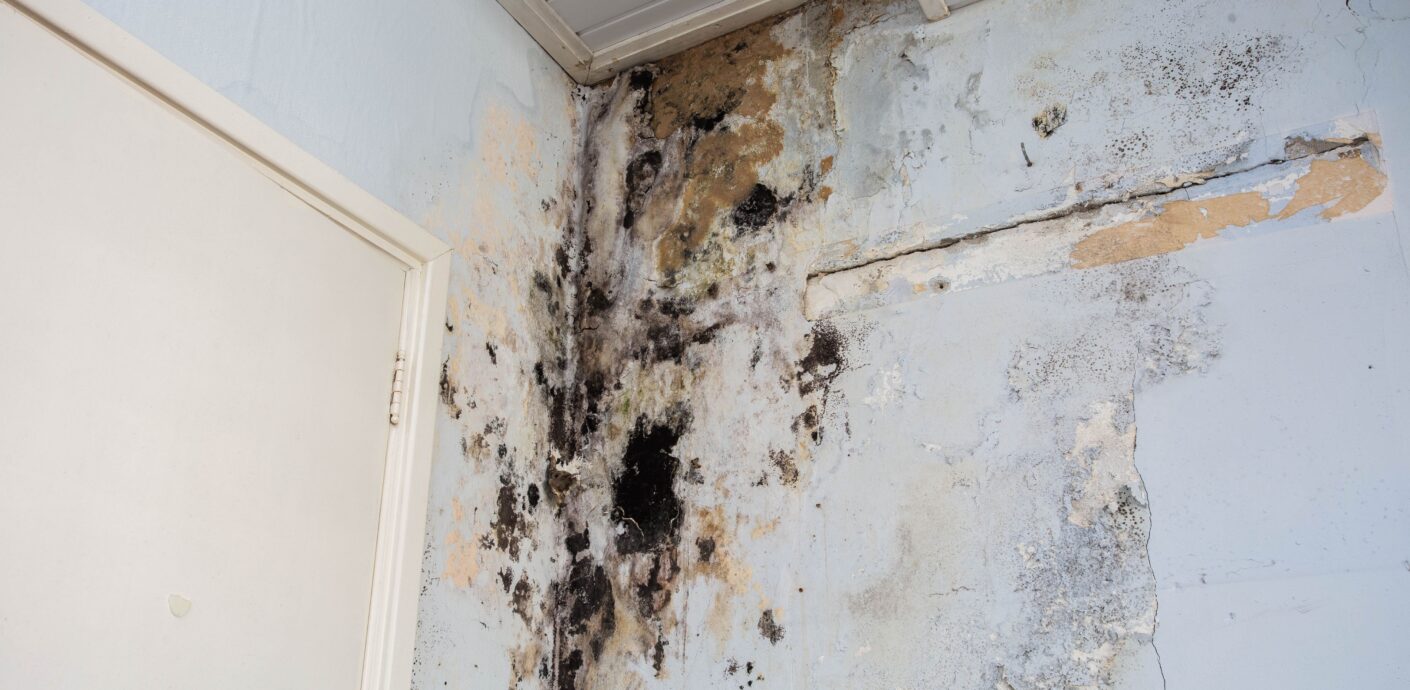
      • Visible mold on walls, ceilings, or around windows
      • Water stains and discolored patches
      • A musty smell that lingers in a room
      • Warped or damaged drywall
      • Signs of past leaks that were never fully sorted out

Much of this matters because of where mold leads. The EPA explains that mold needs steady moisture to spread. So a musty basement, or a stain nobody can account for, pulls more attention than its size might suggest.

How Mold Can Hold Up Your Financing

Mold can cost you time as well as money. Lenders watch closely for anything that reads as a health or safety concern. If visible mold turns up while a buyer is financing, the lender may pause and ask for more before clearing the loan.

That might mean remediation records, proof of repair, an extra inspection, or a professional evaluation. Each step adds days. Worse, when it all surfaces at the appraisal rather than earlier, the delay can put a contract date at risk.

Should You Remediate Before Selling?

There’s no single answer, because every house is different. Still, in most cases where the mold is visible or a buyer needs financing, dealing with it before you list pays off. It keeps the negotiation from collapsing into a fight over repairs, and it clears away a common reason for loan delays.

A few questions help you decide. How widespread is it? Have you fixed the moisture source, or only wiped away what you could see? Would a buyer notice it on a walkthrough? Could it trip up financing? Whatever you choose, hold on to the records. Good documentation reassures a buyer far more than a verbal “it’s been handled.”

A Word on Disclosure

Disclosure rules shift from state to state, and sometimes town to town. In a lot of places, sellers have to disclose known material defects, and mold can fall into that bucket. Hiding a known problem tends to create much bigger headaches later in the deal.

So before you list, get clear on what your state requires. When in doubt, ask a qualified agent or a real estate attorney. Being upfront builds trust, and it heads off arguments after closing.

What to Do Before the Appraiser Arrives
      1. Fix the moisture source first. Clean the mold without stopping the water and it comes right back, often worse than before.
      2. Keep your paperwork. Remediation invoices, contractor notes, inspection reports. Records answer the questions before anyone asks them.
      3. Repair what shows. Replace stained drywall and damaged materials, so nobody is writing up problems you have already solved.
      4. Flag it early. If the house has had a real mold issue, tell your agent and appraiser up front. Then everyone works from the facts.
Why Getting Ahead of It Pays Off

Mold does not automatically wreck a home’s value. What it does is shape how buyers, lenders, and the market see the place, and it can stall a sale when it shows up unaddressed. The real worry usually sits behind the mold: the moisture feeding it and the cost of putting things right.

So track down the source, fix it, document the work, and tidy up the visible damage before you list. Handle it early, and mold stays a manageable line item rather than the thing that derails your closing.

Not sure how mold could affect your home’s value?

Get a clear, independent read before a buyer or a lender turns it into a problem. PahRoo delivers defensible appraisals that show you exactly where you stand.

Request Your Appraisal

Frequently Asked Questions

Can mold cause a low home appraisal?

It can. If mold drags on the home’s condition, its saleability, or buyer interest, that can show up in the value. How much depends on how bad the problem is and how the market reacts to it.

Will an appraiser test for mold?

No. Appraisers aren’t mold inspectors, and we don’t run environmental tests. We will note visible mold or moisture damage if we see it during the walkthrough.

Should mold be removed before selling a house?

Often yes, particularly if it’s visible or a buyer is financing. Clearing it up early tends to steady buyer confidence and head off delays. The right call depends on how widespread it is and your local market.

Does mold affect property value?

It can. Value tracks buyer perception, repair costs, financing worries, and the overall condition of the property.

Can a lender deny financing because of mold?

Sometimes. A lender may ask for remediation, repairs, or an inspection before approving the loan if the mold raises a real health, safety, or condition concern.

Need an Independent Appraisal?

When condition concerns, repairs, or saleability questions cloud what a home is worth, an independent appraisal gives you a credible, well-supported answer before you negotiate or finance.

PahRoo Appraisal & Consultancy, LLC helps homeowners, attorneys, accountants, bankers, and real estate professionals make confident decisions. Whether you’re preparing to sell, settling an estate, removing PMI, navigating a divorce, or weighing how a property’s condition affects value, our team is ready to help.


Chicago housing market in June 2026 across city and suburban homes
Chicago Housing Market June 2026: A Four-County Split

There is no single Chicago housing market right now. That is the real story for the week ending 19 June 2026. Step back to the metro view and the picture looks calm and tight: few homes for sale, firm prices, steady sales. Look closer at the county level, though, and four very different markets come into focus. Knowing which one your home sits in matters far more than any citywide headline.

By the end of this article, you’ll know:

  • Why a metro-wide average can mislead you about your own home
  • Which Chicago-area counties have real buyer demand, and which are coasting on scarcity
  • Why a home selling “over asking” may not mean what you think
What the Chicago Housing Market Looks Like Right Now

Start with the wide-angle view. Across the metro, supply is very tight. Single-family homes and condos are both running near 1.4 months of supply, when a balanced market sits at four to six. Prices are up on the year, and condos are leading on demand. So by those headline numbers, it is a seller’s market.

The financing backdrop has a twist, though. The Federal Reserve has cut its policy rate over the past year, but the 30-year fixed mortgage rate has barely followed. It sits around 6.47%, while the federal funds rate is near 3.63%. Freddie Mac tracks that mortgage rate weekly, and the gap between the two is about 284 basis points. That is far wider than the 150 to 200 points that is normal. So the Fed’s cuts are getting stranded before they reach a buyer’s monthly payment.

One Metro, Four Different Markets

Once you split the metro by county, the calm surface breaks apart.

Cook County: firm prices, fading demand. Cook is the dense urban core, and it shows the most uneasy mix. For example, single-family pending sales are down about 11% on the year, and active inventory is down roughly 16%. Yet absorbed prices are up 9.6%. Prices are holding because there is so little to buy, not because buyers are pouring in. In other words, that is a more fragile kind of strength than it looks.

DuPage and Will: the real demand. These two suburban counties are the healthiest in the data. Single-family pending sales are up about 17% in DuPage and 15% in Will on the year, with inventory flat to rising. In short, this is demand-led growth, the kind that rests on people actually buying rather than on empty shelves.

Lake County: a big price number on thin support. Then there is Lake, with the strongest single-family price growth of the four, up 13.8% on the year. But that sits on falling inventory and only modest demand. It looks more like scarcity pricing than a real boom, so treat the figure as a single reading, not a trend.

Condos add one more wrinkle. Condo demand is positive in all four counties. Still, Will is adding condo inventory fast, up about 25% on the year, while buyers there are not keeping pace. Lake’s condo asking prices have dropped sharply too, though that comes from a small sample. Even so, both are early signs of softening at the edges. One note for condo shoppers: these figures leave out HOA dues, which are a real monthly cost and can change the math.

Single-family by the numbers
County Median sold price Price vs last year Buyer demand
Cook $390k +9.6% Down (scarcity holding prices)
DuPage $575k +8.1% Up strongly (demand-led)
Lake $529k +13.8% Modest (scarcity pricing)
Will $419k +4.8% Up strongly (demand-led)
Why “Over Asking” Can Be Misleading

This is where a little appraisal experience pays off. In Cook County, single-family homes show a sold-to-list ratio of 1.09. On the surface that reads as homes selling 9% over asking, a classic bidding-war signal. In fact, it almost certainly is not.

The ratio compares the median sold home to the median listed home, and those are two different baskets of houses. A number above 1.0 usually means the pricier homes are the ones selling while cheaper ones sit. In Cook right now, the affordable stock under about $360,000 is what’s left on the shelf, and the higher-priced homes are clearing. So the figure reflects which homes are selling, not buyers bidding each other up. Read it as a bidding war and you would badly overstate how hot the market really is. Pricing a property, or a loan against one, on that misread is how mistakes happen.

What This Means If You’re Buying, Selling, or Lending

If you’re selling, price to the market, not to a headline. About a quarter of listings in every county are cutting price, even with supply this tight. That tells you sellers are testing high, then trimming. An aspirational asking price tends to sit and then drop. By contrast, a realistic one moves.

If you’re buying, the genuine openings are in the demand-led suburbs, DuPage and Will, rather than in the headline price growth of Cook and Lake that leans on scarcity. In practice, if you’re eyeing a Will condo, the building inventory there may give you room to negotiate.

If you’re lending or valuing collateral, value is steadiest where price growth is demand-backed, which is DuPage and Will single-family. On the other hand, supply-led firmness, as in Cook and Lake, can reverse faster if inventory loosens. So a property-specific residential appraisal is the only way to know where a given home really stands.

For everyone, watch the mortgage spread, not just the Fed. Until the gap between mortgage rates and the policy rate narrows, a cheaper Fed policy will not automatically mean a cheaper mortgage.

Know Your County, Not Just the City

The Chicago housing market headline this week is firm prices and tight supply. That is true at the metro level, but it papers over four counties pulling in different directions. Cook is holding on scarcity. Meanwhile, DuPage and Will are carrying real demand. Lake is posting a big price number that may not hold.

So if you need to know what a specific property is worth in this market, the citywide average will not tell you. The county, the segment, and the individual home will. That is the difference between a number you can lean on and one that just sounds good.

A market headline won’t tell you what your home is worth.

Averages hide as much as they reveal, as this week shows. For a defensible read on your specific property, in your county, talk to PahRoo.

Request an Appraisal

Frequently Asked Questions

Is the Chicago housing market a buyer’s or seller’s market right now?

By the numbers, it’s a seller’s market across the metro. Supply sits near 1.4 months in both segments, well below the four to six months of a balanced market, and prices are up on the year. That said, conditions shift by county, so your local market may feel different.

Why are Chicago home prices rising while sales slow down?

In places like Cook County, prices are holding because there are so few homes for sale, not because demand is strong. When inventory shrinks faster than buyers fade, scarcity keeps prices up even as the number of sales falls.

Which Chicago-area counties have the strongest housing demand?

DuPage and Will lead on genuine demand. Single-family pending sales there are up roughly 15 to 17% on the year, with steady inventory. Cook shows falling demand, and Lake’s strong price growth rests on thin demand support.

Why haven’t mortgage rates dropped along with the Fed’s rate cuts?

Mortgage rates track long-term bond yields and lender risk pricing, not the Fed’s policy rate directly. The gap between the two is unusually wide right now, near 284 basis points, so most of the Fed’s easing isn’t reaching the mortgage rate a buyer actually pays.

If a home sells above asking price, does that mean there was a bidding war?

Not necessarily. A sold-to-list ratio above 1.0 across a whole market often just means the pricier homes are the ones selling while cheaper homes sit. It reflects which homes are clearing, not buyers bidding each other up. You need price-tier data to tell the two apart.

Need a Read on Your Specific Property?

Market reports describe the forest. An appraisal measures your tree. When you need to know what one property is worth, in one county, an independent appraisal gives you a credible, defensible answer.

PahRoo Appraisal & Consultancy, LLC helps homeowners, attorneys, accountants, bankers, and real estate professionals make confident decisions across the Chicago area. Whether you’re weighing a Cook County tax appeal, settling an estate, removing PMI, or navigating a divorce, our team is ready to help.


Suburban neighborhood with red HOA risk sign, representing potential impact of homeowners associations on property value.
Can Your HOA Kill Property Value? 5 Things Every Homeowner Must Know

Your home might be your biggest investment — but what if the HOA is quietly killing its value?

Whether it’s aggressive rules, financial mismanagement, or lawsuits, some HOAs can seriously damage your resale price. Here’s what you need to know before it’s too late.

The Hidden Power of Your HOA

Most homeowners don’t realize how much influence an HOA has over their home’s market appeal. From enforcing neighborhood standards to managing shared spaces, HOA actions (or inactions) can shape how buyers and appraisers view your property.

Real Examples of HOAs Hurting Property Value

  • Ongoing lawsuits can scare away lenders and buyers
  • Strict rental or pet rules shrink your buyer pool
  • Deferred maintenance in common areas pulls down condition ratings for every unit

These issues don’t just affect perceptions. They can directly influence your home’s appraised value.

Appraiser Perspective: What We Look For

As appraisers, we consider more than just your home’s interior. If the HOA is underfunded, facing litigation, or showing signs of poor management, it can reduce demand and reduce value.

“A struggling HOA doesn’t just impact one unit. It creates a ripple effect that appraisers and buyers both notice.”

What You Can Do as a Homeowner

  • Attend HOA meetings and ask questions
  • Request and review financial statements before buying
  • Watch for large planned assessments or legal red flags
  • Talk to neighbors about their experience with the HOA

When to Call an Appraiser

If you’re unsure how your HOA might be impacting your home’s value, a professional appraisal can give you clarity. Pre-listing appraisals can uncover issues before they derail a sale.

Need help? We’ve got your back.

At PahRoo Appraisal & Consultancy, we’ve appraised thousands of properties in HOA-managed communities. We know what to look for and how to make sure you’re not blindsided when it matters most.

Get in touch with us today for a consultation or pre-listing appraisal and protect your home’s value.

Want more insights into how property value is shaped by hidden factors like HOAs, zoning, and market trends?

Subscribe to our podcast, Appraisers on Purpose
Or visit our YouTube channel @PahRooZings

We regularly feature real estate experts, appraisers, and professionals shari3ng actionable advice to help you protect your investment and make informed property decisions.


Michael Hobbs is the President of PahRoo Appraisal & Consultancy LLC, a leading Chicago-based firm providing residential and commercial real estate valuation services for over 25 years.


NEWSLETTER

Knowing a property's true value is key
to making informed real estate decisions

Visit us

7383 Lincoln Ave Suite,
#100 Lincolnwood, IL, 60712