
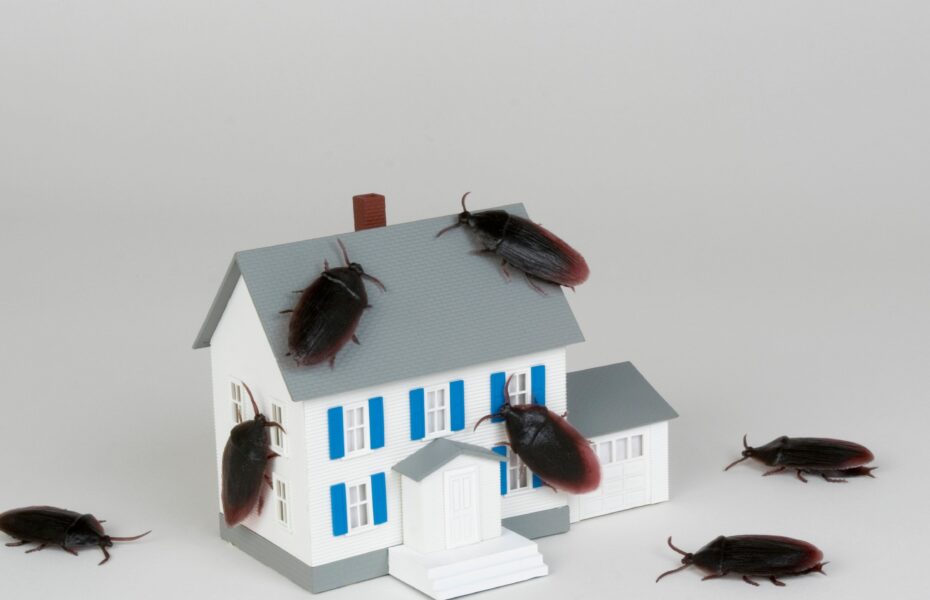
Pest Infestations and Property Appraisals: When an Inspection Becomes a Safety Issue
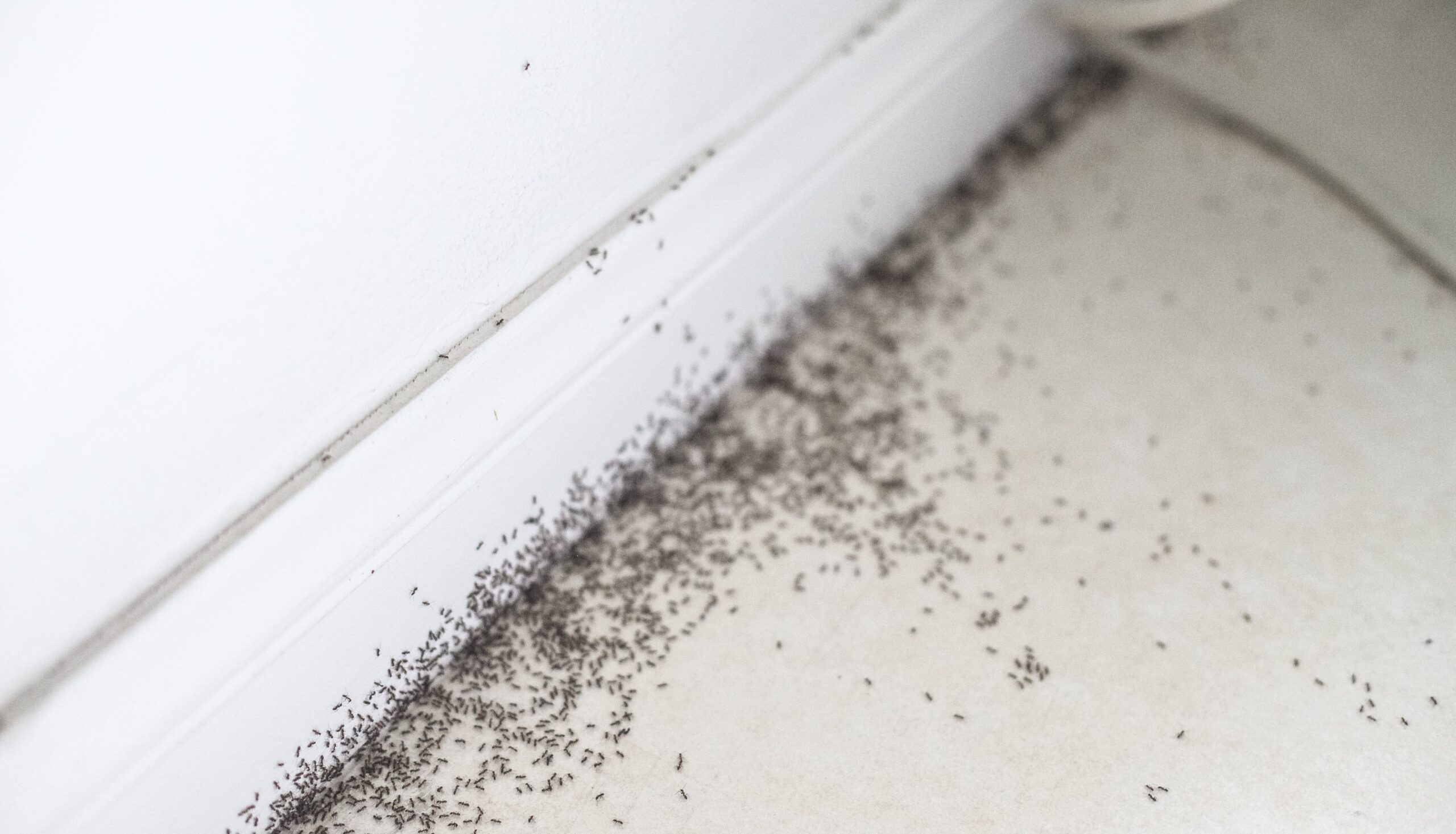
The fleas started jumping almost immediately.
A routine residential appraisal inspection quickly turned into something more serious. As one of our appraisers moved through the home, active fleas were present throughout the property. The appraiser saw cockroaches in multiple areas. The appraiser could not treat the condition as isolated, minor, or easy to ignore.
At that point, the assignment was no longer just about documenting bedrooms, measuring the structure, and observing finishes.
It became a safety issue.
For appraisers, brokers, lenders, attorneys, accountants, and property owners, this type of situation raises an important question: when does a pest infestation become more than a condition concern?
The answer matters because pest infestations can affect safety, marketability, financing, and the timeline of a transaction.
Why Pest Infestations Matter in a Property Appraisal
Appraisers are not pest inspectors. Their role is not to diagnose infestations, determine treatment plans, or certify whether a property is pest-free.
However, an appraiser must observe and report visible property conditions that may affect the assignment.
That distinction is important.
Visible fleas, roaches, rats, or other pests may point to larger concerns during an inspection., the issue may point to larger concerns, including deferred maintenance, moisture problems, sanitation issues, damage, or reduced marketability.
For the client, this matters because visible infestation can create risk before closing. A lender may require additional review. A buyer may hesitate. A broker may face delays. An attorney may need clearer documentation for a legal matter.
When the appraiser identifies the issue early, everyone can respond sooner.
When the Inspection Becomes a Safety Concern
No appraisal assignment is worth risking personal health or safety.
In this case, the appraiser had to make a professional judgment call. Continuing the inspection meant prolonged exposure to active pests. Leaving too soon could limit the available property observations. Ignoring the issue was not an option.
That is where experience matters.
An appraiser must document what is observable, communicate clearly with the client, and avoid making unsupported conclusions. The appraiser should also note any limitations when the condition prevents a full or safe inspection.
For property owners and professionals, this creates an important takeaway: unsafe property conditions can limit the inspection and may affect how the appraisal report is completed.
Condition Issue or Value Issue?
A pest infestation usually starts as a condition issue.
But depending on severity, it can become a marketability or financing concern.
A minor, isolated issue may have limited impact if it is quickly corrected. A severe infestation may raise questions about habitability, buyer resistance, repair needs, or lender requirements.
That does not mean every pest problem automatically changes the final opinion of value. It means the condition must be considered in context.
The appraiser may need to ask:
-
-
- Does the infestation appear active?
- Is it widespread?
- Could it affect health or safety?
- Did it limit the inspection?
- Would typical buyers react negatively?
- Could the lender require treatment or further inspection?
-
These questions protect the integrity of the appraisal and give the client a clearer picture of risk.
Why Lenders Care About Pest Infestations
Lenders are concerned with collateral risk. If a property has obvious health, safety, or habitability concerns, the lender may need those issues addressed before the loan can move forward. For FHA-related assignments, HUD guidance requires appraisers to consider property conditions connected to safety, security, and soundness, which is why visible infestation concerns may need additional review. See the FHA Single Family Housing Policy Handbook 4000.1.
That can lead to further inspection, treatment documentation, repair requirements, or a subject-to appraisal.
For brokers and borrowers, this matters because unresolved infestations can delay financing. For bankers, it creates a collateral review issue. For attorneys and accountants, it may affect estate, divorce, litigation, or tax-related property decisions.
A credible appraisal helps decision-makers understand what the appraiser observed and why it matters.
When a Subject-To Appraisal May Be Needed
In some cases, the appraiser may complete the appraisal subject to corrective action.
For pest infestations, this may include professional treatment, repair of related damage, or verification that the condition has been addressed.
This is not about creating unnecessary obstacles. It is about protecting the client, lender, and transaction from avoidable risk.
Clear documentation helps prevent confusion when a property condition could affect safety, habitability, or market acceptance.
What Brokers and Realtors Can Learn From This
Early disclosure helps everyone.
Early disclosure of known pest activity, water intrusion, odor, damage, or other condition concerns can prevent last-minute surprises.
For brokers, this can mean fewer financing delays, better client expectations, and stronger professional credibility.
An appraiser walking into a severe infestation without warning creates unnecessary risk. A broker who communicates known issues upfront helps the process move with fewer disruptions.
What Attorneys, Accountants, and Bankers Should Know
For professional decision-makers, pest infestations are not just a property nuisance.
They can affect the reliability of assumptions, the timing of reports, the need for additional documentation, and the usefulness of the appraisal in financial or legal decisions.
In divorce, estate, tax appeal, lending, or litigation matters, property condition can materially affect how a property is understood.
A well-supported appraisal gives you clearer documentation, stronger decision support, and fewer surprises.
The Professional Takeaway
The lesson from this inspection is simple: appraisers must know when a routine assignment has become a risk issue.
Appraisers should document pest infestations carefully, communicate them professionally, and handle them with sound judgment. The appraiser should not overstep into pest inspection work, but should never ignore visible conditions.
For clients, the benefit is clarity.
You gain a better understanding of how property condition may affect financing, timing, marketability, and risk. You also gain professional documentation that supports smarter decisions before a transaction, dispute, or financial review moves forward.
When property conditions create uncertainty, the right appraisal can bring the issue into focus.
Don’t Let Property Conditions Derail Your Transaction
Whether you’re dealing with a lending decision, estate settlement, divorce proceeding, tax appeal, litigation matter, or pre-sale planning, unexpected property conditions can create significant risk if they are not properly documented and understood.
A credible appraisal provides more than a number. It provides the independent analysis, market insight, and professional documentation needed to make confident decisions and avoid costly surprises.
If you need a residential appraisal and want experienced professionals who understand both the property and the risks behind it, PahRoo is ready to help.
Discuss your situation with an experienced appraiser and receive the guidance you need before making an important real estate, financial, or legal decision.
Frequently Asked Questions About Pest Infestations and Property Appraisals
Question: Can a pest infestation affect a home appraisal?

Answer: A pest infestation can affect a property appraisal when it raises concerns about safety, habitability,
deferred maintenance, or marketability. While appraisers do not diagnose pest problems, they must report
observable conditions that could influence a lender's decision, a buyer's perception, or the overall
appraisal assignment.
Question: Will a lender require pest treatment before closing?

Answer: It depends on the severity of the infestation and the loan program.
Significant pest activity may prompt a lender to request additional inspections, treatment documentation,
or repairs before the loan can move forward. Addressing known issues early can help reduce delays
during underwriting.
Question: What should property owners do before an appraisal if they know there is a pest problem?

Answer: Property owners should address active infestations whenever possible and disclose any
condition issues that may affect the property. Early treatment and transparency can help prevent
surprises, reduce transaction delays, and provide a clearer understanding of the property's condition during
the appraisal process.