
Maybe your lender said the appraiser won’t need to come inside. Or maybe you heard there won’t be an appraisal at all. A drive-by appraisal, a desktop appraisal and a hybrid appraisal each value a home with less time on site than a traditional appraisal. Some loans skip the appraisal entirely. This guide covers how each one works and when it’s worth asking for more.
- What a drive-by, desktop and hybrid appraisal each include
- Why some loans close with no appraisal at all
- What the new appraisal report changes starting November 2
What a Drive-By Appraisal Includes
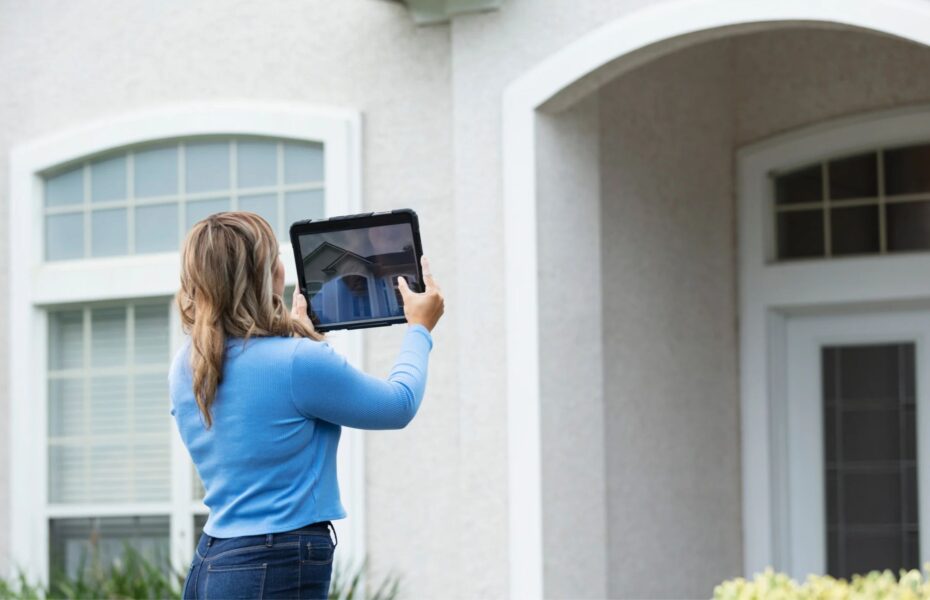
A drive-by appraisal is another name for an exterior-only appraisal. The appraiser visits the property but stays outside. They look at the house, the lot and the street, and they take photos. Then they fill in the interior details from public records, listing data and past reports. Our post on the types of home appraisals compares full, exterior and desktop appraisals.
Fannie Mae and Freddie Mac have long used a separate report for this, the Exterior-Only Inspection Residential Appraisal Report. It’s known as the 2055. It’s one of the older forms now being replaced, according to the Fannie Mae and Freddie Mac lender readiness kit.
The limitation is easy to see. An appraiser on the sidewalk can’t see a new kitchen, a finished basement or water damage. So the value leans on how accurate the records are. Either way, the appraiser has to state what was and wasn’t inspected. That disclosure is part of the national appraisal standards, as state appraiser regulators explain.
Desktop Appraisals Happen Without a Visit
A desktop appraisal skips the site visit completely. Under Fannie Mae’s desktop appraisal rules, the appraiser doesn’t inspect the home or the comparable sales in person. Instead, they work from records, listing data, photos, video and a floor plan. The homeowner or another party can supply some of that. Still, the appraiser has to verify it with a source that has no stake in the deal.
For a Fannie Mae loan, a desktop appraisal is only an option when all of these are true.
- The home is a one-unit property, such as a house or a unit in a planned development.
- You’ll live in it as your main home.
- It’s a purchase, not a refinance.
- The loan is 90% of the home’s value or less.
- Fannie Mae’s automated underwriting system approves the loan.
Condos, second homes, investment properties and every type of refinance are left out. So if you’re refinancing, don’t expect a desktop appraisal on a Fannie Mae loan.
Hybrid Appraisals Split the Work in Two
A hybrid appraisal divides the job between two people. First, a trained third party visits the home and collects data on the inside and outside. Fannie Mae’s hybrid appraisal rules name real estate agents, insurance inspectors and appraisers as examples. Then a licensed appraiser uses that data to reach a value.
Hybrids cover more situations than desktops do. They can be used for purchases and refinances, including cash-out refinances. One-unit homes and condos qualify, and so do second homes and investment properties. Two- to four-unit buildings and manufactured homes don’t.
For you, the visit may feel a lot like a standard home appraisal. The difference is that the person walking through may not be the person who signs the report.
When the Lender Skips the Appraisal
Sometimes there’s no appraisal at all. Fannie Mae’s underwriting system can offer what it calls value acceptance. When the lender takes that offer, no appraisal is required. In general, Fannie Mae needs to already have a prior appraisal of the home in its data before it will consider this.
You may still hear the older name. This used to be called an appraisal waiver, but Fannie Mae dropped that term in its September 3, 2025 Selling Guide update. There’s also a middle option called value acceptance plus property data. In that case, someone collects information at the home, but nobody writes an appraisal report.
Skipping the appraisal can save time and a fee. It also means no appraiser has looked at this particular home for this loan.
What the New Appraisal Report Changes
Starting November 2, 2026, appraisals on loans sold to Fannie Mae and Freddie Mac move to a new format. The old numbered forms, including the exterior-only, desktop and hybrid versions, are replaced by one report. It’s called the Uniform Residential Appraisal Report. According to Freddie Mac’s FAQ on the redesign, that report supports traditional, hybrid, desktop and exterior appraisals. So all four types continue. The report simply labels which one it is, instead of using a different form number. Our article on the new appraisal report shows what changed on the page.
Some lenders got extra time, though. Fannie Mae and Freddie Mac offered a one-time policy exception that lets approved lenders keep sending the older format through May 19, 2027.
A Few Pointers for Loan Officers
If you’re a lender or loan officer, three things can save a borrower some confusion. First, don’t promise a desktop appraisal on a refinance, because Fannie Mae doesn’t allow one. Second, form numbers are going away, so the new report identifies the type by its valuation method instead. So your order should spell out which one you need. Finally, tell borrowers that desktop and exterior-only appraisals lean on records. If they added a bathroom or finished the basement, permits and accurate listing details are what the appraiser will see.
When You Order the Appraisal Yourself
Not every appraisal is for a mortgage. Homeowners also hire appraisers for inherited homes, divorces, tax appeals and private sales. Our guide on when you need a home appraisal covers each one. In those cases, the lender rules above don’t apply. Instead, the appraiser decides the scope of work, including how much of the property to inspect, based on how the appraisal will be used.
That’s why an exterior-only appraisal can sometimes work, for example when nobody can get inside a relative’s house. Even so, if the interior affects the value, say so up front. A recent remodel, an unfinished basement or storm damage can all move the number. If you’re in the Chicago area, our Chicago real estate appraisals page explains how ordering works.
Ask Which Type You’re Getting Before the Visit
Whether a lender orders the appraisal or you do, it’s fair to ask which kind it is and what the appraiser will actually see. Then you can share anything the records might miss, like recent upgrades or repairs. A short conversation before the visit usually means fewer surprises when the report comes back.
Not Sure Which Appraisal Fits Your Situation?
Tell us what the appraisal is for and what’s changed at the property. We’ll talk through what kind of inspection makes sense.
Frequently Asked Questions
Is a drive-by appraisal the same as an exterior-only appraisal?
Yes. Both terms describe an appraisal where the appraiser inspects the outside of the home but doesn’t go in. Interior details come from records, listing data and past reports.
Can I get a desktop appraisal for a refinance?
Not on a Fannie Mae loan. Fannie Mae limits desktop appraisals to purchases of one-unit homes you’ll live in, with a loan of 90% of the value or less.
What is value acceptance?
Value acceptance is Fannie Mae’s offer to approve a loan without an appraisal. It used to be called an appraisal waiver, and Fannie Mae retired that name in September 2025.
Who visits the home in a hybrid appraisal?
A trained third party, such as a real estate agent, insurance inspector or appraiser, collects data at the home. A licensed appraiser then uses that data to complete the appraisal.
Do these appraisal types still exist under the new report?
Yes. The new Uniform Residential Appraisal Report supports traditional, hybrid, desktop and exterior-only appraisals. The type is labeled inside the report instead of by a form number.
About PahRoo
PahRoo Appraisal & Consultancy is an independent appraisal firm based in Lincolnwood, Illinois, led by Michael Hobbs, MAI, SRA. We appraise homes and commercial property in Chicago and Cook County, Dallas-Fort Worth, Philadelphia, Phoenix and Naples. If you have a question about an appraisal you’ve been offered, email appraisal@pahroo.com or call 773-388-0003.