Tag: home appraisal

Request a quote

Our blog

Latest news
& events

As-is appraisal of an older home with deferred maintenance before a pre-foreclosure sale.
As-Is Appraisal: What It Means in Pre-Foreclosure

An as-is appraisal is an opinion of value based on your property exactly as it stands today, deferred repairs and all. No promises about work you might do later. Just the house as it sits on the effective date. For a homeowner facing pre-foreclosure, that single number often carries more weight than any other document in the file.

By the end of this article, you’ll know:

  • What an as-is appraisal measures, and how it differs from a subject-to value
  • Why homes in pre-foreclosure are almost always valued as-is
  • How to put that number to work with your lender, attorney, or agent

What an as-is appraisal actually values

An as-is appraisal answers one question. What is this property worth right now, in its current condition? The appraiser inspects the home, rates its condition, and researches recent sales of similar properties. Peeling paint, a dated kitchen, a roof near the end of its life: all of it stays in the picture. Nothing gets erased or assumed away.

That matters because most other valuations quietly assume a cleaned-up house. A lender’s automated estimate does not see your water-stained ceiling. An agent’s list price often bakes in repairs you have not made. An as-is number does not flatter the property. It reflects what a buyer would actually pay for it today, which is exactly why the figure is useful when the stakes are high. Our real estate appraisal services page walks through how we build these reports.

As-is vs. subject-to: two different numbers

The counterpart to as-is is a subject-to appraisal. A subject-to value assumes certain repairs or improvements get finished. Think of it as the “after” value once the work is done.

Appraisers rely on two tools here, both defined by the Uniform Standards of Professional Appraisal Practice. An extraordinary assumption treats something uncertain as if it were true, like assuming a furnace works when we could not test it. A hypothetical condition values the home as if something false were real, like a finished basement that is still framed studs. The Appraisal Institute guide notes spell out how each one gets disclosed.

So one property can support two very different values. As-is reflects today. Subject-to reflects a future that may or may not happen. In a pre-foreclosure sale, the as-is figure is usually the honest one, because those repairs are not going to get done first.

Where FHA fits, and where it does not

FHA loans add a wrinkle. When a buyer uses FHA financing, the appraisal has to confirm the home meets HUD’s Minimum Property Requirements, which is HUD’s way of saying safe, sound, and secure. If the property clears that bar with only minor wear, the appraiser can report it as-is.

When there is a real health or safety problem, the rules change. A broken window, exposed wiring, or a failing furnace usually forces a subject-to appraisal, meaning the value assumes those items get repaired first. The HUD Handbook 4000.1 lays out these requirements, and the lender, not the appraiser, decides which repairs are mandatory.

One point causes confusion. A client cannot simply instruct an appraiser to ignore FHA repair items on a financed purchase. So if you are selling to an FHA buyer, plan for those repairs to surface. If the sale is a cash or conventional deal, an as-is report is often the right fit.

Why pre-foreclosure homes get appraised as-is

Homes heading toward foreclosure tend to share a pattern. Money got tight, so maintenance slipped. The furnace limped along and the roof went another season. By the time the property needs a value, it rarely shows well.

That creates a real challenge for the appraiser. The cleanest comparable sales are often homes in better shape. So we adjust. We look at the cost to cure each deficiency, then we test how the market actually reacts to that condition, and we bring the comparable values down to match the subject. Buyers discount a tired house by more than the raw repair bill, and a credible report captures that.

The result is a defensible as-is value: the price a real buyer would pay, supported by real sales. That kind of report holds up when a lender, a judge, or an opposing party pushes back. Our team handles foreclosure and distressed-property appraisals with that scrutiny in mind.

How to put an as-is value to work

An appraisal will not stop a foreclosure. What it does is give you an accurate number to make decisions around, and something solid to hand the people who can help.

A few common uses. In a short sale, an independent as-is value helps you and your agent price the home so the lender approves it. A low, well-supported figure can also back your case when you ask the bank to accept less than the balance owed. In a loan modification or deed-in-lieu, it shows the servicer what the collateral is really worth. And if the bank’s own valuation came in oddly high or low, a full appraisal gives you grounds to push back.

Foreclosure decisions are legal and financial ones, so loop in a HUD-approved housing counselor or an attorney early. Our job is the value. We give you a clear, USPAP-compliant number you can stand behind, whatever path you choose. If you are weighing your options, start by finding out what your home is truly worth today.

Not sure what your home is really worth right now?

Whether you are pricing a short sale, answering a lender, or just weighing your options, an independent as-is appraisal gives you solid ground to stand on.

Get Your As-Is Value

Frequently Asked Questions

What does an as-is appraisal mean?

An as-is appraisal is an opinion of value based on the property’s current condition, with no assumption that repairs or upgrades will be made. It reflects what a buyer would pay for the home exactly as it stands on the inspection date.

Is an as-is value lower than a repaired value?

Usually, yes. If a home needs work, its as-is value sits below its subject-to (repaired) value. The gap reflects both the cost to cure the problems and how much buyers discount a property in that condition.

Can I get an as-is appraisal if I am behind on my mortgage?

Yes. Homeowners in pre-foreclosure, short sales, and loan workouts often order an independent as-is appraisal. It gives you and your advisors an accurate value to negotiate around. An appraisal does not stop foreclosure, but it supports better decisions.

Does an FHA appraisal have to be subject-to repairs?

Only when the property fails to meet HUD’s Minimum Property Requirements for health and safety. If the home is safe, sound, and secure with only minor wear, an FHA appraisal can be completed as-is. The lender decides which repairs are required.

Who uses an as-is appraisal in a distressed sale?

Homeowners, real estate agents, lenders, and attorneys all rely on it. It helps set a short-sale price, respond to a servicer’s valuation, or support a loan modification or deed-in-lieu request.

Know Your Home’s Value Before You Decide

PahRoo Appraisal & Consultancy is a Chicago-based firm on the FHA appraiser roster, with more than two decades valuing homes across Cook County and beyond. We handle foreclosure and short-sale appraisals, divorce and estate work, and everyday residential valuations with the same care. When the number has to hold up, we are ready to stand behind it. Have questions first? Get in touch.


Chicago housing market in June 2026, single-family homes and condos on a residential street.
Chicago Housing Market: June 2026 Update

The Chicago housing market gave a split signal in June 2026. Single-family prices kept rising, yet buyers found more room to negotiate than they had all spring. Condos moved the other way and quietly firmed up. If you need to know what a Chicago home is worth right now, the direction of prices is only half the story.

By the end of this article, you’ll know:

  • Where single-family and condo prices landed in June 2026
  • Why cheaper mortgages have not brought buyers back
  • What the widening gap between asking and sale prices means for your home’s value

What the Chicago Housing Market Did in June 2026

The short version: both sides of the market got smaller. Active inventory fell about 9% from a year ago in each segment. Sellers listed fewer homes, and buyers signed fewer contracts. Still, this is not a buyer’s market by the usual measure.

Months of supply sat near 1.3 in both segments. A balanced market usually runs 4 to 6 months. At 1.3, homes remain scarce, and that scarcity is still doing most of the work holding prices up. The average 30-year fixed mortgage rate came in at 6.49% for the month, down from 6.82% a year earlier. For a running read on where that benchmark sits, Freddie Mac publishes the national average weekly.

So the headline is simple. Fewer homes, fewer buyers, prices still supported by short supply. The detail underneath is where it gets interesting, and it is the part that shapes what your Chicago home is actually worth today.

Single-Family Prices Kept Climbing, But Buyers Gained Ground

Single-family homes carried the appreciation story. The median sale price rose 5.2% year over year to $406,792. List prices climbed 6.3%, and new-listing prices rose 6.9%. When all three price points move together like that, it points to real, supply-driven value rather than a fluke in the data.

But look inside the quarter and the picture softens. In May, single-family homes sold at about 3% under asking. By June, that gap widened to roughly 7%. The share of listings that cut their price rose from 25.4% to 27.2%. Homes still sold, and they still sold at a steady pace of about 36 days on market. Buyers simply had more bargaining power at the closing table than they did sixty days earlier.

One month does not make a trend. Sellers won the year. They gave back a little ground in June, and that is the number I would watch through the summer.

Condos Moved the Other Way

The condo and townhome segment did the opposite. List prices were essentially flat year over year, off a hair at 0.3%. Yet the units that actually sold went for 4.3% more than a year ago, at a median of $318,700. The gap between asking and sale prices narrowed from about 9% to about 4%, and fewer sellers cut prices than last year.

Read that carefully, though. Part of the improvement reflects which condos sold, not a bidding frenzy. Better-positioned units made up more of the closed deals. So the segment looks firmer than last June, but I would not call it hot.

One more note on condos. These figures leave out HOA dues. The true monthly cost of owning a condo runs higher than the sticker suggests, so keep that in mind any time you compare a condo to a house.

Why Cheaper Mortgages Have Not Brought Buyers Back

Here is the puzzle of 2026 so far. Mortgage rates fell, and demand fell anyway. The 33-basis-point drop from last June saved a buyer roughly $88 a month on a loan near the median single-family price. That is real money, but it did not pull more people into the market.

The reason sits in the spread. The gap between the Federal Reserve’s policy rate and the 30-year mortgage rate has stayed wide. So even when the Fed eases, borrowers feel only a watered-down version of the relief. Cheaper money, in other words, has not turned into more buyers. For anyone waiting on rates to rescue the market, June offered little comfort.

How to Price a Chicago Home in This Market

If you are selling a single-family home, price to June, not to spring. Contracts are landing about 7% below asking, so an ambitious list price will likely draw a price cut instead of a fast offer. If you are buying, you have more negotiating room than you did earlier in the year, especially on houses that have been sitting.

And if you need a number you can defend, the list-versus-sale gap is exactly why a current appraisal beats a guess. Automated estimates and stale list prices miss the softening that showed up in June. A divorce settlement, an estate filing, a property tax appeal, or a refinance all turn on an accurate value, not an asking price. That is the work our team does every day across Cook County and the surrounding suburbs.

Know What Your Chicago Home Is Really Worth

Markets shift month to month, and asking prices lag reality. Get an independent, USPAP-compliant appraisal from a local team that reads this data every week.

Request a Chicago Appraisal

Frequently Asked Questions

Are Chicago home prices going up or down in 2026?

Single-family prices are still rising, up about 5.2% year over year as of June 2026, mostly because inventory is scarce. Condo prices look flatter on paper but firmer among the units that actually sold. Within the spring quarter, though, single-family buyers gained negotiating room as the gap between asking and sale prices widened.

Why are Chicago homes selling below their asking price?

In June 2026, single-family homes sold at roughly 7% under list, up from about 3% in May. Sellers set asking prices for spring conditions, and the market cooled a little faster than those prices adjusted. The gap between list and sale price is a normal negotiating spread, and it widened as buyers gained bargaining power.

Did lower mortgage rates help Chicago buyers in 2026?

Rates did fall. The average 30-year fixed rate dropped from 6.82% to 6.49% over the year, saving about $88 a month on a typical loan. Even so, buyer demand fell rather than rose, because the gap between Fed policy rates and mortgage rates stayed wide and diluted the relief.

How many months of housing supply does Chicago have?

About 1.3 months in both the single-family and condo segments as of June 2026. A balanced market usually holds 4 to 6 months of supply. At 1.3, Chicago remains tight, and that scarcity is the main reason prices have held up.

Do I need an appraisal to know my Chicago home’s value?

For a divorce, an estate, a tax appeal, or a refinance, yes. Online estimates and asking prices miss month-to-month shifts like the June softening. An independent, USPAP-compliant appraisal gives you a value you can defend if it is ever questioned.

Need an Independent Appraisal?

PahRoo has valued Chicago-area homes for more than two decades. Whether you need a divorce appraisal, an estate valuation, or help with a property tax appeal, our certified appraisers follow USPAP standards and deliver reports you can stand behind. See our residential appraisal services or learn more about our appraisal services across Chicago, Dallas, and Philadelphia.


Divorce home appraisal of a marital home, with keys and a property settlement document.
Why a Divorce Home Appraisal Is Not the Same as a Realtor’s Price Opinion

When a marriage ends, the house is usually the largest asset on the table. Both spouses want a number they can trust, and many start by asking a real estate agent what the home would list for. That figure has a job to do. A divorce home appraisal does a different job, and courts treat the two very differently.

By the end of this article, you’ll know:

  • What separates a divorce home appraisal from a broker price opinion
  • Why courts want an independent, standards-based value
  • When your situation actually calls for a formal appraisal

What a Divorce Home Appraisal Actually Measures

A divorce home appraisal is an independent opinion of a property’s market value, prepared by a licensed or certified appraiser. The appraiser inspects the home, studies comparable sales, and documents how each conclusion was reached. The report follows the Uniform Standards of Professional Appraisal Practice, or USPAP, the recognized rulebook for appraisers in the United States.

The point of the report is defensibility. A judge, an opposing attorney, or a spouse can question the number, and the appraiser has to stand behind it. So the work is built for scrutiny, not for a quick answer. PahRoo prepares these reports as part of its residential appraisal services, with the divorce context in mind from the first phone call.

Where a Broker Price Opinion Fits, and Where It Falls Short

A broker price opinion, or BPO, is an agent’s estimate of what a home could sell for. A comparative market analysis, the close cousin most sellers see, does much the same thing. Both are useful tools. Agents produce them quickly, often at no charge, to help set a listing price or win the listing.

The catch is the purpose behind the number. A pricing tool is built to move a house, so it leans toward what will attract buyers or reassure the seller. It also skips the formal standards an appraisal must follow. A trusted agent’s read on the market has real value early in a case. It just was not built to survive an opposing expert or a skeptical judge. So if you rest a contested value on a listing estimate, you hand the other side an easy target.

Appraisal vs. Broker Price Opinion at a Glance

  Divorce Home Appraisal Broker Price Opinion
Prepared by Licensed or certified appraiser Real estate agent or broker
Built for A defensible opinion of market value Setting or winning a listing
Follows USPAP Yes No
Holds up in court Designed to, and the appraiser can testify Easy for opposing counsel to challenge
Cost and speed Fee-based, takes longer to produce Often free and fast
Best use in divorce Contested value, buyout, refinance, trial Early ballpark when both sides agree

Why Courts Lean on the Appraisal

Illinois divides marital property by equitable distribution. Under 750 ILCS 5/503, the court splits property in “just proportions,” which does not always mean a straight 50/50 cut. The statute also directs judges to make specific findings on the value of each asset.

A court cannot make those findings on a guess. It needs a value that was developed under recognized methods and can survive cross-examination. An appraisal is designed to do that. A price opinion, however helpful for listing, was never meant to carry that weight.

When Your Case Actually Needs One

Not every separation calls for a formal appraisal. If both spouses agree on the value and plan to sell, an agent’s pricing may be enough to get moving. The appraisal earns its cost when the number is contested or the stakes are high.

The most common trigger is a buyout, where one spouse keeps the home and pays the other for their share. You also want a defensible value when the parties disagree on price, when a lender requires it for a refinance, or when the case is heading toward trial. In each of those, a soft number invites a challenge down the road.

Start With a Value That Holds Up

If the house sits at the center of your settlement, begin with a number built to withstand pressure. An independent appraisal costs more than a quick estimate and takes longer to produce. It also removes a common source of delay, because neither side can easily wave it away. Ask early whether your situation needs one, then order it from an appraiser who will explain and defend the work.

Need a Value Both Sides Can Trust?

PahRoo prepares court-ready, USPAP-compliant appraisals for divorcing homeowners and their attorneys. Get one number that stands up to scrutiny.

Request Your Appraisal

Frequently Asked Questions

What is a divorce home appraisal?

A divorce home appraisal is an independent, USPAP-compliant opinion of a marital home’s market value, prepared by a licensed or certified appraiser to support property division. It documents the comparable sales and reasoning behind the value, so it can hold up if a spouse, attorney, or judge questions it.

Is a realtor’s price opinion accepted in a divorce?

A realtor’s price opinion can inform early discussions, but courts generally prefer a formal appraisal when the value is contested. A price opinion is built to set a listing price, not to meet appraisal standards, so it is easier to challenge in a property division dispute.

Who should appraise a house in a divorce?

A licensed or certified real estate appraiser should value the home, ideally one experienced with divorce work and willing to testify if needed. Some couples save time and money by jointly retaining one neutral appraiser instead of each hiring their own.

How much does a divorce home appraisal cost?

The cost depends on the property type, its complexity, and whether court testimony may be required. A standard single-family home runs less than a luxury or multi-unit property that needs deeper analysis. PahRoo quotes each assignment individually, so you can request an estimate for your specific home.

Can you use a Zillow estimate in a divorce?

A Zillow estimate is an automated model, not an appraisal, and it cannot account for a specific home’s condition or recent updates. Courts do not treat it as reliable evidence of value, so it should not anchor a settlement. An appraisal gives a defensible figure instead.

Need an Independent Divorce Appraisal?

PahRoo Appraisal & Consultancy has valued homes across Cook County and the wider Chicago area since 1999. Our team prepares reports for attorneys, homeowners, and other professionals who need a value that stands up. To learn more, read our overview of appraisals in divorce proceedings, or contact us to talk through your situation.

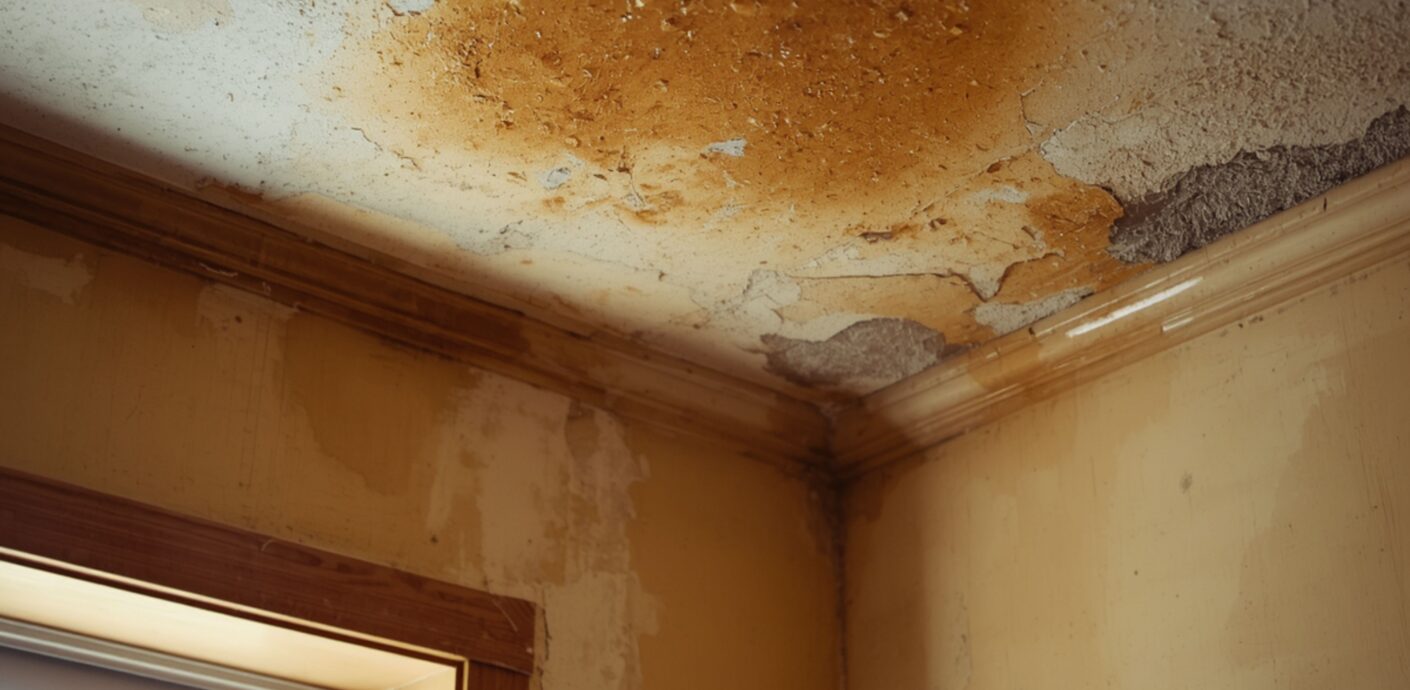
Water damage stains on a ceiling flagged during a home appraisal
Water Damage & Home Value: What Appraisers Flag

Water damage has a way of derailing a sale right when things feel like they are going smoothly. A faint ceiling stain might not worry you at all. An appraiser sees it differently, because that stain often hints at a bigger story. Knowing how water damage and home value connect, and what an appraiser flags before closing, puts you a step ahead. You get to handle problems on your own terms, not at the last minute.

By the end of this article, you’ll know:

  • The water-related conditions an appraiser looks for and writes up
  • Why a lender can stall your closing until water problems get fixed
  • What to repair and document before the appraisal happens
How Water Damage Affects Home Value

Most homeowners assume the hit to value equals the repair bill. It rarely works that cleanly. What worries a buyer, a lender, and an appraiser is what the water might have done out of sight. Water travels. A roof leak can rot the sheathing above a ceiling long before any stain shows up. Down in the basement, dampness might point to a grading or foundation issue. And a slow drip under a sink? That can feed mold behind the drywall for months before anyone notices.

That uncertainty is what moves the numbers. A home with visible water damage tends to draw lower offers, repair demands, or a longer stretch on the market. An appraiser’s job, after all, is to capture how the market reacts to what’s in front of it. So we note the visible conditions and weigh how they affect value and saleability.

What an Appraiser Will Notice

We are not home inspectors, and we do not go cutting into walls. But a trained appraiser spots the visible signs of a water problem fast during a standard residential appraisal. The usual flags:

  • Water stains on ceilings and walls
  • Standing water in a basement, crawlspace, or against the foundation
  • A musty smell that says moisture is still hanging around
  • Warped or swollen drywall, baseboards, and flooring
  • Roof leaks, or shingles that have clearly seen better days
  • Grading that sends rainwater toward the house instead of away from it

A lot of this matters because of what tends to follow water: mold. The EPA points out that mold needs ongoing moisture to grow. So a damp crawlspace, or a stain nobody can explain, earns more scrutiny than its size might suggest.

How Water Damage Can Hold Up Your Closing

Water damage can hold up the calendar, too. Lenders, especially on government-backed loans, hold a property to minimum condition standards.. Active water intrusion is one of the more common reasons an appraisal comes back “subject to repair.”

Once that happens, the lender usually wants it fixed and re-checked before the deal can close. Even a small repair can push your closing date back a week or two. Worse, when it only turns up at the appraisal, that lost time becomes the real cost for anyone working to a firm contract date.

Old Damage Reads Differently From Active Damage

Not every water stain carries the same weight. The question an appraiser really cares about is whether the source got fixed.

Picture a leak you repaired last spring. You replaced the ruined drywall and kept the receipts. In that case the worry mostly evaporates, because you can prove the problem is behind you. Now picture a fresh stain, a corner that’s still damp, and no paperwork. An appraiser has to treat that as a live issue, and so will the buyer.

What to Do Before the Appraiser Shows Up

A few moves keep a water issue from running your whole sale:

      1. Fix the source, first and always. Scrub a stain without stopping the water and it comes right back, usually at the worst possible moment.
      2. Keep the paperwork. Invoices, contractor notes, inspection reports. Good documentation answers the appraiser’s question before anyone asks it.
      3. Repair what shows. Swap out stained drywall, ceiling tiles, and warped trim, so nobody is writing up damage you have already handled.
      4. Speak up early. If the house has had a real water event, tell your agent and your appraiser up front. Then everyone plans around the facts instead of a surprise.
Why It Pays to Get Ahead of It

Water damage does not have to wreck your value or your timeline. Most of the harm to a sale comes from the unknowns, like what’s behind the wall and whether it’s still wet. Clear those up and the whole conversation shifts in your favor.

So track down the source, fix it, write it all down, and patch the visible damage before you list. Do that, and a water stain stays a footnote in your sale rather than the headline at your closing.

Worried water could cost you at the closing table?

Find out where your home really stands before a lender or a buyer raises the question. PahRoo delivers independent, defensible appraisals that give you answers, not guesswork.

Request Your Appraisal

Frequently Asked Questions

Does water damage lower a home’s appraised value?

It can, though not on its own. The effect depends on how bad it is, whether you’ve fixed the source, and how nervous it makes buyers. Often the real drag on value is what the damage hints at, rather than the damage you can see.

What does an appraiser look for when checking for water damage?

Visible clues, mostly: stains, standing water, musty smells, warped materials, signs of a roof leak, and poor drainage. An appraiser reports what’s in plain sight and won’t go digging behind walls or running lab tests.

Will water damage stop a home loan from closing?

It can slow things down. A lender may insist that active water intrusion gets corrected and re-inspected first, particularly on government-backed loans with condition standards to meet.

Do I need to fix water damage before selling?

Usually yes, especially when it’s visible or a buyer needs financing. Sorting it out before you list keeps the negotiation calmer and lowers the odds of a delayed closing.

Is old, repaired water damage still a problem for an appraisal?

Much less of one, as long as you fixed the source and have the records to show it. Repaired and documented damage sits in a very different category from something fresh or unexplained.

Need an Independent Appraisal?

Sometimes water damage, repairs, or condition questions cloud what a home is really worth. In those moments, an independent appraisal gives you a credible, well-supported answer before you negotiate or finance.

PahRoo Appraisal & Consultancy, LLC helps homeowners, attorneys, accountants, bankers, and real estate professionals make confident decisions. Whether you’re preparing to sell, settling an estate, removing PMI, navigating a divorce, or weighing how a property’s condition affects value, our team is ready to help.


The three types of home appraisals: full, exterior-only, and desktop
The 3 Types of Home Appraisals: Full, Exterior, Desktop

Not every home appraisal involves an appraiser walking through your living room. Some are done from the curb. Others happen entirely from a desk, with nobody visiting at all. So if you’re buying, refinancing, or settling a legal matter, knowing the types of home appraisals, and which one applies to you, tells you a lot about what you’re paying for and how much weight the result can carry.

By the end of this article, you’ll know:
  • What separates a full, exterior-only, and desktop appraisal
  • When a lender is likely to order each one
  • Why the familiar form numbers are about to disappear in 2026
What the Three Types of Home Appraisals Actually Mean

The difference comes down to one question: how much of the property does the appraiser actually see? That scope drives everything else, including cost, turnaround, and how confident anyone can be in the final number. Three scopes cover most situations, so let’s take them in order, from the most thorough to the lightest.

The Full Appraisal: Inside and Out

This is the one most people picture. First, the appraiser visits the property, inspects the exterior, and walks the interior room by room. We measure, photograph, note condition and quality, and flag anything that affects value. On the legacy forms, this is the 1004 for a single-family home.

A full appraisal carries the most weight, because the appraiser has seen the property firsthand. So for higher-stakes work, like an estate settlement, a divorce, or a property tax appeal, this is usually the scope you want. There is no data gap for anyone to poke at later.

The Exterior-Only Appraisal: A Look From the Curb

An exterior-only appraisal, sometimes called a drive-by, is what it sounds like. The appraiser views and photographs the outside of the home but does not go inside. For the interior, we rely on other sources, such as prior listings, public records, and whatever reliable data exists. On the legacy forms, this is the 2055.

It is faster and cheaper than a full appraisal. Still, there’s a trade-off. Without eyes on the interior, the appraiser cannot confirm condition, updates, or problems behind the front door. So lenders tend to reserve it for lower-risk situations, not for a purchase where the inside is a mystery.

The Desktop Appraisal: No Visit at All

A desktop appraisal goes one step further. The appraiser never visits the property. Instead, the whole analysis runs on data: MLS records, public records, and a floor plan that shows the interior walls. A licensed or certified appraiser still develops the opinion of value and signs the report, so it is a real appraisal, not an automated computer estimate.

Fannie Mae made desktop appraisals a permanent option back in March 2022, mainly for certain one-unit purchase loans. Their guidelines require a floor plan, not just an exterior sketch, so the appraiser can judge how the home actually functions. One rule is worth knowing: if a desktop appraiser ends up visiting and inspecting the property, it stops being a desktop and becomes a full appraisal. The scope defines the product, not the intention.

The three side by side
Scope Interior seen? Exterior seen? Legacy form Typical use
Full Yes, in person Yes, in person 1004 Purchases, high-stakes valuations
Exterior-only No (from data) Yes, in person 2055 Lower-risk refinances
Desktop No (data + floor plan) No (from data) 1004 Desktop Certain low-risk purchase and refi loans

One more option sits alongside these: the hybrid, where a trained third party collects the property data and the appraiser does the analysis from it. Still, the principle is the same. The less the appraiser sees in person, the more the result leans on someone else’s data.

Which One Will You Get?

For most home purchases, expect a full appraisal. It is the standard, and it gives the lender the most complete picture. By contrast, exterior-only and desktop appraisals show up more often in refinances and lower-risk loans, where the lender’s automated system signals that a lighter scope is acceptable.

Usually you don’t choose. The lender’s system decides what’s eligible. But you can ask which scope is being used, and it pays to ask. If you’re ordering an appraisal yourself, outside a loan, for a divorce, an estate, or a Cook County tax appeal, you can request a full interior appraisal. For those purposes, you generally should. After all, a value backed by an actual walkthrough is far harder to challenge.

What’s Changing in 2026

One big shift is landing in 2026, and it reshapes everything above. For example, the form numbers in this article, the 1004, the 2055, the 1004 Desktop, are being retired. Fannie Mae and Freddie Mac are replacing them with a single, dynamic report called the Uniform Residential Appraisal Report, or URAR, built on a data standard known as UAD 3.6.

Instead of a separate form for each scope, one report now flexes to fit the assignment, whether that’s a full interior inspection, an exterior-only, or a desktop. The timeline is set. In fact, lenders have been able to use the new format since early 2026. By November 2, 2026, it becomes mandatory, so every appraisal on a loan sold to Fannie Mae or Freddie Mac must use UAD 3.6. The old format then retires fully in May 2027. Fannie Mae’s UAD page tracks the details as they firm up.

So the labels are changing, but the underlying choice is not. Full, exterior-only, and desktop still describe how much the appraiser sees. That question outlives any form number.

The Form Changes, the Question Doesn’t

Strip away the form numbers and every appraisal answers the same thing: how well does the appraiser actually know this property? For instance, a full interior appraisal answers it with a walkthrough. An exterior-only answers it from the curb. A desktop answers it from data and a floor plan. Each has its place, and each carries a different level of certainty.

So when an appraisal lands on your desk, look past the format and ask what the appraiser was allowed to see. For anything that has to hold up, in court, in a negotiation, or in front of a lender, that scope is the whole ballgame.

Not sure which kind of appraisal your situation needs?

The right scope depends on what’s at stake. For an estate, a divorce, a tax appeal, or a lending decision, talk to PahRoo about the appraisal that will actually hold up.

Request an Appraisal

Frequently Asked Questions

What is the difference between a desktop and a full appraisal?
A full appraisal includes a physical inspection, inside and out. A desktop appraisal has no inspection at all; the appraiser works from data and a floor plan. Both are done by a licensed appraiser, but the full version rests on firsthand observation.
Does a desktop appraiser ever visit the property?
No. If the appraiser visits and inspects the home, it stops being a desktop appraisal and becomes a full one. The whole point of a desktop is that the analysis happens from data sources rather than a site visit.
Is an exterior-only appraisal less reliable than a full appraisal?
It carries less certainty about the interior. The appraiser sees the outside but relies on data for what’s behind the door. For lower-risk situations that’s often fine, but where interior condition matters, a full appraisal is stronger.
Which type of appraisal will my lender order?
Usually the lender’s automated system decides, based on the loan’s risk. Most purchases get a full appraisal. Lighter scopes like desktop or exterior-only show up more in refinances and lower-risk loans. You can always ask which one is being used.
Are appraisal forms like the 1004 going away?
Yes. By November 2026, Fannie Mae and Freddie Mac are replacing the legacy forms with one dynamic report called the URAR. The form numbers retire, but the scope choices, full, exterior-only, and desktop, carry over into the new report.

Need an Appraisal You Can Stand Behind?

As the industry shifts toward lighter, data-only products, the value of an appraiser who has actually seen the property only grows. So at PahRoo, the appraiser who develops the analysis is the one who signs the report. That accountability is the whole point.

PahRoo Appraisal & Consultancy, LLC helps homeowners, attorneys, accountants, bankers, and real estate professionals make confident decisions across the Chicago area. Whether you’re weighing a Cook County tax appeal, settling an estate, removing PMI, or navigating a divorce, our team is ready to help.

Mold remediation work completed before selling a home
How Mold Affects a Home Appraisal and Sale

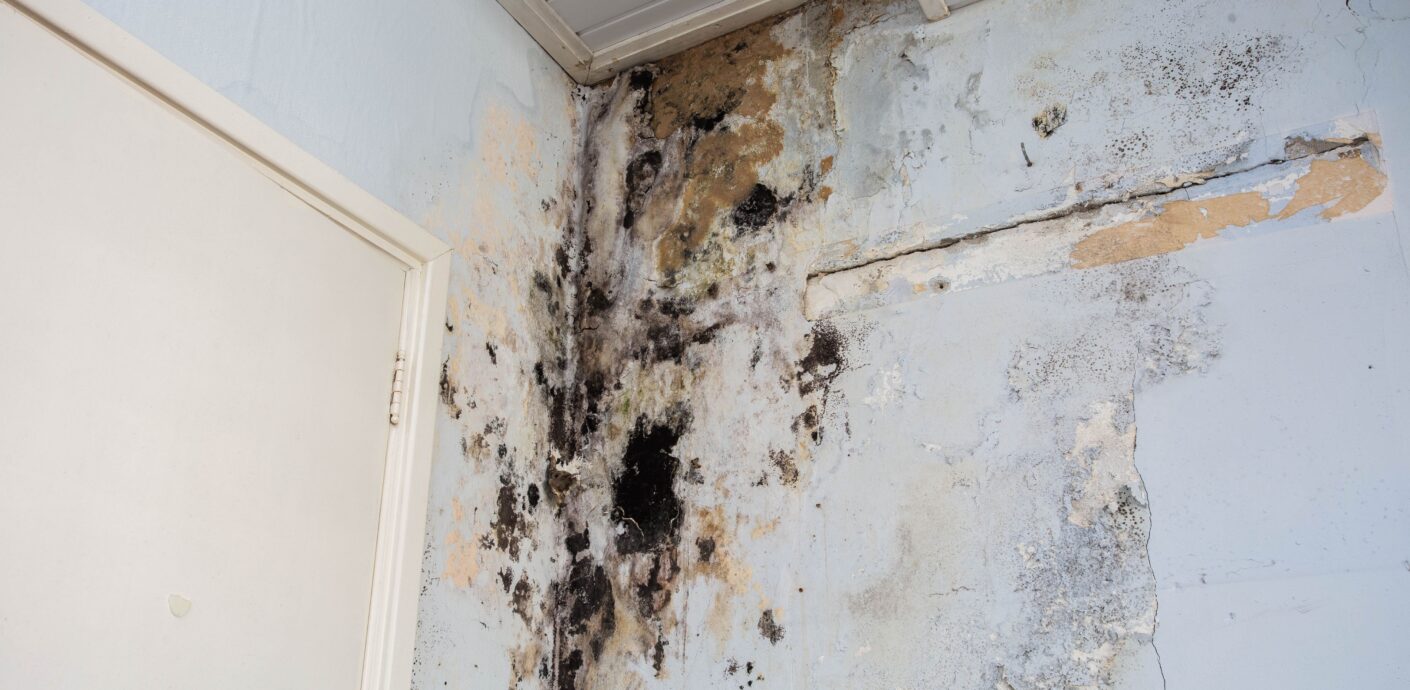
Mold has a way of turning a smooth home sale into a tense negotiation. A small patch in a bathroom rarely sinks a deal. Visible growth spreading across a ceiling is a different conversation. If you’re getting ready to sell, knowing how mold affects a home appraisal helps you stay ahead of the questions buyers and lenders are about to ask.

By the end of this article, you’ll know:

  • Whether mold actually pulls down your appraised value
  • What a lender might demand before clearing the loan
  • How to handle mold before you list, and what to keep on file
How Mold Affects a Home Appraisal

Most sellers picture the cost of cleanup and stop there. The bigger issue is what mold usually signals. It points to moisture, and moisture points to a cause: a roof leak, a plumbing problem, poor ventilation, or water creeping in through the foundation. So when we spot mold, we start wondering what’s behind it.

That uncertainty is what worries buyers and lenders. A home with obvious mold often draws lower offers, or sits on the market longer than a comparable place with no moisture history. An appraiser’s job, after all, is to reflect how the market reads a property. So we note what’s visible and weigh how it affects value and sale ability.

What an Appraiser Will Notice

We are not mold inspectors, and we do not take air samples or open up walls. But during a standard residential appraisal, the visible signs of a moisture problem are hard to miss. The usual flags:

      • Visible mold on walls, ceilings, or around windows
      • Water stains and discolored patches
      • A musty smell that lingers in a room
      • Warped or damaged drywall
      • Signs of past leaks that were never fully sorted out

Much of this matters because of where mold leads. The EPA explains that mold needs steady moisture to spread. So a musty basement, or a stain nobody can account for, pulls more attention than its size might suggest.

How Mold Can Hold Up Your Financing

Mold can cost you time as well as money. Lenders watch closely for anything that reads as a health or safety concern. If visible mold turns up while a buyer is financing, the lender may pause and ask for more before clearing the loan.

That might mean remediation records, proof of repair, an extra inspection, or a professional evaluation. Each step adds days. Worse, when it all surfaces at the appraisal rather than earlier, the delay can put a contract date at risk.

Should You Remediate Before Selling?

There’s no single answer, because every house is different. Still, in most cases where the mold is visible or a buyer needs financing, dealing with it before you list pays off. It keeps the negotiation from collapsing into a fight over repairs, and it clears away a common reason for loan delays.

A few questions help you decide. How widespread is it? Have you fixed the moisture source, or only wiped away what you could see? Would a buyer notice it on a walkthrough? Could it trip up financing? Whatever you choose, hold on to the records. Good documentation reassures a buyer far more than a verbal “it’s been handled.”

A Word on Disclosure

Disclosure rules shift from state to state, and sometimes town to town. In a lot of places, sellers have to disclose known material defects, and mold can fall into that bucket. Hiding a known problem tends to create much bigger headaches later in the deal.

So before you list, get clear on what your state requires. When in doubt, ask a qualified agent or a real estate attorney. Being upfront builds trust, and it heads off arguments after closing.

What to Do Before the Appraiser Arrives
      1. Fix the moisture source first. Clean the mold without stopping the water and it comes right back, often worse than before.
      2. Keep your paperwork. Remediation invoices, contractor notes, inspection reports. Records answer the questions before anyone asks them.
      3. Repair what shows. Replace stained drywall and damaged materials, so nobody is writing up problems you have already solved.
      4. Flag it early. If the house has had a real mold issue, tell your agent and appraiser up front. Then everyone works from the facts.
Why Getting Ahead of It Pays Off

Mold does not automatically wreck a home’s value. What it does is shape how buyers, lenders, and the market see the place, and it can stall a sale when it shows up unaddressed. The real worry usually sits behind the mold: the moisture feeding it and the cost of putting things right.

So track down the source, fix it, document the work, and tidy up the visible damage before you list. Handle it early, and mold stays a manageable line item rather than the thing that derails your closing.

Not sure how mold could affect your home’s value?

Get a clear, independent read before a buyer or a lender turns it into a problem. PahRoo delivers defensible appraisals that show you exactly where you stand.

Request Your Appraisal

Frequently Asked Questions

Can mold cause a low home appraisal?

It can. If mold drags on the home’s condition, its saleability, or buyer interest, that can show up in the value. How much depends on how bad the problem is and how the market reacts to it.

Will an appraiser test for mold?

No. Appraisers aren’t mold inspectors, and we don’t run environmental tests. We will note visible mold or moisture damage if we see it during the walkthrough.

Should mold be removed before selling a house?

Often yes, particularly if it’s visible or a buyer is financing. Clearing it up early tends to steady buyer confidence and head off delays. The right call depends on how widespread it is and your local market.

Does mold affect property value?

It can. Value tracks buyer perception, repair costs, financing worries, and the overall condition of the property.

Can a lender deny financing because of mold?

Sometimes. A lender may ask for remediation, repairs, or an inspection before approving the loan if the mold raises a real health, safety, or condition concern.

Need an Independent Appraisal?

When condition concerns, repairs, or saleability questions cloud what a home is worth, an independent appraisal gives you a credible, well-supported answer before you negotiate or finance.

PahRoo Appraisal & Consultancy, LLC helps homeowners, attorneys, accountants, bankers, and real estate professionals make confident decisions. Whether you’re preparing to sell, settling an estate, removing PMI, navigating a divorce, or weighing how a property’s condition affects value, our team is ready to help.


Property condition concerns identified during home appraisal inspection
Pest Infestations and Property Appraisals

Pest Infestations and Property Appraisals: When an Inspection Becomes a Safety Issue

The fleas started jumping almost immediately.

A routine residential appraisal inspection quickly turned into something more serious. As one of our appraisers moved through the home, active fleas were present throughout the property. The appraiser saw cockroaches in multiple areas. The appraiser could not treat the condition as isolated, minor, or easy to ignore.

At that point, the assignment was no longer just about documenting bedrooms, measuring the structure, and observing finishes.

It became a safety issue.

For appraisers, brokers, lenders, attorneys, accountants, and property owners, this type of situation raises an important question: when does a pest infestation become more than a condition concern?

The answer matters because pest infestations can affect safety, marketability, financing, and the timeline of a transaction.

Why Pest Infestations Matter in a Property Appraisal

Appraisers are not pest inspectors. Their role is not to diagnose infestations, determine treatment plans, or certify whether a property is pest-free.

However, an appraiser must observe and report visible property conditions that may affect the assignment.

That distinction is important.

Visible fleas, roaches, rats, or other pests may point to larger concerns during an inspection., the issue may point to larger concerns, including deferred maintenance, moisture problems, sanitation issues, damage, or reduced marketability.

For the client, this matters because visible infestation can create risk before closing. A lender may require additional review. A buyer may hesitate. A broker may face delays. An attorney may need clearer documentation for a legal matter.

When the appraiser identifies the issue early, everyone can respond sooner.

When the Inspection Becomes a Safety Concern

No appraisal assignment is worth risking personal health or safety.

In this case, the appraiser had to make a professional judgment call. Continuing the inspection meant prolonged exposure to active pests. Leaving too soon could limit the available property observations. Ignoring the issue was not an option.

That is where experience matters.

An appraiser must document what is observable, communicate clearly with the client, and avoid making unsupported conclusions. The appraiser should also note any limitations when the condition prevents a full or safe inspection.

For property owners and professionals, this creates an important takeaway: unsafe property conditions can limit the inspection and may affect how the appraisal report is completed.

Property condition concerns identified during home appraisal inspection

Condition Issue or Value Issue?

A pest infestation usually starts as a condition issue.

But depending on severity, it can become a marketability or financing concern.

A minor, isolated issue may have limited impact if it is quickly corrected. A severe infestation may raise questions about habitability, buyer resistance, repair needs, or lender requirements.

That does not mean every pest problem automatically changes the final opinion of value. It means the condition must be considered in context.

The appraiser may need to ask:

      • Does the infestation appear active?
      • Is it widespread?
      • Could it affect health or safety?
      • Did it limit the inspection?
      • Would typical buyers react negatively?
      • Could the lender require treatment or further inspection?

These questions protect the integrity of the appraisal and give the client a clearer picture of risk.

Why Lenders Care About Pest Infestations

Lenders are concerned with collateral risk. If a property has obvious health, safety, or habitability concerns, the lender may need those issues addressed before the loan can move forward. For FHA-related assignments, HUD guidance requires appraisers to consider property conditions connected to safety, security, and soundness, which is why visible infestation concerns may need additional review. See the FHA Single Family Housing Policy Handbook 4000.1.

That can lead to further inspection, treatment documentation, repair requirements, or a subject-to appraisal.

For brokers and borrowers, this matters because unresolved infestations can delay financing. For bankers, it creates a collateral review issue. For attorneys and accountants, it may affect estate, divorce, litigation, or tax-related property decisions.

A credible appraisal helps decision-makers understand what the appraiser observed and why it matters.

When a Subject-To Appraisal May Be Needed

In some cases, the appraiser may complete the appraisal subject to corrective action.

For pest infestations, this may include professional treatment, repair of related damage, or verification that the condition has been addressed.

This is not about creating unnecessary obstacles. It is about protecting the client, lender, and transaction from avoidable risk.

Clear documentation helps prevent confusion when a property condition could affect safety, habitability, or market acceptance.

What Brokers and Realtors Can Learn From This

Early disclosure helps everyone.

Early disclosure of known pest activity, water intrusion, odor, damage, or other condition concerns can prevent last-minute surprises.

For brokers, this can mean fewer financing delays, better client expectations, and stronger professional credibility.

An appraiser walking into a severe infestation without warning creates unnecessary risk. A broker who communicates known issues upfront helps the process move with fewer disruptions.

What Attorneys, Accountants, and Bankers Should Know

For professional decision-makers, pest infestations are not just a property nuisance.

They can affect the reliability of assumptions, the timing of reports, the need for additional documentation, and the usefulness of the appraisal in financial or legal decisions.

In divorce, estate, tax appeal, lending, or litigation matters, property condition can materially affect how a property is understood.

A well-supported appraisal gives you clearer documentation, stronger decision support, and fewer surprises.

The Professional Takeaway

The lesson from this inspection is simple: appraisers must know when a routine assignment has become a risk issue.

Appraisers should document pest infestations carefully, communicate them professionally, and handle them with sound judgment. The appraiser should not overstep into pest inspection work, but should never ignore visible conditions.

For clients, the benefit is clarity.

You gain a better understanding of how property condition may affect financing, timing, marketability, and risk. You also gain professional documentation that supports smarter decisions before a transaction, dispute, or financial review moves forward.

When property conditions create uncertainty, the right appraisal can bring the issue into focus.

Don’t Let Property Conditions Derail Your Transaction

Whether you’re dealing with a lending decision, estate settlement, divorce proceeding, tax appeal, litigation matter, or pre-sale planning, unexpected property conditions can create significant risk if they are not properly documented and understood.

A credible appraisal provides more than a number. It provides the independent analysis, market insight, and professional documentation needed to make confident decisions and avoid costly surprises.

If you need a residential appraisal and want experienced professionals who understand both the property and the risks behind it, PahRoo is ready to help.

Discuss your situation with an experienced appraiser and receive the guidance you need before making an important real estate, financial, or legal decision.

Frequently Asked Questions About Pest Infestations and Property Appraisals
Question: Can a pest infestation affect a home appraisal?

Answer: A pest infestation can affect a property appraisal when it raises concerns about safety, habitability, 
deferred maintenance, or marketability. While appraisers do not diagnose pest problems, they must report 
observable conditions that could influence a lender's decision, a buyer's perception, or the overall 
appraisal assignment.

Question: Will a lender require pest treatment before closing?

Answer: It depends on the severity of the infestation and the loan program. 
Significant pest activity may prompt a lender to request additional inspections, treatment documentation, 
or repairs before the loan can move forward. Addressing known issues early can help reduce delays 
during underwriting.
Question: What should property owners do before an appraisal if they know there is a pest problem?

Answer: Property owners should address active infestations whenever possible and disclose any 
condition issues that may affect the property. Early treatment and transparency can help prevent 
surprises, reduce transaction delays, and provide a clearer understanding of the property's condition during 
the appraisal process.
Property Updates That Add Value According to an Appraiser

In Chicago, a new kitchen can come with two bills: the contractor’s and the assessor’s. That second bill surprises people, and so does the four-year tax break that can soften it. Between the city’s century-old housing stock and Cook County’s permit-driven assessment system, the renovations that add value in Chicago follow different rules than the national lists suggest. Here is how an appraiser reads them.

By the end of this article, you’ll know:

  • Which projects pay off in bungalows, two-flats, and greystones specifically
  • How your building permit reaches the assessor, and why 2027 matters
  • How the Home Improvement Exemption shields up to $75,000 of added value for four years

The Renovations That Add Value in Chicago’s Housing Stock

National remodeling lists assume a generic suburban house. Chicago is not that. Much of the city is brick bungalows, two-flats, and greystones built about a century ago, and that stock rewards specific moves.

In the bungalow belt, the money hides above and below the main floor. A dormered attic or a finished basement adds living area to a footprint that cannot grow sideways on a standard city lot. Buyers pay for that space, and appraisers count it when it is permitted and finished to code. In two-flats, the highest-value project is often not cosmetic at all. Bringing a second unit up to legal rental condition adds income the market capitalizes into price.

Age moves systems up the priority list too. In housing this old, updated electrical, plumbing, and roofing carry more weight than they would in a 1990s subdivision, because buyers here price in the risk of hundred-year-old infrastructure. A renovated kitchen sitting on knob-and-tube wiring impresses no one who reads an inspection report. So the national rule holds, only more strongly: function first, then finishes. One more Chicago habit worth keeping: check your own block before budgeting. Values shift street by street here, and the ceiling on a block of frame workers cottages differs from the greystone block two streets over.

The 2026 market raises the stakes on getting this right. Realtor.com’s Market Clock analysis places Chicago among the strongest seller markets in the country this year, with tight inventory across the Midwest. Renovated homes in that environment can command real premiums. But a hot market tempts owners into overbuilding, because everything seems to sell. The block’s ceiling still exists. It just hides better when demand runs high.

Your Permit Is Also a Postcard to the Assessor

Here is the part generic articles skip. In Cook County, building permits flow to the Assessor’s Office, which field-checks the improvement and updates the property’s records. Your renovation reaches the tax roll through the same paperwork that makes it legal. And the timing right now is worth knowing: the City of Chicago is reassessed in 2027 under the county’s triennial cycle, so work finished in 2026 will be on the books when those notices mail.

The wrong lesson to draw is to skip permits. Unpermitted work can be excluded from your home’s finished living area in an appraisal, complicates any sale, and creates exactly the inspection-report risk Chicago buyers already fear. The permit costs you far less than the value it protects. Better to permit the work and use the tax relief the county actually offers.

The $75,000 Tax Break Most Chicago Owners Miss

Cook County’s Home Improvement Exemption lets an owner-occupant improve their home without being taxed on up to $75,000 of the added value for up to four years. No application is required. When the Assessor’s Office receives the building permit and completes its field check, it applies the exemption to eligible properties and mails the owner a notice.

The assessor’s own example makes the math plain. A $100,000 home expands, and the estimated market value rises to $175,000. The added $75,000 is exempt, so the home is assessed as if still worth $100,000 for up to four years. Routine maintenance does not qualify, and the property must be an owner-occupied Class 2 residence. After the exemption period, the added value joins your taxable base. Questions about your specific eligibility belong to the Assessor’s Office or your tax advisor; our lane is the value itself. But every Chicago owner planning a major project should know this program exists before the first wall comes down.

Plan the Project Like an Appraiser Would

Put it together and the Chicago playbook looks like this. Fix the old systems first, because this housing stock punishes deferred maintenance at sale. Add permitted, code-compliant space where your building type rewards it: the attic, the basement, the second unit. Pull the permit, take the exemption, and keep every receipt and sign-off. Then, before committing real money, find out what renovated homes on blocks like yours actually sell for.

A pre-renovation appraisal answers that last question with evidence. It tells you your home’s current value and how much room your block leaves for improvement, so the budget matches what the market will return. In a city where the answer changes every few streets, that is not a luxury. It is the difference between an investment and an expensive surprise.

Renovating a bungalow, two-flat, or greystone?

Find out what your block actually pays for the project you’re planning, from an appraisal firm that has valued Chicago housing stock for over two decades.

Price Your Project’s Payoff

Frequently Asked Questions

Will remodeling increase my property taxes in Chicago?

It can. Building permits in Cook County flow to the Assessor’s Office, which field-checks improvements and updates the property’s assessed value. The Home Improvement Exemption softens this for owner-occupants by exempting up to $75,000 of added value for up to four years, after which the added value becomes taxable.

What is the Cook County Home Improvement Exemption?

It is a program that lets owner-occupants of Class 2 residential property improve their homes without being taxed on up to $75,000 of the added value for up to four years. The Assessor’s Office applies it automatically after receiving the building permit and field-checking the work, so no application is needed.

Should I skip permits to avoid a higher assessment?

No. Unpermitted work may be excluded from your home’s finished living area in an appraisal, creates problems at sale, and raises red flags on inspection reports. Permitting the work and using the Home Improvement Exemption protects far more value than avoiding the assessor ever could.

Which renovations add the most value in Chicago?

In Chicago’s older stock, updated systems come first, since buyers discount homes with century-old wiring, plumbing, or roofs. After that, permitted space additions suit the building type: dormered attics and finished basements in bungalows, and legal second units in two-flats. Value varies block by block, so local comparable sales should guide the budget.

Should I get an appraisal before renovating my Chicago home?

For a major project, yes. A pre-renovation appraisal establishes your current value and shows what renovated homes on similar blocks sell for, so you can size the budget to your street’s actual ceiling before construction starts.

Two Decades of Valuing Chicago’s Bungalows and Two-Flats

PahRoo Appraisal & Consultancy has appraised Chicago-area homes for more than twenty years, led by an appraiser holding both MAI and SRA designations. For the national picture on which projects recover their cost, read our companion piece on property updates that add value, or request a residential appraisal before your next project breaks ground.


Multigenerational family enjoying time together at home in 2025
Multigenerational Living and What It Does to Home Value

Multigenerational living has quietly become one of the most durable forces in American housing. Fourteen percent of recent buyers purchased a multigenerational home, near the record 17% set a year earlier. Behind the trend sits a practical question most articles skip: what do in-law suites, second kitchens, and converted garages actually do to a home’s value? As appraisers, we get to answer that one.

By the end of this article, you’ll know:

  • Who is buying multigenerational homes and why the trend is here to stay
  • Which features buyers consistently pay for, and which ones can backfire
  • How an appraiser actually values an in-law suite, a second kitchen, or a garage conversion

Why Multigenerational Living Became Mainstream

The National Association of Realtors 2026 Generational Trends report puts numbers on what families already feel. Gen X leads the trend, with 19% of buyers in that group choosing a multigenerational home. The top motivations are caring for aging parents, cost savings, and adult children moving back home.

None of those drivers is going away. Housing costs remain high, the population keeps aging, and baby boomers now account for 42% of all buyers, many of them moving specifically to be closer to family. So this is not a pandemic blip or a design fad. It is a structural shift in what a meaningful share of buyers need a house to do.

The Features Multigenerational Buyers Pay For

When families combine households, they are really buying privacy and independence under one roof. A few features deliver that consistently. A suite with its own entrance, bathroom, and sitting area lets a parent or adult child live semi-independently. A main-floor bedroom with an accessible bath serves aging relatives without a renovation later. Kitchenettes or full second kitchens let two households keep separate routines.

Flexible space matters almost as much as finished space. A basement that could become a suite, or a bonus room over the garage, gives buyers room to adapt. In neighborhoods where multigenerational demand runs strong, homes with these features often draw a deeper buyer pool and sell with less friction. But “often” is doing real work in that sentence, and this is where valuation gets interesting.

How an Appraiser Values an In-Law Suite or Second Kitchen

The honest answer: a feature is worth what the local market pays for it, not what it cost to build. Appraisers measure that through comparable sales. If homes with in-law suites in your area sell for more than similar homes without them, that difference is the feature’s contributory value. A $90,000 suite addition might contribute $60,000, or $110,000, depending entirely on local demand.

A quick example shows how this plays out. Two owners on similar blocks each spend $85,000 finishing a basement suite with a bath and kitchenette. One neighborhood has a steady stream of Gen X buyers housing aging parents, and suites there routinely command a premium. The other skews toward first-time buyers who just want the cheapest three-bedroom they can find. Same project, same cost, very different contributory value. Cost tells you what you spent. Only the market tells you what you got.

A second kitchen is the classic mixed signal. To a multigenerational buyer, it is exactly what they need. To others, it whispers “former illegal apartment,” and in some municipalities it raises real zoning questions about whether the home is being used as two units. An appraiser has to consider both the market’s reaction and the legal use of the property. The same feature can be a premium in one neighborhood and a mild drag in another.

Permits decide whether space counts at all. A garage converted to a bedroom suite without permits may not be included in the home’s finished living area, because unpermitted space carries legal and safety risk that lenders and buyers discount. Owners are sometimes shocked that their most expensive project added little on paper. The lesson runs the other direction too: a permitted, well-executed suite in a high-demand area is among the strongest value adds a home can have.

Buyers face the mirror image of this problem. Listings now advertise “in-law suite” and “related living” as premium features, and sellers price accordingly. Some of those premiums are earned. Others rest on unpermitted space, awkward layouts, or a second kitchen the city never approved. Before you pay extra for a multigenerational setup, it is worth knowing whether the feature will hold its value when you eventually sell, or whether you are buying someone else’s permit problem at a markup.

Check Three Things Before You Build or Buy

First, permits and zoning. Confirm that any existing conversion was permitted, and that your municipality allows what you plan to build. Second, the comps. If no home in your area has sold with a second suite, the market may not yet reward one, however useful it is to your family. Third, the resale pool. A design that serves your household beautifully should still make sense to the next buyer.

An appraisal answers the value side of all three before money moves. For buyers, it tells you whether the multigenerational home is priced on real contributory value or on wishful thinking. For owners planning a suite, it tells you what the market will likely give back. Either way, you decide with a number instead of a hunch.

Adding a suite or buying a home with one?

Find out what that in-law suite, second kitchen, or converted space is actually worth in your market before you commit the money.

Value the Feature First

Frequently Asked Questions

Does an in-law suite increase home value?

Usually, but the amount depends on local demand. An appraiser measures the suite’s contributory value by comparing sales of similar homes with and without one. A permitted suite in an area with strong multigenerational demand can add substantial value; the same suite elsewhere may return less than it cost to build.

Does a second kitchen add or hurt value?

It cuts both ways. Multigenerational buyers often pay for the convenience, while other buyers may see zoning risk or a former illegal conversion. An appraiser weighs the local market’s reaction and whether the kitchen complies with the property’s legal use before crediting it with value.

Does unpermitted converted space count in an appraisal?

Often it does not count as finished living area. Unpermitted conversions carry legal and safety risk, so lenders and buyers discount them, and appraisers may exclude the space from the home’s reported square footage. Permitting work before selling protects the value of the investment.

How common is multigenerational home buying?

Very common now. NAR’s 2026 Generational Trends report found 14% of recent buyers purchased a multigenerational home, near the record 17% the year before. Gen X buyers led the trend at 19%, motivated by caring for aging parents, cost savings, and adult children moving home.

Should I get an appraisal before adding an in-law suite?

It is a smart first step. An appraiser can tell you what similar suites contribute to sale prices in your specific area, so you know the likely return before construction starts. That protects you from overbuilding for your neighborhood.

Know What the Suite Is Worth Before the Market Tells You

PahRoo Appraisal & Consultancy values homes across the Chicago area and beyond, led by an appraiser holding both MAI and SRA designations. From a residential appraisal before a purchase or renovation to full appraisal services for estates, divorce, and tax matters, we put a defensible number on the property so your family can plan around it.


NEWSLETTER

Knowing a property's true value is key
to making informed real estate decisions

Visit us

7383 Lincoln Ave Suite,
#100 Lincolnwood, IL, 60712