
Tag: FHA appraisal

Request a quote

Our blog

Latest news
& events

As-is appraisal of an older home with deferred maintenance before a pre-foreclosure sale.
As-Is Appraisal: What It Means in Pre-Foreclosure

An as-is appraisal is an opinion of value based on your property exactly as it stands today, deferred repairs and all. No promises about work you might do later. Just the house as it sits on the effective date. For a homeowner facing pre-foreclosure, that single number often carries more weight than any other document in the file.

By the end of this article, you’ll know:

  • What an as-is appraisal measures, and how it differs from a subject-to value
  • Why homes in pre-foreclosure are almost always valued as-is
  • How to put that number to work with your lender, attorney, or agent

What an as-is appraisal actually values

An as-is appraisal answers one question. What is this property worth right now, in its current condition? The appraiser inspects the home, rates its condition, and researches recent sales of similar properties. Peeling paint, a dated kitchen, a roof near the end of its life: all of it stays in the picture. Nothing gets erased or assumed away.

That matters because most other valuations quietly assume a cleaned-up house. A lender’s automated estimate does not see your water-stained ceiling. An agent’s list price often bakes in repairs you have not made. An as-is number does not flatter the property. It reflects what a buyer would actually pay for it today, which is exactly why the figure is useful when the stakes are high. Our real estate appraisal services page walks through how we build these reports.

As-is vs. subject-to: two different numbers

The counterpart to as-is is a subject-to appraisal. A subject-to value assumes certain repairs or improvements get finished. Think of it as the “after” value once the work is done.

Appraisers rely on two tools here, both defined by the Uniform Standards of Professional Appraisal Practice. An extraordinary assumption treats something uncertain as if it were true, like assuming a furnace works when we could not test it. A hypothetical condition values the home as if something false were real, like a finished basement that is still framed studs. The Appraisal Institute guide notes spell out how each one gets disclosed.

So one property can support two very different values. As-is reflects today. Subject-to reflects a future that may or may not happen. In a pre-foreclosure sale, the as-is figure is usually the honest one, because those repairs are not going to get done first.

Where FHA fits, and where it does not

FHA loans add a wrinkle. When a buyer uses FHA financing, the appraisal has to confirm the home meets HUD’s Minimum Property Requirements, which is HUD’s way of saying safe, sound, and secure. If the property clears that bar with only minor wear, the appraiser can report it as-is.

When there is a real health or safety problem, the rules change. A broken window, exposed wiring, or a failing furnace usually forces a subject-to appraisal, meaning the value assumes those items get repaired first. The HUD Handbook 4000.1 lays out these requirements, and the lender, not the appraiser, decides which repairs are mandatory.

One point causes confusion. A client cannot simply instruct an appraiser to ignore FHA repair items on a financed purchase. So if you are selling to an FHA buyer, plan for those repairs to surface. If the sale is a cash or conventional deal, an as-is report is often the right fit.

Why pre-foreclosure homes get appraised as-is

Homes heading toward foreclosure tend to share a pattern. Money got tight, so maintenance slipped. The furnace limped along and the roof went another season. By the time the property needs a value, it rarely shows well.

That creates a real challenge for the appraiser. The cleanest comparable sales are often homes in better shape. So we adjust. We look at the cost to cure each deficiency, then we test how the market actually reacts to that condition, and we bring the comparable values down to match the subject. Buyers discount a tired house by more than the raw repair bill, and a credible report captures that.

The result is a defensible as-is value: the price a real buyer would pay, supported by real sales. That kind of report holds up when a lender, a judge, or an opposing party pushes back. Our team handles foreclosure and distressed-property appraisals with that scrutiny in mind.

How to put an as-is value to work

An appraisal will not stop a foreclosure. What it does is give you an accurate number to make decisions around, and something solid to hand the people who can help.

A few common uses. In a short sale, an independent as-is value helps you and your agent price the home so the lender approves it. A low, well-supported figure can also back your case when you ask the bank to accept less than the balance owed. In a loan modification or deed-in-lieu, it shows the servicer what the collateral is really worth. And if the bank’s own valuation came in oddly high or low, a full appraisal gives you grounds to push back.

Foreclosure decisions are legal and financial ones, so loop in a HUD-approved housing counselor or an attorney early. Our job is the value. We give you a clear, USPAP-compliant number you can stand behind, whatever path you choose. If you are weighing your options, start by finding out what your home is truly worth today.

Not sure what your home is really worth right now?

Whether you are pricing a short sale, answering a lender, or just weighing your options, an independent as-is appraisal gives you solid ground to stand on.

Get Your As-Is Value

Frequently Asked Questions

What does an as-is appraisal mean?

An as-is appraisal is an opinion of value based on the property’s current condition, with no assumption that repairs or upgrades will be made. It reflects what a buyer would pay for the home exactly as it stands on the inspection date.

Is an as-is value lower than a repaired value?

Usually, yes. If a home needs work, its as-is value sits below its subject-to (repaired) value. The gap reflects both the cost to cure the problems and how much buyers discount a property in that condition.

Can I get an as-is appraisal if I am behind on my mortgage?

Yes. Homeowners in pre-foreclosure, short sales, and loan workouts often order an independent as-is appraisal. It gives you and your advisors an accurate value to negotiate around. An appraisal does not stop foreclosure, but it supports better decisions.

Does an FHA appraisal have to be subject-to repairs?

Only when the property fails to meet HUD’s Minimum Property Requirements for health and safety. If the home is safe, sound, and secure with only minor wear, an FHA appraisal can be completed as-is. The lender decides which repairs are required.

Who uses an as-is appraisal in a distressed sale?

Homeowners, real estate agents, lenders, and attorneys all rely on it. It helps set a short-sale price, respond to a servicer’s valuation, or support a loan modification or deed-in-lieu request.

Know Your Home’s Value Before You Decide

PahRoo Appraisal & Consultancy is a Chicago-based firm on the FHA appraiser roster, with more than two decades valuing homes across Cook County and beyond. We handle foreclosure and short-sale appraisals, divorce and estate work, and everyday residential valuations with the same care. When the number has to hold up, we are ready to stand behind it. Have questions first? Get in touch.

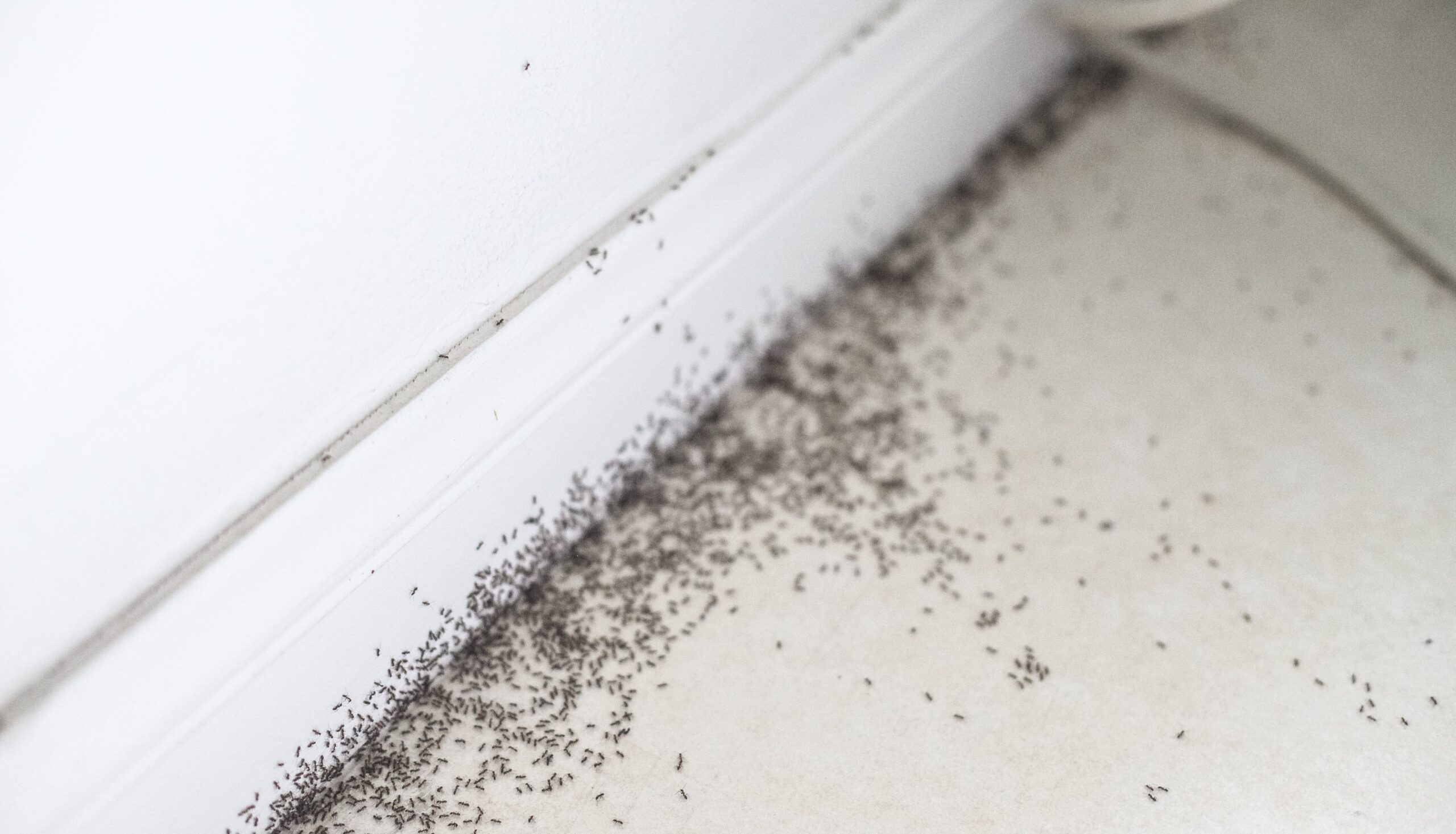
Property condition concerns identified during home appraisal inspection
Pest Infestations and Property Appraisals

Pest Infestations and Property Appraisals: When an Inspection Becomes a Safety Issue

The fleas started jumping almost immediately.

A routine residential appraisal inspection quickly turned into something more serious. As one of our appraisers moved through the home, active fleas were present throughout the property. The appraiser saw cockroaches in multiple areas. The appraiser could not treat the condition as isolated, minor, or easy to ignore.

At that point, the assignment was no longer just about documenting bedrooms, measuring the structure, and observing finishes.

It became a safety issue.

For appraisers, brokers, lenders, attorneys, accountants, and property owners, this type of situation raises an important question: when does a pest infestation become more than a condition concern?

The answer matters because pest infestations can affect safety, marketability, financing, and the timeline of a transaction.

Why Pest Infestations Matter in a Property Appraisal

Appraisers are not pest inspectors. Their role is not to diagnose infestations, determine treatment plans, or certify whether a property is pest-free.

However, an appraiser must observe and report visible property conditions that may affect the assignment.

That distinction is important.

Visible fleas, roaches, rats, or other pests may point to larger concerns during an inspection., the issue may point to larger concerns, including deferred maintenance, moisture problems, sanitation issues, damage, or reduced marketability.

For the client, this matters because visible infestation can create risk before closing. A lender may require additional review. A buyer may hesitate. A broker may face delays. An attorney may need clearer documentation for a legal matter.

When the appraiser identifies the issue early, everyone can respond sooner.

When the Inspection Becomes a Safety Concern

No appraisal assignment is worth risking personal health or safety.

In this case, the appraiser had to make a professional judgment call. Continuing the inspection meant prolonged exposure to active pests. Leaving too soon could limit the available property observations. Ignoring the issue was not an option.

That is where experience matters.

An appraiser must document what is observable, communicate clearly with the client, and avoid making unsupported conclusions. The appraiser should also note any limitations when the condition prevents a full or safe inspection.

For property owners and professionals, this creates an important takeaway: unsafe property conditions can limit the inspection and may affect how the appraisal report is completed.

Property condition concerns identified during home appraisal inspection

Condition Issue or Value Issue?

A pest infestation usually starts as a condition issue.

But depending on severity, it can become a marketability or financing concern.

A minor, isolated issue may have limited impact if it is quickly corrected. A severe infestation may raise questions about habitability, buyer resistance, repair needs, or lender requirements.

That does not mean every pest problem automatically changes the final opinion of value. It means the condition must be considered in context.

The appraiser may need to ask:

      • Does the infestation appear active?
      • Is it widespread?
      • Could it affect health or safety?
      • Did it limit the inspection?
      • Would typical buyers react negatively?
      • Could the lender require treatment or further inspection?

These questions protect the integrity of the appraisal and give the client a clearer picture of risk.

Why Lenders Care About Pest Infestations

Lenders are concerned with collateral risk. If a property has obvious health, safety, or habitability concerns, the lender may need those issues addressed before the loan can move forward. For FHA-related assignments, HUD guidance requires appraisers to consider property conditions connected to safety, security, and soundness, which is why visible infestation concerns may need additional review. See the FHA Single Family Housing Policy Handbook 4000.1.

That can lead to further inspection, treatment documentation, repair requirements, or a subject-to appraisal.

For brokers and borrowers, this matters because unresolved infestations can delay financing. For bankers, it creates a collateral review issue. For attorneys and accountants, it may affect estate, divorce, litigation, or tax-related property decisions.

A credible appraisal helps decision-makers understand what the appraiser observed and why it matters.

When a Subject-To Appraisal May Be Needed

In some cases, the appraiser may complete the appraisal subject to corrective action.

For pest infestations, this may include professional treatment, repair of related damage, or verification that the condition has been addressed.

This is not about creating unnecessary obstacles. It is about protecting the client, lender, and transaction from avoidable risk.

Clear documentation helps prevent confusion when a property condition could affect safety, habitability, or market acceptance.

What Brokers and Realtors Can Learn From This

Early disclosure helps everyone.

Early disclosure of known pest activity, water intrusion, odor, damage, or other condition concerns can prevent last-minute surprises.

For brokers, this can mean fewer financing delays, better client expectations, and stronger professional credibility.

An appraiser walking into a severe infestation without warning creates unnecessary risk. A broker who communicates known issues upfront helps the process move with fewer disruptions.

What Attorneys, Accountants, and Bankers Should Know

For professional decision-makers, pest infestations are not just a property nuisance.

They can affect the reliability of assumptions, the timing of reports, the need for additional documentation, and the usefulness of the appraisal in financial or legal decisions.

In divorce, estate, tax appeal, lending, or litigation matters, property condition can materially affect how a property is understood.

A well-supported appraisal gives you clearer documentation, stronger decision support, and fewer surprises.

The Professional Takeaway

The lesson from this inspection is simple: appraisers must know when a routine assignment has become a risk issue.

Appraisers should document pest infestations carefully, communicate them professionally, and handle them with sound judgment. The appraiser should not overstep into pest inspection work, but should never ignore visible conditions.

For clients, the benefit is clarity.

You gain a better understanding of how property condition may affect financing, timing, marketability, and risk. You also gain professional documentation that supports smarter decisions before a transaction, dispute, or financial review moves forward.

When property conditions create uncertainty, the right appraisal can bring the issue into focus.

Don’t Let Property Conditions Derail Your Transaction

Whether you’re dealing with a lending decision, estate settlement, divorce proceeding, tax appeal, litigation matter, or pre-sale planning, unexpected property conditions can create significant risk if they are not properly documented and understood.

A credible appraisal provides more than a number. It provides the independent analysis, market insight, and professional documentation needed to make confident decisions and avoid costly surprises.

If you need a residential appraisal and want experienced professionals who understand both the property and the risks behind it, PahRoo is ready to help.

Discuss your situation with an experienced appraiser and receive the guidance you need before making an important real estate, financial, or legal decision.

Frequently Asked Questions About Pest Infestations and Property Appraisals
Question: Can a pest infestation affect a home appraisal?

Answer: A pest infestation can affect a property appraisal when it raises concerns about safety, habitability, 
deferred maintenance, or marketability. While appraisers do not diagnose pest problems, they must report 
observable conditions that could influence a lender's decision, a buyer's perception, or the overall 
appraisal assignment.

Question: Will a lender require pest treatment before closing?

Answer: It depends on the severity of the infestation and the loan program. 
Significant pest activity may prompt a lender to request additional inspections, treatment documentation, 
or repairs before the loan can move forward. Addressing known issues early can help reduce delays 
during underwriting.
Question: What should property owners do before an appraisal if they know there is a pest problem?

Answer: Property owners should address active infestations whenever possible and disclose any 
condition issues that may affect the property. Early treatment and transparency can help prevent 
surprises, reduce transaction delays, and provide a clearer understanding of the property's condition during 
the appraisal process.

NEWSLETTER

Knowing a property's true value is key
to making informed real estate decisions

Visit us

7383 Lincoln Ave Suite,
#100 Lincolnwood, IL, 60712