
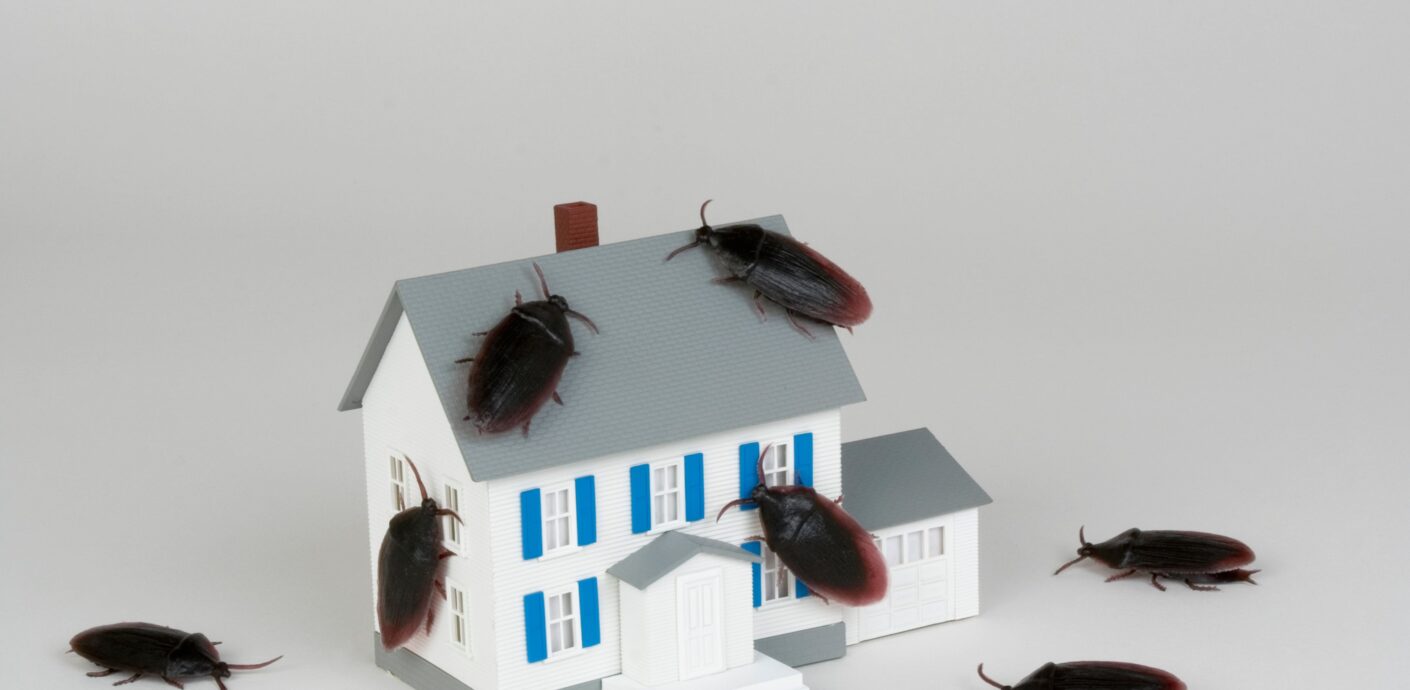
The fleas started jumping before our appraiser finished the first floor. Roaches were visible in more than one room. Pest infestations at that level stop being a line in the condition section. They become a question about whether the inspection can safely finish.
- What an appraisal report has to say when the appraiser sees evidence of infestation
- When a lender can still close as is, and when the report goes subject to
- What the Illinois disclosure form asks sellers about pests, and what it leaves out
What Pest Infestations Do to an Appraisal
Start with what the appraiser is and is not. An appraiser is not a pest inspector. Nobody on our side diagnoses an infestation, prices a treatment, or certifies that a house is clear.
The reporting duty is narrower than that, and firmer. Fannie Mae’s Selling Guide says an inspection covers the accessible areas of a property. Appraisers carry no responsibility for hidden or unapparent conditions. But the report must reflect adverse conditions that were apparent during the visit. Detrimental conditions get reported even when they are typical for competing properties nearby (Selling Guide B4-1.3-06).
So the first question after a bad walkthrough is not what this costs the value. It is what the report now has to say, and who reads it next.
Where a Condition Note Turns Into a Loan Problem
The guide has a short section titled Infestation, Dampness, or Settlement. That is the one that actually bites. When an appraisal shows evidence of infestation, the report must comment on the effect on value and on marketability.
The lender then has two ways to clear the file. One is satisfactory evidence that someone corrected the condition. The other is a professionally prepared report, based on an inspection, saying the condition poses no threat of structural damage. The appraisal itself should go subject to repairs, or subject to an inspection by a qualified professional.
Severity sets the path. Condition ratings run C1 through C6. A C6 means defects severe enough to affect the safety, soundness, or structural integrity of the improvements. If any portion of the dwelling rates C6, the whole dwelling rates C6. That loan cannot go to Fannie Mae until the deficiencies come out at C5 or better.
Worth noticing whose example the guide reaches for: wood-boring insects. Termites eat structure. Roaches, fleas and rodents usually do not. Most of the time they land in the value and marketability comment instead. That comment is the part brokers underestimate, because it travels with the file.
What a Lender Should Ask For When the Report Flags Infestation
If you are the one clearing the condition, four things are worth checking before the file moves.
Read the condition rating before anything else. A C6 is a delivery stop, not a negotiating point. Then check whether the report came in as is or subject to. If subject to, find out which one the appraiser chose: repairs, or an inspection by a qualified professional. The two close differently.
When the file clears on an inspection report, read what the inspector actually addressed. The guide asks for a professional opinion that the condition poses no threat of structural damage. A treatment receipt and a scheduled follow-up visit are not that document, and a reviewer will notice.
Finally, read the marketability comment on its own rather than folded into the value discussion. The two can move in different directions. A house can treat clean and still sit. Asking an appraiser to clarify a comment is fine. Asking for a different number is not, and a good appraiser will decline.
What the Illinois Disclosure Form Asks, and What It Leaves Out
Illinois sellers fill out the Residential Real Property Disclosure Report at 765 ILCS 77/35. It runs 24 numbered statements. Two of them touch pests. Item 19 covers current infestations of termites or other wood boring insects. Item 20 covers a structural defect caused by a previous infestation of the same.
That is the whole list. No line for roaches. No line for rodents. No line for fleas.
The form still defines a material defect broadly. It covers a condition with a substantial adverse effect on value. It also covers one that would significantly impair the health or safety of future occupants. And it puts a continuing obligation on the seller to supplement the disclosure before closing. Whether a particular infestation meets that definition is a call for the seller’s attorney. Not for the appraiser, and not for the agent.
The practical move for a listing agent is simple enough. A missing checkbox is not a missing question. If a seller tells you about an active problem, get counsel in early. Three days before closing is too late to treat and document.
When the Inspection Itself Has to Stop
No assignment is worth a health risk. The appraiser makes that call on the spot. Leaving early protects the appraiser, but it also thins out the property observations. So the report has to disclose the limitation.
That disclosure travels. A reviewer sees it, the lender sees it, and most of the time it buys a second trip. In practice that is the expensive part of a pest problem. Not the value, the calendar. The return visit waits on treatment, and the report reconciles afterward.
One more thing an experienced appraiser watches for. Pests are usually a symptom. Standing water in a crawl space, a slow leak under a kitchen sink, a blocked floor drain in a basement. Reporting the roaches and skipping the water stain gets you half the story. The less useful half.
Clear the Condition Before the Report Locks It In
If you already know about a problem, deal with it before you order the appraisal. Treat the property, keep the invoice, and hand it over at the inspection. A documented cure gives the appraiser something concrete to report. It also gives the lender a clean way to close the condition out.
When the timing does not allow that, say so before the visit. A known condition someone raised openly reads very differently than one the appraiser found on arrival. Either way, the report will describe what was there. The only part you control is whether it also describes what you did about it.
Condition Problem Standing Between You and a Closing?
Tell us what the property looks like now. We will tell you what the report will have to say about it, and what your lender is likely to ask for next.
Frequently Asked Questions
Can a pest infestation lower a home appraisal?
Usually not on its own. The appraiser reports what is visible and comments on the effect on value and on marketability. A minor problem that someone already treated often changes neither. A severe one can move both, because buyers price in the cure and the uncertainty around it.
Do appraisers inspect for pests?
No. An appraiser is not a pest inspector and does not diagnose infestations or recommend treatment. The inspection covers the accessible areas of a property. The report then reflects adverse conditions that were apparent during the visit.
What does a subject to appraisal mean?
It means the value opinion rests on something happening first. That might be a specific repair, or an inspection by a qualified professional. Fannie Mae asks for that approach when an appraisal shows evidence of infestation, dampness, or abnormal settlement.
Does Illinois require a seller to disclose a pest problem?
The state disclosure report asks two pest questions. Both are limited to termites and other wood boring insects. Other infestations have no checkbox on the form. Whether one still counts as a material defect is a question for the seller’s attorney.
Should I treat the property before the appraisal?
When the timing allows, yes. Treating first and keeping the invoice gives the appraiser something to document. It also gives the lender a cleaner file. If treatment cannot happen first, tell the appraiser before the visit rather than after.
Appraisals That Document Condition Properly
PahRoo Appraisal & Consultancy works out of Lincolnwood and covers Chicago and Cook County, along with Dallas, Philadelphia, Phoenix and Naples. Michael Hobbs, MAI, SRA, signs every report. Our residential appraisal team handles condition-heavy assignments regularly. You can also read how a home appraisal runs from order to delivery, or see what our Chicago appraisal work covers.