Tag: property tax appeal appraisal

Request a quote

Our blog

Latest news
& events

Commercial real estate appraiser in Chicago analyzing Highest and Best Use for property appraisal.
Commercial Real Estate Appraiser Chicago: Highest & Best Use

When hiring a commercial real estate appraiser in Chicago, one of the most important factors affecting value is a property’s Highest and Best Use.

Many property owners assume that a Highest and Best Use analysis automatically increases value. In reality, market evidence often tells a different story. In some cases, a property’s Highest and Best Use can actually support a lower value conclusion, particularly when market conditions, redevelopment potential, or economic feasibility do not align with expectations.

For property owners, attorneys, accountants, bankers, and brokers, understanding how Highest and Best Use influences an appraisal can be critical during tax appeals, estate settlements, litigation matters, financing decisions, and investment planning.

A qualified commercial real estate appraiser in Chicago evaluates not only what a property could become, but what informed buyers would realistically pay for it in today’s market. That distinction can have a significant impact on value.

What Is Highest and Best Use in Commercial Real Estate?

Highest and Best Use is one of the fundamental principles of real estate appraisal. It represents the reasonably probable use of a property that is:

      • Legally permissible
        • Physically possible
      • Financially feasible
      • Maximally productive

A commercial real estate appraiser in Chicago must analyze all four criteria before determining a property’s Highest and Best Use.

Importantly, Highest and Best Use is not based on speculation. It must be supported by market evidence, economic realities, and buyer behavior. Just because a property could be developed differently does not mean that alternative use creates additional value.

How a Commercial Real Estate Appraiser in Chicago Determines Highest and Best Use

Every commercial property is unique. A professional appraisal examines numerous factors that influence value, including:

      1. Current zoning regulations
      2. Market demand
      3. Location characteristics
      4. Existing improvements
      5. Development costs
      6. Financing conditions
      7. Neighborhood trends

For example, a property owner may believe a vacant parcel is worth more because it could accommodate a larger development. However, if market demand does not support that development, the proposed use may not be financially feasible.

In these situations, the property’s current use may remain its Highest and Best Use.

This analysis helps ensure that value conclusions reflect market realities rather than theoretical possibilities.

Why Development Potential Does Not Always Increase Value

One of the most common misconceptions in commercial real estate is that development potential automatically increases value.

While a property may have favorable zoning, buyers ultimately determine value based on what they can realistically achieve and profit from.

Several factors can limit redevelopment potential:

      1. Rising construction costs
      2. Higher interest rates
      3. Weak tenant demand
      4. Lengthy entitlement processes
      5. Environmental concerns
      6. Utility limitations

A commercial property appraiser in Chicago must consider these factors when evaluating whether redevelopment is financially feasible.

If redevelopment is not economically justified, buyers may not pay a premium for future potential. As a result, the property’s value may be lower than expected.

How Chicago Market Conditions Affect Highest and Best Use

Commercial real estate markets are constantly evolving.

In Chicago, market conditions can vary significantly by property type, neighborhood, and economic cycle. Office, industrial, retail, and mixed-use properties may all experience different demand patterns.

For example:

      • An office building may face elevated vacancy rates.
      • A retail property may struggle with changing consumer habits.
      • An industrial facility may benefit from increased logistics demand.
      • A mixed-use project may face financing challenges.

Because market conditions directly influence financial feasibility, they also influence Highest and Best Use conclusions.

A commercial real estate appraiser in Chicago analyzes local market data to determine whether an alternative use reflects current buyer behavior and investment trends.

Why Highest and Best Use Matters in Property Tax Appeals

Highest and Best Use frequently becomes a key issue during property tax appeals.

Assessments are sometimes based on assumptions regarding redevelopment potential or future use. Property owners can review assessment information through the Cook County Assessor’s Office. However, if those assumptions are not supported by market evidence, the resulting assessment may exceed market value.

An independent appraisal can help answer critical questions:

      • Would a typical buyer pursue the assessor’s assumed use?
      • Is redevelopment financially feasible?
      • Does current market demand support the alternative use?
      • Are there legal or physical limitations affecting the property?

When market evidence indicates that a less intensive use is more realistic, the resulting appraisal may support a lower assessed value.

For many property owners, this analysis becomes one of the most persuasive components of a successful tax appeal.

When Commercial Property Owners Should Obtain an Independent Appraisal

There are several situations where an independent appraisal can provide valuable insight and support.

Property Tax Appeals

A professionally prepared appraisal can provide objective market evidence when challenging an assessment.

Estate and Trust Administration

Accurate appraisal reports help establish credible market value for estate planning, wealth transfer, and settlement purposes.

Litigation Support

Attorneys frequently rely on appraisal reports to support commercial real estate disputes and expert testimony.

Financing and Refinancing

Lenders require reliable market value conclusions when evaluating collateral and underwriting risk.

Investment Decision-Making

Investors use appraisals to better understand opportunities, risks, and market positioning before making capital commitments.

In each of these situations, a thorough Highest and Best Use analysis helps ensure that value conclusions reflect actual market conditions.

Working with a Commercial Real Estate Appraiser in Chicago

Choosing the right appraiser can make a significant difference in the credibility and reliability of the final analysis. Many commercial real estate professionals pursue education and professional development through organizations such as the Appraisal Institute.

An experienced commercial real estate appraiser in Chicago understands local market conditions, zoning considerations, development trends, and appraisal methodologies that influence commercial property value.

More importantly, an independent appraisal provides objective market evidence that can withstand scrutiny from lenders, attorneys, taxing authorities, investors, and other stakeholders.

Whether you are pursuing a property tax appeal, planning an estate, resolving litigation, refinancing a property, or evaluating an investment opportunity, understanding a property’s Highest and Best Use is often one of the most important steps in determining market value.

FAQ: Does Highest and Best Use always increase property value?

Answer: No. A property's Highest and Best Use does not automatically result in a higher value. 
While redevelopment potential may create additional value in some situations, market conditions, development costs, 
financing availability, zoning restrictions, and buyer demand all influence whether an alternative use is financially 
feasible. In many cases, a commercial real estate appraiser in Chicago may determine that the current use represents 
the property's Highest and Best Use, resulting in a lower value than anticipated.
Final Thoughts

Highest and Best Use does not automatically increase property value. In many cases, a thorough analysis reveals that market realities, financial feasibility, or physical limitations reduce the likelihood of alternative development scenarios.

By focusing on what informed buyers would realistically pay in today’s market, a commercial real estate appraiser in Chicago can provide a well-supported opinion of value that reflects actual market conditions rather than speculation.

For property owners, attorneys, accountants, bankers, and brokers, that distinction can have a meaningful impact on financial decisions, tax appeals, estate administration, litigation outcomes, and long-term investment strategies.

Need a Commercial Real Estate Appraisal in Chicago?

Whether you are preparing for a property tax appeal, estate settlement, financing transaction, litigation matter, or investment decision, obtaining an independent appraisal can provide the objective market evidence needed to move forward with confidence.

etrospective market value appraisal analysis for tax attorneys
Retrospective vs Current Market Value: When Tax Attorneys Need Each

Retrospective vs Current Market Value Appraisal

For tax attorneys handling disputes, estate matters, IRS issues, or litigation support, choosing the correct type of appraisal can directly impact case strategy and credibility. One of the most important distinctions is understanding the difference between a retrospective appraisal and a current market value appraisal.

Although both opinions of value rely on professional appraisal methodology, they serve very different legal and financial purposes. Using the wrong appraisal date can weaken a claim, create challenges during negotiations, or expose a client to unnecessary scrutiny.

Understanding when each appraisal applies helps attorneys protect clients, support defensible positions, and avoid costly valuation disputes.

What Is a Current Market Value Appraisal?

A current market value appraisal determines the value of a property as of today’s effective date. This type of appraisal reflects current market conditions, recent comparable sales, local economic influences, and active buyer behavior.

Tax attorneys commonly need a current market value appraisal when:

      • Negotiating property tax disputes
      • Supporting present-day litigation
      • Reviewing collateral or lending matters
      • Advising clients on asset disposition
      • Establishing value for current negotiations

A current appraisal provides insight into how the market views a property right now. Because market conditions shift over time, today’s value may differ substantially from a prior period.

For attorneys managing active tax matters, this appraisal can help establish a realistic and supportable benchmark for negotiations or legal positioning.

What Is a Retrospective Appraisal?

A retrospective appraisal determines a property’s value as of a past effective date. Instead of analyzing current market conditions, the appraiser reconstructs historical market data, comparable sales, economic conditions, and property characteristics relevant to that specific point in time.

Tax attorneys often require retrospective appraisals for:

      1. Estate and probate matters
      2. IRS disputes
      3. Gift tax reporting
      4. Historical tax appeals
      5. Partnership dissolution cases
      6. Trust litigation
      7. Bankruptcy proceedings
      8. Date-of-death appraisals

The appraisal process involves researching historical records and market evidence to form a credible opinion of value that reflects what market participants would reasonably have considered on the effective date.

This distinction matters because courts, taxing authorities, and the IRS typically require valuation opinions tied to a legally relevant historical date.

Why the Effective Date Matters in Tax Litigation

In appraisal work, the effective date is not simply administrative. It is central to the assignment’s credibility and legal relevance.

A retrospective appraisal answers:

“What was the property worth on a specific date in the past?”

A current market value appraisal answers:

“What is the property worth today?”

Using a current appraisal for a historical tax issue may fail to address the legal standard required in the dispute. Likewise, relying on a retrospective appraisal in a present-day negotiation may not reflect current market realities.

For tax attorneys, aligning the appraisal date with the legal issue strengthens defensibility and reduces unnecessary challenges from opposing parties or taxing authorities.

Common Scenarios Where Tax Attorneys Need Retrospective Appraisals

Estate Tax and Date-of-Death Appraisals

Federal estate tax matters often require a retrospective appraisal tied to the decedent’s date of death. The IRS Estate Tax Guidance outlines reporting expectations for estate-related filings, making credible appraisal support especially important for complex or high-value real estate holdings.

An unsupported value opinion can trigger audits, disputes, or penalties.

Historical Property Tax Appeals

Some jurisdictions allow retroactive appeals or correction cases involving prior assessment years. In these situations, attorneys may need historical market evidence tied to the disputed assessment date.

Litigation and Partnership Disputes

When ownership disputes involve prior transactions or historical ownership interests, the valuation date frequently predates the litigation itself.

A retrospective appraisal helps establish a defensible historical benchmark that supports legal arguments and settlement discussions.

When Current Market Value Appraisals Are More Appropriate

Current market value appraisals are often necessary when attorneys need insight into present-day conditions affecting negotiations, asset decisions, or ongoing disputes.

Examples include:

      • Current property tax negotiations, especially when supporting a Chicago commercial property tax appeal with defensible appraisal evidence.
      • Active litigation involving present damages
      • Financing and collateral reviews
      • Current portfolio analysis
      • Pre-settlement negotiations

Because market conditions can change rapidly, relying on outdated data may create inaccurate conclusions or weaken strategic decisions.

Why Tax Attorneys Benefit From Specialized Appraisal Support

Retrospective assignments often require significantly more research than standard current appraisals. Historical market reconstruction, archived comparable sales data, and legal scrutiny increase both complexity and importance.

Tax attorneys benefit from working with appraisal professionals who understand:

      • Litigation support requirements
      • IRS and court expectations
      • Historical market analysis
      • Defensible reporting standards
      • Complex real estate asset analysis

An appraisal is not simply a number. In tax disputes, it can become a foundational piece of evidence influencing negotiations, settlements, and courtroom outcomes.

Choosing the Right Appraisal Can Reduce Risk

Selecting the correct appraisal type early in the process helps avoid delays, unsupported claims, and unnecessary challenges later.

Whether a matter requires a retrospective appraisal or a current market value appraisal depends on the legal issue, governing tax rules, and relevant valuation date.

For tax attorneys, aligning the appraisal assignment with the legal objective creates stronger documentation, more credible support, and better strategic positioning for clients.

If you are handling a tax dispute, estate matter, or historical valuation issue, obtaining the correct appraisal type can make a substantial difference in case preparation and defensibility.

2026 Cook County reassessment notice used for property tax appeal appraisal
2026 Cook County Reassessment Appraisal: Protect Your Property Taxes

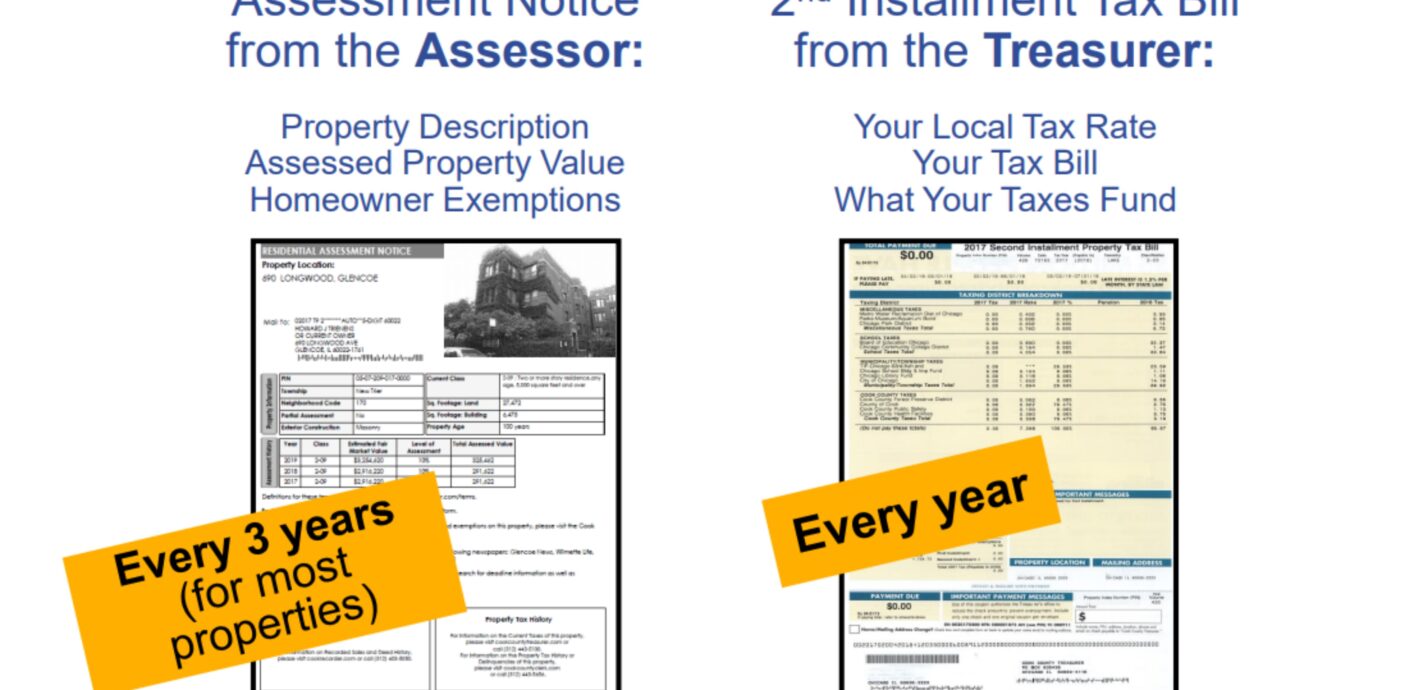
A Cook County reassessment appraisal is an independent, USPAP-compliant opinion of your property’s value, prepared so you can support a property tax appeal when the county’s new number looks too high. The 2026 notices are landing across the county right now. The figure on yours sets the taxable value for the next three years, so it earns a close read before you file it away.

By the end of this article, you’ll know:

  • Why the county’s assessment can miss what your property is really worth
  • Which owners have the strongest reason to appeal
  • How township deadlines work, and what evidence actually moves a decision

What a Cook County Reassessment Appraisal Actually Does

The Assessor’s Office values every parcel in the county, which is an enormous job. To handle that volume, it uses mass appraisal: neighborhood data, historical trends, and statistical models that assign values in bulk. That method is efficient, but it is also blunt. It describes the average property on your block better than it describes yours.

A reassessment appraisal works the other direction. A certified appraiser inspects your specific property and builds an opinion of value from comparable sales, market rents, physical condition, and income, all documented under the Uniform Standards of Professional Appraisal Practice set by the Appraisal Foundation. The result is independent and tied to evidence, not to a countywide model. When you file an appeal, that is what gives your position weight. You can see how we handle these assignments on our real estate appraisal services page.

Where the County’s Mass Appraisal Misses Your Property

Mass models run on assumptions, and assumptions break down at the individual level.

Condition is the common one. Deferred maintenance, an aging roof, or outdated mechanical systems rarely show up in county data, yet they pull real value out of a building.

Income properties get missed too. If your building carries vacancy, below-market leases, or rising operating costs, a statistical model will not feel any of that. It sees square footage and a neighborhood, not a rent roll under pressure.

Timing matters as well. Markets move, cap rates shift, and investor demand changes faster than assessment cycles do. When the county’s data lags the market, your assigned value can sit above what a buyer would actually pay. Then the tax bill climbs even though performance has not.

Who Should Take a Second Look Before the Deadline

Not every notice is worth challenging. Some assessments are fair, and appealing them only wastes time. But a few situations almost always justify a closer review.

Look harder at your reassessment if you own commercial or multi-family property, or if you bought recently at a price below the new assessed value. The same goes if income has slipped, vacancy has risen, or the building needs significant repairs. Owners handling estate, trust, or divorce real estate should pay attention too, because the assessed value can ripple into those proceedings. So should the CPAs and attorneys advising them.

Because the 2026 figure holds for a full three-year cycle, even a modest reduction compounds. On commercial and investment property, that can add up fast, which is why our commercial appraisal clients tend to run the numbers early.

How the Appeal Timeline Works

Each township in Cook County opens and closes on its own schedule, and the deadlines are firm. Once your township’s window shuts, your options for that year are mostly gone.

Most appeals start at the Cook County Board of Review, where you submit evidence supporting a lower value. The Board weighs that evidence and issues a decision. If it does not resolve things, the Illinois Property Tax Appeal Board is the next stop. In both venues, an appeal built on a documented appraisal reads very differently from one built on a homeowner’s hunch. The discussion shifts from opinion to analysis, and analysis is harder to wave off.

Waiting is the quiet mistake. A rushed filing in the final week rarely produces the strongest case. Reviewing your notice early gives you time to decide whether an appeal even makes sense, and to prepare the documentation properly if it does.

What to Do With Your 2026 Notice

Start by reading the assessed value the way a buyer would. Would your property actually sell for that today? If the answer is yes, you can probably let it stand. If it feels high, or if your income numbers no longer support it, that is your signal to get an independent appraisal before your township deadline.

The 2026 reassessment is a proposed value. You have the right to test it, and the evidence to do so is well within reach.

Think Your 2026 Assessment Runs High?

We prepare USPAP-compliant appraisals built to stand up at the Board of Review, tailored to your property and your township’s deadline. Let’s find out whether an appeal makes financial sense.

Request Your Appraisal Quote

Frequently Asked Questions

What is a Cook County reassessment appraisal?

It is an independent, USPAP-compliant opinion of your property’s value, prepared by a certified appraiser so you can support a property tax appeal. It looks at your specific property rather than a countywide model.

Does a higher assessment always mean I should appeal?

No. Some reassessments are accurate, and appealing them is not worth the effort. An appraisal helps you tell the difference before you commit to filing.

What evidence carries the most weight in a property tax appeal?

A documented appraisal supported by comparable sales, market rents, and condition analysis tends to carry the most weight. It moves the discussion from opinion toward verifiable data.

How long do I have to appeal my 2026 reassessment?

Each Cook County township has its own appeal window, and the deadlines are firm. Check your township’s schedule as soon as your notice arrives, because late filings are generally not accepted.

Can an appraisal help with commercial or investment property appeals?

Yes. Commercial and multi-family properties often benefit most, since vacancy, below-market leases, and rising expenses are exactly the factors a mass model overlooks.

Need an Independent Appraisal in Cook County?

PahRoo Appraisal & Consultancy prepares independent, USPAP-compliant valuations across Chicago and Cook County, led by Michael Hobbs. Alongside property tax appeal work, we handle commercial and estate assignments, and you can reach the team any time through our contact page. If your 2026 notice looks off, the earliest review gives you the most room to act.


NEWSLETTER

Knowing a property's true value is key
to making informed real estate decisions

Visit us

7383 Lincoln Ave Suite,
#100 Lincolnwood, IL, 60712