
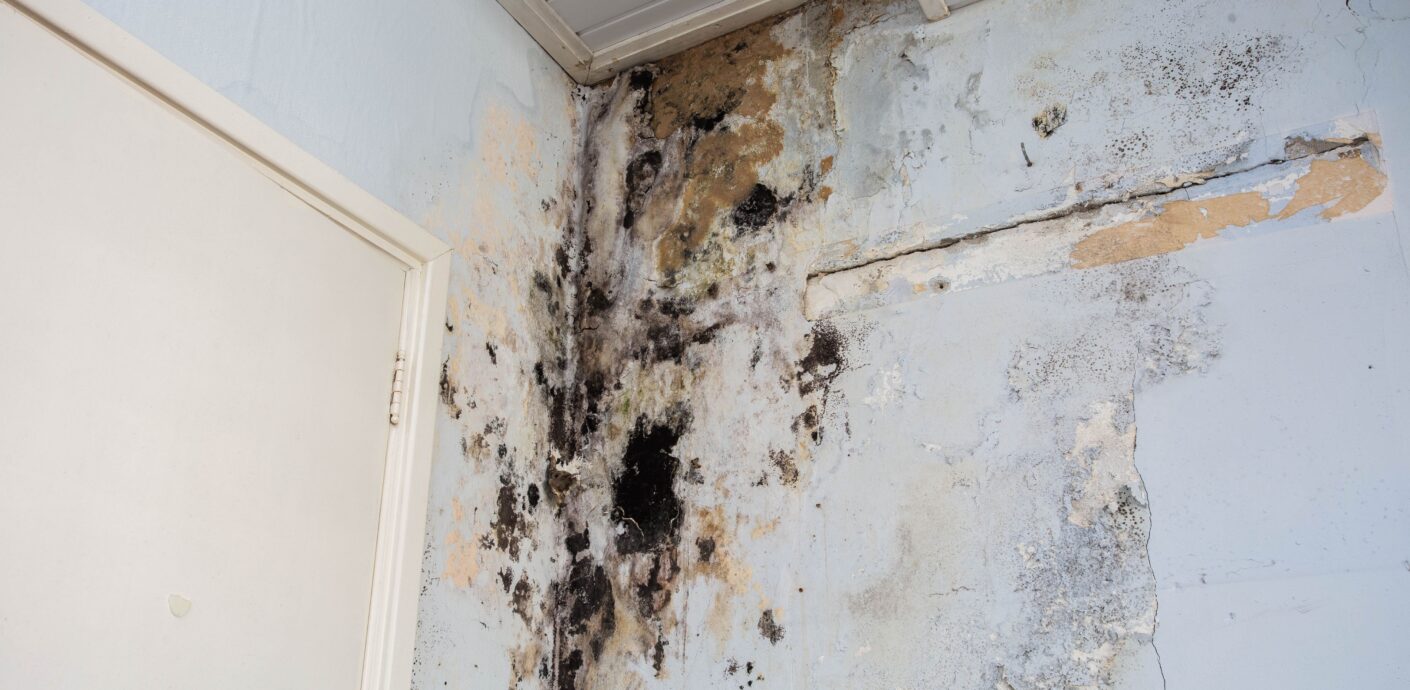
Mold has a way of turning a smooth home sale into a tense negotiation. A small patch in a bathroom rarely sinks a deal. Visible growth spreading across a ceiling is a different conversation. If you’re getting ready to sell, knowing how mold affects a home appraisal helps you stay ahead of the questions buyers and lenders are about to ask.
By the end of this article, you’ll know:
- Whether mold actually pulls down your appraised value
- What a lender might demand before clearing the loan
- How to handle mold before you list, and what to keep on file
How Mold Affects a Home Appraisal
Most sellers picture the cost of cleanup and stop there. The bigger issue is what mold usually signals. It points to moisture, and moisture points to a cause: a roof leak, a plumbing problem, poor ventilation, or water creeping in through the foundation. So when we spot mold, we start wondering what’s behind it.
That uncertainty is what worries buyers and lenders. A home with obvious mold often draws lower offers, or sits on the market longer than a comparable place with no moisture history. An appraiser’s job, after all, is to reflect how the market reads a property. So we note what’s visible and weigh how it affects value and sale ability.
What an Appraiser Will Notice
We are not mold inspectors, and we do not take air samples or open up walls. But during a standard residential appraisal, the visible signs of a moisture problem are hard to miss. The usual flags:
-
-
- Visible mold on walls, ceilings, or around windows
- Water stains and discolored patches
- A musty smell that lingers in a room
- Warped or damaged drywall
- Signs of past leaks that were never fully sorted out
-
Much of this matters because of where mold leads. The EPA explains that mold needs steady moisture to spread. So a musty basement, or a stain nobody can account for, pulls more attention than its size might suggest.
How Mold Can Hold Up Your Financing
Mold can cost you time as well as money. Lenders watch closely for anything that reads as a health or safety concern. If visible mold turns up while a buyer is financing, the lender may pause and ask for more before clearing the loan.
That might mean remediation records, proof of repair, an extra inspection, or a professional evaluation. Each step adds days. Worse, when it all surfaces at the appraisal rather than earlier, the delay can put a contract date at risk.
Should You Remediate Before Selling?
There’s no single answer, because every house is different. Still, in most cases where the mold is visible or a buyer needs financing, dealing with it before you list pays off. It keeps the negotiation from collapsing into a fight over repairs, and it clears away a common reason for loan delays.
A few questions help you decide. How widespread is it? Have you fixed the moisture source, or only wiped away what you could see? Would a buyer notice it on a walkthrough? Could it trip up financing? Whatever you choose, hold on to the records. Good documentation reassures a buyer far more than a verbal “it’s been handled.”
A Word on Disclosure
Disclosure rules shift from state to state, and sometimes town to town. In a lot of places, sellers have to disclose known material defects, and mold can fall into that bucket. Hiding a known problem tends to create much bigger headaches later in the deal.
So before you list, get clear on what your state requires. When in doubt, ask a qualified agent or a real estate attorney. Being upfront builds trust, and it heads off arguments after closing.
What to Do Before the Appraiser Arrives
-
-
- Fix the moisture source first. Clean the mold without stopping the water and it comes right back, often worse than before.
- Keep your paperwork. Remediation invoices, contractor notes, inspection reports. Records answer the questions before anyone asks them.
- Repair what shows. Replace stained drywall and damaged materials, so nobody is writing up problems you have already solved.
- Flag it early. If the house has had a real mold issue, tell your agent and appraiser up front. Then everyone works from the facts.
-
Why Getting Ahead of It Pays Off
Mold does not automatically wreck a home’s value. What it does is shape how buyers, lenders, and the market see the place, and it can stall a sale when it shows up unaddressed. The real worry usually sits behind the mold: the moisture feeding it and the cost of putting things right.
So track down the source, fix it, document the work, and tidy up the visible damage before you list. Handle it early, and mold stays a manageable line item rather than the thing that derails your closing.
Not sure how mold could affect your home’s value?
Get a clear, independent read before a buyer or a lender turns it into a problem. PahRoo delivers defensible appraisals that show you exactly where you stand.
Frequently Asked Questions
Can mold cause a low home appraisal?
It can. If mold drags on the home’s condition, its saleability, or buyer interest, that can show up in the value. How much depends on how bad the problem is and how the market reacts to it.
Will an appraiser test for mold?
No. Appraisers aren’t mold inspectors, and we don’t run environmental tests. We will note visible mold or moisture damage if we see it during the walkthrough.
Should mold be removed before selling a house?
Often yes, particularly if it’s visible or a buyer is financing. Clearing it up early tends to steady buyer confidence and head off delays. The right call depends on how widespread it is and your local market.
Does mold affect property value?
It can. Value tracks buyer perception, repair costs, financing worries, and the overall condition of the property.
Can a lender deny financing because of mold?
Sometimes. A lender may ask for remediation, repairs, or an inspection before approving the loan if the mold raises a real health, safety, or condition concern.
Need an Independent Appraisal?
When condition concerns, repairs, or saleability questions cloud what a home is worth, an independent appraisal gives you a credible, well-supported answer before you negotiate or finance.
PahRoo Appraisal & Consultancy, LLC helps homeowners, attorneys, accountants, bankers, and real estate professionals make confident decisions. Whether you’re preparing to sell, settling an estate, removing PMI, navigating a divorce, or weighing how a property’s condition affects value, our team is ready to help.