Category: Residential Appraisal

Request a quote

Our blog

Latest news
& events

Alt: Longwood Gardens in Chester County, an iconic landmark near the single-family housing market.
Chester County Single-Family Home Prices 2024–2025

The Chester County single-family home market has seen steady growth and a few surprising spikes over the past year. Between July 2024 and July 2025, prices showed resilience and demand of key insights for both buyers and sellers.

Median Sale Price Trends

From mid-2024 to mid-2025, the median sale price ranged between $550,000 and $625,000.

    • Prices held steady around $550,000 through late 2024.
    • Early 2025 brought consistent gains.
    • By mid-2025, prices peaked close to $620,000.

This steady rise signals a competitive, seller-friendly market.

Sale Price to Original Price Ratio

For most of the year, Chester County homes sold at 100% of their asking price — showing strong buyer demand and realistic pricing.

There was one unusual moment in early 2025, when the ratio briefly jumped above 400%. This likely reflects isolated outliers rather than a trend. The market quickly stabilized, proving balanced negotiations remain the norm.

Local Icon: Chester County’s Growth Story

Beyond real estate, Chester County is known for landmarks like Longwood Gardens. Just as Longwood thrives season after season, the housing market shows resilience, growth, and long-term appeal for families and investors alike.

What This Means for Buyers & Sellers
  • For Sellers: Rising prices and steady ratios confirm strong demand.
  • For Buyers: Competition is real, but understanding the data helps you act with confidence.

For a broader perspective, explore our Philadelphia Real Estate Appraisals insights and compare markets side by side.

Chester County single-family home prices in 2024–2025 reveal a market full of opportunity. Whether buying or selling, knowing these shifts helps you make smarter, more informed decisions.


Request your Chester County home appraisal today and get an expert valuation designed for your property.

Liberty Bell with Philadelphia skyline, real estate appraisal
Philadelphia Appraisal Guide: The Key to Smarter Real Estate

Buying property in Philadelphia is exciting, but it’s also a serious financial decision. With the city’s mix of historic homes, trendy condos, and fast-changing neighborhoods, understanding property values is not always straightforward. That’s where a real estate appraisal comes in.

This guide will walk you through everything you need to know about appraisals in Philadelphia why they matter, how they work, and how they can protect you from making costly mistakes. Whether you’re a first-time homebuyer, seasoned investor, or homeowner preparing to sell, this guide is your key to smarter real estate moves.

Why Philadelphia is a Unique Real Estate Market

Philadelphia is the sixth largest city in the U.S., and its housing market reflects its rich history and diverse communities. Within a few miles, you can find:

  • Historic rowhomes in Society Hill or Old City
  • Luxury condos in Center City
  • Student housing near University City
  • Affordable family homes in Northeast Philly
  • Emerging investment zones in neighborhoods like Fishtown or Point Breeze

Because of this variety, comparable sales (comps) can differ drastically even within the same zip code. That’s why relying solely on listing prices or online estimates is risky and why a professional appraisal is essential.

What Exactly Is a Real Estate Appraisal?

A real estate appraisal is an unbiased, professional opinion of a property’s value. It is performed by a licensed or certified appraiser who evaluates the property based on:

  • Physical condition: Size, age, layout, renovations, and overall upkeep
  • Neighborhood factors: Location, amenities, school district, crime rates, and future development
  • Market data: Recent sales of similar properties in the area (comparables)
  • Economic trends: Interest rates, demand, and Philadelphia-specific housing trends

The result is a formal appraisal report, a document often required by lenders but also useful for buyers, sellers, and investors.

Why Appraisals Matter When Buying in Philadelphia

If you’re buying property, here’s why appraisals are critical:

  1. Prevents Overpaying – In a competitive market, sellers may inflate prices. An appraisal ensures you don’t pay more than the property is worth.
  2. Secures Your Financing – Mortgage lenders won’t approve loans for more than the appraised value. Without one, your financing could fall through.
  3. Negotiation Power – If the appraisal comes in lower than the asking price, you can renegotiate with the seller.
  4. Future Security – Knowing the true value helps you plan long-term — whether for refinancing, selling, or building equity.
Step-by-Step: How the Appraisal Process Works in Philadelphia
  1. Order the Appraisal
    Usually ordered by the lender, but buyers and sellers can also request independent appraisals.
  2. On-Site Visit
    The appraiser inspects the property inside and out, noting condition, upgrades, and overall livability.
  3. Market Analysis
    The appraiser studies recent comparable sales (“comps”) within the neighborhood, often within the last 3–6 months.
  4. Report Delivery
    A detailed appraisal report is issued, usually within 3–7 business days, with the final estimated value.
Who Needs an Appraisal in Philadelphia?
  • Buyers – To ensure they aren’t overpaying for their dream home.
  • Homeowners – To set a fair listing price before putting their home on the market.
  • Investors – To confirm potential rental income or resale value.
  • Refinancers – To secure favorable mortgage terms.
  • Attorneys & Estate Planners – For divorce, estate settlement, or tax purposes.
Common Factors That Impact Philadelphia Home Values

When it comes to appraisals, small details matter. Here are some key factors that influence property values:

  • Neighborhood growth – Areas like Northern Liberties or Fishtown have surged in value due to development.
  • School district ratings – Families pay premiums for homes in top districts.
  • Historical significance – Philadelphia’s older homes may carry unique value but also face preservation restrictions.
  • Renovations & upgrades – Modern kitchens, energy-efficient features, or added square footage can boost value.
  • Economic climate – Market demand, interest rates, and job growth in the city affect pricing.
Tips for Buyers: Using the Appraisal to Your Advantage
  1. Do your homework – Research neighborhood comps before making an offer.
  2. Be present during the appraisal (if possible) – This allows you to highlight upgrades or improvements.
  3. Prepare for low appraisals – If the appraisal comes in low, renegotiate or ask the seller to adjust pricing.
  4. Think long-term – The appraisal gives you insight into future resale or rental potential.

For a localized perspective, check out Zen Appraiser’s Philadelphia insights, which offers additional details about appraisals in the city.


At Pahroo Appraisal & Consultancy, we provide expert appraisals and consulting services that help clients navigate real estate with confidence.

If you’re ready to secure your next move, contact us today or request a quote for trusted appraisal guidance in Philadelphia.

Chicago spring 2025 neighborhood real estate trends
Beyond the Skyline: Chicago’s Hot Spring Market Reveals New Patterns in 2025

Chicago spring real estate trends in 2025 reveal a dynamic shift in buyer demand, neighborhood popularity, and pricing patterns. As spring blooms across the Windy City, homebuyers and investors are seeing limited inventory, competitive offers, and changing preferences that favor walkable, transit-friendly areas. Whether you’re planning to buy, sell, or invest, understanding these trends can help you navigate the market with confidence this season.

Current Market Conditions

The Chicago market remains predominantly a seller’s market as we head deeper into spring. We’re currently operating with approximately two months of supply significantly below the six-month benchmark that would indicate a balanced market. This limited inventory continues to drive competition among buyers.

What’s particularly notable is the expected seasonal shift we’ll see in the next 45 days. As we move into June and July, inventory typically increases as more properties come to market. The warmer weather improves curb appeal, making it a natural time for sellers to list their properties. Simultaneously, we often see buyer demand tapering off slightly, as many serious buyers entered the market early to get ahead of competition.

Downtown Condo Market Recovery

The downtown high-rise and condo market is showing strong recovery signs compared to its post-COVID challenges. During 2021, this segment had accumulated nearly 18 months of supply as many owners of weekend getaways and pied-à-terre tested the market by listing their properties.

Today, we’re seeing a significant inventory reduction in the high-rise market, down to approximately 8-9 months of supply. This represents a dramatic improvement, with demand returning to these more densely populated areas.

Suburban Market Dynamics

The suburban Chicago market continues to outperform city neighborhoods in terms of competitive intensity. Growing families seeking more space and private yards are driving this demand. The suburban landscape is characterized by:

    • Multiple offer situations becoming commonplace
    • Properties frequently selling above list price
    • Some homes commanding $100,000+ over asking price
    • Buyers waiving inspections to remain competitive
    • Increase in “as-is” offers

For buyers navigating this challenging suburban market, working with a professional realtor has become essential to develop competitive strategies.

Economic Factors Affecting Our Market

Several economic factors are influencing Chicago’s real estate landscape:

    1. Mortgage Rates: These correlate closely with the 10-year Treasury yield rather than the Federal Reserve’s funds rate. Monitoring Treasury yields provides better insight into potential mortgage rate movements.
    2. Tariffs: While not directly impacting mortgage rates significantly, tariffs are affecting the luxury segment of the market, where buyers rely more heavily on stock market assets for their purchases.
    3. Affordability Initiatives: New programs like the first-time homebuyer savings account are being developed to help address affordability challenges. These tax-advantaged accounts would allow individuals to save up to $25,000 (or $50,000 for couples) specifically for down payments.
Market Outlook

Looking ahead through spring and into summer 2025, we can expect:

    • Continued seller’s market conditions, though potentially easing slightly with seasonal inventory increases
    • Sustained competition in suburban markets
    • Further recovery in the downtown high-rise segment
    • Continued importance of strategic offer preparation in competitive situations

Buyers entering this market should be financially prepared and work with professionals who understand the nuances of Chicago’s various neighborhoods and suburban communities to navigate these challenging conditions successfully.

Looking to navigate Chicago’s spring real estate market with confidence?

Contact PahRoo Appraisal & Consultancy today for expert appraisal services, local market insights, and data-backed guidance tailored to your real estate goals.

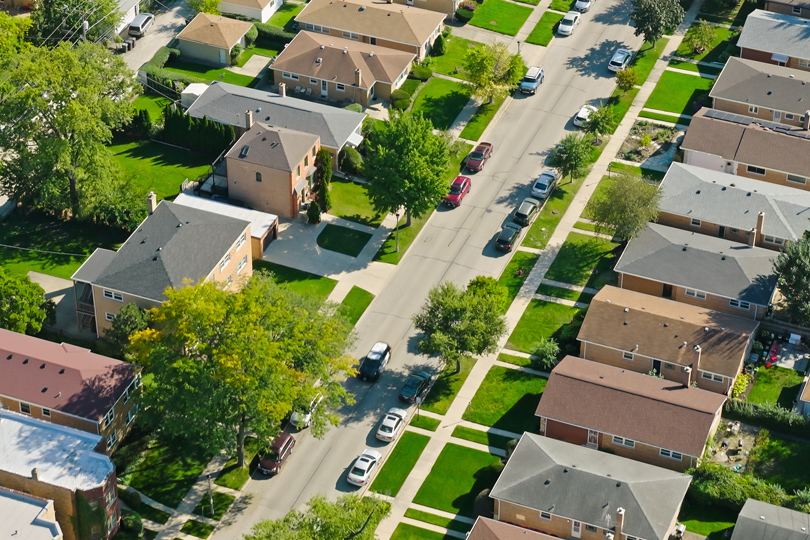
Suburban neighborhood with red HOA risk sign, representing potential impact of homeowners associations on property value.
Can Your HOA Kill Property Value? 5 Things Every Homeowner Must Know

Your home might be your biggest investment — but what if the HOA is quietly killing its value?

Whether it’s aggressive rules, financial mismanagement, or lawsuits, some HOAs can seriously damage your resale price. Here’s what you need to know before it’s too late.

The Hidden Power of Your HOA

Most homeowners don’t realize how much influence an HOA has over their home’s market appeal. From enforcing neighborhood standards to managing shared spaces, HOA actions (or inactions) can shape how buyers and appraisers view your property.

Real Examples of HOAs Hurting Property Value

  • Ongoing lawsuits can scare away lenders and buyers
  • Strict rental or pet rules shrink your buyer pool
  • Deferred maintenance in common areas pulls down condition ratings for every unit

These issues don’t just affect perceptions. They can directly influence your home’s appraised value.

Appraiser Perspective: What We Look For

As appraisers, we consider more than just your home’s interior. If the HOA is underfunded, facing litigation, or showing signs of poor management, it can reduce demand and reduce value.

“A struggling HOA doesn’t just impact one unit. It creates a ripple effect that appraisers and buyers both notice.”

What You Can Do as a Homeowner

  • Attend HOA meetings and ask questions
  • Request and review financial statements before buying
  • Watch for large planned assessments or legal red flags
  • Talk to neighbors about their experience with the HOA

When to Call an Appraiser

If you’re unsure how your HOA might be impacting your home’s value, a professional appraisal can give you clarity. Pre-listing appraisals can uncover issues before they derail a sale.

Need help? We’ve got your back.

At PahRoo Appraisal & Consultancy, we’ve appraised thousands of properties in HOA-managed communities. We know what to look for and how to make sure you’re not blindsided when it matters most.

Get in touch with us today for a consultation or pre-listing appraisal and protect your home’s value.

Want more insights into how property value is shaped by hidden factors like HOAs, zoning, and market trends?

Subscribe to our podcast, Appraisers on Purpose
Or visit our YouTube channel @PahRooZings

We regularly feature real estate experts, appraisers, and professionals shari3ng actionable advice to help you protect your investment and make informed property decisions.


Michael Hobbs is the President of PahRoo Appraisal & Consultancy LLC, a leading Chicago-based firm providing residential and commercial real estate valuation services for over 25 years.


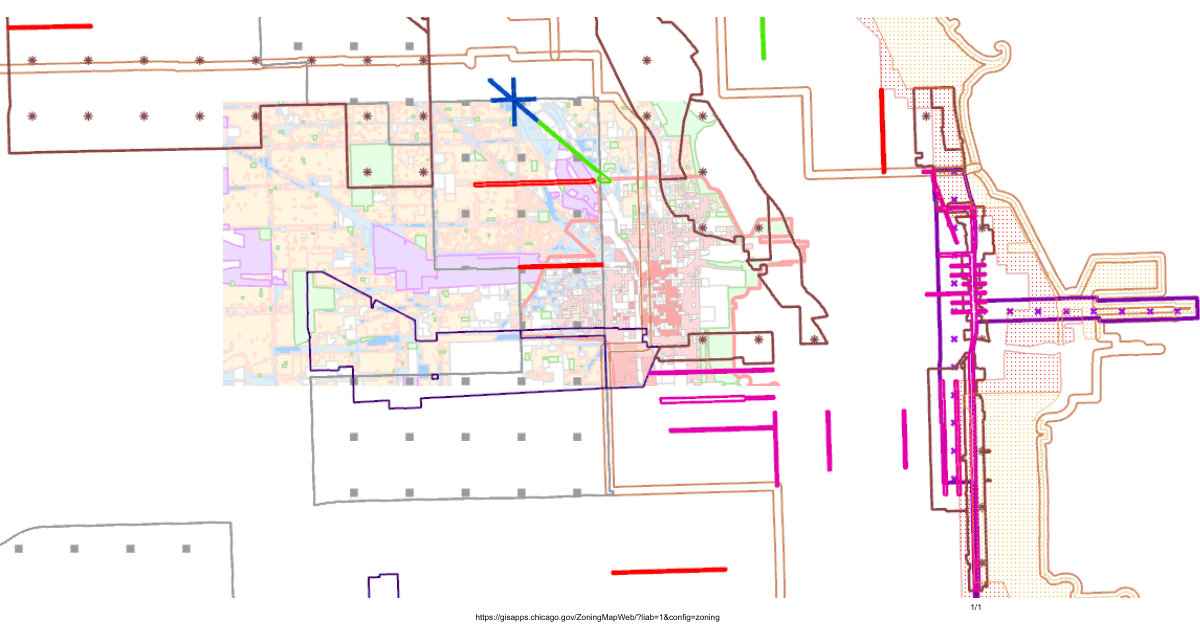
Zoning map overlay demonstrating impact on property values in Chicago
Zoning: The Most Boring Topic That Can Change Everything

You might think zoning is just lines on a map, but it’s the invisible lever that drives hundreds of thousands (even millions) in property value.

Skip this topic, and you may underestimate or overprice assets by massive margins.

Real Stories: Zoning = Money
1. The Big Boost: Wyndham Vale, Australia

In Wyndham Vale, a rural-to-residential rezoning added AU$280 million in value to one 897-acre site. That’s nearly US$190 million in upside—all from a zoning change.

Source: Reserve Bank of Australia

What this means for you: Even a small parcel in an unassuming Chicago suburb could hold a hidden $200K–$500K swing depending on zoning potential.

2. Duplex Gold Mine: Arlington, VA

Arlington allowed duplexes in single-family zones. One teardown bought for $570K was split into two units projected to sell at $1.2M each.

Value unlocked: ~$630K increase from zoning shift alone.

Source: Washington Post

3. Housing Price Shock: Major Metros

Studies show zoning restrictions inflated home prices in Sydney & Melbourne by up to 69%. That’s $150K–$400K baked into every home due to policy—not property.

Source: Cato Institute

Why This Matters in 2025
  • Chicago & Cook County: Exploring transit-oriented and middle-housing zoning reform.
  • Phoenix (AZ), Tampa (FL), Dallas (TX): Growth markets experimenting with higher density.

Zoning changes are active—not theoretical. A rezoning today can reshape value tomorrow.

What Appraisers & Realtors Should Do
Role What to Watch Why It Matters
Appraisers Policy meetings, zoning board agendas, draft maps A variance can 10x a site’s highest and best use
Realtors/Investors Look for underutilized properties near zoning reform zones Buy before zoning shifts hit public comps
General Audience Stay informed on local planning efforts Even your backyard might be worth more than you think
Final Thought: Making the Invisible Visible

Zoning appears dull, but it’s the hidden force that can convert hayfields into neighborhoods and C-grade properties into six-figure jackpots. Whether you’re valuing or advising, ignore zoning at your peril.


Evaluating a property near a growth zone? Let’s uncover hidden upside together.

Contact us today to make smarter, zoning-savvy real estate decisions.

Home interior showing durable upgrades that boost value in 2025
The 5 Upgrades That Actually Boost Property Value in 2025
Thinking about renovations?

The key isn’t in flashy finishes, it’s in upgrades that add real value. Appraisers and buyers alike now prioritize practical, lasting improvements that impact usability and efficiency. In this blog, we uncover the 5 upgrades that boost home value in 2025, from energy-saving systems to functional layouts that support modern living

Will this upgrade actually raise my property value?

In 2025, the market is smarter and more cautious than ever. Buyers want function, not flash. Appraisers? We look past the granite countertops to what truly counts.

What You Can Start Doing Today

You don’t need a massive budget to begin boosting your home’s value. Small, smart steps now can set you up for long-term gains.

1. Energy-Efficient Systems

What it is: Smart thermostats, solar panels, upgraded insulation, efficient HVAC

Why it adds value: Lower utility bills = long-term savings for buyers. Eco-conscious homes sell faster and often at a premium.

Pro Tip: Look for ENERGY STAR certifications when replacing systems.

2. Finished Lower Levels or ADUs

What it is: Finished basement, legal in-law suite, or detached guest house

Why it adds value: It increases usable (and rentable) square footage. Appraisers factor that in and so do investors.

Pro Tip: Ensure code compliance and proper permits to maximize appraisal value.

3. Updated Major Systems

What it is: New roof, plumbing, electric panel, foundation work

Why it adds value: These upgrades reduce buyer risk. No one wants a fixer-upper surprise post-closing.

Pro Tip: Keep records of installations and warranties to support appraisal documentation.

4. Functional Layout Improvements

What it is: Removing awkward walls, adding a second bath, improving bedroom access

Why it adds value: Flow matters more than fashion. A home that “lives better” appraises better — period.

Pro Tip: Consult an architect or designer for minor layout changes that have a major impact.

5. Curb Appeal That’s Built to Last

What it is: Quality siding, new windows, clean landscaping, modern doors

Why it adds value: Buyers form opinions before stepping inside. Exterior upgrades are both.

Pro Tip: Avoid over-personalized landscaping that might deter future buyers.

Why These Upgrades Work in 2025

In today’s market, both appraisers and buyers are looking for practical value. Aesthetics matter, but functionality and efficiency drive higher valuations. These five upgrades provide lasting returns financially and in livability.

What You Can Start Doing Today

You don’t need a massive budget to begin. Here’s how to take the first steps:

  • Schedule a home energy audit to identify savings opportunities.
  • Plan one project per quarter to upgrade essential systems.
  • Consult with a local appraiser to understand which improvements matter most in your neighborhood.
Final Thoughts

If you’re investing in home improvements, make them count. The best upgrades are the ones that blend smart functionality with lasting value. These five strategies are not just trends, they’re the future of homeownership in 2025.

Want tailored advice before your next renovation? Contact PahRoo Appraisal & Consultancy today for expert appraisal services, local market insights, and data-backed guidance tailored to your real estate goals.

Prefer to watch instead? Visit the PahRoo YouTube channel for videos on home appraisals, real estate insights, and expert renovation tips.

Side-by-side comparison of a Zestimate and professional home appraisal in Chicago, Dallas, and Philadelphia
Zestimate vs Appraisal: Which One Tells the Truth About Your Home’s Value?

Zillow might say your home is worth $625,000.
Your neighbor claims $700,000.
A professional appraiser? Comes in at $580,000.

So… who’s right?

Welcome to the world of Zestimates — algorithm-driven price estimates that can shape expectations and sometimes derail real estate deals. In 2025’s competitive market, relying solely on a Zestimate could cost you time, money, and opportunities.

The Problem with Zestimates

Zestimates use algorithms that pull public records, recent sales, and statistical modeling. While this sounds advanced, there are serious gaps:

  • No property-specific inspection — Zestimates don’t consider the condition of your home.
  • No awareness of unique location factors — Many assume nearby homes are identical, even when they’re on a busier street or zoned differently.
  • Assumes nearby homes are the same — Renovations, layout changes, or deferred maintenance often go unnoticed.

It’s like diagnosing a health issue using a generic online search — you might get a rough idea, but would you stake thousands of dollars on it?

What a Professional Appraisal Delivers That Zestimates Miss

Licensed appraisers provide a detailed, in-person, and market-specific assessment. We look at:

Property Condition: Roof age, HVAC status, flooring quality, and any repairs or upgrades.

Neighborhood Nuance: Position on the block, proximity to amenities, and local demand patterns.

Market Trends: Real-time pricing from the MLS and confirmed, closed sales.

Impact of Upgrades: Knowing which improvements add value versus those that are cosmetic.

Appraisals are backed by expertise, market insight, and regulatory standards — something an algorithm cannot match.

Why It Matters More Than Ever in 2025

Real estate in 2025 is anything but stable. Interest rates fluctuate, inventory is tight, and price sensitivity is higher than ever.

  • Sellers who overprice based on a Zestimate often sit on the market for weeks or take a price cut.
  • Buyers risk overpaying, and appraisals coming in low can kill deals.
  • Lenders must comply with regulatory standards,  they rely on licensed, certified valuations.

Remember: Zestimates are not legally defensible.
Appraisals are.

The Smart Next Step for Homeowners and Buyers

If you’re planning to sell, buy, or refinance, skip the guesswork:

  1. Get a pre-listing appraisal to price your home right the first time.
  2. Rely on real, local data not neighborhood rumors.
  3. Work with trusted professionals who know the market inside and out.

Work With Chicago, Dallas, and Philadelphia’s Trusted Appraisal Experts

At PahRoo Appraisal & Consultancy, we’ve helped thousands of clients in Chicago, Dallas, and Philadelphia get accurate, reliable home appraisals. Our team combines years of market expertise with thorough, property-specific assessments.

📞 Contact us today to discuss your property and book your professional appraisal.
Click here to get started →

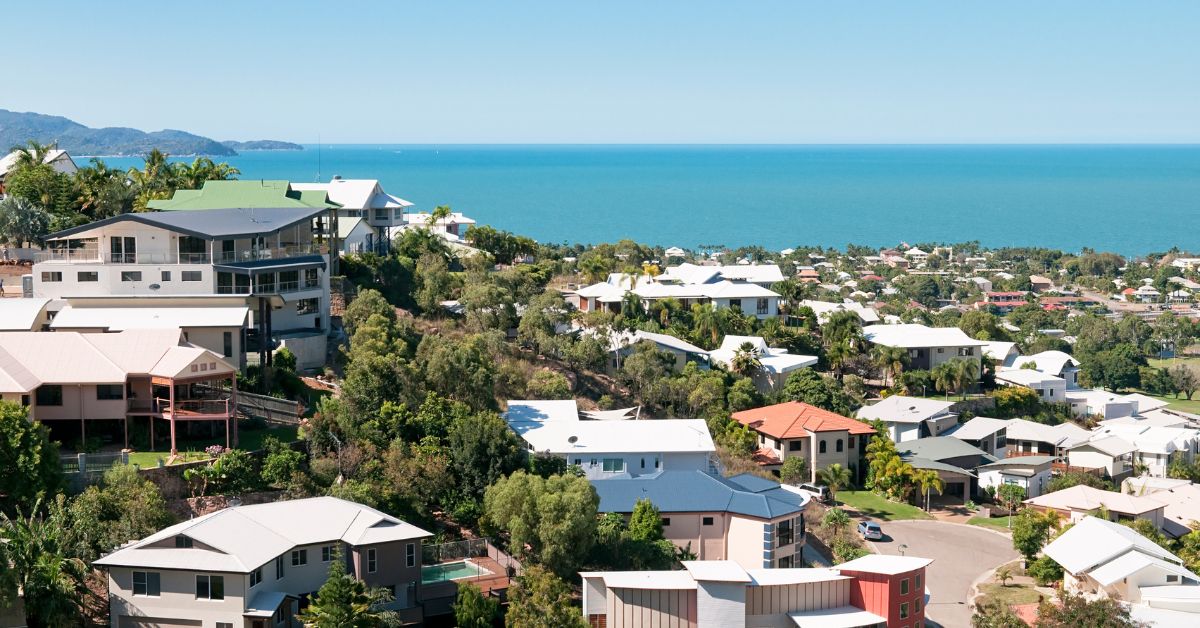
Urban coastal neighborhood with modern homes and ocean view, representing factors considered in urban property appraisals
Rural vs. Urban Appraisals: Why They’re Completely Different Beasts

Rural vs Urban Appraisals: Why Being Local Makes All the Difference

When people hear the word appraisal, they often picture a clipboard, a calculator, and a real estate pro measuring square footage.

But did you know that a downtown condo and a farmhouse with a barn need totally different approaches?

That’s because urban and rural appraisals aren’t just about location, they’re about two completely different ways of thinking about value.

City Living: Urban Appraisals at a Glance

In the city, appraisers are spoiled (kind of). There’s a high volume of recent sales, meaning:

  • You can find comparable properties (comps) within a few blocks.
  • Square footage, number of bedrooms, and condo amenities drive value.
  • Adjustments are minimal—because everything’s similar.

Example:
Appraising a 2-bed condo in downtown Chicago?
You’ll likely find 5+ sales in the same building within the last year. Easy peasy.

Country Life: The Rural Appraisal Challenge

Now let’s head to the countryside.

Fewer homes. Fewer sales. More variables. Welcome to rural appraising.

  • You might have to go 10–20 miles to find comps.
  • You’re not just valuing the house—you’re valuing the land, outbuildings, septic systems, and even well access.
  • Adjustments get creative (and must be defensible).

Example:
You’re appraising a 10-acre ranch with a pole barn, private lake access, and a partially finished second structure.
Good luck finding a perfect comp. It doesn’t exist.
You’ll need to blend cost, market, and income approaches just to land on a value.

So What Actually Changes?
Factor Urban Appraisal Rural Appraisal
Comps Recent, nearby, similar units Sparse, distant, often imperfect
Value Drivers Square footage, updates, location Land size, ag use, outbuildings, utilities
Methodology Sales comparison w/ tight adjustments Sales + cost approach + HBU logic
Biggest Challenge Standing out in a crowded market Justifying value with limited data
Urban Appraisals = Precision | Rural Appraisals = Flexibility

Think of it this way:

  • Urban appraisal is like playing chess with clear rules and tight strategy.
  • Rural appraisal is like building a puzzle when some pieces are missing and you have to carve a few yourself.
It takes skill. And patience.
Appraisers Need Local Smarts

A rural property can’t be appraised by just any appraiser.

You want someone who:

  • Understands agricultural land and zoning
  • Knows the value of things like fencing, grain silos, or livestock buildings
  • Can defend comps that are 18 months old and 15 miles away

Urban appraisers, meanwhile, live and breathe neighborhoods, walkability, and micro-markets.

Both roles are skilled—but they’re very different games.

FAQ

Q: Why are there fewer comps in rural areas?
A: Simply put—fewer properties and fewer transactions. Some towns might only see a handful of sales a year.

Q: Can you use comps from other counties in rural appraisals?
A: Sometimes, yes. As long as the market dynamics are similar and it’s justified.

Whether you’re buying in the heart of the city or out where the nearest neighbor is a mile away, understanding how appraisals work can make all the difference in your negotiations and investment decisions. By knowing what factors matter most in both rural and urban settings, you’ll be better prepared for your next property transaction.

If you’re ready to explore your property’s true market value, connect with our Chicago, Dallas and Philadelphia appraisal experts today. You can also dive deeper into related topics like how zoning can change property value and what factors influence a home appraisal to strengthen your real estate knowledge.

Rising Inventory Meets Strong Seller Demand

As the 2nd largest county in the United States, Cook County, Illinois, is heavily synonymous with the Chicago housing market as we look at the early 2025 dynamic and robust activity, marked by rising inventory, competitive pricing, and relatively quick sales.

Inventory Growth and Bedroom Type Dynamics

April 2025 saw a notable increase in housing inventory across all bedroom categories. The total number of homes available rose by 11.7% month-over-month, from 3,828 in March to 4,277 in April. Breaking it down by bedroom count:

  • 1-bedroom homes increased by 22.6%
  • 2-bedroom homes rose by 18.3%
  • 3-bedroom homes grew by 18.8%
  • 4-bedroom homes jumped by 22.4%
  • 5+ bedroom homes climbed by 20.2%

This broad-based inventory growth suggests a strengthening supply that could offer more choices to buyers across different household sizes.

Pricing and Sales Trends

Homes are commanding strong prices, with a median sale price around $337,000 as of February 2025, reflecting an 8.8% increase year-over-year. The median price per square foot also rose by 6.4% to approximately $239, indicating solid value appreciation.

Interestingly, the market remains highly competitive:

  • 42.3% of homes sold above asking price last month
  • 16% sold at asking price
  • 41% sold below asking price

This distribution highlights a seller’s market environment where bidding wars are common, especially for well-priced properties.

Speed of Sales and Market Activity

Sellers are selling homes quickly due to rising demand. In April 2025, 75% of homes sold within 30 days, with only 9% taking longer than 90 days to sell. The average listing age has slightly decreased year-over-year to 29 days, down 2%, underscoring brisk market activity and buyer urgency.

The Market Action Index, a proprietary Altos Research metric that measures the balance between supply and demand, remains steady at 49, indicating a strong seller’s market. Inventory levels are rising. However, sellers continue to list homes quickly due to strong demand.

Property Value Assessments and Long-Term Trends

Cook County’s 2025 property assessments reveal a 6.2% average increase in property values, continuing a multi-year trend of rising valuations up 86% since 2019. While this year’s increase is more moderate than 2024’s, it reflects ongoing market strength. Some properties, particularly subdivided parcels and certain condos, have seen dramatic value jumps of over 100%, with some townhomes doubling in value within a year. Needless to say, these tax burdens are serious detractors for purchasers who can find competing properties with lower overall monthly costs of ownership.

In speaking with Todd last week about his premium condo, due to the building’s location in the South Loop, age of the building that drove up assessments (older and therefore higher assessments per square foot than new buildings), and property taxes, they’ve struggled to sell after a year as the combination of $40,000 in annual assessments and $40,000 in property taxes has scared off multiple buyers.  This is NOT an isolated story.  Continued growth in property taxes burdens property owners, and they seek out cost-effective alternatives, such as moving further away or leaving Illinois altogether.

Regional and Statewide Context

Looking beyond Cook County, the Chicago metropolitan area and Illinois at large are experiencing similar trends of rising prices and steady sales activity. The Chicago Metro Area saw home prices increase by 7.5% year-over-year in February 2025, with sales expected to rise seasonally by 2.6% from March to May. The City of Chicago itself is experiencing a 6.3% price increase but a slight decline in sales volume, reflecting localized market variations.

Summary for Buyers and Sellers

For Buyers: Expect a competitive market with many homes selling above asking price and within a month. Acting quickly and being prepared to negotiate above the list price can be crucial.

For Sellers: The market favors you with rising prices, strong demand, and relatively low inventory. Pricing your home strategically can attract multiple offers and quick sales.

Rising inventory creates opportunities for buyers and sellers across different regions. For instance, buyers can explore more options while sellers still benefit from high demand. This creates opportunities for both buyers and sellers across various regions. Want to see what $1 million can buy today? Check out our Housing Market 2025 post. It shows examples across cities and property types..

For authoritative data on market trends, visit the National Association of Realtors to see the latest insights.

Want expert guidance on navigating this market? Contact us today, and our team will help you make informed real estate decisions.

Don’t forget to follow us on Facebook, Instagram, and X for updates, tips, and real estate news you can trust!


NEWSLETTER

Knowing a property's true value is key
to making informed real estate decisions

Visit us

7383 Lincoln Ave Suite,
#100 Lincolnwood, IL, 60712