Category: Residential Appraisal

Request a quote

Our blog

Latest news
& events

Are Your Property Updates Adding Real Value?

Many homeowners invest time and money into home upgrades, hoping to increase their property’s value. However, not all improvements deliver a strong return on investment. Understanding which updates truly add value is essential for maximizing your home’s equity and attracting potential buyers.

Why Some Updates Don’t Add Value

Not all renovations appeal to the broader market. For instance, highly personalized features, like custom home theaters or unusual décor, might delight you but can limit your home’s appeal to future buyers. Similarly, overly expensive upgrades may not recover their cost when selling. Therefore, it’s crucial to prioritize improvements that align with market demand rather than personal preferences.

Updates That Typically Boost Equity

Certain renovations consistently increase property value. For example:

  • Kitchen and Bathroom Upgrades: Modern appliances, new countertops, and updated cabinetry often provide the highest returns.
  • Energy-Efficient Improvements: Installing double-pane windows, LED lighting, or a smart thermostat can attract buyers and lower utility costs.
  • Curb Appeal Enhancements: Fresh landscaping, a new front door, or exterior paint improves first impressions and overall marketability.
  • Smart Home Features: Automated lighting, security systems, and smart thermostats are increasingly popular among buyers.

These updates make homes more appealing and can justify higher asking prices, helping sellers maximize their investment.

Tips for Assessing ROI

Before making improvements, research local market trends and consult with a professional appraiser. Additionally, focus on updates that appeal to a broad audience rather than personal tastes. Simple upgrades, like fresh paint or improved lighting, can add noticeable value without breaking the budget.

By strategically selecting updates that genuinely add value, homeowners can maximize equity and avoid unnecessary expenses. For more tips, check out our related post on Upgrades That Boost Home Value in 2025. For more tips, check out this article from Realtor.com: How To Add $15,000 Value to Your Home—by Spending Only $1,500

Contact us today for personalized guidance on which property updates make the most impact.

Don’t forget to follow us on Facebook, Instagram, and X for the latest tips and real estate news!

Multigenerational family enjoying time together at home in 2025
The Rise of Multigenerational Living in 2025

The rise of multigenerational living in 2025 is transforming how families approach housing. As a result of economic pressures, aging populations, and changing cultural norms, more households are choosing to share a home. Consequently, this shift offers financial savings, stronger family bonds, and practical support for childcare and eldercare.

Why It’s Growing — and What Real Estate Pros Need to Know

Multigenerational living is no longer fringe; instead, it has become mainstream. As a result of affordability challenges, aging populations, and shifting cultural norms, more families are living under one roof. This shift is transforming how we design, value, and appraise homes.

What’s Driving the Trend?

Several factors contribute to the rise of multigenerational living:

  • Affordability Challenges: High housing costs are pushing families to combine households. In addition, sharing expenses reduces financial strain.
  • Aging Populations: Older adults increasingly prefer living with family rather than alone.
  • Childcare Savings: Additionally, shared caregiving responsibilities benefit households financially and practically.
  • Cultural Changes: Furthermore, shifting norms encourage close-knit family living arrangements.
  • Economic Uncertainty: Consequently, pooling resources provides more financial stability.

“It’s not about squeezing in — it’s about adapting smartly.”

Benefits of Multigenerational Living

Multigenerational households enjoy several advantages:

  • Financial Savings: Shared expenses reduce individual burdens.
  • Stronger Family Bonds: Daily interactions naturally strengthen connections.
  • Built-In Support Systems: Families can rely on each other for childcare and eldercare.
  • Flexible Living Arrangements: Furthermore, adaptable spaces offer convenience and adaptability for all household members.
Design Considerations

Modern homes accommodate multiple generations with thoughtful design choices:

  • Separate Living Areas: For example, in-law suites or basement apartments provide privacy.
  • Dual Kitchens: In addition, multiple cooking spaces enhance convenience.
  • Accessible Features: Furthermore, universal design elements make homes inclusive.
  • Open Floor Plans: Moreover, flexible layouts foster communal living.
Market Implications

In real estate, multigenerational homes are shaping valuations and buyer preferences. For instance, properties with adaptable spaces or additional living units often experience higher demand. Furthermore, developers can target this growing segment to meet emerging housing needs.

Why This Matters to Appraisers and Real Estate Pros

This trend isn’t just a lifestyle choice—it affects valuation, sales, and development.

For Appraisers:
  • How do you evaluate a garage-converted suite?
  • Does a second kitchen add value—or create confusion?
  • Are privacy-oriented layouts an adjustment or a premium?
For Agents and Lenders:
  • How do you explain these features to clients and underwriters?
  • How do you qualify multi-income borrowers from one household?
For Developers:
  • Are you building for yesterday’s buyers—or today’s households?

Homes that were “unusual” five years ago may now be the most future-ready.

Why Multigenerational = Market Opportunity

Families are choosing multigenerational living not only because they have to but also because it offers financial stability, emotional support, and long-term flexibility.

This means:

  • Smart designs sell faster.
  • Versatile homes retain value better.
  • “Outdated” layouts might become liabilities.
The Bottom Line

Multigenerational living in 2025 is not just about shared space, it’s about shared lives. Therefore, as families navigate economic and social changes, this living arrangement offers a sustainable and supportive solution.

For real estate professionals:

    • It affects how homes are designed.
    • It changes how we appraise and sell them.
    • It’s redefining what “family housing” really means.

Considering multigenerational living? Explore homes designed with your family’s needs in mind. Contact us today to find the perfect space for your loved ones.

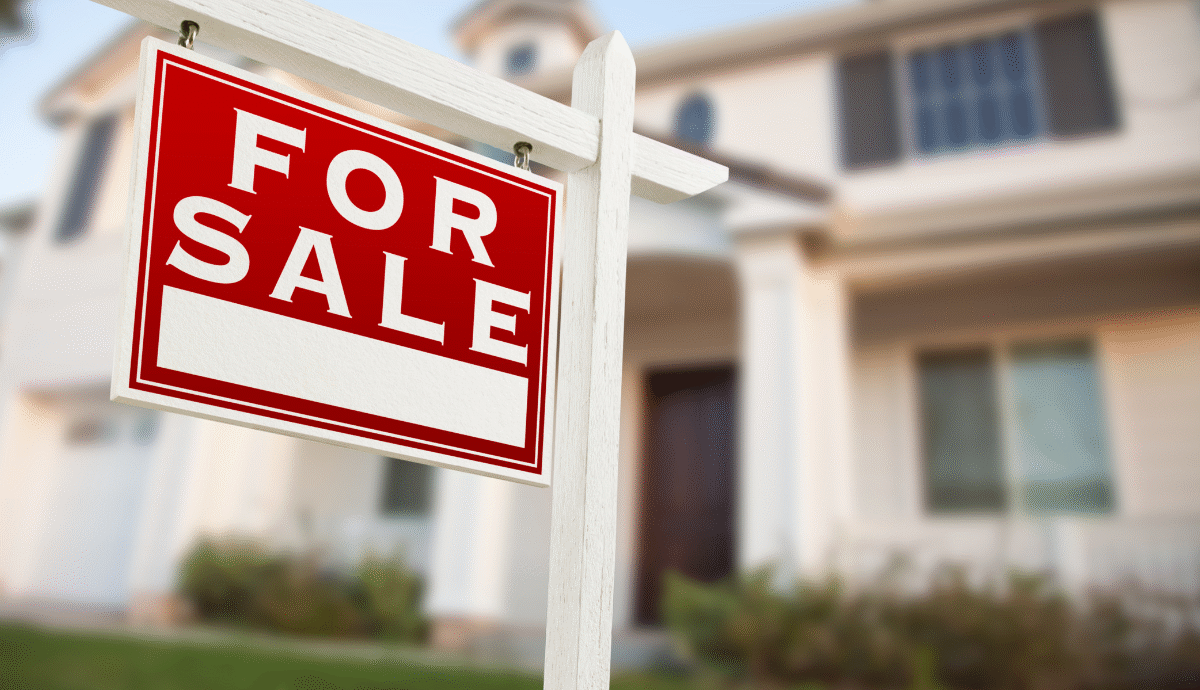
For sale sign in front yard – considering if it’s a good time to sell a home
70% of Homeowners Say It’s a Good Time to Sell — But Should You?

The housing market has changed significantly over the past few years and yet, according to a recent Realtor.com survey, 70% of homeowners still think now is a good time to sell.

That might sound surprising, especially with high interest rates and inflation-related uncertainty. But the truth is, today’s sellers aren’t just watching the market, they’re responding to life.

Why Are Homeowners So Confident?

The survey highlights that most homeowners aren’t selling because of timing—they’re selling because of need. Here are the top reasons:

  • 46% want to move to a different community

  • 34% need more space

  • 25% are looking to downsize

  • 21% are making a family-related move

  • 15% are relocating for work

This shows that major life changes—not just home prices—are driving decisions in 2025.

What Do Sellers Expect?

Despite market headwinds, seller confidence is high:

  • 81% believe they’ll get full asking price (or more)

  • 75% expect a fast sale

  • 63% don’t think they’ll need to offer concessions

And they’re preparing for success:

  • 71% have checked their home’s value

  • 61% are researching neighborhood pricing

  • 38% have made improvements or repairs

What You Can Learn from This

If you’re a homeowner yourself, this data is a reminder that:

  • You’re not alone in rethinking your living situation

  • Today’s market may be complex, but there are still paths to a strong sale

  • Preparation and timing still make all the difference

Whether you’re selling now or simply watching the trends, staying informed will always put you one step ahead.

Thinking of Selling?

We specialize in residential and commercial real estate appraisals and market positioning. Whether you’re ready to list or just exploring your options, we’ll help you understand your property’s true market value, so you can move forward with confidence.

📞 Schedule your valuation today and make sure your next move is a smart one.

Spring Inventory Surge: What It Means for Buyers & Sellers in 2025


Spring Inventory Just Spiked—Here’s What That Really Means for Buyers and Sellers

No, the market isn’t crashing. However, something big is happening: inventory just surged by 17,000 homes in a single week—the sharpest jump in nearly three years.

For the first time in a long time, buyers have more options. Meanwhile, sellers face more competition than before. Whether you’re diving in or just watching from the sidelines, here’s what this shift means and how to play it smart.


Why Inventory Is Suddenly Climbing

This isn’t a fluke. It’s the result of a few key trends converging:

Rates are still high-ish – Mortgage rates dipped slightly; nevertheless, they remain high enough to give buyers pause. As a result, slower demand means homes are sitting longer.

Sellers are done waiting – Many are accepting that this is the new normal. Therefore, they’re listing now rather than holding out for 2021 prices.

Longer time on market = more active listings – With fewer bidding wars, homes are stacking up.


What Buyers Should Know

This shift is your chance to breathe. In fact, it finally gives buyers a little more control.

You’ve got options – More listings means more room to compare, negotiate, and not waive every contingency.

Slightly better leverage – Some sellers are open to concessions: price cuts, closing help, or repair credits.

However, don’t sleep on it – If rates drop again, competition could heat back up fast.


What Sellers Should Do Now
A shifting market isn’t bad. It just means you can’t rely on chaos to sell your home.

Price smart – Today’s buyer is savvy and spoiled for choice. Overprice it, and they’ll scroll right past⁷.

Stand out – Good staging, strong photos, and solid marketing are now your secret weapons.

Stay calm – Homes are still selling, it’s just not a bidding war on every block anymore.


Bottom Line
This spring isn’t a meltdown or a miracle. It’s a moment of balance and that’s a good thing.

The market is evolving. Strategy matters more than ever. Whether you’re buying, selling, or investing, understanding the why behind the numbers will always put you ahead.

Want help reading the signs in your local market?

Reach out—we’re here to help.


Sources:
Altos Research via HousingWire, April 2025: “Biggest inventory spike in 3 years

Freddie Mac Mortgage Market Survey, April 2025 

CoreLogic MarketPulse Report, Q1 2025 

Redfin Market Trends Report, April 2025 

National Association of Realtors (NAR), 2025 Buyer & Seller Survey 

Mortgage News Daily Rate Tracker, April 2025 

Realtor.com Seller Strategy Guide, 2025
Why Pricing Strategy Matters in Real Estate: How Appraisers Help Sellers Win Big

When it comes to selling real estate, your pricing strategy can make or break the deal. Price too high, and your listing may stagnate. Price too low, and you risk leaving hard-earned equity on the table. That’s where a professional real estate appraiser becomes your secret weapon, not just a number cruncher, but a strategic ally.

First Impressions Start with the Price

In today’s digital-driven home search, price is the first filter buyers apply. Overpriced homes may never even show up in their results. Underpriced homes might draw attention, but at the risk of sacrificing value.

Getting the price just right is both an art and a science. It’s not about gut instinct or what your neighbor got last spring—it’s about current, hyper-local market data.

Enter the Appraiser: The Power of Professional Pricing Insight

A licensed appraiser delivers objective, data-backed pricing insights by analyzing:

Recent comparable sales (comps)

Neighborhood trends and local market shifts

The condition and upgrades of your property

Buyer demand in your specific zip code

Unlike online valuation tools, which often miss the nuances of a neighborhood, a professional appraisal reflects true market value—what real buyers are likely to pay right now.

Avoid Price Drops & Protect Your Credibility

An overpriced home often leads to painful price reductions. Each drop sends a signal to buyers: “Something’s wrong.” Momentum slows, offers dry up, and you lose negotiation leverage.

An appraiser helps price your home right the first time, reducing time on market and improving your chances of receiving multiple strong offers early on.

Boost Negotiation Power with Confidence

Appraisal reports offer sellers a strong advantage during negotiations, helping to:

Justify your asking price with impartial evidence

Reassure cautious buyers and skeptical agents

Prevent financing-related deal breakdowns

Buyers and lenders alike take pricing seriously. Having a professional appraisal in hand builds trust and transparency.

Better Pricing Strategy = Better Outcomes
A smart, appraiser-backed pricing strategy gives sellers a measurable edge. You’re more likely to:

✅ Sell your home faster
✅ Attract well-qualified, serious buyers
✅ Maximize your net proceeds

In hot and cool markets alike, data-driven pricing wins.

Ready to Sell? Don’t Guess—Get Expert Guidance

Before listing your property, consult with a certified local appraiser. They understand the market trends, neighborhood dynamics, and value drivers specific to your area.

A strategic price sets the stage for a successful sale. Let a trusted appraiser help you get it right—right from the start.

The Green Premium: How Sustainable Features Boost Property Value in 2025
sustainable green building

In 2025, the real estate landscape is increasingly influenced by sustainability. Properties equipped with green and energy-efficient features are not only reducing environmental footprints but also commanding higher market values. This trend reflects a growing demand among buyers and investors for eco-friendly and cost-effective living spaces.

The Financial Upside of Green Certifications

Properties with recognized green certifications, such as LEED (Leadership in Energy and Environmental Design) and Energy Star, are witnessing a surge in desirability. These certifications signify a property’s commitment to sustainability and superior energy efficiency, leading to lower operational costs. For instance, LEED-certified homes have been reported to sell at a premium compared to non-certified homes. Similarly, commercial properties with Energy Star certifications often achieve higher rental rates and increased occupancy due to their energy efficiency and appeal to environmentally conscious tenants.

Market Demand for Sustainable Living

The shift towards sustainable living is not just a niche movement but a significant market trend. Buyers are increasingly prioritizing properties that align with their environmental values and offer long-term cost savings. This demand is driven by heightened awareness of climate change and the tangible benefits of reduced utility expenses. As a result, energy-efficient homes are selling faster and often at higher prices than their conventional counterparts.

Incorporating Renewable Energy Solutions

The integration of renewable energy sources, such as solar panels and wind turbines, into residential and commercial properties is becoming more prevalent. These installations not only reduce dependence on non-renewable energy but also enhance property appeal. Homes equipped with solar panels, for example, can experience significant reductions in electricity bills, making them more attractive to potential buyers. Additionally, properties with renewable energy features may qualify for tax incentives and rebates, further increasing their value proposition.

Emerging Trends in Sustainable Real Estate
  • Smart Tech: Energy-efficient appliances and automated systems that optimize usage.
  • Solar & Renewables: Homes with solar panels reduce electricity bills and qualify for tax incentives.
  • Climate-Resilient Design: Materials that withstand extreme weather add long-term value.
  • Urban Greening: Green roofs and community gardens increase curb appeal and livability.
The Bottom Line

The integration of green and energy-efficient features is proving to be a valuable investment in the 2025 real estate market. Properties that embrace sustainability not only contribute positively to the environment but also enjoy enhanced marketability and financial returns. As the demand for eco-friendly living spaces continues to rise, incorporating these features becomes a strategic imperative for property owners and developers aiming to maximize property values.

Ready to enhance your property’s value? Contact PahRoo Appraisal & Consultancy today to learn how sustainable features can boost your property’s market appeal

Could You Afford These 2024 Luxury Homes? Here’s What Your Monthly Payment Would Look Like

2024 luxury home affordability: Aspen high-end home

“Ever wondered what it costs to own a $200 million mansion? Sure, buying a mega-mansion is reserved for billionaires—but what if you somehow hit the jackpot? Would your paycheck cover the monthly mortgage?”

Let’s break down the most expensive homes sold in 2024 and see if you (or anyone besides a billionaire) could actually afford the payments. Spoiler alert: It’s insane.

1. Malibu, CA – $210 Million

Location: Malibu, CA
Sold For: $210,000,000
Mortgage Breakdown (30-year fixed loan at 6.5%):

20% Down Payment: $42 million
Loan Amount: $168 million
Monthly Payment: $1.06 MILLION
Property Taxes (~1.1% in CA): $192,500 per month
Home Insurance & Maintenance: $50,000+ per month

Reality Check: You’d need to make $20 million per year just to cover this home’s mortgage, taxes, and maintenance!

And that’s before you hire a full-time staff, security team, and pool boy.

2. Palm Beach, FL – $152 Million

Location: Palm Beach, FL
Sold For: $152,000,000
Mortgage Breakdown:

20% Down Payment: $30.4 million
Loan Amount: $121.6 million
Monthly Payment: $770,000+
Property Taxes (~1.3% in FL): $165,000 per month
Private Yacht Dock + Staff Costs: $50,000 per month

Reality Check: Florida has no state income tax, which helps… but you still need at least $12M-$15M per year just to cover the basics.

Hope you don’t mind skipping Starbucks.

3. NYC Penthouse – $135 Million

Location: Manhattan, NY
Sold For: $135,000,000
Mortgage Breakdown:

20% Down Payment: $27 million
Loan Amount: $108 million
Monthly Payment: $685,000+
Property Taxes (~1.6% in NYC): $180,000 per month
HOA Fees & Luxury Concierge: $20,000+ per month

Reality Check: Living in a five-story penthouse with a rooftop pool sounds amazing, but good luck finding street parking when your driver’s off duty.

4. Aspen, CO – $77 Million

Location: Aspen, CO
Sold For: $77,000,000
Mortgage Breakdown:

20% Down Payment: $15.4 million
Loan Amount: $61.6 million
Monthly Payment: $390,000+
Property Taxes (~0.5% in CO): $32,000 per month
Ski Resort Maintenance & Private Staff: $50,000 per month

 Reality Check: This is probably the cheapest home on this list, but you’ll still need $6M+ per year just to keep up with the mortgage, taxes, and staff.

At least your winters will be epic!

5. Carpinteria, CA – $96 Million

Location: Carpinteria, CA
Sold For: $96,000,000
Mortgage Breakdown:

20% Down Payment: $19.2 million
Loan Amount: $76.8 million
Monthly Payment: $485,000+
Property Taxes (~1.1% in CA): $88,000 per month
Coastal Maintenance & Security: $35,000 per month

Reality Check: If you can afford this, you’re probably rubbing shoulders with Oprah and Ellen.

But even billionaires think twice before paying half a million per month on a home.

So… Could You Afford One of These Homes?

Unless you’re a tech billionaire, oil tycoon, or royalty, the answer is probably not. But it’s fun to dream, right?

Which one would YOU choose if money wasn’t an issue?

Drop your dream home in the comments!

Curious about how much home you can afford? Use our affordability calculator to estimate your potential monthly payments and explore luxury properties within your budget.

eco-friendly home features impacting the home appraisal process
Home Appraisal Process: A Guide for First-Time Homebuyers

The home appraisal process is an independent check on what a property is worth. For most first-time buyers, it happens right in the middle of the mortgage. Once your offer is accepted, your lender orders an appraisal. The goal is to confirm the home is worth what you agreed to pay. That number can move your loan, your down payment, and sometimes the deal itself.

By the end of this article, you’ll know:

  • What the appraisal checks, and who orders it
  • What to do if the value comes in below your offer
  • How local factors in Chicago, Philadelphia, and Dallas shape the result

What the Home Appraisal Process Actually Is

An appraisal is a written opinion of a home’s market value. A licensed appraiser inspects the property and compares it to recent sales nearby. In a typical purchase, your lender orders it. You usually pay for it as part of your closing costs. The Consumer Financial Protection Bureau notes that lenders rely on this valuation. It tells them how much they can safely lend against the home.

Value and price are not the same thing, and that is the whole point of the exercise. Your offer is what you agreed to pay. The appraisal is a neutral read on what the market actually supports.

There is a second kind of appraisal worth knowing about. You can hire your own independent appraiser, separate from the lender’s. It gives you a private read on value before you commit. That is often where we come in. You can see the scope of that work on our residential appraisal page. The lender’s appraisal protects the bank. An independent one protects you.

What Appraisers Look At

Appraisers do not guess. They build value from evidence, and a few things carry most of the weight.

Location leads. Two nearly identical houses can appraise very differently. The block, the school boundary, and nearby sales all play a part. Condition comes next. A dated kitchen, a tired roof, or deferred maintenance pull the number down. Recent updates can lift it, including the energy-efficient features that more buyers now pay for.

Size and layout matter too, measured as gross living area rather than the listing’s claims. Then come the comparable sales, usually called comps. These are recent sales of similar homes nearby. The appraiser adjusts for the differences between those homes and yours. Think up for a finished basement, down for a smaller lot. Those adjusted figures anchor the final opinion of value. The closer and more recent the comps, the more reliable that anchor tends to be.

What Happens If the Appraisal Comes In Low

This is the part that catches first-time buyers off guard. If the appraisal lands below your offer, your lender will finance against the lower figure, not your contract price. That gap has to close somehow.

You have a few options. You can renegotiate with the seller. The appraisal is evidence that the home is worth less than you agreed to pay. You can cover the difference in cash if you have it. You can also challenge the appraisal through what the CFPB calls a reconsideration of value. That means pointing to stronger comps or factual errors in the report.

Walking away is on the table too, if your contract includes an appraisal contingency. None of these is fun. But knowing them ahead of time keeps a low number from becoming a panic at closing.

City-Specific Considerations in Chicago, Philadelphia, and Dallas

Local markets shape appraisals more than most buyers expect.

In Chicago, property taxes, ward-level zoning, and neighborhood lines all influence value. Comps from even a few blocks away may not fit. In Philadelphia, historic housing stock and school catchment lines weigh heavily. Older homes there raise condition questions that newer markets do not. In Dallas, fast suburban growth means comps can age quickly. A sale from six months ago may already understate a developing area.

A local appraiser reads these signals. That knowledge is a big part of why the same home can appraise differently from one market to the next.

How to Prepare for Your Appraisal

You cannot control the final number, but you can help the appraiser see the home accurately. Make sure the property is accessible and clean. Have a list of recent upgrades ready, with rough dates and costs. If you are the buyer, ask your agent for the comps behind the offer. That way you can spot a low appraisal early.

One thing not to do: try to influence the appraiser toward a number. Their independence is what makes the report credible, and pushing on it tends to backfire. Treat the appraisal as useful information rather than a judgment on your choice. A clear-eyed read of value is what keeps you from overpaying, and it is worth getting right before you sign.

Want an Independent Read Before You Buy?

A private appraisal from PahRoo tells you what a home is really worth before you commit. It covers Chicago, Philadelphia, and Dallas. Know your number before the bank tells you theirs.

Request Your Appraisal Quote

Frequently Asked Questions

What is the home appraisal process?

It is an independent assessment of a property’s market value. A licensed appraiser inspects the home and compares it to recent nearby sales. In a purchase, your lender usually orders it after your offer is accepted.

Who pays for the appraisal when buying a home?

The buyer typically pays for the lender’s appraisal as part of closing costs, even though the lender orders it. You can also pay for your own independent appraisal if you want a second, private opinion of value.

What happens if the appraisal is lower than my offer?

Your lender will finance against the lower value. From there, you have options. You can renegotiate the price, pay the difference in cash, or challenge the appraisal. You can also use your contract’s appraisal contingency to walk away.

How long does a home appraisal take?

The on-site inspection usually takes under an hour for a typical single-family home. The full written report often takes a few days to a week. It depends on the appraiser’s workload and the property’s complexity.

Can I get my own appraisal separate from the lender’s?

Yes. Buyers can hire an independent appraiser for a private opinion of value before making or finalizing an offer. This is common when you want an unbiased read that is not tied to the lender’s process.

Need an Independent Appraisal?

PahRoo Appraisal & Consultancy provides independent residential valuations across Chicago, Philadelphia, and Dallas, led by Michael Hobbs. Maybe you are buying your first home. Maybe you just want a private read before you make an offer. Either way, our residential appraisal team can help. Reach us any time through our contact page.


green property features with solar panels to boost home value
The Impact of Green and Energy-Efficient Features on Property Values

How Green Property Features Increase Your Home’s Value

Green property features, such as LEED and Energy Star certifications, are transforming the real estate market. Beyond certifications, eco-friendly home improvements like solar panels, high-efficiency windows, and sustainable building materials are becoming standard. These energy-efficient features reduce environmental impact and enhance a property’s marketability and long-term value.

Why Sustainable Upgrades Matter

In addition to LEED and Energy Star certifications, eco-friendly home upgrades like solar panels, high-efficiency windows, and sustainable building materials are becoming standard. These energy-efficient features not only reduce environmental impact but also enhance a property’s marketability and long-term value.

The Financial Benefits of Green Features

Investing in green property features can save homeowners money in the long run. Reduced utility bills, tax incentives, and potential insurance discounts make eco-friendly homes appealing both financially and environmentally. Buyers increasingly consider these factors when evaluating a property, often paying a premium for certified green homes.

Attracting Eco-Conscious Buyers

Properties with sustainable features appeal to a growing market of environmentally aware buyers. From young professionals to established families, many home seekers now consider a home’s ecological footprint before making a purchase. Highlighting green property features can make listings stand out in competitive markets.

Further Insights on Sustainable Property Value

Homeowners and investors who want to maximize their property’s appeal can explore how green property features truly impact market value. Our related guide, The Impact of Green and Energy-Efficient Features on Property Values, dives deeper into how certified green upgrades not only attract eco-conscious buyers but also strengthen long-term investment potential.

Eco-Friendly Features That Make a Difference

Some of the most impactful green property features include:

  • Solar panels and renewable energy systems
  • Energy-efficient appliances
  • Sustainable building materials
  • Water-saving fixtures and landscaping
  • High-performance insulation and windows

These upgrades not only reduce operating costs but also enhance comfort, aesthetics, and overall property desirability.

Integrating green property features is more than a trend, it’s a strategic investment that benefits homeowners, buyers, and the environment alike. Sustainable upgrades increase property value, reduce costs, and appeal to a growing market of eco-conscious buyers.

Learn more about eco-friendly upgrades and certifications by visiting our comprehensive guide.

Discover how green property features can enhance your home, contact PahRoo for an appraisal today.


NEWSLETTER

Knowing a property's true value is key
to making informed real estate decisions

Visit us

7383 Lincoln Ave Suite,
#100 Lincolnwood, IL, 60712