Author: Michael Hobbs

Request a quote

Our blog

Latest news
& events

Cook County land reassessment 2023 property map showing south suburban tax changes
Cook County Reassessment 2023: Lessons to Protect Property Owners in 2025

When Cook County released its 2023 reassessment results for south suburban properties, thousands of owners were stunned. Land valuations in some cases spiked more than 600% because of a modeling error. The Board of Review eventually corrected more than 4,000 parcels, but the shockwaves are still being felt.

As we head into 2025 with new reassessment cycles and the next triennial review coming in 2026, the lessons from 2023 remain important for every property owner in Cook County.

Cook County 2023 Land Reassessment: What Happened?

During the 2023 reassessment, a systemic error in the valuation model caused inflated land values throughout several south suburban townships. Many property owners opened their notices to discover their land value had increased by several hundred percent overnight. While the Board of Review corrected the mistake, the incident revealed flaws in how land and building values are modeled.

For property owners, this wasn’t just a glitch. It showed how quickly errors in valuation modeling could translate into unexpected tax bills if not identified and challenged.

Why the 2023 Land Spike Still Matters in 2025–2026

Although the 2023 error was corrected, the risk has not disappeared. Valuation modeling remains complex, and as methodologies evolve, new vulnerabilities can emerge. With the 2026 triennial reassessment approaching, property owners should assume that modeling issues are still possible.

Here’s why it matters:

  • Future assessments will use similar tools. If the methodology isn’t monitored, mistakes could happen again.

  • Appeal windows are limited. Miss your opportunity, and you could be stuck with an inflated bill.

  • Township trends matter. Some areas are more prone to land/building imbalances, making vigilance critical.

What Property Owners Can Learn from 2023

Attorneys who handle property tax appeals had a front-row seat to the 2023 spike. Many realized that waiting until the appeal window opened was too late. They began looking for problems as soon as notices arrived and showed clients how to spot unusual numbers before mistakes turned into costly bills.

For property owners, the takeaway is simple: you don’t need to understand all the technical details to protect yourself. What matters is knowing what to look for and acting quickly if something feels off.

Strategies for Property Owners Ahead of 2026

Property owners don’t need a law degree to protect themselves. The key is staying informed and prepared. Here are practical steps:

1. Review Your Assessment Notices Carefully

When you receive your assessment notice, compare land and building values. If your land value seems disproportionately high compared to similar properties, it may signal an error.

2. Track Township Trends

Stay informed about your township’s assessment cycle and average increases. If you notice unusual spikes, take a closer look at your property.

3. Act Early on Appeals

Don’t wait until the deadline. Start reviewing your assessment as soon as it arrives so you have time to file an appeal if needed.

4. Consult Professionals When Needed

While you can file your own appeal, consulting a property tax attorney or appraisal expert can help ensure nothing is overlooked. They may also spot systemic issues you might miss.

5. Leverage Technology

Tools powered by AI and data analytics are becoming more common in the property tax space. Using these resources can help you detect red flags faster and with greater accuracy.

Staying Ahead Pays Off

The 2023 Cook County reassessment showed that even small modeling errors can have massive financial consequences. For property owners, the lesson is simple: don’t wait until a tax bill surprises you. By monitoring assessments, learning from past mistakes, and preparing early, you can protect your investment and avoid overpaying.

Request a Property Tax Consultation
Learn More About Cook County Appeals
Chicago Housing Market Update: September 2025 Trends

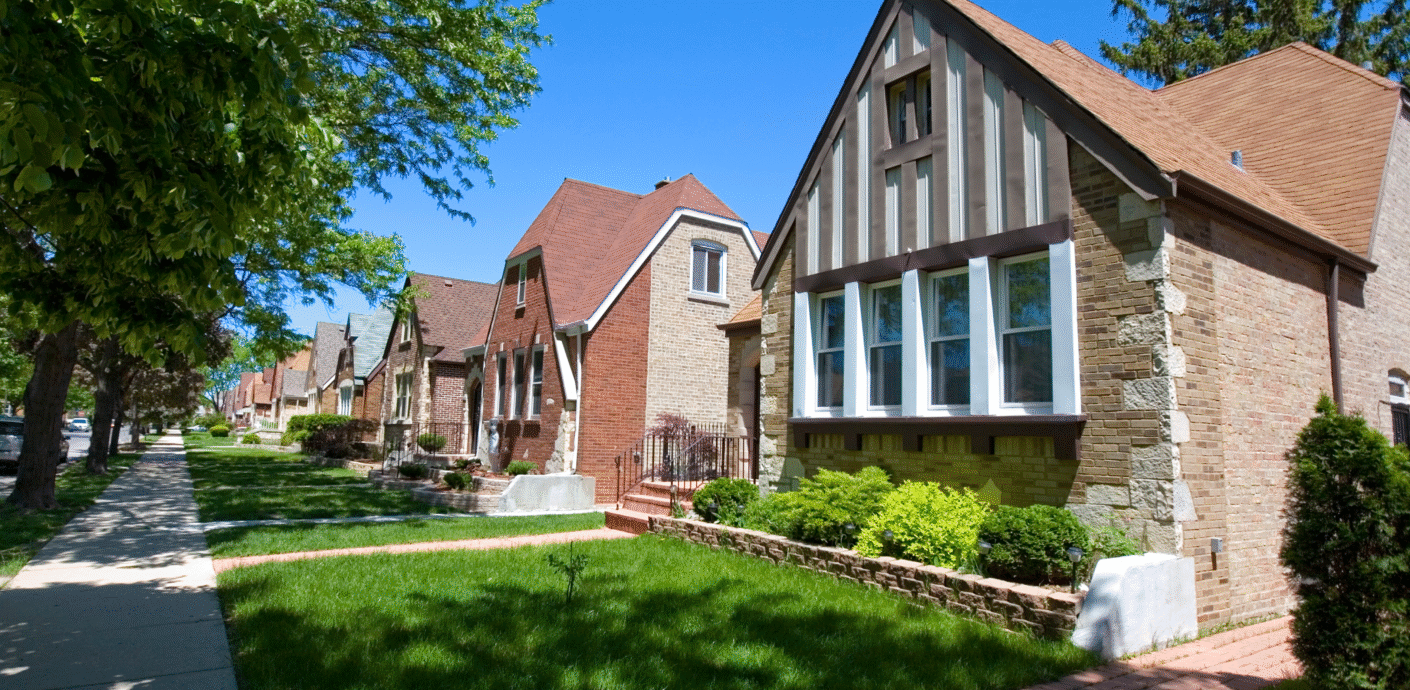
Chicago Housing Market Update – September 2025

Chicago’s suburban housing market in September 2025 showed mixed signals. Buyers and sellers across Cook, DuPage, Lake, and Will Counties experienced different conditions in pricing, inventory, and sales activity. Here’s what you need to know if you’re planning to buy or sell this fall.

Single-Family Trends
Inventory & New Listings

In Cook County, active inventory dropped 4.9% year-over-year, limiting buyer choices. DuPage saw a sharper decline, with listings down 33.8%. Meanwhile, Lake County offered some relief with a 21.2% increase in new listings, and Will County surged with 26.6% more homes on the market.

What this means for you: Buyers will find more options in Will and Lake Counties, while DuPage remains tight and competitive.

Buyer Demand & Pending Sales

Pending sales were down across the board: Cook (-18.6%), DuPage (-15.4%), Lake (-20.8%), and Will (-26.2%). This shows softer buyer demand despite some week-to-week improvements.

Takeaway: Sellers should be prepared for longer market times and more negotiations.

Home Prices & Value Trends

Prices showed a mixed picture. Cook’s median list price fell 4.9% to $341,400. DuPage held steady with a 2.6% increase to $624,900. Lake dropped 6.6% to $559,900, while Will’s absorbed price slipped 11.3% to $385,000.

What this means for you: Buyers in Lake and Will may see more negotiating room, while sellers in DuPage are holding stronger ground.

Chicago Condo Market 2025 – Suburban Trends
Inventory & Seller Activity

Cook’s condo inventory shrank by 7.5% with fewer new listings, making it harder for buyers to find options. By contrast, DuPage saw a 15.5% increase, and Will County jumped 41.7%, suggesting sellers are more active there.

Takeaway: Buyers have the most choices in Will and DuPage, while Cook remains tight.

Sales & Market Absorption

Pending sales fell in every county, with Cook down 26% and DuPage down 13.2%. Absorption rates also dropped, especially in DuPage (-24.8%) and Will (-34.9%), showing slower turnover.

Condo Pricing Insights

Prices varied: Cook dipped 6% ($315,000), while DuPage rose 10.8% ($299,000). Lake and Will saw modest increases of 1.1% and 3.8%, respectively.

What this means for you: Buyers in Cook may have more leverage, while DuPage remains competitive with rising condo prices.

Chicago Housing Market 2025 – Buyer & Seller Outlook

For Buyers: Will County (homes) and Cook County (condos) present more opportunities thanks to increased inventory or softer prices. Patience could give you an edge in negotiations.

For Sellers: DuPage offers stronger pricing power. Sellers in Will and Lake should be flexible to stay competitive in slower markets.

Financing: Mortgage rates are still elevated around 6.26%. While the Fed funds rate dropped, affordability remains tight. This keeps buyers cautious but creates room for negotiation.

Here’s the bottom line on what the numbers mean this month:
  • Will County: More homes are on the market and prices are softer, which creates opportunities for buyers to negotiate.
  • DuPage County: Fewer listings are keeping supply tight, helping sellers maintain stronger pricing power.
  • Cook County condos: With shrinking inventory and slower sales, cautious buyers may find room to bargain.
  • DuPage condos: Despite higher supply, prices continue to climb—giving sellers the upper hand.


Attorney helping client prepare Cook County property tax appeal strategy for 2025.
Record Tax Appeal Filings: 273,907 Cook County Tax Appeals What’s Next?

Cook County’s 2024 property tax appeal season made history. The Board of Review (BOR) received an unprecedented 273,907 filings, the highest number ever recorded. While most cases have been resolved, many attorneys are still navigating delays, evidence resubmissions, and perhaps most challenging, clients asking, “Why is this taking so long?”

The truth is that the process has never been fast. And now, with 2025 appeals already underway, the bigger question becomes: Will you do anything differently this year?

2024 sets a new precedent, signaling that attorneys and property owners should prepare for consistently high volumes moving forward. 

But instead of viewing this as discouraging, it’s worth considering the upside: more filings mean more opportunities if you approach them strategically.  

Key Strategies Attorneys Can Use for 2025 Appeals 

If you want to stay profitable, avoid burnout, and keep clients satisfied, this is the year to rethink your processes. Here are three strategies many of your peers are already exploring:  

  1. Rethinking Case Selection Thresholds

Not every case is worth the time investment, especially when savings for the client are modest and resolution timelines stretch for months. By setting clearer thresholds for the types of cases you’ll take on, you can protect your time and direct energy toward higher-value appeals. 

For example, one Chicago-area firm adjusted its minimum savings threshold for residential appeals, reducing case volume by 15% but actually increasing overall profitability. The shift allowed attorneys to focus on commercial cases that had greater upside.  

  1. Automating Client Intake

Administrative drag is a silent profit killer. If you’re still relying on paralegals and attorneys for high-volume, low-value filings, you’re tying up valuable staff resources. Think of automation like the self-checkout lanes at Costco or Jewel-Osco. It speeds things up without sacrificing quality. 

Some firms are now using online intake portals that allow clients to upload documents, verify property details, and electronically sign authorizations. These tools save hours of administrative time and reduce human error, which becomes critical during peak filing season.  

  1. Early Outreach to Known-Pain Properties

Certain properties are magnets for review. By identifying these “known-pain” properties early, you can get ahead of heavier scrutiny. Reaching out proactively to those clients positions you as a trusted partner and helps you prepare stronger cases before the bottleneck intensifies. 

For instance, properties in neighborhoods undergoing rapid reassessment often face repeat scrutiny. Reaching those clients early not only sets you apart from competitors but also allows for smoother evidence gathering.  

Turning Delays Into Opportunities 

Yes, the system is bogged down. But delays also create a natural filter: not every attorney or firm will adapt. Those who plan ahead and embrace efficiency will stand out from the crowd. 

Delays can even strengthen client relationships if handled well. Proactively updating clients on expected timelines and setting realistic expectations can transform frustration into trust. Firms that communicate effectively during the waiting game often see stronger retention rates. 

In fact, this year offers a chance to do more without actually doing more if you align your processes with today’s realities.  

Frequently Asked Questions About Cook County Appeals  
How long do Cook County appeals usually take?

On average, residential appeals can take 6–12 months, while commercial cases may take longer depending on complexity and evidence volume. 

What makes a case “high-value”?

Typically, cases with significant potential tax savings relative to attorney and staff time invested. Many firms now prioritize commercial or multi-unit properties to maximize returns. 

Will appeal volumes continue to rise?

Most experts believe that filing volumes above 250,000 will remain the norm, especially as more property owners look for relief from rising tax assessments.  

What’s Next for Cook County Property Tax Appeals? 

The 2025 appeal season is moving forward quickly, and early signs suggest that high filing volumes are here to stay. Attorneys who ignore this shift risk frustrated clients, rising operating costs, and lower margins. Those who adapt will build stronger client relationships and protect profitability.  

What about you? Are you seeing early red flags with your 2025 filings? What new processes are you putting in place to stay ahead? 


Take the Next Step 

At PahRoo, we help Chicago-area property owners and attorneys navigate the evolving Cook County appeal landscape with confidence. If you’re looking for ways to optimize your strategy this year, we’d love Why 2024 May Be the New Normal for Property Tax Appeals 

What happened in 2024 wasn’t just a one-off spike. Many in the industry see this level of appeal activity as the new baseline for Cook County. The system is overwhelmed, and that reality is unlikely to change anytime soon. 

To put this in perspective, the BOR saw about 220,000 filings in 2022 and roughly 250,000 in 2023. Crossing the 270,000 marks in to talk. 

Request an Appraisal
Learn More About Appeals 

The $4.3 Billion Shift: What 2024 BOR Appeals Mean for Attorneys in Cook County

Property tax attorneys in Cook County know just how much the Board of Review (BOR) can reshape the playing field. Recent appeal outcomes have not only saved commercial property owners billions but also shifted the tax burden onto homeowners across Chicago. The numbers tell an important story, one with real implications for attorneys guiding clients through the appeal process.

Attorney reviewing property tax documents related to Cook County Board of Review appeals.

Billions in Savings, Billions in Shifts

Between 2021 and 2023, commercial property owners shaved $3.3 billion off their tax bills through successful BOR appeals. The flip side? Nearly $2 billion of that burden shifted to homeowners.

Fast forward to the 2024 reassessment, and the gap widened. Commercial property values dropped by an average of 17% (~$4.3 billion) through BOR appeals, while residential values fell just 1%. That shift pushed homeowners’ share of the tax base from 49% to 54% in a single reassessment cycle.

The Uneven Impact on Neighborhoods

These shifts don’t land evenly. In lower-income and minority neighborhoods, appeal rates tend to be lower, which means fewer opportunities for relief. As a result, the tax increases in these communities are more pronounced.

This imbalance is drawing attention—not just from affected homeowners but also from policymakers and the media. For attorneys, it’s a reminder that BOR outcomes don’t happen in a vacuum. The broader narrative around fairness and equity is shaping how appeals are perceived.

Why Appeals Still Matter

Despite the scrutiny, one fact hasn’t changed: BOR appeals are still the most effective way to secure property tax relief in Cook County. Businesses continue to depend on them, and attorneys remain on the front lines.

What has changed is the level of preparation required. Large commercial cases, in particular, demand well-supported valuation evidence that can withstand challenges. It’s no longer enough to file paperwork and hope for the best—clients and regulators alike expect appeals to be backed by clear, defensible analysis.

Strong Evidence Wins Cases

This is where experienced appraisers make all the difference. At PahRoo Appraisal & Consultancy, we provide valuation reports that go beyond the basics. Our work helps attorneys:

  • Present solid, defensible evidence at the BOR.

  • Strengthen their position in high-value or complex appeals.

  • Reassure clients who need confidence in the process.

In today’s environment, having the right evidence isn’t just helpful, it’s essential.

The Bottom Line

The 2024 Cook County reassessment shows just how powerful BOR appeals can be. They save billions for commercial property owners but also shift responsibility onto homeowners, fueling debate about fairness.

For attorneys, the opportunity is clear, but so is the responsibility. Delivering results now means pairing legal expertise with strong valuation support that can stand up to scrutiny.

Request a Property Tax Appraisal

How Do Appraisers Compare Homes That Aren’t Alike?

When it comes to determining a home’s market value, appraisers often face the challenge of comparing properties that don’t look much alike. You might wonder: How can an older brick bungalow be compared to a newer two-story home down the street? The answer lies in a systematic process called adjustments, which ensures that differences between homes are accounted for fairly.

Real estate valuation illustration with a hand holding a small house in front of bigger houses

Why Appraisers Need Comparables

Appraisers typically use the sales comparison approach, which relies on analyzing recent sales of comparable homes (“comps”). The problem? Perfect matches rarely exist. Even in the same neighborhood, homes can differ in size, style, age, and condition.

That’s why appraisers make careful adjustments to bring the sales prices of those comps closer in line with the subject property.

Adjusting for Home Differences

Adjustments allow an appraiser to create an “apples-to-apples” comparison. For example, if the comparable home has a renovated kitchen and the subject property does not, the appraiser reduces the comp’s sale price to reflect that difference.

Similarly, if the subject property has a larger lot than the comparable home, the appraiser adds value to the comp’s price. The goal is to estimate what each comparable would have sold for if it were more like the subject property.

Key Factors That Influence Adjustments

Location

Homes in more desirable areas: closer to schools, parks, or transit often sell for more. Appraisers weigh neighborhood differences heavily.

Size and Layout

Square footage matters, but so does layout. An open-concept design may command more value than a segmented floor plan of the same size.

Age and Condition

Newer homes or recently updated properties generally sell for more. Older homes in need of repairs are adjusted downward in comparison.

Upgrades and Amenities

Extra features such as finished basements, fireplaces, or updated bathrooms impact value. Appraisers account for these when comparing homes.

Why Professional Expertise Matters

Appraising is both an art and a science. While market data provides structure, appraisers also rely on experience and professional judgment to balance differences. This expertise ensures a fair and credible opinion of value, whether you’re buying, selling, refinancing, or settling an estate.

For more on professional appraisal standards, visit the Appraisal Institute.

FAQ: How Do Appraisers Compare Homes That Aren’t Alike?

Q: How do appraisers compare homes that aren’t alike?
A: Appraisers adjust for differences like size, age, condition, and features when comparing properties. Even if homes aren’t identical, these adjustments help ensure a fair and accurate valuation based on market data and professional judgment.


Final Thoughts on Comparing Unalike Homes

Even when two houses don’t look alike, appraisers use adjustments to create a level comparison. By analyzing location, size, condition, and amenities, they ensure the valuation reflects the home’s true market worth.

If you’re in Chicago or Cook County and need an accurate appraisal, trust PahRoo Appraisal & Consultancy to deliver clear, reliable valuations.

Request an Appraisal

Chicago Commercial Property Tax Appeals: What They Mean for Homeowners

The kids are back in school, but like many Chicagoans, I’m still hoping for one more month of summer weather. Unfortunately, what isn’t cooling off are the latest property tax outcomes from the Cook County Board of Review.

More…

Chicago Housing Market Update: August 2025 Brings Buyers More Leverage
Chicago housing market August 2025 county comparison – Cook, DuPage, Lake, Will
Chicago Housing Market Update: What’s Really Happening This Month

The Chicago-area housing market is cooling as we move through late summer 2025. Across Cook, DuPage, Lake, and Will counties, homes are taking longer to sell, buyers have more room to negotiate, and sellers are facing tougher decisions on pricing.

So, what does that mean for you if you’re buying, selling, or investing this year? Let’s break it down.

What You Need to Know About the August 2025 Market
  • More Homes on the Market – Inventory is climbing in most counties, giving buyers more options.
  • Slower Sales – Pending sales dropped across the board, with DuPage and Cook seeing the steepest declines.
  • Buyer’s Market – Absorption rates fell below 20% everywhere, signaling buyers are firmly in control.
  • Condo Resilience – Cook County’s condo inventory is actually shrinking, even as suburban counties flood with new listings.

Nationally, home sales have also slowed, with the National Association of Realtors reporting a similar cooling trend across major metro areas.

Curious about how these trends impact appraisals? Check out our FAQ page for quick answers.

County-by-County Breakdown

Cook County

Cook County is still the most affordable entry point in the metro area, with the median list price at about $339,000. Inventory is holding steady, which means buyers here can find options without the crazy bidding wars of the past few years.

DuPage County

Despite the market cooldown, DuPage is holding strong. With a median list price near $620,000 and shrinking inventory, this remains one of the most competitive submarkets.

Lake County

Lake County sits somewhere in the middle. Prices have softened a bit, and sales are slower than last year, but not dramatically so.

Will County

Will County is where the shift is most obvious. Inventory jumped 25% year over year, while buyer activity slowed way down. Homes are sitting longer, and price cuts are becoming more common.

What About Condos?

While single-family homes are cooling quickly, condominiums tell a different story. Cook County condo inventory actually dropped (-3.8% YoY), making the downtown and city-adjacent condo market more stable.

In contrast, suburban condo inventory, especially in Will County (+48.6%) is rising fast, creating more options for buyers outside the city.

What This Means for Buyers and Sellers
  • For Buyers: This is one of the best times in years to negotiate. More listings, longer days on market, and softer pricing trends put you in control.
  • For Sellers: Pricing matters more than ever. Overpricing can lead to longer time on market and forced price cuts. A professional appraisal can help you set the right price from day one.

With mortgage rates hovering around 6.5%, according to the latest Freddie Mac survey, buyers are balancing higher borrowing costs with increased inventory.

Looking for guidance on how appraisals support real estate decisions? Explore our Appraisal Services page.

PahRoo’s Take: Confidence Through Clarity

At PahRoo Appraisal & Consultancy, we understand how local market shifts impact your property’s value. Our certified appraisers bring Chicago-specific expertise and unbiased valuations you can trust, whether you’re buying, selling, refinancing, or managing an estate.


Downtown Chicago Office Tax Appeals: Why 2024 Assessments Still Miss the Mark


Cook County’s 2024 reassessment pushed many Class 5A downtown commercial properties up by an average of 21–22%, despite an office market that continues to struggle. Sub-50% occupancy, declining rents, and tenant downsizing have left even prime towers under pressure. Now, as those assessments move through the appeal process in 2025, the disconnect between assessor assumptions and market reality remains clear.

acant office floor in Chicago showing high vacancy rates impacting property values

2024 Cook County Assessments vs. Market Reality

Many buildings that saw values rise in 2024 have not rebounded operationally. Owners are facing:

  • Vacancy rates at or above 50% in numerous assets
  • Rent concessions and free rent packages just to maintain tenancy
  • Slow absorption as new leases trail far behind pre-pandemic demand

These challenges have left assessed values out of sync with actual income streams and investor expectations.

Why Owners Should Still Consider Appeals in 2025

While some may think the window has closed, viable appeal opportunities remain. Attorneys and owners can strengthen appeals with:

  • Occupancy and income documentation that shows sustained loss in 2023–2025
  • Cap rate evidence from recent downtown office sales, where risk premiums have expanded significantly
  • Deferred maintenance and capital expenditure needs that drag on net operating income

Appeals framed with real-world underwriting rather than abstract valuation models tend to resonate most strongly at the Board of Review.

The Last Clean Window to Act

Mid-2025 may represent the final clean opportunity for many downtown office assets to correct inflated 2024 assessments. Once the Board of Review cycle concludes, later adjustments become far more limited. Filing now ensures that property owners capture current market conditions before tax bills are locked in.

How PahRoo Appraisal & Consultancy Helps

At PahRoo, we partner with attorneys and office owners to create compelling, evidence-based appeals. Our team provides:

  • Updated comparable sales, rent rolls, and leasing trends
  • Market-supported capitalization rates reflecting today’s risk climate
  • Property-specific adjustments for repositioning costs or underperformance

Our approach ensures appeal arguments are credible, data-driven, and tailored to each property’s unique challenges.

Ready to Discuss Your Appeal?

If you or your clients own downtown office property in Cook County, now may be the last clean window to appeal 2024 assessments.

Chicago Housing Smart Market Signals August 2025

Chicago housing market Aug 2025 update: buyers are gaining leverage as inventory rises and sales momentum cools across Cook, DuPage, Lake, and Will Counties. If you’re planning to buy, sell, or invest, this month’s numbers point to real opportunities.

Chicago Theater sign in downtown Chicago with busy street traffic and historic buildings at sunset

Chicago Housing at a Glance for August 2025
  • Buyer advantage grows: Pending sales are down year over year across all four counties, easing competition.
  • County differences matter: DuPage remains the strongest on pricing, Cook offers the most affordability, Will shows the largest inventory build.
  • Condo stability in the city: Cook County condo inventory has tightened compared with last year, contrasting with suburban trends.
  • Rates keep pressure on budgets: The 30-year fixed hovers in the mid-6% range, moderating demand but opening room to negotiate.

County Snapshots
Cook County

Most affordable entry point. Median list price around the mid-$300Ks, with the largest share of total inventory in the metro. Condo inventory has declined year over year, making the attached market comparatively tighter for buyers.

DuPage County

Strongest pricing resilience. Median list price leads the region. Inventory has contracted versus last year, keeping competition relatively firm for well-presented homes.

Lake County

Balanced but steady. Pending activity shows smaller year-over-year declines than Cook or DuPage, signaling relatively stable demand in select submarkets.

Will County

Most selection for buyers. Active inventory is up sharply year over year while absorption cooled. Sellers should price to the market and prepare for longer days on market.

Mortgage Rates & Affordability

With the 30-year fixed around 6.58%, monthly payments remain elevated versus the recent past. For prepared buyers, this environment can translate to less bidding pressure and better terms.

What This Means for You

  • Buyers: Compare more homes, negotiate repairs/credits, and lock financing proactively.
  • Sellers: Price right from day one; consider strategic concessions instead of later price cuts.
  • Investors: Normalizing conditions after 2020–2024 create more rational entry points.

Why an Appraisal Matters Right Now

In a shifting market, precise value is your edge. A professional appraisal from PahRoo Appraisal & Consultancy, LLC gives you a data-driven view of true market value before you list, bid, refinance, or strategize.

Explore Residential Appraisal Services  |  Investor Consulting Solutions  |  Contact PahRoo

FAQs

Is Chicago a buyer’s market in August 2025?

Conditions tilt toward buyers as absorption rates trend lower and months of supply rise versus last year. Well-priced homes still move, but negotiation power has improved.

Which county is most affordable?

Cook County typically offers the lowest median list price among the four major counties, providing more accessible entry points for first-time buyers.

What should sellers do right now?

Lead with market-right pricing, optimize presentation, and consider targeted concessions (closing credits or repair budgets) to protect your timeline and net.

Need clarity before you act? Book an appraisal with PahRoo to move forward with confidence in the Chicago housing market Aug 2025.

NEWSLETTER

Knowing a property's true value is key
to making informed real estate decisions

Visit us

7383 Lincoln Ave Suite,
#100 Lincolnwood, IL, 60712