Tag: Residential Appraisal

Request a quote

Our blog

Latest news
& events

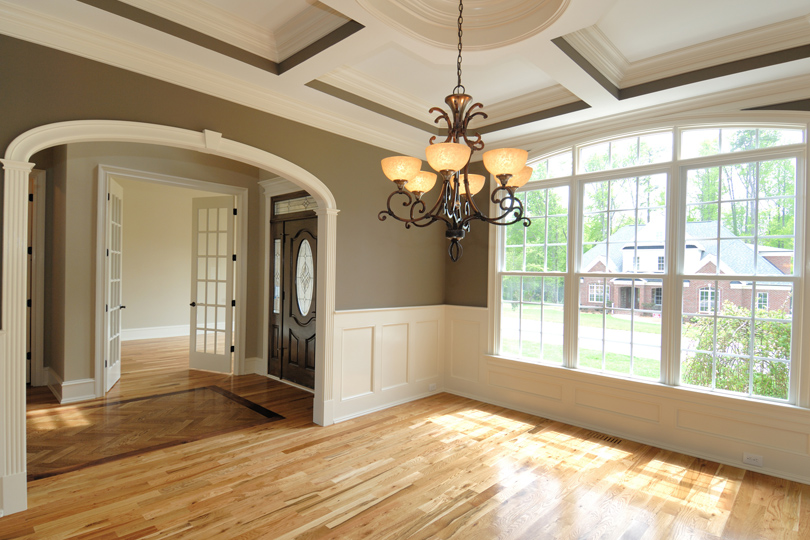
Luxury real estate interior with high-end finishes and Smart home features
Luxury Real Estate and the Problem of Too Few Comps

In April 2025, a beachfront compound at 2200 Gordon Drive in Naples sold for $133 million. Nothing in America sold higher all year. So here is the question that number hides: who decided it was worth that? After all, no other house on that beach had traded anywhere near it. That is the puzzle at the heart of luxury real estate. The most expensive properties carry the least evidence behind their values. So that gap is where fortunes get won or lost.

By the end of this article, you’ll know:

  • Why the top of the market breaks the usual valuation playbook.
  • The methods appraisers use when a home has no twin to compare against.
  • Where luxury values get contested, and why a small error means seven figures.

Why Luxury Real Estate Breaks Ordinary Valuation

Most homes get valued by comparison, and the system works because suburbs produce near-twins by the thousand. The top tier produces no twins at all. In Redfin’s recap of 2025’s priciest sales, every top-10 home closed above $60 million. Two tied at $110 million, and Los Angeles plus coastal Florida took eight of the ten spots. Naples claimed the record outright.

Now think like an appraiser about that list. How many beachfront compounds traded near Gordon Drive that year? How many buyers on earth could even bid? A thin sale history, one-of-a-kind construction, and a tiny buyer pool leave little to anchor on. So opinions of value can spread by tens of millions. The same house gets called $90 million by one party and $130 million by another. Both can point at something, too. So the question is never whether a luxury home has a value. It is whose evidence holds up.

How Appraisers Value a Home With No Twin

So the craft adapts in four ways. First, the comp search widens. When the block offers nothing, an appraiser looks across competing luxury markets and further back in time. Then every borrowed sale gets adjusted for market movement and differences. Second, the adjustments get surgical. Paired-sales analysis isolates what the market pays for one attribute, such as beachfront versus bay-front. It works by comparing sales that differ in only that respect.

Third, the cost approach earns its keep. For bespoke construction, rebuilding economics set a meaningful check on the comparison grid. What would the land cost, and what would it cost to build again? In trophy locations, the land itself often carries most of the value, so land sales get their own analysis. Fourth, the work leaves the desk. Appraisers at this tier also interview the brokers who handled the few relevant sales. Listing sheets never tell the whole story of why a $110 million deal closed where it did. This is slow, judgment-heavy work, and it is exactly what the MAI designation exists to certify.

Where Luxury Values Get Contested

Nobody orders a trophy-home appraisal out of curiosity. These values get tested in rooms with stakes. Estates face IRS review, for example, where an aggressive number invites penalties and a timid one overpays tax. Divorces split the difference too. One spouse wants the home kept at the lowest defensible figure, while the other wants it counted at the highest. Partnerships dissolve too, lenders size jumbo loans, and insurers set replacement values. In every case, a 5% disagreement on a $40 million property is a $2 million argument.

One more thing fails hardest at this tier: the online estimate. Automated models lean entirely on comparable data, which is the one thing luxury homes lack. The algorithm has also never stood in a great room or walked a private beach. We covered the general gap in our Zestimate vs appraisal breakdown. At the top of the market, that gap becomes a canyon.

From Naples Beachfront to Chicago’s Top Tier

Luxury is local, so what counts as the top tier shifts with the market. The record-setting end of Naples runs on gulf frontage, lot width, and rebuild economics. Chicago’s high end runs on different fuel. Landmark architecture, Gold Coast and Lincoln Park addresses, vintage craftsmanship, and penthouses with protected views carry the premiums here. An appraiser valuing either one, then, needs the local evidence rather than a national average. So the right question for any trophy property is not what luxury homes are worth. It is what this home, on this street, would bring from the few buyers who exist for it.

Rare Homes Need Rarer Evidence

Still, the pattern across all of it is simple. As homes get more unique, casual numbers get less reliable, and the cost of being wrong grows. Maybe you own, are buying, or are litigating over a property at the top of your market. If so, the number that priced your first condo will not survive the IRS, a courtroom, or a sharp counterparty. So get the value from someone who can show the work. That means the widened comps, the adjustments, the cost analysis, and the reasoning connecting them. At this tier, the evidence is the value.

Who decides what a one-of-a-kind home is worth?

For high-value properties in Chicago, Naples, and beyond, an MAI designated appraiser builds the evidence your number needs.

Get a Defensible Luxury Valuation

Frequently Asked Questions

What was the most expensive home sold in 2025?

Per Redfin’s year-end recap, it was a beachfront compound at 2200 Gordon Drive in Naples, Florida. It sold for $133 million in April 2025. Every home in the national top 10 closed above $60 million. Los Angeles and coastal Florida also took eight of the ten spots.

Why are luxury homes harder to appraise?

Because the evidence is thin. Few comparable sales exist, the construction and locations are often one of a kind, and the buyer pool is tiny. So opinions of value can spread widely. The appraiser’s job becomes building support through expanded comp searches, careful adjustments, and cost analysis.

How do appraisers find comps for a one-of-a-kind home?

They widen the search across competing luxury markets and further back in time. Then they adjust for market movement and property differences. Paired-sales analysis isolates the value of single attributes, while the cost approach checks the result against land and construction economics. Broker interviews then fill in what listing data misses.

Do online estimates work for luxury homes?

Worse than for any other property type, in practice. Automated models depend on comparable sales data, which is exactly what luxury homes lack. They also cannot see unique construction, views, or land quality. The more distinctive the property, the further the algorithm drifts.

When does a luxury property need a formal appraisal?

Whenever the value will face scrutiny. That includes estate filings, divorce settlements, partnership buyouts, jumbo financing, insurance placement, or a sale where mispricing costs millions. In each case, a defensible appraisal from a credentialed appraiser is the evidence the number stands on.

Valuation at the Top of the Market

PahRoo Appraisal & Consultancy has valued distinctive and high-end properties for more than two decades. An appraiser holding both MAI and SRA designations leads the firm, with markets served from Chicago to Naples. Maybe you need a residential appraisal for a purchase or sale. Maybe an estate, divorce, or dispute calls for broader appraisal services. Either way, the number comes with the evidence attached.


Side-by-side comparison of a Zestimate and professional home appraisal in Chicago, Dallas, and Philadelphia
Zestimate vs Appraisal and Which Number to Trust

Picture three numbers for the same house. Zillow says $625,000. Your neighbor swears it would fetch $700,000. An appraiser inspects it and lands at $580,000. Someone is wrong, and if you are about to list, negotiate, or file paperwork, the gap is worth real money. So the Zestimate vs appraisal question is really about what kind of number you need. A quick statistical guess, or a value you can defend?

By the end of this article, you’ll know:

  • What a Zestimate actually is, in Zillow’s own words.
  • What the algorithm cannot see about your specific house, and why never-listed homes drift furthest.
  • Where each number belongs, because the estimate has a real job too.

Zestimate vs Appraisal in Plain Terms

Start with the source. Zillow defines the Zestimate as its estimate of a home’s market value. Statistical models build it from public records and recent sales. Zillow goes further. In its own words, a Zestimate “is not an appraisal and can’t be used in place of an appraisal.” The company calls it a free starting point. That is honest labeling, and it settles half the debate before it starts.

An appraisal is a different animal. A licensed appraiser inspects the property, selects true comparable sales, and adjusts for the differences between them. The appraiser then signs a report developed under professional standards. The result is an opinion of value someone stands behind, with a license on the line. One number comes from a model that has never seen your house. The other comes from a person who walked through it.

What the Algorithm Cannot See

A model works from data that exists in records. So everything that lives inside your walls is invisible to it. The fifteen-year-old roof, the furnace near its end, the kitchen renovated last spring: none of it exists in the data. Neither does the basement finished without permits that an appraiser would question. The model also cannot stand on your block. It does not know your lot backs onto a busy arterial. The comparable sale around the corner, meanwhile, faces a park.

There is a structural reason your own home’s estimate is the shakiest kind. When a house is actively listed, the algorithm sees the asking price and nearby activity, which gives it an anchor. A home that has not traded in fifteen years offers no anchor at all. So the owners most likely to check their Zestimate are people quietly wondering what a never-listed house is worth. They are exactly the ones getting the least reliable read. Zillow publishes its accuracy data by region for anyone who wants to see the spread.

Where the Wrong Number Costs Real Money

For sellers, the danger is anchoring. If the Zestimate runs high and you price to it, the market answers with silence. Weeks later you cut the price from a position of weakness. If it runs low, you may leave equity on the table without ever knowing. For buyers, an inflated expectation collides with the lender’s appraisal. That gap can sink a financed deal late in the process.

Go back to the opening example. An owner who lists at the neighbor’s $700,000 chases a number nobody will pay. One who trusts the $625,000 model figure still overshoots by $45,000 against the appraised $580,000. On a financed purchase, that gap surfaces at the worst possible moment: after inspection, before closing.

Then there are the rooms where an estimate is not merely risky but inadmissible. Courts dividing marital property expect a value developed by a licensed appraiser. So do the IRS on estate valuations and the Board of Review on tax appeals. A printout from a website is not evidence in any of them. Lenders work the same way, because regulations require licensed valuations before money moves. When the number has consequences, the institutions involved have already chosen their answer to this comparison.

When a Zestimate Is Enough

None of this makes the tool useless, and pretending otherwise would be its own kind of dishonesty. For idle curiosity, a Zestimate is fine. For watching your neighborhood’s general direction over a few years, also fine. For a rough sense of equity while daydreaming about a move, fine again. Zillow built a starting point, and as a starting point it works. The trouble only begins when a starting point gets treated as a finish line.

Use the Estimate to Wonder, Use an Appraisal to Act

Here is the clean decision rule. If no money is moving and no paper is filed, enjoy the estimate. The moment a decision depends on the number, get the value from someone qualified to defend it. That holds for a listing price, a buyout, an estate filing, or an appeal. If you are new to how that works, read our guide to the home appraisal process. It walks through what an appraiser actually does. The estimate asks a fun question. The appraisal gives an answer you can sign your name under.

Curious is free. Wrong is expensive.

When the decision is real, get a number a licensed appraiser will stand behind. Not one an algorithm guessed from public records.

Get the Defensible Number

Frequently Asked Questions

How accurate is a Zestimate?

It varies by region and by whether the home is listed. Zillow publishes its own accuracy data. Estimates for listed homes run closer to eventual sale prices, because the model can see the asking price. Estimates for off-market homes drift furthest, and Zillow itself says the tool is not an appraisal.

Why is my Zestimate different from my appraisal?

Because they measure differently. The Zestimate is a statistical model working from public records and nearby sales. So it cannot see your home’s condition, interior, renovations, or exact location factors. An appraiser inspects the property and adjusts real comparable sales for those differences, which routinely produces a different, better-supported number.

Do lenders accept a Zestimate?

No. Regulations require lenders to base mortgage decisions on valuations from licensed or certified appraisers. So they order an appraisal rather than rely on an online estimate. Zillow states plainly that a Zestimate cannot be used in place of an appraisal.

Can I use a Zestimate in a divorce or estate case?

Not as evidence. Courts dividing property, the IRS, and tax appeal boards all expect values developed by licensed appraisers under professional standards. A website printout carries no weight in those settings, which is why attorneys order independent appraisals for their clients.

When is a Zestimate good enough?

For curiosity and rough tracking. Checking your neighborhood’s direction, estimating equity while daydreaming, or grabbing a conversation-starter figure: all fair uses of a free estimate. Once money moves or paperwork gets filed, the decision deserves an appraisal.

When the Number Has to Hold Up

PahRoo Appraisal & Consultancy has delivered defensible valuations for more than two decades. An appraiser holding both MAI and SRA designations leads the firm. Maybe you need a residential appraisal before listing. Maybe the matter is a divorce, an estate, or a tax appeal needing broader appraisal services. Either way, you get a value built from an inspection and real comparable sales, not a guess from a database.


Outbuildings on a rural home that an appraiser must describe and analyze
Rural vs. Urban Appraisals: Why They’re Completely Different Beasts

Most talk about rural vs urban appraisals stops at the obvious point: the country has fewer sales. The harder part shows up on a house with ten acres, a pole barn and a horse shelter. That property raises questions a city condo never does. Which buildings count? How far can the appraiser reach for comps? And will a lender treat it as a home at all?

By the end of this article, you’ll know:

  • What Fannie Mae actually allows when rural comps are distant or old
  • How the outbuildings on a property can turn a value question into an eligibility question
  • What lenders and estate attorneys should check in a report on a home with acreage

Where Rural vs Urban Appraisals Actually Split

In a dense market the comps are close, recent and alike. Same block, same building type, sold this year. The analysis is mostly about small differences.

A home on acreage breaks that pattern. Fannie Mae’s Selling Guide says it plainly. Rural properties often have large lots, and rural locations can be relatively undeveloped. So there may be a shortage of recent, truly comparable sales nearby.

So the guide allows the appraiser to reach. If the best indicators of value sit a considerable distance away, those sales can be used when they produce credible results. The report has to explain why they were chosen. Every distance also gets stated in miles with a direction, measured in a straight line.

That explanation is the whole game. On a city appraisal, the comps mostly speak for themselves. On an acreage appraisal, the reasoning carries the value.

Older Sales, Farther Sales, and the Explanation That Comes With Them

The general rule is comparable sales closed within the last 12 months. But the guide carves out rural markets directly. Where sales activity is minimal, the appraiser may not find three truly comparable sales from the last year. Then older sales are acceptable, if the report explains why they were used.

Two other limits still hold. There must be at least three closed comparables. Sales from a competing market area are fine. But the appraiser cannot stretch the neighborhood boundary just to swallow the comps. The report has to say the sales come from a competing area and explain how that area compares.

When nothing truly comparable exists, the guide still allows the best available sales if the analysis is documented. What it does not allow is silence. An acreage report with distant or dated comps and no commentary draws a reviewer’s questions.

The Barn Question

This is where acreage appraisals differ most from anything in a city. Fannie Mae’s outbuildings guidance sorts them into three groups, and each one reads differently.

Minimal outbuildings, such as small barns or stables of relatively insignificant value, are acceptable. The comparable sales just have to show they are typical for residential properties in the area. An atypical minimal outbuilding is acceptable too, as long as the analysis gives it little or no contributory value.

Then there are significant outbuildings: silos, large barns, storage areas, facilities for farm-type animals. Here the guide changes the question. Their presence may indicate the property is agricultural in nature. Then the lender must determine whether it is residential, whether or not the appraiser assigns the buildings any value.

That last clause matters. A report that gives a large barn zero value has not settled the eligibility question. It has only settled the value question.

What a Lender Should Read Before the File Moves

If you are underwriting a home on acreage, four checks save a round of conditions later.

First, find the outbuildings in both places they belong. The guide expects them described in the Improvements section and in the Sales Comparison Approach section. Not in one and missing from the other.

Second, decide which of the three groups each building falls into. A pole barn for a riding mower and a machine shed for a working operation are different conversations. That holds even at the same square footage.

Third, read the comp commentary before the adjustment grid. Distance, age and competing-area sales all need an explanation. That explanation is where a weak report shows itself.

Finally, keep clarification and pressure separate. Asking the appraiser to describe an outbuilding more fully is fair. Asking for a different number is not, and a good appraiser will decline.

Estates With Acreage Run Into the Same Problems

Estate work adds a date to all of this. The IRS values a gross estate at fair market value as of the date of death. Not at what the decedent paid, and not at what the property was worth when acquired.

For a family property with land and outbuildings, that usually means a retrospective assignment in a thin market. The comp search reaches back to the date of death, not forward from today. It may also reach farther across the map than anyone expected.

The outbuildings need the same care they get in lending. What a barn cost to build and what it adds to market value are different numbers. Heirs often assume the first one. When siblings split a property or one buys out the others, that gap turns into the argument.

Tell the Appraiser About the Outbuildings Up Front

Most of the delays on acreage assignments start at the order. Tell the appraiser the acreage. List every outbuilding and what it is used for. Say whether anything on the property supports a business or animals. Mention whether the house runs on a well and septic, too.

None of that changes the value by itself. It changes the scope of the comp search and the outbuilding analysis. It also lets the appraiser flag an eligibility question before the report goes out, rather than after an underwriter finds it.

Appraising a Home With Land and Outbuildings?

Tell us the acreage, what sits on it, and who will read the report. We will scope the comp search and the outbuilding analysis before anyone sets foot on the property.

Start the Order

Frequently Asked Questions

How far can an appraiser go for comps on a rural property?

Fannie Mae sets no fixed mileage. If the best indicators of value are a considerable distance away, they can be used when they produce credible results. The report must explain why they were chosen and state each distance in miles with a direction.

Can a rural appraisal use sales older than 12 months?

Yes, when the market has minimal sales activity. Fannie Mae allows older comparable sales in rural areas as long as the appraiser explains why they are being used. At least three closed comparables are still required.

Does a barn add value to a house?

Sometimes. A barn adds what the market will pay for it, which is often far less than what it cost to build. Fannie Mae’s guidance also has the appraiser give an atypical minor outbuilding little or no contributory value.

Can a home with large outbuildings get a conventional mortgage?

It depends on the lender’s determination. Under Fannie Mae’s guidance, silos, large barns or animal facilities may indicate an agricultural property. Then the lender must decide whether it is residential in nature.

Does an estate with acreage need a different kind of appraisal?

It needs a value as of the date of death, which the IRS uses for estate property. With land and outbuildings, that usually means older and more distant comparable sales. It also means a careful look at what each building actually contributes.

Residential Appraisals Beyond the City Grid

PahRoo Appraisal & Consultancy works out of Lincolnwood, with operations in Dallas, Philadelphia, Phoenix and Naples. Michael Hobbs, MAI, SRA, signs every report. Our residential appraisal team handles homes on acreage as well as city properties, including the outbuildings that come with them. You can also read how a home appraisal runs from order to delivery.

Property Updates That Add Value According to an Appraiser

In Chicago, a new kitchen can come with two bills: the contractor’s and the assessor’s. That second bill surprises people, and so does the four-year tax break that can soften it. Between the city’s century-old housing stock and Cook County’s permit-driven assessment system, the renovations that add value in Chicago follow different rules than the national lists suggest. Here is how an appraiser reads them.

By the end of this article, you’ll know:

  • Which projects pay off in bungalows, two-flats, and greystones specifically
  • How your building permit reaches the assessor, and why 2027 matters
  • How the Home Improvement Exemption shields up to $75,000 of added value for four years

The Renovations That Add Value in Chicago’s Housing Stock

National remodeling lists assume a generic suburban house. Chicago is not that. Much of the city is brick bungalows, two-flats, and greystones built about a century ago, and that stock rewards specific moves.

In the bungalow belt, the money hides above and below the main floor. A dormered attic or a finished basement adds living area to a footprint that cannot grow sideways on a standard city lot. Buyers pay for that space, and appraisers count it when it is permitted and finished to code. In two-flats, the highest-value project is often not cosmetic at all. Bringing a second unit up to legal rental condition adds income the market capitalizes into price.

Age moves systems up the priority list too. In housing this old, updated electrical, plumbing, and roofing carry more weight than they would in a 1990s subdivision, because buyers here price in the risk of hundred-year-old infrastructure. A renovated kitchen sitting on knob-and-tube wiring impresses no one who reads an inspection report. So the national rule holds, only more strongly: function first, then finishes. One more Chicago habit worth keeping: check your own block before budgeting. Values shift street by street here, and the ceiling on a block of frame workers cottages differs from the greystone block two streets over.

The 2026 market raises the stakes on getting this right. Realtor.com’s Market Clock analysis places Chicago among the strongest seller markets in the country this year, with tight inventory across the Midwest. Renovated homes in that environment can command real premiums. But a hot market tempts owners into overbuilding, because everything seems to sell. The block’s ceiling still exists. It just hides better when demand runs high.

Your Permit Is Also a Postcard to the Assessor

Here is the part generic articles skip. In Cook County, building permits flow to the Assessor’s Office, which field-checks the improvement and updates the property’s records. Your renovation reaches the tax roll through the same paperwork that makes it legal. And the timing right now is worth knowing: the City of Chicago is reassessed in 2027 under the county’s triennial cycle, so work finished in 2026 will be on the books when those notices mail.

The wrong lesson to draw is to skip permits. Unpermitted work can be excluded from your home’s finished living area in an appraisal, complicates any sale, and creates exactly the inspection-report risk Chicago buyers already fear. The permit costs you far less than the value it protects. Better to permit the work and use the tax relief the county actually offers.

The $75,000 Tax Break Most Chicago Owners Miss

Cook County’s Home Improvement Exemption lets an owner-occupant improve their home without being taxed on up to $75,000 of the added value for up to four years. No application is required. When the Assessor’s Office receives the building permit and completes its field check, it applies the exemption to eligible properties and mails the owner a notice.

The assessor’s own example makes the math plain. A $100,000 home expands, and the estimated market value rises to $175,000. The added $75,000 is exempt, so the home is assessed as if still worth $100,000 for up to four years. Routine maintenance does not qualify, and the property must be an owner-occupied Class 2 residence. After the exemption period, the added value joins your taxable base. Questions about your specific eligibility belong to the Assessor’s Office or your tax advisor; our lane is the value itself. But every Chicago owner planning a major project should know this program exists before the first wall comes down.

Plan the Project Like an Appraiser Would

Put it together and the Chicago playbook looks like this. Fix the old systems first, because this housing stock punishes deferred maintenance at sale. Add permitted, code-compliant space where your building type rewards it: the attic, the basement, the second unit. Pull the permit, take the exemption, and keep every receipt and sign-off. Then, before committing real money, find out what renovated homes on blocks like yours actually sell for.

A pre-renovation appraisal answers that last question with evidence. It tells you your home’s current value and how much room your block leaves for improvement, so the budget matches what the market will return. In a city where the answer changes every few streets, that is not a luxury. It is the difference between an investment and an expensive surprise.

Renovating a bungalow, two-flat, or greystone?

Find out what your block actually pays for the project you’re planning, from an appraisal firm that has valued Chicago housing stock for over two decades.

Price Your Project’s Payoff

Frequently Asked Questions

Will remodeling increase my property taxes in Chicago?

It can. Building permits in Cook County flow to the Assessor’s Office, which field-checks improvements and updates the property’s assessed value. The Home Improvement Exemption softens this for owner-occupants by exempting up to $75,000 of added value for up to four years, after which the added value becomes taxable.

What is the Cook County Home Improvement Exemption?

It is a program that lets owner-occupants of Class 2 residential property improve their homes without being taxed on up to $75,000 of the added value for up to four years. The Assessor’s Office applies it automatically after receiving the building permit and field-checking the work, so no application is needed.

Should I skip permits to avoid a higher assessment?

No. Unpermitted work may be excluded from your home’s finished living area in an appraisal, creates problems at sale, and raises red flags on inspection reports. Permitting the work and using the Home Improvement Exemption protects far more value than avoiding the assessor ever could.

Which renovations add the most value in Chicago?

In Chicago’s older stock, updated systems come first, since buyers discount homes with century-old wiring, plumbing, or roofs. After that, permitted space additions suit the building type: dormered attics and finished basements in bungalows, and legal second units in two-flats. Value varies block by block, so local comparable sales should guide the budget.

Should I get an appraisal before renovating my Chicago home?

For a major project, yes. A pre-renovation appraisal establishes your current value and shows what renovated homes on similar blocks sell for, so you can size the budget to your street’s actual ceiling before construction starts.

Two Decades of Valuing Chicago’s Bungalows and Two-Flats

PahRoo Appraisal & Consultancy has appraised Chicago-area homes for more than twenty years, led by an appraiser holding both MAI and SRA designations. For the national picture on which projects recover their cost, read our companion piece on property updates that add value, or request a residential appraisal before your next project breaks ground.


Multigenerational family enjoying time together at home in 2025
Multigenerational Living and What It Does to Home Value

Multigenerational living has quietly become one of the most durable forces in American housing. Fourteen percent of recent buyers purchased a multigenerational home, near the record 17% set a year earlier. Behind the trend sits a practical question most articles skip: what do in-law suites, second kitchens, and converted garages actually do to a home’s value? As appraisers, we get to answer that one.

By the end of this article, you’ll know:

  • Who is buying multigenerational homes and why the trend is here to stay
  • Which features buyers consistently pay for, and which ones can backfire
  • How an appraiser actually values an in-law suite, a second kitchen, or a garage conversion

Why Multigenerational Living Became Mainstream

The National Association of Realtors 2026 Generational Trends report puts numbers on what families already feel. Gen X leads the trend, with 19% of buyers in that group choosing a multigenerational home. The top motivations are caring for aging parents, cost savings, and adult children moving back home.

None of those drivers is going away. Housing costs remain high, the population keeps aging, and baby boomers now account for 42% of all buyers, many of them moving specifically to be closer to family. So this is not a pandemic blip or a design fad. It is a structural shift in what a meaningful share of buyers need a house to do.

The Features Multigenerational Buyers Pay For

When families combine households, they are really buying privacy and independence under one roof. A few features deliver that consistently. A suite with its own entrance, bathroom, and sitting area lets a parent or adult child live semi-independently. A main-floor bedroom with an accessible bath serves aging relatives without a renovation later. Kitchenettes or full second kitchens let two households keep separate routines.

Flexible space matters almost as much as finished space. A basement that could become a suite, or a bonus room over the garage, gives buyers room to adapt. In neighborhoods where multigenerational demand runs strong, homes with these features often draw a deeper buyer pool and sell with less friction. But “often” is doing real work in that sentence, and this is where valuation gets interesting.

How an Appraiser Values an In-Law Suite or Second Kitchen

The honest answer: a feature is worth what the local market pays for it, not what it cost to build. Appraisers measure that through comparable sales. If homes with in-law suites in your area sell for more than similar homes without them, that difference is the feature’s contributory value. A $90,000 suite addition might contribute $60,000, or $110,000, depending entirely on local demand.

A quick example shows how this plays out. Two owners on similar blocks each spend $85,000 finishing a basement suite with a bath and kitchenette. One neighborhood has a steady stream of Gen X buyers housing aging parents, and suites there routinely command a premium. The other skews toward first-time buyers who just want the cheapest three-bedroom they can find. Same project, same cost, very different contributory value. Cost tells you what you spent. Only the market tells you what you got.

A second kitchen is the classic mixed signal. To a multigenerational buyer, it is exactly what they need. To others, it whispers “former illegal apartment,” and in some municipalities it raises real zoning questions about whether the home is being used as two units. An appraiser has to consider both the market’s reaction and the legal use of the property. The same feature can be a premium in one neighborhood and a mild drag in another.

Permits decide whether space counts at all. A garage converted to a bedroom suite without permits may not be included in the home’s finished living area, because unpermitted space carries legal and safety risk that lenders and buyers discount. Owners are sometimes shocked that their most expensive project added little on paper. The lesson runs the other direction too: a permitted, well-executed suite in a high-demand area is among the strongest value adds a home can have.

Buyers face the mirror image of this problem. Listings now advertise “in-law suite” and “related living” as premium features, and sellers price accordingly. Some of those premiums are earned. Others rest on unpermitted space, awkward layouts, or a second kitchen the city never approved. Before you pay extra for a multigenerational setup, it is worth knowing whether the feature will hold its value when you eventually sell, or whether you are buying someone else’s permit problem at a markup.

Check Three Things Before You Build or Buy

First, permits and zoning. Confirm that any existing conversion was permitted, and that your municipality allows what you plan to build. Second, the comps. If no home in your area has sold with a second suite, the market may not yet reward one, however useful it is to your family. Third, the resale pool. A design that serves your household beautifully should still make sense to the next buyer.

An appraisal answers the value side of all three before money moves. For buyers, it tells you whether the multigenerational home is priced on real contributory value or on wishful thinking. For owners planning a suite, it tells you what the market will likely give back. Either way, you decide with a number instead of a hunch.

Adding a suite or buying a home with one?

Find out what that in-law suite, second kitchen, or converted space is actually worth in your market before you commit the money.

Value the Feature First

Frequently Asked Questions

Does an in-law suite increase home value?

Usually, but the amount depends on local demand. An appraiser measures the suite’s contributory value by comparing sales of similar homes with and without one. A permitted suite in an area with strong multigenerational demand can add substantial value; the same suite elsewhere may return less than it cost to build.

Does a second kitchen add or hurt value?

It cuts both ways. Multigenerational buyers often pay for the convenience, while other buyers may see zoning risk or a former illegal conversion. An appraiser weighs the local market’s reaction and whether the kitchen complies with the property’s legal use before crediting it with value.

Does unpermitted converted space count in an appraisal?

Often it does not count as finished living area. Unpermitted conversions carry legal and safety risk, so lenders and buyers discount them, and appraisers may exclude the space from the home’s reported square footage. Permitting work before selling protects the value of the investment.

How common is multigenerational home buying?

Very common now. NAR’s 2026 Generational Trends report found 14% of recent buyers purchased a multigenerational home, near the record 17% the year before. Gen X buyers led the trend at 19%, motivated by caring for aging parents, cost savings, and adult children moving home.

Should I get an appraisal before adding an in-law suite?

It is a smart first step. An appraiser can tell you what similar suites contribute to sale prices in your specific area, so you know the likely return before construction starts. That protects you from overbuilding for your neighborhood.

Know What the Suite Is Worth Before the Market Tells You

PahRoo Appraisal & Consultancy values homes across the Chicago area and beyond, led by an appraiser holding both MAI and SRA designations. From a residential appraisal before a purchase or renovation to full appraisal services for estates, divorce, and tax matters, we put a defensible number on the property so your family can plan around it.


NEWSLETTER

Knowing a property's true value is key
to making informed real estate decisions

Visit us

7383 Lincoln Ave Suite,
#100 Lincolnwood, IL, 60712