
Tag: property tax incentives

Request a quote

Our blog

Latest news
& events

Chicago commercial corridor eligible for Cook County tax incentives
What Cook County Incentives From Class 7 to 8 MICRO Actually Offer

Cook County tax incentives get described in vague superlatives, so here is the actual arithmetic. Most incentive classes assess a property at 10% of market value instead of the standard 25%, which removes 60% of the assessed base for a decade or longer. Also, those are the county’s own published terms, not a sales pitch. The programs cover more ground than most advisors use: commercial projects large and small, grocery stores in food deserts, five south suburban townships, and one 30-year lane most people have never read correctly.

By the end of this article, you’ll know:

  • The real terms of Class 7a through 7d and Class 8, from county sources.
  • What Class 8 MICRO actually covers, which is not what its name suggests.
  • Where the hardship lanes fit, and where valuation work enters.

The Cook County Tax Incentives Map

Per the county’s property tax incentives page, the commercial classes share one schedule: 10% assessment for 10 years, 15% in year 11, 20% in year 12, and all of them are renewable. Class 7a covers commercial projects under $2 million. Then Class 7b covers projects over $2 million. Class 7d covers grocery stores in designated food deserts. Class 8 covers industrial and commercial property in Bloom, Bremen, Calumet, Rich, and Thornton Townships.

Also, two variations round out the map. Class 7c, aimed at newly constructed commercial buildings, runs a shorter clock: 10% for three years, 15% in year four, 20% in year five, renewable. Meanwhile, industrial property has its own lane in the Class 6b, which we covered in detail in our 6b renewal guide. Different doors, same engine: a 60% cut to the assessed base while the incentive holds.

Translate that into one deal to feel the weight. Say a $3 million retail project qualifies for Class 7b. At the standard 25% level, its assessed value is $750,000. At 10%, it is $300,000. So the same levy math that builds every Cook County bill now starts from less than half the base. For example, a lender modeling debt service on the incentive column sees a different project than one modeling the default. That is why the eligibility check belongs in diligence, not after closing.

Class 8 MICRO Is Not What the Name Suggests

The newest class gets misdescribed constantly, so let the county speak. Per the county’s September 2024 release, Class 8 MICRO covers manufacturers of semiconductors, microchips, and associated components, in areas certified as needing substantial revitalization. Also, the terms are striking: a 10% assessment level for 30 years. Still, two caveats matter. It is district-bound, and it is not renewable. So MICRO is a site-selection tool for a specific industry, not a general small-business break, whatever the name implies.

Class 7d Puts Grocery Stores on the Map

The 7d is the county’s food-desert answer, and its terms are the full commercial schedule: 10% for 10 years, then the 15% and 20% steps, renewable. For a grocery operator, that moves store-level economics in a category famous for thin margins. Meanwhile, for a developer, it can turn a marginal site into a fundable one. For the surrounding neighborhood, it is the difference between a vacant box and a produce aisle. So deals like these are where an early eligibility read earns its keep, because the site, the operator, and the municipality all have to line up.

The Hardship Lanes, SER and CEERM

The county’s current list also includes two retention programs. SER, the Sustainable Emergency Relief lane, serves long-term industrial tenants with at least 10 years at the site, documented hardship, and facility age. Meanwhile, CEERM, the Critical Emergency Employee Retention Modification, requires no purchase for value, at least three continuous months of vacancy, and at least 250 jobs at the site. Both exist to keep employers in buildings they might otherwise leave. The eligibility walls are specific, so pull the current forms from the Assessor’s incentives page before assuming a fit.

What Every Class Has in Common

Three threads run through all of these programs. First, municipal support: the resolutions behind these incentives come from village boards and councils, so the political calendar is part of the filing calendar. Then documentation: eligibility runs on records, and the counties audit what they subsidize. Finally, market value: every percentage above applies to a value someone must support. That is where valuation work enters. A documented commercial appraisal anchors the incentive math, and a preliminary review sorts a portfolio before anyone commits. For properties without an incentive, the appeal process remains the other lever on the same bill.

Sixty Percent Is Hiding in Plain Sight

None of these programs are hidden in any real sense. They sit on county webpages with published terms and downloadable applications. Instead, what hides them is habit: advisors quote the standard 25% level because that is the default, and deals get modeled without the incentive column. So run the check early on every qualifying acquisition, development, or retention problem. After all, the classes above move more money than most line items an advisor will ever touch.

Modeling a deal at 25% that could run at 10%?

Get the market value documented before the incentive math, the resolution, or the hearing needs it.

Run My Numbers

Frequently Asked Questions

How much do Cook County incentives cut an assessment?

The main classes assess at 10% of market value instead of the standard 25%, which removes 60% of the assessed base. The level steps to 15% in year 11 and 20% in year 12 on the standard schedule before renewal.

What is Class 8 MICRO?

A 2024 incentive for manufacturers of semiconductors, microchips, and associated components in areas certified as needing substantial revitalization. It holds a 10% assessment level for 30 years and is not renewable. It is industry-specific, not a general small-business program.

What is Class 7d?

The county’s incentive for grocery stores in designated food deserts. It carries the standard commercial schedule: 10% assessment for 10 years, 15% in year 11, 20% in year 12, and it is renewable.

Are the incentives renewable?

Most are. Classes 7a, 7b, 7c, 7d, and 8 are listed as renewable on the county’s incentives page. Class 8 MICRO is the exception: 30 years, one time. Renewals run through the same municipal-resolution machinery as the original filing.

Does the municipality have to support the application?

Yes. These incentives run on resolutions or ordinances from the local government, so municipal support is part of every timeline. Start that conversation early, because a board meeting calendar moves slower than any form.

Valuation Behind the Incentive Math

PahRoo Appraisal & Consultancy has valued Cook County commercial and industrial property for over two decades. An appraiser holding both MAI and SRA designations leads the firm. Maybe an acquisition needs its value documented before the incentive model gets built. Maybe a dispute or estate calls for broader appraisal services, or a hearing needs testimony behind the number. Either way, the value arrives with evidence attached, because every incentive percentage applies to it.
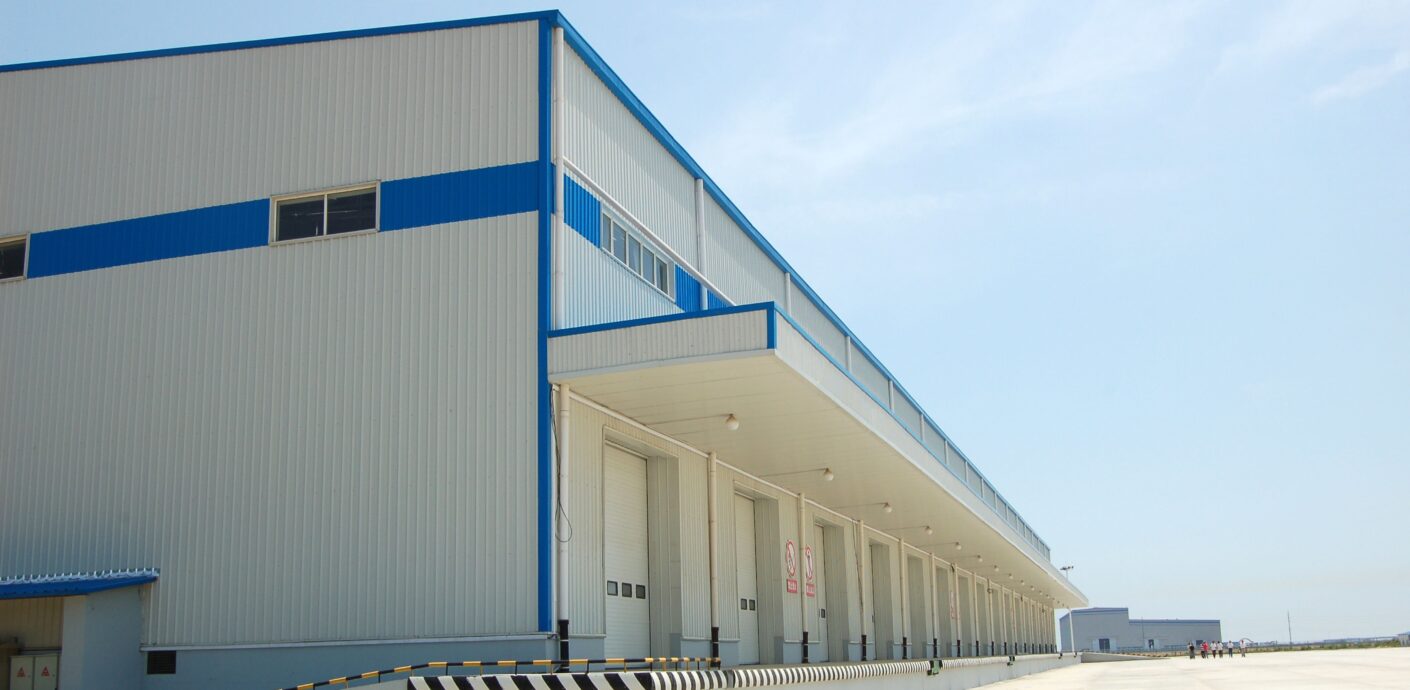

Cook County industrial building whose Class 6b renewal keeps its 10% assessment level
How Industrial Owners Keep the 10% Assessment With a 6b Renewal

For a Cook County industrial owner, the 6b renewal is one of the highest-dollar filings on the calendar, and one of the easiest to fumble. Class 6b holds a building’s assessment at 10% of market value instead of the normal 25% for industrial property. Let the incentive lapse and the assessed value more than doubles, with the tax bill following. The good news sits in the Assessor’s own eligibility bulletin. The incentive is renewable, the rules are written down, and the clock is earlier than most owners think.

By the end of this article, you’ll know:

  • What Class 6b is worth in actual assessment math.
  • When the renewal clock really starts, and what the filing needs.
  • What “abandoned” means in the bulletin, and what the SER program is.

What Class 6b Is Actually Worth

Start with the structure, straight from the Cook County Assessor’s incentives program. A property with Class 6b is assessed at 10% of market value for the first 10 years. Then the level steps to 15% in year 11 and 20% in year 12. Without the incentive, industrial real estate is normally assessed at 25% of market value.

Now run one building through it. Say a plant carries a $5 million market value. At the normal 25% level, its assessed value is $1.25 million. At the 6b’s 10% level, it is $500,000. So the incentive removes 60% of the assessed base before the equalizer and the local rate ever touch the number. Then run that gap over a full incentive life and the total lands deep in seven figures for many plants. For an industrial corridor tax rate, that difference funds payroll, not paperwork. Losing it quietly is the most expensive mistake on this page.

The 6b Renewal Clock Runs Early

Here is the part the old version of this story usually gets wrong. The renewal is not a last-minute rescue. Per the eligibility bulletin, renewal may be requested during the last year a property is entitled to the 10% level, which means year 10, not year 12. It remains available while the property sits at the 15% or 20% steps. Also, the bulletin places no stated limit on the number of renewal periods.

The filing itself has two moving parts. The owner files the renewal application with the Assessor, and the package needs a certified copy of a municipal resolution or County Board ordinance supporting the renewal. So the real lead time is political, not clerical. A village board meeting calendar moves slower than a form, and the Assessor also expects notice of the intent to renew when that resolution gets requested. Owners who start the municipal conversation in year nine sleep better in year ten.

Abandonment Has a Definition, Not a Vibe

For buyers of vacant industrial buildings, 6b eligibility often runs through “abandonment,” and the bulletin defines it tightly. The standard version requires a building vacant and unused for at least 24 continuous months, then purchased for value from an unrelated seller. There is a second path: the municipality or County Board can find that special circumstances justify treating a property as abandoned, and that finding must appear in the supporting resolution. Still, the bulletin limits where special circumstances can apply. No 12-month shortcut appears in it, whatever a marketing email may have promised.

If the Building Is Struggling, Ask About SER

The Assessor’s incentives page also lists a Class 6b SUSTAINABLE EMERGENCY RELIEF application, with an annual affidavit behind it. SER is the hardship lane, built for industrial operators under financial stress, and it comes with its own paperwork cycle. The published forms are the honest starting point. An owner considering SER should pull the current application from the Assessor and walk it with counsel, because affidavit programs reward the companies that keep their filings current.

Where the Appraisal Comes In

Every number in the 6b math hangs off one input: market value. The 10% applies to it, the savings scale with it, and disputes about it decide dollars. An independent commercial appraisal documents that value for acquisitions, incentive planning, and the hearings where numbers get challenged. Meanwhile, incentive properties still live inside the county’s assessment system, so the appeal rungs in our commercial tax appeal guide stay relevant. For portfolio owners weighing which buildings justify the work, a preliminary review sorts the candidates first.

Keep the Incentive You Already Earned

The 6b renewal rewards owners who treat it like the asset it is. Know your incentive’s year, start the municipal resolution early, and file while the 10% level still applies. Buyers of vacant buildings should read the abandonment definition before the offer, not after. Struggling operators should ask about SER before skipping it. After all, the gap between 10% and 25% is not a rounding difference. It is the margin on the whole building.

Losing a 6b costs more than winning most appeals.

Get the market value documented before the renewal, the purchase, or the hearing needs it.

Document My Value

Frequently Asked Questions

What is the Class 6b incentive worth?

Per the Assessor’s eligibility bulletin, a 6b property is assessed at 10% of market value for 10 years, then 15% in year 11 and 20% in year 12. Industrial property is normally assessed at 25%. On a $5 million building, that is a $500,000 assessed value instead of $1.25 million.

When should I file a 6b renewal?

Renewal may be requested during the last year the property holds the 10% level, which is year 10, and it stays available at the 15% and 20% steps. The package needs a certified municipal resolution or County Board ordinance, so start that conversation well before the filing itself.

Can a 6b be renewed more than once?

The Assessor’s bulletin places no stated limit on the number of renewal periods. Each renewal runs through the same machinery: the renewal application, the supporting municipal resolution, and notice to the Assessor of the intent to renew.

What counts as an abandoned building for 6b purposes?

The standard definition is a building vacant and unused for at least 24 continuous months, then purchased for value from an unrelated seller. A municipality can also make a special-circumstances finding, subject to County Board approval and the limits in the bulletin. No 12-month shortcut appears in the published rules.

What is Class 6b SER?

SER stands for Sustainable Emergency Relief, the hardship-based lane the Assessor lists alongside the standard 6b forms. It has its own application and an annual affidavit. Operators under financial stress should pull the current forms from the Assessor and review them with counsel.

Industrial Values, Documented for Cook County

PahRoo Appraisal & Consultancy has valued Cook County commercial and industrial property for over two decades. An appraiser holding both MAI and SRA designations leads the firm. Maybe an acquisition needs the market value pinned down before the incentive math gets modeled. Maybe a dispute calls for broader appraisal services, or a hearing needs testimony behind the number. Either way, the value arrives documented, because every 6b dollar traces back to it.


NEWSLETTER

Knowing a property's true value is key
to making informed real estate decisions

Visit us

7383 Lincoln Ave Suite,
#100 Lincolnwood, IL, 60712