Tag: Homeowner Guides

Request a quote

Our blog

Latest news
& events

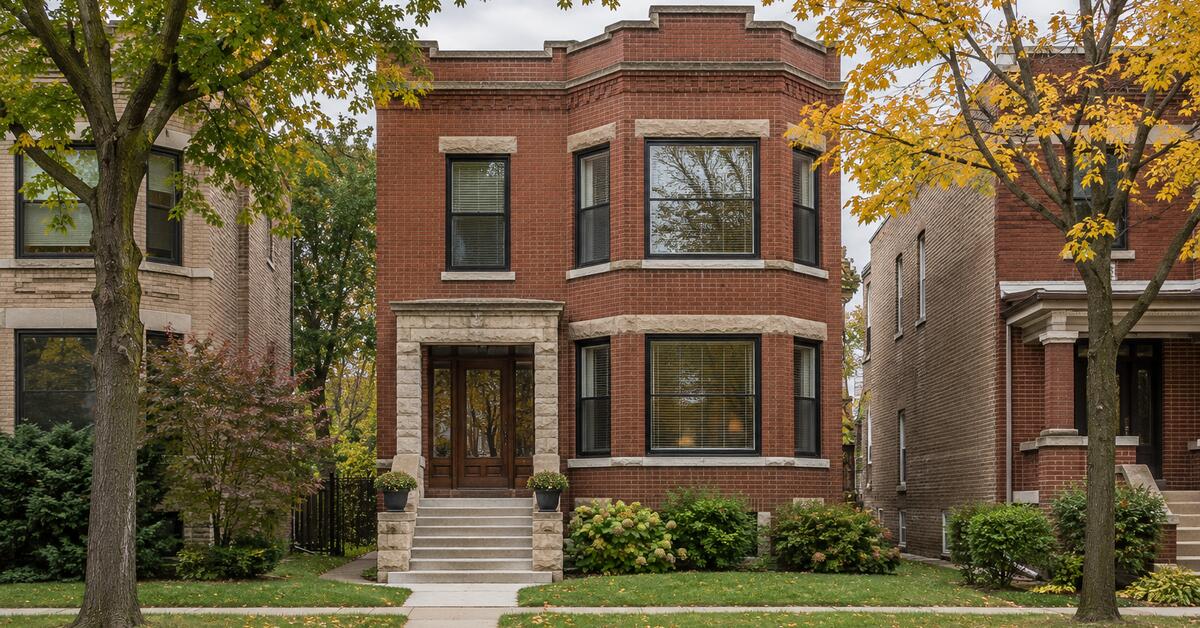
Brick two-flat on a Chicago street, an older home whose rebuild cost can exceed its market value
Why Your Insurance Number Isn’t Your Home’s Value

Your insurance declarations page says one number. A recent appraisal or sale says another, and they can be far apart. That gap confuses a lot of homeowners, but it isn’t a mistake. Replacement cost vs market value comes down to two different questions. One asks what it would cost to rebuild the house, and the other asks what a buyer would pay for the whole property.

By the end of this article, you’ll know:

  • What each number measures and who sets it
  • Why an older Chicago home can cost more to rebuild than it would sell for
  • When you need a market value appraisal instead of an insurance estimate

Replacement Cost vs Market Value at a Glance

Both numbers describe the same house, so it’s easy to assume they should match. But they come from different people and serve different jobs.

Replacement cost Market value
Main question What would it cost to rebuild? What would a buyer pay?
Includes the land? No Yes
Who usually sets it Your insurer or agent The market, measured by an appraiser
Where it’s used Your dwelling coverage limit Sales, estates, divorces, tax appeals, floodplain reviews

What Replacement Cost Measures

Replacement cost is a construction number. The NAIC is the national group of state insurance regulators. It explains that replacement cost coverage pays to repair or replace damaged property with materials of like kind and quality. So the estimate tracks labor, materials and the way your house was built, not what nearby homes sold for.

Actual cash value is the other settlement option you’ll see on a policy. The Illinois Department of Insurance’s homeowners definitions describe it as replacement cost less depreciation for age and condition. That’s why an actual cash value claim usually pays less on an older roof or furnace.

Your lender cares about this too. Fannie Mae’s property insurance rules require coverage on a replacement cost basis for the loans it buys, with an exception for roofs. Still, the coverage limit itself comes from your insurer’s rebuild estimate, not from the appraisal.

What Market Value Measures

Market value is a sales number. Fannie Mae’s definition of market value calls it the most probable price a property should bring in a competitive, open market, with a typically motivated buyer and seller. In practice, an appraiser gets there by comparing your home with recent nearby sales, which we explain in how appraisers compare homes.

The land is part of that price. The NAIC and the Illinois Department of Insurance both point out that market value includes the land. The state adds that market value is not generally used when settling insurance claims. In other words, buyers pay for the block, the schools and the commute, while an insurer only pays to put the building back.

Why the Two Numbers Rarely Match

Location is the biggest reason. A modest house on a valuable lot can sell for far more than it would cost to rebuild, because most of the price is in the land. The opposite happens too. Older homes with plaster walls, brick and custom millwork can cost more to rebuild than they’d sell for. The Illinois Department of Insurance’s 2014 shopping guide even lists a policy form meant for an older home whose replacement cost far exceeds its market value.

Take a hypothetical brick two-flat in Chicago. Say it would sell for $420,000, and the lot accounts for about $140,000 of that. So the building itself carries roughly $280,000 of market value. Meanwhile, the insurer’s estimate to rebuild it with similar materials comes to $520,000. The owner should insure for the rebuild, even though that’s more than the whole property would sell for.

Where Market Value Matters After Damage

Flood zones are one place where the building’s market value matters more than its rebuild cost. FEMA’s substantial damage guide says that if repairs will cost 50% or more of the structure’s market value, not counting the land, the building is substantially damaged. Then it has to meet current floodplain standards before it’s rebuilt. Local officials make that call, not FEMA.

Back in the two-flat example, half of $280,000 is $140,000. So a $150,000 repair estimate would cross the line, even though it’s well under the $520,000 rebuild figure. Communities often start from an adjusted tax assessment. However, Arizona’s floodplain program, citing FEMA’s desk reference, lists an independent appraisal by a professional appraiser as an accepted method. Condo owners and associations face the same rule, and our FEMA 50% rule appraisal page covers how that review works. For damage short of a flood, see how water damage affects home value.

For Home Buyers, Set Coverage Before Closing

Buyers often set the dwelling limit at the purchase price because it’s the number in front of them. But the price includes the land, so it can leave you over or under insured. A few steps help before you sign.

  • Ask the insurer or agent for a replacement cost estimate on the house itself, and ask what it’s based on.
  • Compare that estimate with your purchase price. A big gap either way is normal, but you should understand why it’s there.
  • The Illinois Department of Insurance’s shopping tips say to insure for at least 80 percent of replacement value, so ask how your policy handles anything below full coverage.
  • Ask about extended or guaranteed replacement cost. The state notes that most companies cap guaranteed coverage at 125%.
  • Recheck the limit after you remodel. The state also says additions and remodeling can raise replacement cost, and our article on whether renovations increase home value covers the market side.

When You Need Market Value Instead

Insurance is the one place homeowners mostly deal with rebuild cost. Almost everything else runs on market value. Selling, settling an estate, a divorce buyout and a tax appeal all ask the same thing. What would the property bring on the open market? Our guide on when you need a home appraisal walks through those situations, and appraisals for inherited property covers the estate side.

So an appraisal won’t tell you how much coverage to buy. Likewise, an insurance estimate won’t stand in for a value in court, at the Board of Review or in a buyout.

Insure for the Rebuild, Appraise for the Market

Keep the two numbers in their own lanes. Set your coverage from a current rebuild estimate and review it every year, as the state suggests. Then, when a sale, an estate, a divorce or a floodplain review calls for a value, use a market value. Get it from an appraiser who can show the sales behind it.

Need the Market Value, Not the Rebuild Cost?

Settling an estate, dividing a home or facing a floodplain review? We appraise what your property would sell for and show the sales that support it.

Order a Market Value Appraisal

Frequently Asked Questions

What is the difference between replacement cost and market value?

Replacement cost is what it would take to rebuild or repair the house with similar materials. Market value is what a buyer would likely pay for the whole property, including the land.

Should I insure my home for its market value?

Usually not. Homeowners coverage is built around the cost to rebuild, and market value includes land that insurance does not rebuild. Ask your insurer or agent for a replacement cost estimate.

Why is my replacement cost higher than my home’s value?

Older homes with plaster, brick or custom details can cost more to rebuild than buyers would pay for them. Location also plays a part, since land and neighborhood drive market value but not construction cost.

Does an appraisal tell me how much insurance to buy?

No. An appraisal estimates market value. Your coverage limit should come from your insurer’s replacement cost estimate, which your agent can update after a remodel.

When does a home’s market value matter after damage?

In flood zones, local officials compare repair costs with the building’s market value, not counting land. If repairs reach 50% or more, the building is substantially damaged and must meet current floodplain standards.

Market Value Appraisals for Owners Who Need a Real Number

When the question is what a home would actually sell for, owners, attorneys and accountants call PahRoo Appraisal & Consultancy. We appraise homes in Chicago and Cook County, Dallas-Fort Worth, Philadelphia, Phoenix and Naples from our Lincolnwood headquarters, and Michael Hobbs, MAI, SRA, signs our Illinois reports. See our appraisal services for the property types we cover.
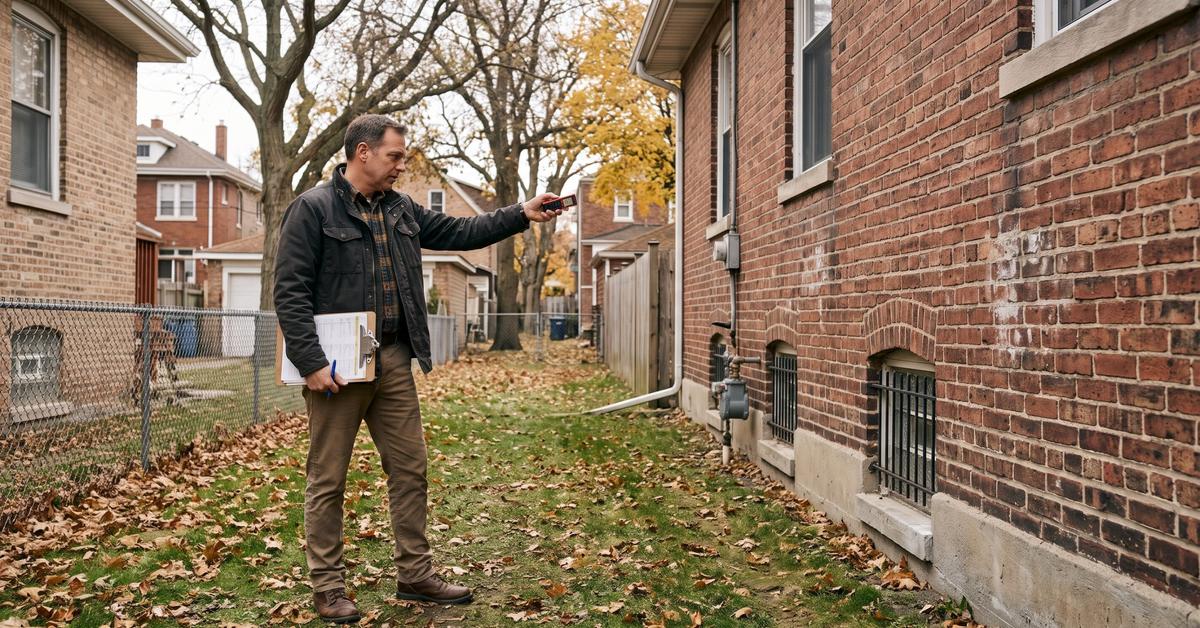
Appraiser measuring the exterior of a brick bungalow to calculate square footage
How Appraisers Measure Your Home’s Square Footage

Your listing says 2,300 square feet. Then the appraisal comes back at 1,850, and suddenly everyone wants to know who got it wrong. Usually nobody did. The numbers just came from different places, measured different ways. So let’s look at how appraisers measure square footage, and why the figure on your appraisal often won’t match the one you’ve been quoting for years.

By the end of this article, you’ll know:

  • The measuring standard appraisers follow and what it counts
  • Why listings, tax records and appraisals land on different numbers
  • What sellers should check before putting a size in the listing

How Appraisers Measure Square Footage Today

Since April 1, 2022, Fannie Mae has required appraisers to use the ANSI Z765-2021 standard on loans it buys, whenever the appraisal includes an interior and exterior inspection. Before that, appraisers had no single rulebook. In fact, Fannie Mae said at the time that two appraisals of the same home often differed on size by 10% or more.

The standard applies to single-family homes, including townhomes and rowhouses. So the appraiser walks the outside of the house and records exterior dimensions to the nearest inch or tenth of a foot. Then they add up each level and round the total to the nearest whole square foot. Condos in apartment-style buildings work differently. There, Fannie Mae’s improvements guidelines call for interior measurements instead.

One exception is worth knowing. Fannie Mae doesn’t require the standard for desktop appraisals, where nobody visits the home. If you’re unsure which kind you’re getting, our guide to drive-by, desktop and hybrid appraisals sorts it out.

What Counts as Finished Space and What Doesn’t

This is where most of the surprises come from. Fannie Mae’s ANSI questions and answers spell out the main rules.

  • Ceilings need to be at least 7 feet high in finished areas.
  • Under a sloped ceiling, at least half the room has to reach 7 feet, and nothing under 5 feet counts.
  • Any level that sits even partly below ground counts as below-grade, so the appraiser reports a finished basement on its own line.
  • Stairs count on the floor they go down from.
  • Open space over a two-story foyer or great room doesn’t count on the upper floor.
  • A finished room you can only reach through unfinished space goes on a separate line too.

So a finished attic with low knee walls, a walk-out lower level, or a bonus room over a storage area can all drop out of the main number. That space still shows up in the report, though. It just lands on a different line.

Why Square Footage Disputes Happen

Most disputes start with a number that was never measured this way. Fannie Mae itself says the square footage in local MLS systems and assessor records may not follow the ANSI standard. Some listing figures come from builder plans or an old appraisal. Others include a finished basement, because to the seller it’s living space.

Tax records can go the other direction. In Cook County, the Assessor’s property records note that garages, and basements other than basement apartments, are left out of building square footage. But those records weren’t necessarily built on the ANSI rules either.

Consider a hypothetical brick raised ranch. The listing says 2,300 square feet because it adds the 450-square-foot finished lower level to the main floor. Since that lower level sits partly below ground, the appraiser reports it separately. That leaves 1,850 square feet of above-grade finished area, and the 450 still appears on its own line.

A Smaller Number Doesn’t Mean a Smaller Value

This part matters more than the size itself. Fannie Mae says that when appraisers apply the standard correctly, it doesn’t change the value of the property. The finished basement or the low-ceiling attic still counts toward value. The appraiser just adjusts for it separately, based on what buyers in your area pay for that kind of space.

The same goes for comparable sales. Someone may have measured their listing sizes another way, so the appraiser has to judge whether those figures need adjusting. Our guide on how appraisers compare homes covers that side. It also explains why a quick price-per-square-foot math check rarely matches the appraisal, much like the gap between a Zestimate and an appraisal.

Still, mistakes happen. If a lender’s appraisal missed a room or measured the wrong addition, that’s a factual error you can raise. Our article on reconsideration of value walks through how buyers do that through the lender.

For Home Sellers, Check the Number Before It Goes in the Listing

A size you can’t back up can come back to bite you once a buyer’s appraiser measures. So take a few minutes before you list.

  • Look up your home on the Cook County Assessor’s site and write down the building square footage it shows.
  • Then split your own number into above-grade space and basement space, so nobody mixes them up later.
  • Tell your listing agent where each figure came from, whether that’s plans, a past appraisal or your own tape measure.
  • Keep permits and plans for any addition handy. If an addition was never permitted, read our guide to selling a house with unpermitted work in Chicago first.
  • If the Assessor’s record is wrong, you can file an appeal based on incorrect characteristics during your township’s appeal window. The Assessor encourages supporting documentation with it.

Getting your own appraisal before you list settles the question early. Our guide on how appraisers help sellers price a home goes further.

Ask Where the Number Came From Before You Argue Over It

When two square footage figures don’t match, start by asking how someone measured each one and what it left out. Most of the time the gap comes down to a basement, a low ceiling or an old record, not a mistake. And once you know which space sits above grade and which doesn’t, the appraisal makes a lot more sense.

Not Sure Which Size to Put in Your Listing?

Order an appraisal for yourself before you list. We’ll measure the home and report above-grade and basement space separately, so you know your numbers going in.

Request a Pre-Listing Appraisal

Frequently Asked Questions

How do appraisers measure square footage?

For most mortgage appraisals with an interior and exterior inspection, appraisers follow the ANSI Z765-2021 standard. They measure the outside of the home to the nearest inch or tenth of a foot and report above-grade and below-grade areas separately.

Does a finished basement count as square footage?

Not in the main above-grade figure. Any level that is partly or fully below ground is reported as below-grade area. It still counts toward value, but the appraiser adjusts for it on its own line.

Why is my appraisal smaller than my listing?

Listing and tax record figures often weren’t measured under the ANSI standard. They may include a basement, low-ceiling space or open areas over a foyer that the standard leaves out of finished above-grade area.

Does a smaller square footage lower my home’s value?

Not by itself. Fannie Mae says that applying the standard correctly doesn’t change a property’s value. Space left out of the main figure is still valued based on what local buyers pay for it.

What ceiling height does finished space need?

At least 7 feet. Under a sloped ceiling, at least half of the room must reach 7 feet, and any part under 5 feet is not counted as finished area.

Appraisers Who Measure Before They Value

A value is only as good as the size behind it, so we take the measuring seriously. PahRoo Appraisal & Consultancy appraises homes for owners who are selling, settling an estate or sorting out a divorce, in Chicago and Cook County, Dallas-Fort Worth, Philadelphia, Phoenix and Naples. We work from Lincolnwood, and Michael Hobbs, MAI, SRA, signs our Illinois reports. New to all this? Start with how the home appraisal process works or browse our appraisal services.

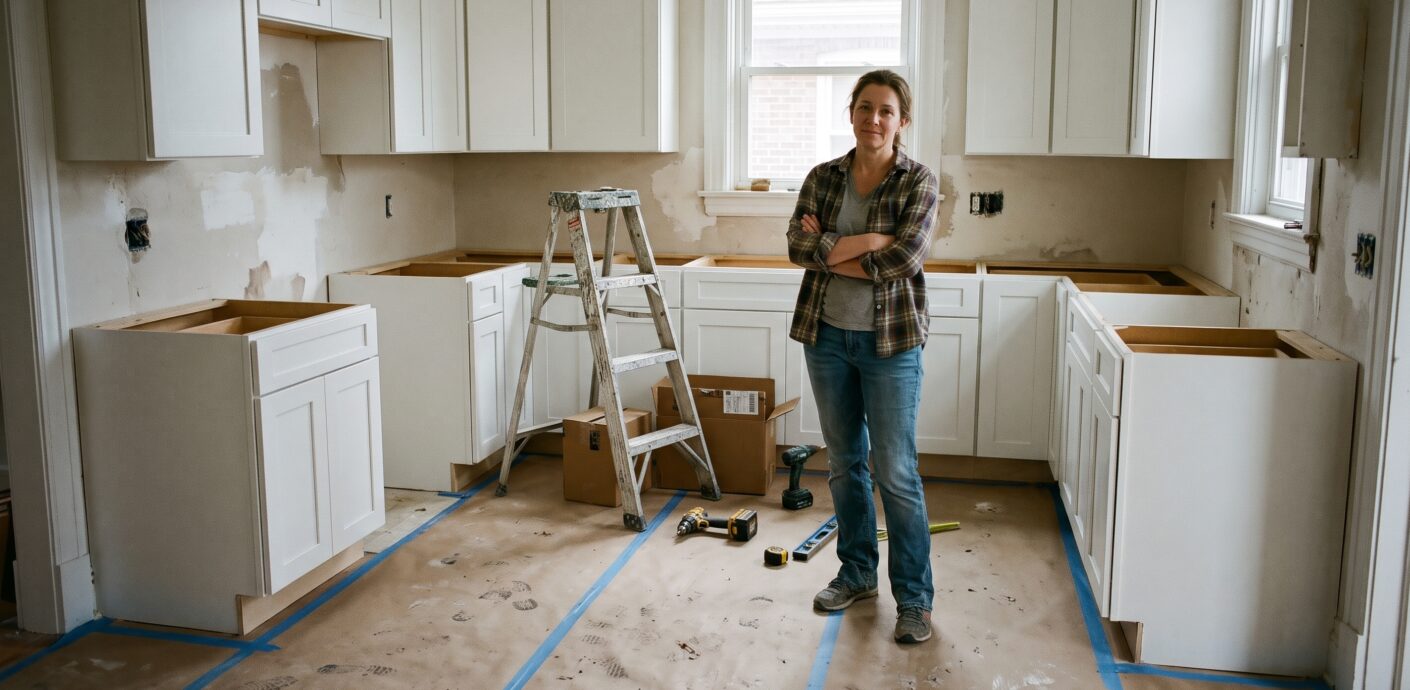
Homeowner in a kitchen mid-renovation, wondering if renovations increase home value
Do Home Renovations Actually Increase Appraised Value?

You spent months picking tile, living with dust and writing checks. Now you want to know if it paid off. So do renovations increase home value? Many do, but rarely by what they cost, and an appraiser won’t add up your receipts to find out. Instead, the value comes from what buyers in your area pay for homes like yours, updates included.

By the end of this article, you’ll know:

  • Why an appraiser values a renovation by the market, not the invoice
  • Which projects tend to hold their value and which tend to fall short
  • What sellers should gather before the appraiser shows up

What You Spent Isn’t What the Appraiser Adds

But this is the part that surprises most homeowners. An appraiser compares your home with recent nearby sales and adjusts for the differences. Fannie Mae’s rules for adjusting comparable sales say those adjustments must reflect the market’s reaction and the actions of typical buyers. So your contractor’s bill isn’t part of that math.

Consider a hypothetical example. You put $80,000 into a new kitchen. Meanwhile, homes with updated kitchens in your neighborhood have recently sold for about $40,000 more than similar homes with dated ones. So the appraisal would likely credit something close to $40,000, not $80,000. The rest went to your own enjoyment of the space, which is real, but it doesn’t show up in the value.

We go deeper on the comparison side in how appraisers compare homes.

What the National Numbers Show

The best-known yardstick is the 2025 Cost vs. Value Report from Zonda, which compares the average cost of common projects with the value they’re estimated to add at resale. Three results stand out.

  • For example, a midrange minor kitchen remodel averaged $28,458 and added an estimated $32,141, or about 113% of its cost.
  • A midrange major kitchen remodel averaged $82,793 but added an estimated $42,130, or about 51%.
  • A garage door replacement averaged $4,672 and added an estimated $12,507, or about 268%.

So the pattern is clear. Smaller projects that fix what buyers notice first often come close to paying for themselves, while big, taste-driven remodels usually don’t. Still, keep two things in mind. These are national averages built partly on what real estate professionals estimate, not on appraisals. And your own block can look very different, which is why an appraiser works from local sales instead.

How an Appraiser Sees Your Renovation

When an appraiser walks through, they rate the home’s condition and quality and note which areas you’ve updated. Fannie Mae’s condition and quality guidelines separate two kinds of work. An updated area has been modified to meet current market expectations, usually by refurbishing or replacing components. A remodeled area has had significant finish or structural changes that add utility and appeal.

Those labels matter because they move your home up the condition scale, and then the appraiser looks for sales of homes in similar shape. So a dated house that gets a new kitchen, baths and flooring can start competing with the updated homes on the street. That’s where renovations earn their keep. If you’re curious how this is recorded, our guide to the new appraisal report walks through the redesigned form.

When a Renovation Adds Less Than You’d Expect

Still, some projects run into limits no matter how well they’re built.

  • Over-improving for the area. Fannie Mae’s neighborhood guidelines define an over-improvement as one that is larger or costlier than what’s typical nearby. The appraiser has to show only its contributory value, meaning what the market would actually pay for it.
  • Finishing the basement. Under Fannie Mae’s improvements guidelines, any level that is even partly below grade is reported separately from above-grade square footage. A finished basement can still add value, but it isn’t treated like an addition upstairs.
  • Skipping the permit. The same guidelines say that when an addition lacks a required permit, the appraiser must comment on the work’s quality and its impact, if any, on value. In Chicago, the Department of Buildings says you need a permit before most construction and repair work. Our guide to selling a house with unpermitted work in Chicago covers what happens next.
  • Personal taste. A bold tile pattern or a converted bedroom might be perfect for you. But buyers who would have done it differently won’t pay extra for it.

So, Do Renovations Increase Home Value?

Usually, yes, as long as the work brings your home up to what buyers in your area expect. Fresh kitchens and baths in a neighborhood full of updated homes, a sound roof, and working systems all tend to show up in the comparable sales. Once you go past that level, each extra dollar tends to buy you more enjoyment and less value.

Online estimates are no help with this question either. They often don’t know a project happened at all, which is one reason a Zestimate and an appraisal can land far apart.

For Home Sellers, Hand the Appraiser a Clean Record

If you’re getting ready to sell, the buyer’s appraiser will only credit what they can see and confirm. So make the work easy to find.

  • Write a one-page list of every project with the month and year you finished it. Roof, windows, furnace, kitchen and baths matter most.
  • Then pull your permits and final inspections, and keep copies with the list.
  • Save before photos, especially for work that’s now hidden, like new wiring, plumbing or insulation.
  • Give the list to your listing agent so they can share it with the buyer’s appraiser. Receipts show what and when, but remember the value still comes from sales.
  • Hold off on big projects aimed only at the sale. Small repairs and touch-ups usually do more for the price than a last-minute remodel.

Our guide on how appraisers help sellers price a home goes further, and if you’re thinking about a winter listing, read selling a house in winter.

Renovate for Yourself, Document It for the Appraiser

Renovations do raise value, just not dollar for dollar, and the biggest projects usually return the least. If you’re renovating to enjoy your home, go ahead and make it yours. If you’re renovating to sell, focus on what buyers in your area expect, pull the permits, and keep a record the appraiser can use. And if you want to know where your home stands before you spend or list, a value grounded in local sales is the place to start.

Wondering What Your Updates Actually Added?

Before you list, or before you start the next big project, we can appraise your home for you directly. We use the same kind of local sales a buyer’s appraiser will look at.

See What Your Home Is Worth Now

Frequently Asked Questions

Do renovations increase home value?

Many do, but rarely by the full amount spent. An appraiser credits a renovation based on what buyers in your area pay for homes with similar updates, not on what the work cost.

Will the appraiser look at my receipts?

Receipts and permits help an appraiser confirm what was done and when. But the value of the work comes from comparable sales, because Fannie Mae requires adjustments that reflect the market’s reaction.

Which renovations tend to hold their value best?

In the 2025 Cost vs. Value Report, smaller projects such as a garage door replacement or a midrange minor kitchen remodel recovered more of their cost than large remodels and additions. Local results can differ.

Does a finished basement count as square footage?

Not as above-grade square footage. Fannie Mae treats any level that is partly below grade as below-grade area, which is reported and adjusted separately, though finished space there can still add value.

Can I over-improve my home?

Yes. Fannie Mae defines an over-improvement as one that is larger or costlier than what is typical for the neighborhood, and the appraiser credits only the value the market would pay for it.

Appraisals That Account for the Work You’ve Put In

A good appraisal should see the difference between a dated house and one that’s been cared for. PahRoo Appraisal & Consultancy appraises homes for owners who are selling, settling an estate or planning their next move, in Chicago and Cook County, Dallas-Fort Worth, Philadelphia, Phoenix and Naples. We work from Lincolnwood, and Michael Hobbs, MAI, SRA, signs our Illinois reports. Not sure which kind of appraisal you need? Start with when you need a home appraisal or browse our appraisal services.

Home inspector checking an electrical panel, part of the appraisal vs home inspection difference
Is an Appraisal the Same as a Home Inspection?

Two different people walk through a house before most purchases close, and buyers mix them up all the time. One is the appraiser. The other is the home inspector. Appraisal vs home inspection comes down to one simple split. The appraiser tells the lender what the home is worth, and the inspector tells you what shape it’s in.

By the end of this article, you’ll know:

  • Who orders each one and who it really works for
  • Why an appraiser can miss a problem an inspector would catch
  • When to book the inspection and how to vet the inspector

Appraisal vs Home Inspection at a Glance

Both visits involve a professional walking the property with a camera and a clipboard. But that’s about where the similarity ends.

Appraisal Home inspection
Main question What is the home worth? What condition is the home in?
Who orders it The lender, on a mortgage The buyer
Who it protects Mainly the lender You
Required? Usually, when you borrow Usually optional, but strongly advised
What you get A value opinion backed by comparable sales A list of defects, repairs and aging systems

What the Appraiser Is There to Do

An appraiser’s job is to support a value. So the visit centers on size, layout, quality, updates and condition, and then the appraiser compares the home with recent nearby sales. We walk through that visit step by step in what happens during a home appraisal, and the comparison side in how appraisers compare homes.

Condition still matters to an appraiser, but only as it affects value and the loan. Fannie Mae’s property condition rules require the appraiser to describe the home’s overall condition. Minor items, like worn carpet, can stay as they are. But problems that affect safety, soundness or structural integrity have to be repaired before the loan can be sold to Fannie Mae.

That same guide says appraisers aren’t responsible for hidden conditions. If an appraiser spots something they can’t evaluate, they can make the appraisal subject to an inspection by a qualified professional. In other words, the appraiser notices problems. Diagnosing them, though, is someone else’s job.

You’ll also get to see the result. On a first mortgage, federal rules require the lender to give you a copy of the appraisal promptly once it’s done, or three business days before closing, whichever comes first.

What a Home Inspector Is There to Do

A home inspector doesn’t care what the house is worth. Their job is to find what’s wrong with it. HUD’s buyer notice, For Your Protection, Get a Home Inspection, says an inspection evaluates the home’s physical condition and estimates how much life is left in the major systems. It also flags items that need repair or replacement.

The same notice is blunt about the difference. It says an appraisal is for the lender and doesn’t replace a home inspection, and that FHA doesn’t guarantee the value or condition of your home. It also passes along the EPA and Surgeon General’s advice that every house be tested for radon, which most inspectors can add.

Expect a longer, more hands-on visit, too. HUD suggests asking the inspector for their standards of practice, since those spell out exactly what they will and won’t check.

Where the Two Overlap and Where They Don’t

Sometimes both people notice the same thing. A water stain on a basement wall is a good example. The appraiser may note it and consider how buyers in the area would react. The inspector, though, will try to trace the source and tell you whether it looks active. Our articles on water damage and home value and mold and your appraisal cover how those issues play out on the value side.

Other times, a problem shows up in only one report. Consider a hypothetical house with a 20-year-old furnace that still runs fine. The inspector may warn you it’s near the end of its life and budget for a replacement. The appraiser may rate the home in average condition and never mention it, because a working older furnace is common in that market and doesn’t move the value much.

Still, neither report is wrong. They simply answer different questions, and that’s why a clean appraisal is not proof the house has no problems.

For Home Buyers, Book the Inspection Before the Clock Runs Out

If you’re buying, the inspection is the one you control, so treat it like a deadline. The CFPB suggests you schedule the inspection as soon as you’ve chosen a home. That gives you time to sort out problems while your contract still protects you.

  • Check your contract for an inspection contingency and note how many days it gives you.
  • Hire an inspector who answers to you. The CFPB warns that an inspector paid by someone else, or paid only at closing, may play down problems.
  • In Illinois, home inspectors are licensed by IDFPR. Run the inspector’s name through the IDFPR license lookup before you book.
  • Go to the inspection if you can. Seeing an issue in person also makes the report much easier to read.
  • When the appraisal copy arrives, read it next to the inspection report. If the appraiser’s condition notes look off, raise it with your lender.

If the appraisal comes in under your price, the inspection won’t fix that. Our guides on what to do when the appraisal comes in low and the reconsideration of value process cover your options there.

Homeowners Run Into Both Too

You don’t have to be buying to deal with either one. When you sell, the buyer’s inspector will go through your house, and their report can reopen the price talk. Known issues like unpermitted work are better handled before the listing than in the middle of a deal.

Plenty of owners also need a value with no lender involved at all. An estate, a divorce, a tax appeal or a pricing decision can all call for one. Our guide on when you need a home appraisal walks through those situations. An inspection won’t help in any of them, because none of them is asking about repairs.

Book the Inspection Early and Read Both Reports

Keep the split simple. The appraisal answers whether the price makes sense, and the inspection answers whether the house is sound. If you’re buying with a loan, you’ll likely get both, so schedule the inspection first and compare the two reports before your contingency runs out. If you own the home and need a number for your own reasons, an appraisal you order yourself is the one that fits.

Need a Value That Answers to You?

Selling your home or settling an estate? We appraise homes for owners directly, and the report is written for you, not a lender.

Order an Appraisal for Yourself

Frequently Asked Questions

What is the main difference between an appraisal and a home inspection?

An appraisal estimates what the home is worth, mainly for the lender. A home inspection looks at the home’s physical condition and its major systems, and it’s done for the buyer.

Does an appraisal replace a home inspection?

No. HUD’s own buyer notice says an appraisal is for the lender and does not replace a home inspection. Appraisers also are not responsible for hidden conditions.

Who orders the appraisal and who orders the inspection?

On a mortgage, the lender orders the appraisal. The buyer usually arranges the home inspection and should hire an inspector who answers to them.

Which comes first, the inspection or the appraisal?

The inspection usually comes first, because inspection contingency periods tend to be short. The CFPB suggests scheduling it as soon as you have chosen a home.

Will I get a copy of the appraisal?

Yes, on a first mortgage. Federal rules require the lender to give you a copy promptly after it is completed, or three business days before closing, whichever is earlier.

Home Appraisals From People Who Explain Them

Homeowners come to us when they need a value they can stand behind, whether that’s for a sale, an estate, a divorce or a tax question. We appraise homes in Chicago and Cook County, Dallas-Fort Worth, Philadelphia, Phoenix and Naples. PahRoo Appraisal & Consultancy works from Lincolnwood, and Michael Hobbs, MAI, SRA, signs our Illinois reports. See our appraisal services for the property types we cover.

NEWSLETTER

Knowing a property's true value is key
to making informed real estate decisions

Visit us

7383 Lincoln Ave Suite,
#100 Lincolnwood, IL, 60712