
Your listing says 2,300 square feet. Then the appraisal comes back at 1,850, and suddenly everyone wants to know who got it wrong. Usually nobody did. The numbers just came from different places, measured different ways. So let’s look at how appraisers measure square footage, and why the figure on your appraisal often won’t match the one you’ve been quoting for years.
- The measuring standard appraisers follow and what it counts
- Why listings, tax records and appraisals land on different numbers
- What sellers should check before putting a size in the listing
How Appraisers Measure Square Footage Today
Since April 1, 2022, Fannie Mae has required appraisers to use the ANSI Z765-2021 standard on loans it buys, whenever the appraisal includes an interior and exterior inspection. Before that, appraisers had no single rulebook. In fact, Fannie Mae said at the time that two appraisals of the same home often differed on size by 10% or more.
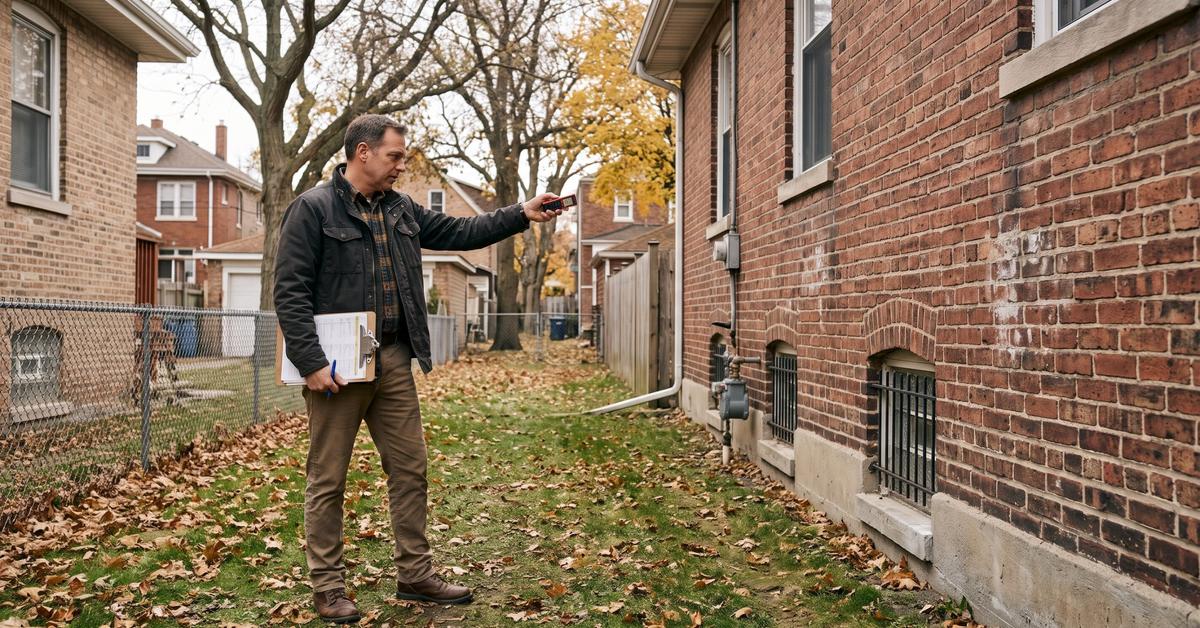
The standard applies to single-family homes, including townhomes and rowhouses. So the appraiser walks the outside of the house and records exterior dimensions to the nearest inch or tenth of a foot. Then they add up each level and round the total to the nearest whole square foot. Condos in apartment-style buildings work differently. There, Fannie Mae’s improvements guidelines call for interior measurements instead.
One exception is worth knowing. Fannie Mae doesn’t require the standard for desktop appraisals, where nobody visits the home. If you’re unsure which kind you’re getting, our guide to drive-by, desktop and hybrid appraisals sorts it out.
What Counts as Finished Space and What Doesn’t
This is where most of the surprises come from. Fannie Mae’s ANSI questions and answers spell out the main rules.
- Ceilings need to be at least 7 feet high in finished areas.
- Under a sloped ceiling, at least half the room has to reach 7 feet, and nothing under 5 feet counts.
- Any level that sits even partly below ground counts as below-grade, so the appraiser reports a finished basement on its own line.
- Stairs count on the floor they go down from.
- Open space over a two-story foyer or great room doesn’t count on the upper floor.
- A finished room you can only reach through unfinished space goes on a separate line too.
So a finished attic with low knee walls, a walk-out lower level, or a bonus room over a storage area can all drop out of the main number. That space still shows up in the report, though. It just lands on a different line.
Why Square Footage Disputes Happen
Most disputes start with a number that was never measured this way. Fannie Mae itself says the square footage in local MLS systems and assessor records may not follow the ANSI standard. Some listing figures come from builder plans or an old appraisal. Others include a finished basement, because to the seller it’s living space.
Tax records can go the other direction. In Cook County, the Assessor’s property records note that garages, and basements other than basement apartments, are left out of building square footage. But those records weren’t necessarily built on the ANSI rules either.
Consider a hypothetical brick raised ranch. The listing says 2,300 square feet because it adds the 450-square-foot finished lower level to the main floor. Since that lower level sits partly below ground, the appraiser reports it separately. That leaves 1,850 square feet of above-grade finished area, and the 450 still appears on its own line.
A Smaller Number Doesn’t Mean a Smaller Value
This part matters more than the size itself. Fannie Mae says that when appraisers apply the standard correctly, it doesn’t change the value of the property. The finished basement or the low-ceiling attic still counts toward value. The appraiser just adjusts for it separately, based on what buyers in your area pay for that kind of space.
The same goes for comparable sales. Someone may have measured their listing sizes another way, so the appraiser has to judge whether those figures need adjusting. Our guide on how appraisers compare homes covers that side. It also explains why a quick price-per-square-foot math check rarely matches the appraisal, much like the gap between a Zestimate and an appraisal.
Still, mistakes happen. If a lender’s appraisal missed a room or measured the wrong addition, that’s a factual error you can raise. Our article on reconsideration of value walks through how buyers do that through the lender.
For Home Sellers, Check the Number Before It Goes in the Listing
A size you can’t back up can come back to bite you once a buyer’s appraiser measures. So take a few minutes before you list.
- Look up your home on the Cook County Assessor’s site and write down the building square footage it shows.
- Then split your own number into above-grade space and basement space, so nobody mixes them up later.
- Tell your listing agent where each figure came from, whether that’s plans, a past appraisal or your own tape measure.
- Keep permits and plans for any addition handy. If an addition was never permitted, read our guide to selling a house with unpermitted work in Chicago first.
- If the Assessor’s record is wrong, you can file an appeal based on incorrect characteristics during your township’s appeal window. The Assessor encourages supporting documentation with it.
Getting your own appraisal before you list settles the question early. Our guide on how appraisers help sellers price a home goes further.
Ask Where the Number Came From Before You Argue Over It
When two square footage figures don’t match, start by asking how someone measured each one and what it left out. Most of the time the gap comes down to a basement, a low ceiling or an old record, not a mistake. And once you know which space sits above grade and which doesn’t, the appraisal makes a lot more sense.
Not Sure Which Size to Put in Your Listing?
Order an appraisal for yourself before you list. We’ll measure the home and report above-grade and basement space separately, so you know your numbers going in.
Frequently Asked Questions
How do appraisers measure square footage?
For most mortgage appraisals with an interior and exterior inspection, appraisers follow the ANSI Z765-2021 standard. They measure the outside of the home to the nearest inch or tenth of a foot and report above-grade and below-grade areas separately.
Does a finished basement count as square footage?
Not in the main above-grade figure. Any level that is partly or fully below ground is reported as below-grade area. It still counts toward value, but the appraiser adjusts for it on its own line.
Why is my appraisal smaller than my listing?
Listing and tax record figures often weren’t measured under the ANSI standard. They may include a basement, low-ceiling space or open areas over a foyer that the standard leaves out of finished above-grade area.
Does a smaller square footage lower my home’s value?
Not by itself. Fannie Mae says that applying the standard correctly doesn’t change a property’s value. Space left out of the main figure is still valued based on what local buyers pay for it.
What ceiling height does finished space need?
At least 7 feet. Under a sloped ceiling, at least half of the room must reach 7 feet, and any part under 5 feet is not counted as finished area.
Appraisers Who Measure Before They Value
A value is only as good as the size behind it, so we take the measuring seriously. PahRoo Appraisal & Consultancy appraises homes for owners who are selling, settling an estate or sorting out a divorce, in Chicago and Cook County, Dallas-Fort Worth, Philadelphia, Phoenix and Naples. We work from Lincolnwood, and Michael Hobbs, MAI, SRA, signs our Illinois reports. New to all this? Start with how the home appraisal process works or browse our appraisal services.