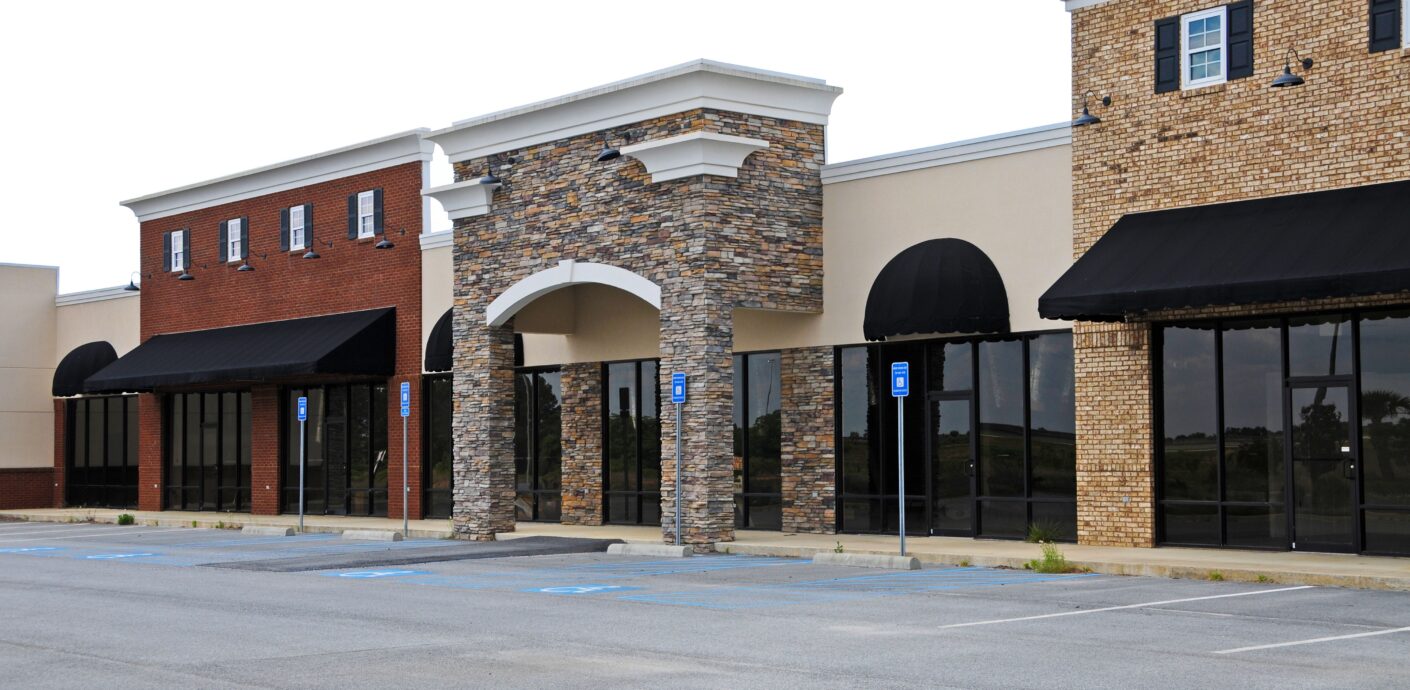
What do you tell a client who asks what a former church is worth? Or a bowling alley, or a storefront with four apartments upstairs? A special use property appraisal starts where the usual shortcuts stop. There may be no recent sales of anything like it, and no rental market to borrow from. So the report has to show more of its reasoning, and counsel should know where to look.
- What makes a property special use or mixed-use, and why comparable sales fall short.
- How highest and best use and the cost approach carry the analysis.
- Which value, interest, and use questions to settle before the engagement letter goes out.
Why a Special Use Property Appraisal Takes More Work
A special use property is a building designed around one purpose. Its layout, structure, or equipment fits that use and little else. Think of a house of worship, a school, a theater, a car wash, a gas station, or a bowling alley. Appraisal texts usually call it special purpose property, but the idea is the same.
The trouble starts with the market. Few buyers want a building they would have to gut, so these properties sell rarely. When one does sell, the price often reflects a conversion or a teardown. Because of that, the sale may say little about what the building is worth in its current use.
So the appraiser widens the search. Sales from other counties or other states may come in, along with older ones. Each needs more adjustment and more explanation. The income approach has limits too, because many of these buildings have no rental market to speak of. Our guide to the three approaches to value explains how each one works on ordinary commercial property.
Highest and Best Use Comes Before Any Number
Every appraisal rests on a use. Highest and best use is the use that passes four tests. It has to be legally permissible, physically possible, financially feasible, and maximally productive. On a special use building, that analysis can decide the whole assignment.
Take a closed church on a residential block. It may be worth the most to another congregation. Or a developer may pay more to convert it to housing, if zoning allows. Sometimes the land is worth more with the building gone. Those are three different values for the same parcel.
The first test is where your work and ours meet. Zoning, a special use permit, legal nonconforming status, deed restrictions, and easements all shape what a buyer can do. The appraiser reports what the analysis relied on. But if the legal status is in doubt, that call belongs to counsel, not to us. In that case the report should state the assumption plainly, so any reader knows what the value depends on.
Federal bank guidance takes the same view. Under the Interagency Appraisal and Evaluation Guidelines, market value should reflect the property’s actual physical condition, use, and zoning as of the effective date. If the highest and best use is redevelopment, demolition and site preparation costs also belong in the analysis.
Where the Cost Approach Earns Its Place
When sales and rents are thin, the cost approach often carries the most weight. It adds land value to the cost of building the improvements new, then subtracts depreciation. On a special use building, depreciation is the hard part.
Physical wear is easy enough to see, but functional obsolescence takes more judgment. A 600-seat sanctuary or a 40-lane bowling center may cost far more to build than the market would pay for it today. That gap has to come off the cost, and the report should say how the appraiser measured it.
Consider a hypothetical single-purpose building. Say the land is worth $600,000 and the improvements would cost $3,200,000 to replace. Physical depreciation of 35 percent takes off $1,120,000. Functional obsolescence then takes off another $480,000. So the improvements contribute $1,600,000, and the cost approach indicates $2,200,000.
In a dispute, that $480,000 line is the one the other side will test. The same goes for the land value, which still comes from sales. The interagency guidelines also expect the appraiser to explain any approach left out. If the report skips sales comparison, it should say why.
Mixed-Use Property Is Several Buildings in One
Mixed-use property has the opposite problem. There is plenty of market evidence, but it belongs to different markets. A building with retail at grade and apartments above answers to retail rents and apartment rents at once. Each part has its own vacancy pattern, expense load, and lease structure.
So the income approach gets built one component at a time. The appraiser estimates net operating income for the retail and for the apartments, then asks who buys the building as a whole. The cap rate should come from sales of buildings with a similar mix. If it can’t, the report should explain how the appraiser blended the rate.
Leases need a close read as well. The interagency guidelines note that a long lease below market rent can make the leased fee worth less than the fee simple. For that reason, the report must state which interest it values.
In Cook County, the mix also drives the tax line. Under the Assessor’s class definitions, revised in December 2024, a mixed-use building with six or fewer units and under 20,000 square feet is Class 2-12. That class sits at a 10 percent level of assessment, while commercial classes sit at 25 percent. Larger buildings can end up split between the two. The Assessor makes that call, but the appraisal still has to model the taxes a buyer would expect.
The Real Estate Is Not the Business
Some special use properties sell as operating businesses. A car wash or a hotel changes hands with its equipment and its customer base. That total is going concern value, and it is not the value of the real estate.
The distinction matters for lending. The same federal guidelines say going concern value, value in use, and value to a specific user may not stand in for market value in a federally related transaction. An appraisal can report them, but only as separate opinions with clear labels.
SBA lending went a step further. In a 2015 notice, SBA said going concern appraisals of special purpose property must allocate separate values to land, building, equipment, and intangible assets. SBA has revised its procedures since then, so confirm the current rule with the lender.
Still, the allocation question comes up in purchase agreements, collateral descriptions, and ownership disputes too. How those pieces get characterized legally is your call. Our job is to support each number.
What Owners and Investors Should Hand the Appraiser
If you own or are buying one of these buildings, the file you hand over shapes the report. So pull these together first.
- Every commercial lease, plus a rent roll that separates commercial space from apartments.
- Three years of income and expenses, with shared costs such as taxes and insurance split by component where you can.
- The certificate of occupancy and any special use permit, variance, or zoning letter.
- For a single-purpose building, the construction costs or recent contractor bids.
- A list showing which equipment stays with the building and which belongs to the business.
If your own company occupies the building, put a written lease in place at a rent you can support. Then the appraiser has something to analyze besides your word. Also, before you buy a special use building, price the exit. Ask a contractor what conversion would cost, because the next buyer will ask the same thing.
Settle Four Questions Before the Engagement Letter Goes Out
Most trouble with these appraisals starts before anyone hires the appraiser. So settle four points up front and put them in the engagement letter.
- Start with the value, whether market value of the real estate, value in use, or going concern.
- Then name the interest, fee simple or leased fee.
- Next comes the use, as the property stands today or under a stated zoning or conversion assumption.
- Finally, fix the date, either today or a past date the matter turns on.
A special use property appraisal that answers those four on page one is far easier to defend. It is also easier to compare when the other side produces its own report.
Drafting Around a Hard-to-Value Building?
PahRoo lays out the highest and best use, the approaches, and any allocation step by step, so counsel can follow how the value was reached.
Frequently Asked Questions
What counts as special use property?
A property built for one purpose, with a design or layout that suits that use and little else. Common examples are houses of worship, schools, theaters, car washes, gas stations, and bowling alleys. Appraisers often call it special purpose property. Because few buyers want such a building as it stands, sales are scarce.
How do you appraise a church or school?
Usually with the cost approach in the lead. The appraiser values the land from sales, estimates the cost to build the improvements new, then subtracts physical wear and functional obsolescence. Sales of similar buildings, often from a wider area, serve as a check. Highest and best use analysis comes first, since conversion or redevelopment may be worth more than continued use.
How is mixed-use property valued?
Mostly through the income approach, built one component at a time. Retail, office, and apartment space each get their own market rent, vacancy, and expense analysis. The appraiser then applies a cap rate supported by sales of buildings with a similar mix, and checks the result against those sales directly.
What is a going concern in appraisal?
It is the value of an operating business together with its real estate, equipment, and intangible assets. Federal bank guidance says going concern value may not be used as market value for a federally related transaction, though an appraisal may report it as a separate, clearly identified opinion.
Why are special use properties hard to value?
They rarely sell, and many have no rental market, so two of the three approaches have little data. The cost approach fills the gap, but it depends on a judgment about how much value the specialized design has lost. That judgment needs clear support in the report.
Appraisals for Buildings That Don’t Fit a Template
Odd buildings are regular work at PahRoo Appraisal & Consultancy. Our MAI and SRA designated team serves Chicago and Cook County, Dallas-Fort Worth, Philadelphia, Phoenix, and Naples. See our commercial appraisal services for the property types we cover, mixed-use and special purpose assignments included. Or start with our Chicago appraisal services page for local scope questions.