Tag: Chicago real estate

Request a quote

Our blog

Latest news
& events

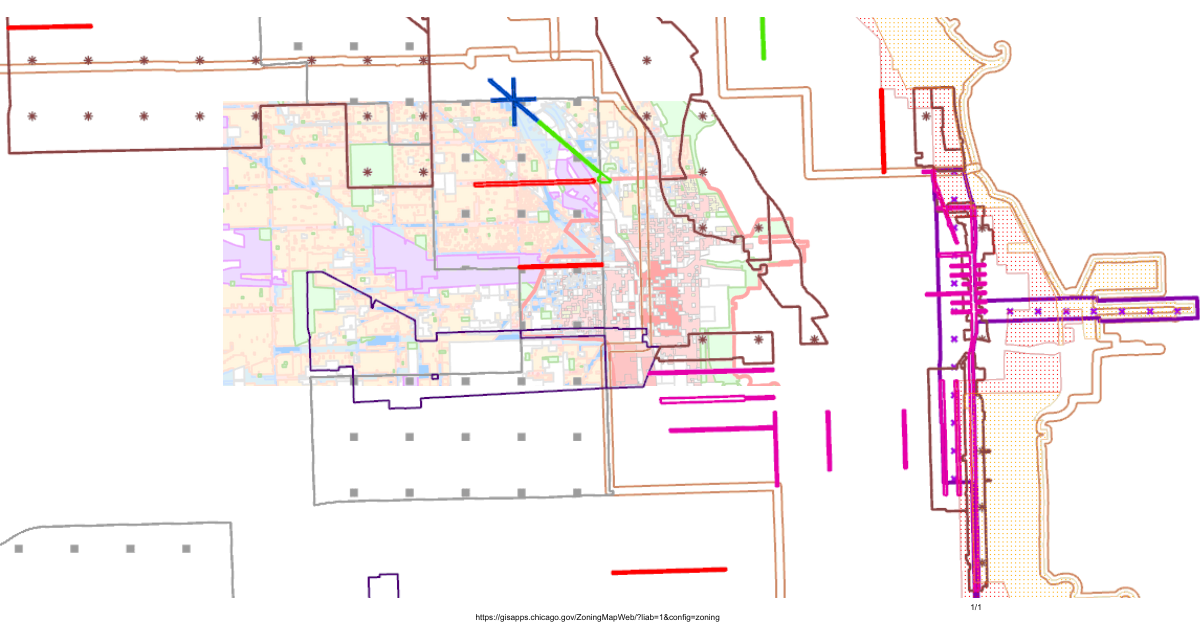
Zoning map overlay demonstrating impact on property values in Chicago
How Zoning Changes Your Property’s Value

Zoning might be the most boring subject in real estate, and it quietly outranks almost everything else. Those colored squares on a city map decide what your property can legally become. So they also set a ceiling on what it is worth. Two identical lots on the same street can carry very different values because one allows three units and the other allows one. Most owners never check which lot they own.

By the end of this article, you’ll know:

  • Why appraisers analyze zoning before anything else, through highest and best use.
  • What the research says zoning does to prices, in six-figure terms.
  • How Chicago’s 2025 ADU ordinance redrew value ward by ward.

Zoning Is the First Question an Appraiser Asks

Appraisal doctrine has a name for this: highest and best use. Before valuing a property, an appraiser determines the most profitable use that is legally permissible, physically possible, and financially feasible. Notice, too, which test comes first. Legal permissibility is the zoning question, so everything downstream depends on it. A lot zoned for a single home gets valued as a single home. The same dirt zoned for six units gets valued as a development site, because buyers pay for what they are allowed to build.

So when zoning changes, value can move without a single nail being driven. The use changed, so the buyer pool changed, and the price followed. That is also why appraisers track zoning board agendas and draft map amendments. After all, a variance or a text amendment can rewrite a property’s highest and best use overnight.

The Research Puts Numbers on It

How much can lines on a map matter? Reserve Bank of Australia economists measured it by comparing home prices with the cost of supplying homes, and the Cato Institute’s summary of their study reports the gap. Zoning restrictions raised the average detached house price in Sydney by about $489,000, roughly 73% above the cost of supply. Melbourne’s detached prices ran 69% above supply cost, too, and Sydney apartment prices ran 85% above marginal cost.

So those are restriction effects: scarcity created by what the map forbids. The mirror image is entitlement value, what a property gains when the map loosens. Arlington, Virginia tried exactly that by allowing duplexes in single-family zones, and teardown economics shifted immediately. Then opponents sued, and the fight ran all the way to an appeals court in 2025. Both halves of that story matter to a property owner. Zoning can mint value, and contested zoning can hold it hostage until the courts finish.

Chicago Just Redrew Its Own Map

This is not theory anywhere, and in Chicago it is this year’s news. In September 2025, the City Council unanimously approved an ordinance legalizing accessory dwelling units in areas zoned for small apartment buildings and in business districts, building on pilot zones that date to 2020. Inside those original pilot areas, ADUs are also allowed by right.

Here is the wrinkle an appraiser cannot ignore. In single-family zones, the city’s most common zoning, whether ADUs are allowed depends on the local alderperson. So the same bungalow can hold real ADU potential in one ward and none in the ward next door, a patchwork that changes lot values block by block. The ordinance also requires union apprentice labor for ADU construction, which raises the cost side of the feasibility test. Potential income, ward-level permission, and build cost now all feed one question: what is this specific lot’s highest and best use today?

Zoning Cuts Both Ways

Owners mostly hear the upside stories, but the doctrine is symmetrical. A downzoning can strip development potential a purchase price assumed. A legal nonconforming use, the grandfathered duplex in a single-family zone, can lose its status after a fire or a long vacancy, taking its income value with it. And “zoning potential” that requires a variance is a maybe, not an asset, until the approval exists.

Chicago’s new ordinance shows the whole spectrum at once. If your ward allows ADUs, your garage just became potential income. If it does not, the identical garage one ward over stays a garage. Same city, same ordinance, different values. So before celebrating or shrugging, check where your block actually landed. So buyers who pay full entitlement value for un-entitled land are paying for someone else’s homework before it is graded.

Check the Map Before You Price the Property

So the order of operations matters. Before you buy a teardown, sell a wide lot, or build the addition, find out what the zoning actually permits and what the market pays for that permission. An appraisal does this work formally. The highest and best use analysis establishes the legal envelope, and the valuation prices the property inside it, with the evidence attached. If the zoning also moved your assessment, our guide to Cook County property taxes covers what to do about that. Either way, the map knows something about your property’s value. It is worth reading before the market reads it for you.

Is your lot worth more than your house?

A highest and best use analysis tells you what the zoning really permits and what that permission is worth in your market.

Price the Permission

Frequently Asked Questions

Does zoning affect property value?

Strongly. Zoning sets what a property can legally become, which caps or expands its highest and best use. Research summarized by the Cato Institute found zoning restrictions raised average Sydney detached house prices by about $489,000, roughly 73% above the cost of supply, and similar effects appear wherever rules limit what can be built.

What is highest and best use in an appraisal?

It is the most profitable use of a property that is legally permissible, physically possible, and financially feasible. Appraisers determine it before valuing anything, because the use defines the buyer pool and the price. Zoning is the legal-permissibility test, which is why it comes first.

Can rezoning increase my property’s value?

Yes, sometimes dramatically, because a rezoning that permits more units or new uses changes what buyers can do with the land. The value is only as durable as the approval, though. Contested changes can sit in litigation, as Arlington’s duplex program did, so entitlement value should be priced with its risks.

What happens to value if zoning changes against me?

A downzoning can remove development potential your price assumed, and a grandfathered nonconforming use can lose its protected status after damage or extended vacancy. In both cases the property’s highest and best use narrows, and the value follows it down. An appraisal can quantify the before and after.

How do I find out what my property’s zoning allows?

Start with your city’s online zoning map, which shows the district for each parcel, then read that district’s permitted uses. For decisions with money attached, a highest and best use analysis from an appraiser interprets what the designation permits and what the market pays for it.

Valuation That Reads the Zoning Map First

PahRoo Appraisal & Consultancy has analyzed highest and best use for more than two decades. An appraiser holding both MAI and SRA designations leads the firm. Maybe your question is a residential lot with ADU potential. Maybe it is a development site needing a commercial appraisal, or an estate or dispute needing broader appraisal services. Either way, the analysis starts where the value starts: with what the map permits.
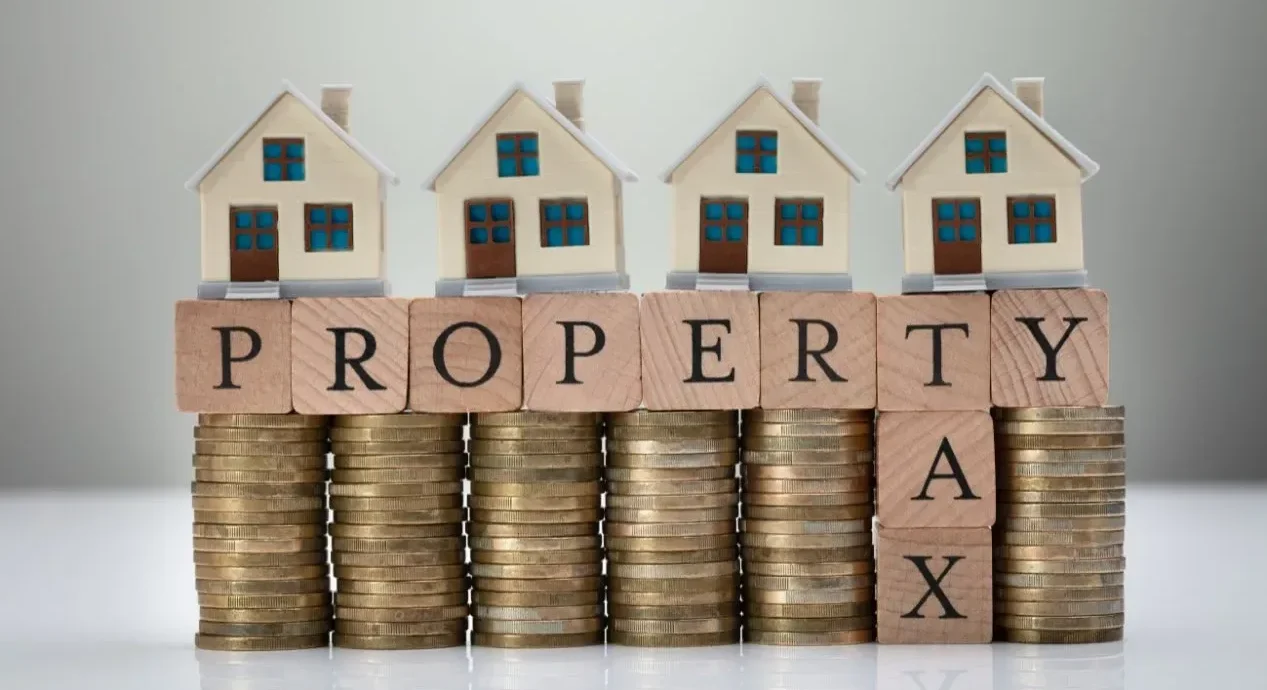
Property Taxes Made Easy for Cook County Homeowners

Property taxes confuse almost everyone, and in Cook County the confusion is earned. Your bill is not a simple percentage of what your home is worth. It is the end of a chain. Market value, assessment level, state multiplier, exemptions, then local rate: each stacks on the last. Once you see the chain, you can spot where your bill went wrong. You can also see what to do about it.

By the end of this article, you’ll know:

  • The five-step chain that turns your home’s value into a Cook County tax bill.
  • The exemptions that cut the bill, by name, and the one applied automatically.
  • When an appeal makes sense, and why you need neither a lawyer nor a fee to file one.

How Property Taxes Are Calculated in Cook County

So start with the chain. First, the Assessor estimates your home’s market value. Second, for a residential property, the assessed value is set at 10% of that figure. Third, the State of Illinois applies an equalization factor, a multiplier set each year. The result is the equalized assessed value, or EAV. Fourth, your exemptions subtract from the EAV. Fifth, your local tax rate applies to what remains. The Cook County Assessor’s own walkthrough shows the full math with a worked example.

Two details in that chain surprise people. The Assessor sets your value but has no hand in the tax rate. Instead, rates come from the levies your local taxing bodies request. And the bill always runs a year behind. The first installment, due in early March, is simply 55% of last year’s total. The second installment in late summer carries the new assessments, rates, and exemptions. So a reassessment you received this year shows its full effect on next summer’s bill, not this spring’s.

If you own in PahRoo’s other markets, the chain differs. Texas, Pennsylvania, Arizona, and Florida each build the bill their own way. But the core idea travels. A bill is an assessed value times a rate, and the value half is what an owner can challenge.

Why Your Bill Went Up

Four causes explain most increases. The first is reassessment. Cook County revalues on a three-year cycle, one part of the county at a time. The City of Chicago’s next citywide reassessment, for example, lands in 2027. A big jump often traces to a reassessment year. The second is levies. When school districts, municipalities, and other taxing bodies ask for more, rates follow, even if your value never moved. The third is a shift in the burden. When other properties in your area fall in value and yours does not, your share of the pie grows.

The fourth cause is the quiet one: a lapsed exemption. Say an exemption you had last year did not carry into this year’s bill. So your taxable EAV rose without your home changing at all. Before assuming the Assessor overvalued your house, read the exemption lines on the bill. The fix for a missing exemption is paperwork, not an appeal.

The Exemptions That Cut Your Bill

Cook County’s main residential exemptions carry plain names. The Homeowner, the Senior, and the Senior Freeze cover the most households. The Persons with Disabilities Exemption, several veterans’ exemptions, and the Longtime Homeowner Exemption round out the list. Each one subtracts from your EAV before the rate applies. One more deserves special mention for anyone renovating. The Home Improvement Exemption shields up to $75,000 of improvement-added value for up to four years. The Assessor applies it automatically from your building permits, too.

One caution so the math does not disappoint you: an exemption’s dollar amount reduces your EAV, not your bill. The actual savings equal the exemption amount times your local tax rate. Eligibility questions belong with the Assessor’s office, and their site handles most filings directly.

When an Appeal Makes Sense

An appeal argues one thing: the Assessor’s value for your home is too high. Three situations support that argument. The record contains errors: wrong square footage, a room count including space you lack, or improvements never built. Or comparable homes nearby carry meaningfully lower assessments. Or your home has condition problems the mass-appraisal model cannot see, like a failing roof or an unfinished interior.

Here is the fact most owners miss. Appealing at the Cook County Assessor requires no attorney and costs no filing fee. If the Assessor’s result disappoints, the Board of Review offers a second level of appeal. Deadlines run township by township on the county’s appeal calendar, so check your township’s window when your reassessment notice arrives. Evidence wins appeals. Useful exhibits include comparable sales and assessments, plus photos of condition issues. The strongest cases add an independent appraisal that fixes your home’s market value as of the assessment date. Owners of income property argue through the numbers instead. Our breakdown of how the income approach gets scrutinized in commercial tax appeals shows what that looks like.

Know the Value Before You Fight the Bill

Every lever above pulls on the same question: what is your home actually worth? The rate is not yours to argue, and voters set the levies. Still, the value is evidence territory. An independent appraisal gives you a defensible market value. That number shows whether the assessment truly overshoots or only feels high. If the gap is real, the appraisal becomes the centerpiece of your appeal file. If it is not, you just saved yourself a filing and a false hope. Either way, you act on a number instead of a hunch. In a county this complicated, that is the only comfortable position to hold.

Does your assessment match what your home is really worth?

An independent appraisal tells you whether an appeal is worth filing. If it is, the same report becomes your evidence.

Check Your Assessment Against Reality

Frequently Asked Questions

How are property taxes calculated in Cook County?

In five steps. The Assessor estimates your home’s market value and sets the assessed value at 10% of it for residential property. The state applies an annual equalization factor to produce the equalized assessed value, or EAV. Your exemptions then subtract from the EAV, and your local tax rate applies to what remains.

Why did my property taxes go up this year?

Four causes explain most increases: a reassessment year under Cook County’s three-year cycle, or higher levies from local taxing bodies. The other two: a burden shift toward your property when others lost value, or a lapsed exemption. Checking the exemption lines first often explains an increase without any appeal.

Do I need a lawyer to appeal my Cook County assessment?

No. The Cook County Assessor accepts appeals directly from homeowners, with no attorney and no filing fee. The Board of Review offers a second level if needed. Deadlines run township by township, so check your township’s window on the county’s appeal calendar when your notice arrives.

Which exemptions reduce Cook County property taxes?

The main residential exemptions are the Homeowner, Senior, Senior Freeze, Persons with Disabilities, veterans’, and Longtime Homeowner exemptions. The Home Improvement Exemption adds one more, shielding up to $75,000 of renovation-added value for up to four years. Each subtracts from your EAV, so the savings equal the exemption amount times your local tax rate.

Does an appraisal help a property tax appeal?

Often it is the strongest piece of evidence. An independent appraisal fixes your home’s market value as of the assessment date. That shows whether the Assessor’s figure overshoots and by how much. It also tells you before filing whether an appeal is worth pursuing at all.

The Appraisal Behind a Winning Appeal

PahRoo Appraisal & Consultancy has supported Cook County property tax appeals for more than two decades. An appraiser holding both MAI and SRA designations leads the firm. That work stands up before the Assessor and the Board of Review, too. Maybe you need a residential appraisal for your own appeal. Maybe the matter is an estate, a divorce, or a commercial dispute needing broader appraisal services. Either way, we put the number on paper so your argument has a spine.


eco-friendly home features impacting the home appraisal process
Home Appraisal Process: A Guide for First-Time Homebuyers

The home appraisal process is an independent check on what a property is worth. For most first-time buyers, it happens right in the middle of the mortgage. Once your offer is accepted, your lender orders an appraisal. The goal is to confirm the home is worth what you agreed to pay. That number can move your loan, your down payment, and sometimes the deal itself.

By the end of this article, you’ll know:

  • What the appraisal checks, and who orders it
  • What to do if the value comes in below your offer
  • How local factors in Chicago, Philadelphia, and Dallas shape the result

What the Home Appraisal Process Actually Is

An appraisal is a written opinion of a home’s market value. A licensed appraiser inspects the property and compares it to recent sales nearby. In a typical purchase, your lender orders it. You usually pay for it as part of your closing costs. The Consumer Financial Protection Bureau notes that lenders rely on this valuation. It tells them how much they can safely lend against the home.

Value and price are not the same thing, and that is the whole point of the exercise. Your offer is what you agreed to pay. The appraisal is a neutral read on what the market actually supports.

There is a second kind of appraisal worth knowing about. You can hire your own independent appraiser, separate from the lender’s. It gives you a private read on value before you commit. That is often where we come in. You can see the scope of that work on our residential appraisal page. The lender’s appraisal protects the bank. An independent one protects you.

What Appraisers Look At

Appraisers do not guess. They build value from evidence, and a few things carry most of the weight.

Location leads. Two nearly identical houses can appraise very differently. The block, the school boundary, and nearby sales all play a part. Condition comes next. A dated kitchen, a tired roof, or deferred maintenance pull the number down. Recent updates can lift it, including the energy-efficient features that more buyers now pay for.

Size and layout matter too, measured as gross living area rather than the listing’s claims. Then come the comparable sales, usually called comps. These are recent sales of similar homes nearby. The appraiser adjusts for the differences between those homes and yours. Think up for a finished basement, down for a smaller lot. Those adjusted figures anchor the final opinion of value. The closer and more recent the comps, the more reliable that anchor tends to be.

What Happens If the Appraisal Comes In Low

This is the part that catches first-time buyers off guard. If the appraisal lands below your offer, your lender will finance against the lower figure, not your contract price. That gap has to close somehow.

You have a few options. You can renegotiate with the seller. The appraisal is evidence that the home is worth less than you agreed to pay. You can cover the difference in cash if you have it. You can also challenge the appraisal through what the CFPB calls a reconsideration of value. That means pointing to stronger comps or factual errors in the report.

Walking away is on the table too, if your contract includes an appraisal contingency. None of these is fun. But knowing them ahead of time keeps a low number from becoming a panic at closing.

City-Specific Considerations in Chicago, Philadelphia, and Dallas

Local markets shape appraisals more than most buyers expect.

In Chicago, property taxes, ward-level zoning, and neighborhood lines all influence value. Comps from even a few blocks away may not fit. In Philadelphia, historic housing stock and school catchment lines weigh heavily. Older homes there raise condition questions that newer markets do not. In Dallas, fast suburban growth means comps can age quickly. A sale from six months ago may already understate a developing area.

A local appraiser reads these signals. That knowledge is a big part of why the same home can appraise differently from one market to the next.

How to Prepare for Your Appraisal

You cannot control the final number, but you can help the appraiser see the home accurately. Make sure the property is accessible and clean. Have a list of recent upgrades ready, with rough dates and costs. If you are the buyer, ask your agent for the comps behind the offer. That way you can spot a low appraisal early.

One thing not to do: try to influence the appraiser toward a number. Their independence is what makes the report credible, and pushing on it tends to backfire. Treat the appraisal as useful information rather than a judgment on your choice. A clear-eyed read of value is what keeps you from overpaying, and it is worth getting right before you sign.

Want an Independent Read Before You Buy?

A private appraisal from PahRoo tells you what a home is really worth before you commit. It covers Chicago, Philadelphia, and Dallas. Know your number before the bank tells you theirs.

Request Your Appraisal Quote

Frequently Asked Questions

What is the home appraisal process?

It is an independent assessment of a property’s market value. A licensed appraiser inspects the home and compares it to recent nearby sales. In a purchase, your lender usually orders it after your offer is accepted.

Who pays for the appraisal when buying a home?

The buyer typically pays for the lender’s appraisal as part of closing costs, even though the lender orders it. You can also pay for your own independent appraisal if you want a second, private opinion of value.

What happens if the appraisal is lower than my offer?

Your lender will finance against the lower value. From there, you have options. You can renegotiate the price, pay the difference in cash, or challenge the appraisal. You can also use your contract’s appraisal contingency to walk away.

How long does a home appraisal take?

The on-site inspection usually takes under an hour for a typical single-family home. The full written report often takes a few days to a week. It depends on the appraiser’s workload and the property’s complexity.

Can I get my own appraisal separate from the lender’s?

Yes. Buyers can hire an independent appraiser for a private opinion of value before making or finalizing an offer. This is common when you want an unbiased read that is not tied to the lender’s process.

Need an Independent Appraisal?

PahRoo Appraisal & Consultancy provides independent residential valuations across Chicago, Philadelphia, and Dallas, led by Michael Hobbs. Maybe you are buying your first home. Maybe you just want a private read before you make an offer. Either way, our residential appraisal team can help. Reach us any time through our contact page.


NEWSLETTER

Knowing a property's true value is key
to making informed real estate decisions

Visit us

7383 Lincoln Ave Suite,
#100 Lincolnwood, IL, 60712