
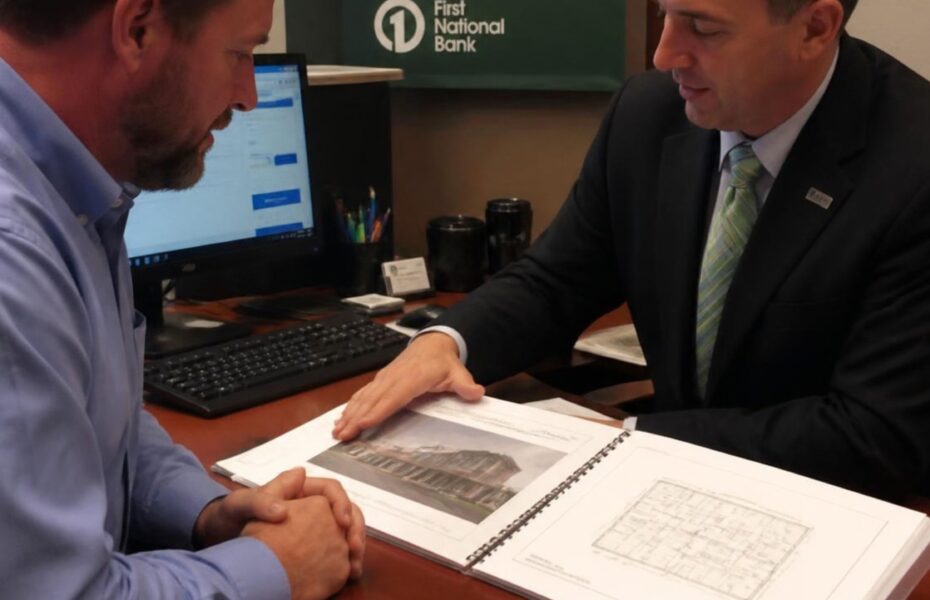
An SBA appraisal is the one document in a 7(a) or 504 file that the borrower cannot supply. The lender orders it. The lender is the client. And the SBA guaranty rides on whether the report meets the SOP, not on the number alone. So the appraisal deserves a closer read than the value on its cover.
- Which rulebook governs the appraisal on a file that gets its loan number after October 1, 2026.
- When the real estate has to be valued apart from the business that runs inside it.
- What a borrower can do before the order goes in, so the report does not stall the closing.
SBA Appraisal Requirements Start With SOP 50 10
SBA does not publish a standalone appraisal rule. Instead, the requirements sit inside SOP 50 10. That is the Lender and Development Company Loan Programs procedure, and it governs 7(a) and 504 origination. The current version is SOP 50 10 8.1. It took effect October 1, 2026 and applies to applications issued an SBA loan number on or after that date. Files that received a loan number through September 30 stay under SOP 50 10 8. So the first question on any SBA appraisal is simple. Which version governs this file?
The dollar trigger comes from federal law. The 7(a) Real Estate Appraisal Harmonization Act tied SBA’s threshold to the bank regulators’ figure. Specifically, it uses the lowest commercial real estate threshold set by the Federal Reserve, the OCC, and the FDIC. Under the OCC’s appraisal rule, that figure is $500,000. So a 7(a) loan secured by commercial real estate above that amount needs an appraisal. A State licensed or certified appraiser has to prepare it. Below it, the statute leaves the call to the lender, though SBA and the lender can still require one.
One more wrinkle matters for bankers. The same OCC rule exempts transactions guaranteed by a federal agency from the bank appraisal requirement. That exemption is exactly why SBA writes its own appraisal standards into the SOP. A lender cannot lean on the bank rule’s exemption and skip the report on an SBA file.
What the SOP Expects From the Report and the Appraiser
For a standard 7(a) loan, the appraisal standards have stayed stable across recent SOP versions. SBA lending counsel Starfield & Smith summarized them well. The report must be a USPAP Appraisal Report, not a restricted report. It must be dated within 12 months of the application for guaranty. It must name the lender as the client or an intended user. So a report prepared for the seller or the borrower cannot be used. The appraiser must be independent of loan production and the approval decision. Above an estimated value of $1,000,000, the appraiser must be State certified. Because SOP language shifts between versions, confirm each point against the version on your file.
Two more points catch lenders after the order goes in. First, construction gets its own rules. If loan proceeds fund new construction or a substantial renovation, the appraisal must estimate value at completion. Then, once the work is done, the lender needs a statement that the building was built to the plans. Second, the appraisal gets measured against the value estimate in the credit memo. Any shortfall needs a written explanation. A report below 90 percent of the estimate triggers more than that. Non-delegated lenders need SBA’s written permission to close. PLP lenders must instead document why the number came in low and how they offset the risk. So the estimate in the credit memo is not a throwaway line. It sets the bar the appraisal has to clear.
504 Loans: One Report, Three Intended Users
A 504 project runs through a Certified Development Company alongside a senior lender. The SBA’s 504 program finances major fixed assets, including buying, building, or renovating land and buildings. The CDC portion is capped at $5.5 million. It cannot fund working capital or inventory. That structure makes the appraisal the anchor of the project budget. In practice the same report has to serve the third party lender, the CDC, and SBA. So the engagement letter should name every intended user before the appraiser starts. A report written for one party alone can end up reordered for the others, and that costs weeks.
The 504 structure also sharpens the going-concern question. Because 504 proceeds finance fixed assets, the value a CDC can rely on is the real estate and the long-term equipment. The business that operates there is a separate question. When the building only works with a business inside it, the report has to say how much of the value is which. That is where allocation comes in.
When the Real Estate Has to Be Separated From the Business
Some properties only make sense with a business running in them. A car wash. A hotel. A gas station with a convenience store. A golf course or a bowling alley. SBA calls these Special Purpose Properties, and it treats a change of ownership involving one differently.
The standard SBA set for these deals is specific. When a business operating from a Special Purpose Property changes hands, a Certified General Real Property Appraiser must complete the going-concern appraisal. That appraiser also needs experience in the property type. The report must allocate separate values to land, building, equipment, and intangible assets. And the appraiser must have completed at least four going-concern appraisals of equivalent special-use property in the prior 36 months. The report’s qualifications section has to show it. SBA Information Notice 5000-1340 introduced that language. It remains the framework lenders apply to change of ownership deals, which SOP 50 10 8.1 now gathers in Appendix 15.
Why does the split matter so much? A lender can secure a loan with land and a building. Goodwill is a different animal. If a report bundles everything into one going-concern number, the lender is stuck. It cannot tell how much of the collateral is real estate and how much walks out the door with the owner. The allocation answers that question line by line. It also has to reconcile. The parts should add up to the whole, and the real estate component should stand on its own against comparable sales. For a walk-through of how appraisers weigh sales, cost, and income evidence, see our guide to the three approaches to value.
For Borrowers: What Slows an SBA Appraisal Down
If you own the business, or you are buying the building your company occupies, the SBA appraisal is out of your hands. But you can keep it from stalling the deal.
- Do not order your own appraisal. The lender has to be the client. A report you commission cannot go in the SBA file, so the money gets spent twice.
- Ask the lender for its value estimate up front. That figure goes in the credit memo, and a report that lands well below it triggers extra review. If you think the estimate is high, say so before the order goes in.
- Assemble the file the appraiser will ask for. That means the purchase agreement with any price allocation, plus current leases and a rent roll if part of the building is leased. For a special-use property, add three years of business financials and an equipment list with age and cost. For any build-out, add the plans and the budget.
- Flag the property type early. If the building is a car wash, a hotel, or another Special Purpose Property, the lender needs a specific kind of appraiser. That means one with the going-concern experience the SOP requires. Finding one late adds weeks.
A clean file does not raise the value. Still, it keeps the appraiser from discounting for uncertainty, and it keeps the closing calendar intact. For owner-users, our commercial appraisal services page lists the property types we handle.
Match the Appraisal to the SOP Before the Order Goes In
Most SBA appraisal problems trace back to the engagement, not the analysis. The wrong client name. A restricted report. A licensed-only appraiser on a seven-figure building. A going-concern report with no allocation. Each one is avoidable at the order stage. So confirm the SOP version, name the intended users, match the license to the value, and ask for the allocation up front. Then the report can do what the guaranty needs it to do.
Structuring an SBA Deal With Real Estate Collateral?
PahRoo delivers USPAP Appraisal Reports for 7(a) and 504 files. The lender is named as client, the allocation is broken out, and a reviewer can trace the support.
Frequently Asked Questions
Do SBA loans require an appraisal?
Yes, when a 7(a) loan secured by commercial real estate exceeds the federal banking regulator appraisal threshold, which the OCC rule sets at $500,000. The appraisal must come from a State licensed or certified appraiser, and the SOP adds its own requirements for the report, the appraiser, and timing. Below the threshold, the lender or SBA may still require one.
What is an SBA 504 appraisal?
It is the real estate appraisal ordered for a 504 project, where a Certified Development Company and a senior lender finance fixed assets such as land, buildings, and long-term equipment. The report sets the value behind the project budget, and in practice it has to serve the third party lender, the CDC, and SBA as intended users.
When is a going-concern appraisal needed for SBA?
When a change of ownership involves a business operating from a Special Purpose Property, such as a hotel, car wash, gas station, golf course, or bowling alley. SBA requires a Certified General Real Property Appraiser with experience in that property type, and the report must allocate value among land, building, equipment, and intangible assets.
What is the SBA appraisal threshold?
By statute, the 7(a) threshold equals the lowest commercial real estate appraisal threshold set by the Federal Reserve, the OCC, and the FDIC. Under the OCC rule that figure is $500,000. The SOP layers program rules on top of the statute, so lenders confirm the trigger against the SOP version governing the file.
Who pays for the SBA appraisal?
The lender engages the appraiser, since the lender must be the client, and the cost is generally passed through to the borrower as part of the loan’s out-of-pocket costs. Confirm the treatment with your lender, because the SOP governs which fees a lender may charge on an SBA loan.
Appraisals Written to Sit in an SBA File
PahRoo Appraisal & Consultancy prepares commercial appraisals for 7(a) and 504 lenders in five markets. Those are Chicago and Cook County, Dallas-Fort Worth, Philadelphia, Phoenix, and Naples. If your credit team reads the income section first, our guide to the income approach explains how those numbers get built. For scope and timing in Cook County, start with our Chicago appraisal services page.