
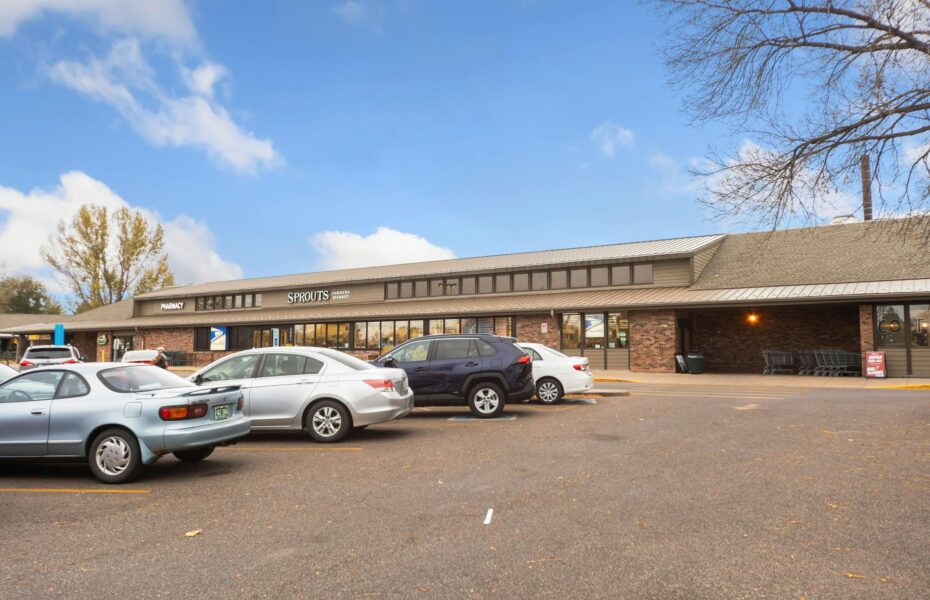
Two strip centers on the same road, same size, same age, same asking price. One is worth 15 percent more than the other, and nothing about the buildings explains why. The leases do. A retail property appraisal spends less time on the roof and the parking lot than brokers expect. It spends far more on who signed the leases, how long they run, and what happens to the rent when they end. So here is how location, tenants, and lease terms each move the number.
- How trade area, access, and co-tenants set the ceiling on retail rent
- Why tenant credit and tenant category can move a cap rate more than the building does
- What a rent roll and lease abstract have to show before the appraisal can start
Location Sets the Ceiling
Retail rent is a function of what a tenant can sell from that spot. So the appraiser starts outside the property line. The trade area is the geography a center actually draws from. That may be a one-mile ring for a grocery-anchored neighborhood center, or a 20-minute drive for a destination power center. Population, household income, and daytime employment inside that area tell the appraiser what rent the market can bear. Then traffic counts, visibility, and access decide whether a tenant can capture it.
Co-tenancy matters almost as much as the corner. An inline space next to a strong grocer rents for more than the same space next to a vacant box. The grocer brings the cars. Anchors, shadow anchors across the street, and out-parcel pads all shape the rent an inline tenant will pay. So when the appraiser selects rent comparables, the first filter is not square footage. It is whether the comparable center has the same kind of draw.
Tenants Set the Cap Rate
Once the rent is established, the question shifts to how reliable it is. Two centers with the same net operating income can trade at very different prices. A buyer pays more for income that is likely to arrive. A national credit tenant on a long lease is income a buyer can underwrite. A first-year local operator is a bet. The appraiser reflects that difference in the capitalization rate. In practice, the spread between a credit-anchored center and a local-tenant center can be wider than the spread between a new building and an old one.
Tenant category matters too, and the national numbers show why. The Census Bureau’s July 2026 retail sales release put total retail and food services sales up 5.0 percent from a year earlier. Underneath that headline, nonstore retailers were up 7.7 percent and restaurants and bars were up 5.0 percent. Furniture stores were down 1.2 percent. So a center full of restaurants and service tenants is riding a different current than a center full of furniture showrooms. The appraiser’s vacancy and credit loss assumptions should say so.
Where tenant sales are available, the occupancy cost ratio is the health check. Rent plus recoveries, divided by sales, tells the appraiser whether a tenant can afford its lease. A tenant paying more of its sales than its category can sustain is a renewal risk no matter what the lease says. Most appraisals do not get sales data, though. Then the appraiser leans on category trends and the tenant’s public reporting where it exists.
Lease Terms That Change the Number
This is the section that does the work, and the one most rent rolls are least prepared for. The lease structure comes first. Under a triple net lease, the tenant pays its share of taxes, insurance, and common area maintenance on top of base rent. So the landlord’s net income sits close to the base rent. Under a gross lease, the landlord absorbs those costs, and rising taxes come straight out of net operating income. A modified gross lease splits them. Two centers with identical base rents can have very different net income. That is why our guide to net operating income starts with the recovery structure.
Term and rollover come next. A center where 40 percent of the income expires within 24 months carries costs a fully leased center does not: downtime, tenant improvement allowances, and leasing commissions. The appraiser models those costs in the year they land. So a long-term rent roll and a short-term rent roll with the same current income do not support the same value under the income approach. Renewal options, and whether they are at fixed rent or market, sit inside the same analysis.
Then the clauses that brokers sometimes skip. A co-tenancy clause lets a tenant reduce rent or leave if an anchor goes dark or occupancy drops below a threshold. So one vacancy can cascade. An exclusive-use clause blocks the landlord from leasing to a competing use. That narrows the pool of replacement tenants. Rent escalations, percentage rent breakpoints, and caps on CAM recoveries all change the income stream. None of them show up on a one-page rent roll. All of them show up in value.
What a Retail Property Appraisal Needs From the Rent Roll
A usable rent roll lists every suite with tenant name, square footage, lease start and expiration, and current base rent. It also shows the escalation schedule, recovery structure, renewal options, and any abatement still running. Behind it, the appraiser needs lease abstracts or the leases themselves for anchors and any tenant over about ten percent of the income. Add the last two years of CAM reconciliations and operating statements. Vacant suites need asking rent and the date they went dark.
When that package is complete, the appraisal moves quickly and the conclusions are defensible. When it is missing, the appraiser fills gaps with market assumptions. Market assumptions rarely favor the seller. The same package is what the buyer’s lender will ask for. So assembling it once serves the listing, the appraisal, and the closing.
A Hypothetical Neighborhood Center
Consider a 25,000 square foot center: a 12,000 square foot grocer on a triple net lease with 11 years left, six inline tenants, and one 1,800 square foot vacancy. Net operating income is $504,000. Suppose the inline leases are staggered, with no more than one expiring in any year, and the grocer is a regional credit. An appraiser might support a 7.0 percent cap rate, indicating $7,200,000.
Now change one fact. Four of the six inline leases expire within 18 months, and two tenants are month-to-month. The grocer has a co-tenancy clause tied to inline occupancy. Same building, same income today. An appraiser might now support an 8.0 percent rate, landing near $6,300,000, and deduct lease-up costs on top. The gap is close to $900,000 before those deductions. Every dollar of it lives in the leases.
Where Owners Get Ahead of the Appraisal
For an owner planning a sale or a refinance, the highest-return work happens before the appraiser is engaged. Renew the tenants whose leases expire inside the next two years, even at a modest concession. Term is worth more than the last dollar of rent. Resolve open co-tenancy exposure by backfilling the space that triggers it. Finish the CAM reconciliations so recovery income is documented rather than estimated. And abstract every lease so the rollover schedule, options, and clauses sit in one place. Each step converts an assumption into a fact the appraiser can cite.
Read the Rent Roll Before You Read the Cap Rate
When a retail appraisal lands on your desk, skip the cover value and go to the rent roll analysis. Check that lease structures are identified suite by suite and the rollover schedule is laid out by year. Check that the anchors’ clauses are addressed by name. Then check that the cap rate reflects the tenants actually in the building, not a survey average. If those pieces are there, the value will hold up with the buyer’s lender. If they are not, the number is a guess with a decimal point. Our overview of the three approaches to value shows how the income analysis fits with the others. For retail, it is nearly always the one that decides.
Pricing a Center With Rollover on the Horizon?
PahRoo appraises retail property from the leases up, with rollover modeling and cap rate support a buyer’s lender will accept.
Frequently Asked Questions
How is a retail property appraised?
Primarily through the income approach. The appraiser analyzes the rent roll and leases to establish net operating income, evaluates tenant credit and lease term to select a capitalization rate, and models lease-up costs for expiring or vacant space. Sales comparison serves as a check on the result, and location analysis of the trade area, traffic, and co-tenancy frames the rent the market will bear.
What is a triple net lease and why does it matter to value?
Under a triple net lease the tenant pays its share of property taxes, insurance, and common area maintenance in addition to base rent. The landlord’s net income is close to the base rent and is insulated from rising expenses. Under a gross lease the landlord absorbs those costs, so the same base rent produces lower net operating income and a lower value.
How does tenant credit affect the cap rate?
Buyers pay more for income they are confident will arrive, so a center anchored by a national or regional credit tenant on a long lease supports a lower capitalization rate than a center leased to local operators on short terms. The appraiser reflects that in the rate, and the spread between the two can move value more than the age or condition of the building.
What is a co-tenancy clause?
A lease provision that lets a tenant reduce rent or terminate if a named anchor closes or center occupancy falls below a set level. It means one vacancy can trigger others. An appraiser reads anchor and major tenant leases for these clauses and accounts for the exposure in the vacancy and credit loss analysis.
What does an appraiser need from the rent roll?
Every suite with tenant name, square footage, lease start and expiration, current base rent and escalations, recovery structure, renewal options, and any abatements still running. Behind the rent roll, the appraiser needs lease abstracts or full leases for anchors and major tenants, two years of operating statements, and the CAM reconciliations.
Retail Valuation From the Lease Up
Brokers, owners, and lenders across Chicago and Cook County, Dallas-Fort Worth, Philadelphia, Phoenix, and Naples engage PahRoo Appraisal & Consultancy for retail assignments from single-tenant pads to anchored centers. Our commercial appraisal services page lists the property types we cover, and our article on office building value drivers shows the same lease-first method applied to a different asset class. To discuss a retail property, contact our team.