Author: Michael Hobbs

Request a quote

Our blog

Latest news
& events

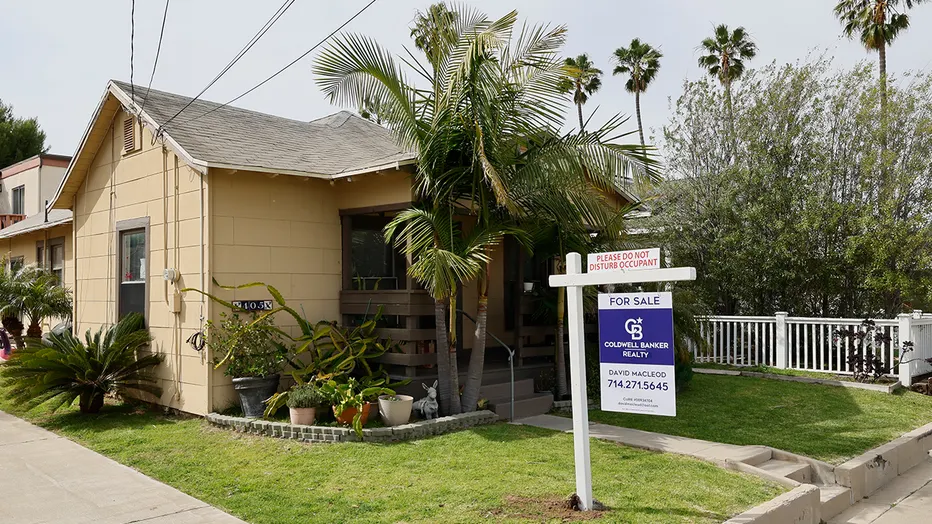
Housing Market 2025: What $1 Million Gets You Today

A Million Dollars Used to Buy Luxury. Now It Buys… the Basics?

Once upon a time, a $1 million home meant luxury: space, privacy, and maybe even a pool.
Today? In cities like San Francisco, Seattle, and parts of LA, $1 million might get you a dated 2-bedroom, and a bidding war.

We’re in a new era of housing where $1M no longer equals high-end. It’s entry-level. So how did we get here?

What’s Driving the Shift?

This isn’t just a coastal problem. Even secondary markets like Austin, Denver, and Phoenix are seeing seven-figure starter homes.
Here’s why:

  • Low Inventory: Decades of underbuilding have led to a serious supply crunch.

  • Rising Construction Costs: Inflation, materials, and labor shortages drive prices higher.

  • Zoning Restrictions: Local regulations make new, affordable builds nearly impossible.

  • Remote Work Migration: High-earning buyers are leaving coastal cities and driving up prices in previously “affordable” areas.

  • Fear of Missing Out: Many first-time buyers are jumping in now, afraid prices will rise further.

Where $1 Million Doesn’t Go Far

Let’s look at what $1M gets you today:

  • San Francisco: Maybe a 1-bed condo. If you’re lucky.

  • Los Angeles: A modest fixer-upper, with multiple offers.

  • Seattle: A small single-family home… with a long commute.

  • Austin: A cookie-cutter new build 45 minutes outside the city.

Even in the suburbs, buyers are finding themselves priced out or forced to compromise on size, location, or condition.

What Is a “Starter Home” Now?

Traditionally, a starter home was affordable for entry-level buyers, often smaller, modest, and budget-friendly.
Now, “starter” just means the lowest price available in the market. For many, that’s still $800K to $1.2M.

Worse yet, many first-time buyers rely on family help, jumbo loans, or co-buying with friends to compete.

Is This Sustainable?

Experts say this level of pricing pressure isn’t sustainable long-term.

While mortgage rates have cooled slightly, affordability remains near historic lows. Wages aren’t rising fast enough, and many buyers are already at their financial limits.

Still, limited supply means prices are unlikely to drop dramatically anytime soon.

Final Thoughts

In today’s market, $1M doesn’t guarantee luxury, it simply gets your foot in the door.

For aspiring homeowners, this shift is frustrating. For real estate professionals and appraisers, it’s a reminder of how location, demand, and perception continue to reshape value.

The “starter home” hasn’t disappeared, it just has a new price tag.

For insights into how zoning laws impact property values, explore our post on Zoning: The Most Boring Topic That Can Change Everything. Additionally, for official and up-to-date market data, the National Association of Realtors is a trusted resource.

Ready to navigate the evolving housing landscape? Contact us today, and our team will provide expert guidance tailored to your real estate goals.

Multigenerational family enjoying time together at home in 2025
Multigenerational Living and What It Does to Home Value

Multigenerational living has quietly become one of the most durable forces in American housing. Fourteen percent of recent buyers purchased a multigenerational home, near the record 17% set a year earlier. Behind the trend sits a practical question most articles skip: what do in-law suites, second kitchens, and converted garages actually do to a home’s value? As appraisers, we get to answer that one.

By the end of this article, you’ll know:

  • Who is buying multigenerational homes and why the trend is here to stay
  • Which features buyers consistently pay for, and which ones can backfire
  • How an appraiser actually values an in-law suite, a second kitchen, or a garage conversion

Why Multigenerational Living Became Mainstream

The National Association of Realtors 2026 Generational Trends report puts numbers on what families already feel. Gen X leads the trend, with 19% of buyers in that group choosing a multigenerational home. The top motivations are caring for aging parents, cost savings, and adult children moving back home.

None of those drivers is going away. Housing costs remain high, the population keeps aging, and baby boomers now account for 42% of all buyers, many of them moving specifically to be closer to family. So this is not a pandemic blip or a design fad. It is a structural shift in what a meaningful share of buyers need a house to do.

The Features Multigenerational Buyers Pay For

When families combine households, they are really buying privacy and independence under one roof. A few features deliver that consistently. A suite with its own entrance, bathroom, and sitting area lets a parent or adult child live semi-independently. A main-floor bedroom with an accessible bath serves aging relatives without a renovation later. Kitchenettes or full second kitchens let two households keep separate routines.

Flexible space matters almost as much as finished space. A basement that could become a suite, or a bonus room over the garage, gives buyers room to adapt. In neighborhoods where multigenerational demand runs strong, homes with these features often draw a deeper buyer pool and sell with less friction. But “often” is doing real work in that sentence, and this is where valuation gets interesting.

How an Appraiser Values an In-Law Suite or Second Kitchen

The honest answer: a feature is worth what the local market pays for it, not what it cost to build. Appraisers measure that through comparable sales. If homes with in-law suites in your area sell for more than similar homes without them, that difference is the feature’s contributory value. A $90,000 suite addition might contribute $60,000, or $110,000, depending entirely on local demand.

A quick example shows how this plays out. Two owners on similar blocks each spend $85,000 finishing a basement suite with a bath and kitchenette. One neighborhood has a steady stream of Gen X buyers housing aging parents, and suites there routinely command a premium. The other skews toward first-time buyers who just want the cheapest three-bedroom they can find. Same project, same cost, very different contributory value. Cost tells you what you spent. Only the market tells you what you got.

A second kitchen is the classic mixed signal. To a multigenerational buyer, it is exactly what they need. To others, it whispers “former illegal apartment,” and in some municipalities it raises real zoning questions about whether the home is being used as two units. An appraiser has to consider both the market’s reaction and the legal use of the property. The same feature can be a premium in one neighborhood and a mild drag in another.

Permits decide whether space counts at all. A garage converted to a bedroom suite without permits may not be included in the home’s finished living area, because unpermitted space carries legal and safety risk that lenders and buyers discount. Owners are sometimes shocked that their most expensive project added little on paper. The lesson runs the other direction too: a permitted, well-executed suite in a high-demand area is among the strongest value adds a home can have.

Buyers face the mirror image of this problem. Listings now advertise “in-law suite” and “related living” as premium features, and sellers price accordingly. Some of those premiums are earned. Others rest on unpermitted space, awkward layouts, or a second kitchen the city never approved. Before you pay extra for a multigenerational setup, it is worth knowing whether the feature will hold its value when you eventually sell, or whether you are buying someone else’s permit problem at a markup.

Check Three Things Before You Build or Buy

First, permits and zoning. Confirm that any existing conversion was permitted, and that your municipality allows what you plan to build. Second, the comps. If no home in your area has sold with a second suite, the market may not yet reward one, however useful it is to your family. Third, the resale pool. A design that serves your household beautifully should still make sense to the next buyer.

An appraisal answers the value side of all three before money moves. For buyers, it tells you whether the multigenerational home is priced on real contributory value or on wishful thinking. For owners planning a suite, it tells you what the market will likely give back. Either way, you decide with a number instead of a hunch.

Adding a suite or buying a home with one?

Find out what that in-law suite, second kitchen, or converted space is actually worth in your market before you commit the money.

Value the Feature First

Frequently Asked Questions

Does an in-law suite increase home value?

Usually, but the amount depends on local demand. An appraiser measures the suite’s contributory value by comparing sales of similar homes with and without one. A permitted suite in an area with strong multigenerational demand can add substantial value; the same suite elsewhere may return less than it cost to build.

Does a second kitchen add or hurt value?

It cuts both ways. Multigenerational buyers often pay for the convenience, while other buyers may see zoning risk or a former illegal conversion. An appraiser weighs the local market’s reaction and whether the kitchen complies with the property’s legal use before crediting it with value.

Does unpermitted converted space count in an appraisal?

Often it does not count as finished living area. Unpermitted conversions carry legal and safety risk, so lenders and buyers discount them, and appraisers may exclude the space from the home’s reported square footage. Permitting work before selling protects the value of the investment.

How common is multigenerational home buying?

Very common now. NAR’s 2026 Generational Trends report found 14% of recent buyers purchased a multigenerational home, near the record 17% the year before. Gen X buyers led the trend at 19%, motivated by caring for aging parents, cost savings, and adult children moving home.

Should I get an appraisal before adding an in-law suite?

It is a smart first step. An appraiser can tell you what similar suites contribute to sale prices in your specific area, so you know the likely return before construction starts. That protects you from overbuilding for your neighborhood.

Know What the Suite Is Worth Before the Market Tells You

PahRoo Appraisal & Consultancy values homes across the Chicago area and beyond, led by an appraiser holding both MAI and SRA designations. From a residential appraisal before a purchase or renovation to full appraisal services for estates, divorce, and tax matters, we put a defensible number on the property so your family can plan around it.


For sale sign in front yard – considering if it’s a good time to sell a home
Is Now a Good Time to Sell Your Home in 2026

Realtor.com’s 2026 Spring Seller Survey found that 74% of potential sellers believe now is a good time to sell. That is a striking number after several slow years. But a national mood survey answers a national question. Whether you should sell depends on your market, your equity, and what your specific home is actually worth.

By the end of this article, you’ll know:

  • What the 2026 seller survey actually found, and what changed from 2025
  • Why Chicago sits among the strongest seller markets in the country right now
  • How a pre-listing appraisal turns national sentiment into a number you can act on

Why 74% of Sellers Say It’s a Good Time to Sell

The confidence comes from three things sellers can see for themselves: strong home values, limited inventory in many regions, and interest rates that have finally stopped lurching around. According to the Realtor.com 2026 Spring Seller Survey, 83% of potential sellers expect to get their asking price or more. Most expect a sale within four months.

The reasons for selling shifted too. In 2025, life events led the list. In 2026, profit moved to the front: 41% of sellers cite the desire to make a profit, up from 36% a year earlier. An equal share want a different neighborhood, and 39% need more space. Fewer people are downsizing than last year. So sellers are not just reacting to life anymore. Many are choosing their moment.

The Number That Should Get Your Attention

Buried in the optimism is the most useful data point in the survey. In 2026, 39% of potential sellers expect to make concessions, up significantly from 30% in 2025. That is a large one-year jump, and it tells you sellers know buyers have regained some footing.

Concessions are where deals quietly lose money. A seller who prices too high, sits on the market, then covers closing costs or repair credits can net less than a seller who priced accurately from day one. The typical home now spends 57 days on market. Every week past that point weakens your negotiating position, because buyers read a stale listing as an invitation to negotiate hard.

Here is the math that matters. Suppose a home worth $450,000 gets listed at $485,000 on optimism. It sits for three months, drops to $455,000, then closes at $440,000 with $8,000 in credits after inspection. The owner who priced at $450,000 from the start likely nets more, sells faster, and keeps the upper hand. The survey confirms sellers sense this shift. Acting on it is another matter, and that is where an accurate starting value earns its keep.

Where Chicago Sits in the 2026 Market

National averages hide the real story, because local conditions vary dramatically this year. Realtor.com’s Market Clock analysis found that only about a quarter of the 50 largest metros remain seller’s markets, concentrated in the Midwest and Northeast. All eight buyer’s markets sit in the South or West.

Chicago made the short list of peak seller markets, alongside Hartford and Indianapolis. Sellers here can reasonably expect strong demand and less pressure to bend on price. If you own in the Chicago area, the 2026 window genuinely favors you. But favorable conditions raise a different risk: overconfidence. A hot market forgives some pricing mistakes. It does not forgive all of them, and it never tells you which improvements actually added value to your home.

What the Survey Can’t Tell You About Your House

Survey respondents did their homework. More than half researched neighborhood prices, and half made small fixes before listing. That preparation helps. Yet neighborhood research has a ceiling, because online estimates and nearby sale prices describe other people’s houses.

They do not account for your finished basement, your dated kitchen, your oversized lot, or the addition the neighbors never built. An independent appraisal does. An appraiser inspects the property, selects genuinely comparable sales, and adjusts for the differences that automated estimates skip. The result is a defensible market value, not a sentiment reading. That number tells you whether to list now, what price the market will support, and how much room you have before concessions start eating your equity.

There is a second reason the number matters, and the survey points to it. Eight in ten sellers plan to stay within their current state, and more than half plan to stay within the same county. Most sellers are also buyers, often in the same market they are leaving. Your sale proceeds set your purchase budget. If your list price rests on a guess, so does your next down payment. Knowing your equity before you list lets you shop for the next home with real numbers instead of hopeful ones.

The survey found one more preparation gap worth noting. The share of sellers who determined which improvements to make before listing fell from 50% to 44% this year. That decision is exactly where owners overspend. Not every project returns its cost at sale, and the ones that do vary by neighborhood. An appraiser can tell you which improvements the local market actually pays for before you write the check, not after.

Start With Your Number, Not the National Mood

The 74% are not wrong. Conditions in 2026 favor prepared sellers, especially in supply-constrained markets like Chicago. But the survey measures confidence, and confidence is not a comp. Before you list, get an independent appraisal of your home. Then you can decide from evidence: sell now, improve first, or hold. Whatever you choose, you will be choosing with a real number instead of a national average.

Thinking of listing this year?

A pre-listing appraisal gives you the one thing the survey can’t: what your home is worth before a buyer tells you. Price it right the first time.

Get Your Pre-Listing Value

Frequently Asked Questions

Is 2026 a good time to sell a house?

For many owners, yes. Realtor.com’s 2026 Spring Seller Survey found 74% of potential sellers believe now is a good time to sell, supported by strong values and stabilizing rates. Conditions vary sharply by region, though, so the answer depends on your local market and your home’s actual value.

Is Chicago a seller’s market in 2026?

Yes. Realtor.com’s Market Clock analysis placed Chicago among the strongest seller markets in the country in 2026, driven by tight inventory across the Midwest and Northeast. Sellers of well-priced, move-in-ready homes are in a strong position here.

Should I get an appraisal before selling my home?

A pre-listing appraisal is one of the most useful steps a seller can take. It gives you an independent, defensible market value based on an inspection and true comparable sales, so you can set an accurate list price instead of relying on online estimates or guesswork.

Why are more sellers expecting to make concessions in 2026?

In the 2026 survey, 39% of potential sellers expected to make concessions, up from 30% in 2025. Buyers have regained some negotiating power as inventory recovered in parts of the country, so sellers anticipate covering items like closing costs or repair credits more often.

How long does it take to sell a house in 2026?

The typical home spends about 57 days on market, according to Realtor.com’s March 2026 housing report. In the survey, 75% of potential sellers expected their home to sell within four months, and 27% expected a sale within one to two months.

Put an Appraiser on Your Side Before You List

PahRoo Appraisal & Consultancy has valued Chicago-area homes for more than two decades, led by an appraiser holding both MAI and SRA designations. Whether you need a residential appraisal before listing or broader appraisal services for an estate, divorce, or tax matter, we deliver an independent value you can act on with confidence.


Spring Inventory Surge: What It Means for Buyers & Sellers in 2025


Spring Inventory Just Spiked—Here’s What That Really Means for Buyers and Sellers

No, the market isn’t crashing. However, something big is happening: inventory just surged by 17,000 homes in a single week—the sharpest jump in nearly three years.

For the first time in a long time, buyers have more options. Meanwhile, sellers face more competition than before. Whether you’re diving in or just watching from the sidelines, here’s what this shift means and how to play it smart.


Why Inventory Is Suddenly Climbing

This isn’t a fluke. It’s the result of a few key trends converging:

Rates are still high-ish – Mortgage rates dipped slightly; nevertheless, they remain high enough to give buyers pause. As a result, slower demand means homes are sitting longer.

Sellers are done waiting – Many are accepting that this is the new normal. Therefore, they’re listing now rather than holding out for 2021 prices.

Longer time on market = more active listings – With fewer bidding wars, homes are stacking up.


What Buyers Should Know

This shift is your chance to breathe. In fact, it finally gives buyers a little more control.

You’ve got options – More listings means more room to compare, negotiate, and not waive every contingency.

Slightly better leverage – Some sellers are open to concessions: price cuts, closing help, or repair credits.

However, don’t sleep on it – If rates drop again, competition could heat back up fast.


What Sellers Should Do Now
A shifting market isn’t bad. It just means you can’t rely on chaos to sell your home.

Price smart – Today’s buyer is savvy and spoiled for choice. Overprice it, and they’ll scroll right past⁷.

Stand out – Good staging, strong photos, and solid marketing are now your secret weapons.

Stay calm – Homes are still selling, it’s just not a bidding war on every block anymore.


Bottom Line
This spring isn’t a meltdown or a miracle. It’s a moment of balance and that’s a good thing.

The market is evolving. Strategy matters more than ever. Whether you’re buying, selling, or investing, understanding the why behind the numbers will always put you ahead.

Want help reading the signs in your local market?

Reach out—we’re here to help.


Sources:
Altos Research via HousingWire, April 2025: “Biggest inventory spike in 3 years” 

Freddie Mac Mortgage Market Survey, April 2025 

CoreLogic MarketPulse Report, Q1 2025 

Redfin Market Trends Report, April 2025 

National Association of Realtors (NAR), 2025 Buyer & Seller Survey 

Mortgage News Daily Rate Tracker, April 2025 

Realtor.com Seller Strategy Guide, 2025
Commercial real estate skyline reflecting interest rate risks and market uncertainty
Commercial Real Estate Risks and How Appraisals Price Them

Every commercial property is a bundle of risks with a roof on it. The return an investor demands, and therefore the price a building commands, is compensation for carrying those risks. Most lists of commercial real estate risks stop at naming them. This one goes further. In an appraisal, each risk gets translated into a number, and knowing where that happens changes how you buy, lend, and hold.

By the end of this article, you’ll know:

  • The five risk categories that actually move commercial values
  • Which risks hide in the rent roll, and which hide in the exit
  • Exactly where each risk enters an appraisal, from vacancy assumptions to cap rate selection

Commercial Real Estate Risks Show Up in the Value First

The market does not wait for a risk to materialize before charging for it. A building with a shaky tenant, a thin buyer pool, or a looming capital expense trades at a discount today. That holds whether or not the bad thing ever happens. The cap rate is the market’s risk gauge. The riskier the income stream, the higher the return buyers demand, and the lower the price for the same income.

So the useful question is not “does this property have risks?” Every property does. The question is which risks the price already reflects, and which ones the seller is hoping you will not notice.

Market and Interest Rate Risk

The broadest risks come from outside the property line. Market cycles turn, and interest rates move cap rates whether your building changes or not. We covered the mechanics in our articles on commercial appraisals in a shifting market and the post-pandemic repricing. The short version: these risks are systemic and you cannot screen them out. The defense is underwriting on current conditions rather than the ones you remember.

One practical marker deserves mention. If a deal only works at today’s rates with no cushion, it carries refinancing risk. The purchase price should reflect that. Buildings bought with no room for rates to move are the ones that change hands involuntarily later.

Tenant and Income Risk

Inside the property line, the biggest risk lives in the rent roll. Who are the tenants, how strong is their credit, and when do their leases expire? A building with one tenant and three years of term is a very different asset than one with six tenants on staggered leases. That holds even at identical current income.

Concentration is the quiet killer. When a single tenant is most of the income, the property’s value rides on that tenant’s business. Rollover is its partner: leases expiring together create a cliff where vacancy, downtime, and re-leasing costs all land at once. Sophisticated buyers price both. Sellers rarely volunteer them.

Liquidity Risk: The Exit Nobody Prices Until They Need It

Commercial property does not sell on demand. In a normal market, a well-priced asset can still take months to close. In a stressed one, the buyer pool for certain property types nearly disappears. That is liquidity risk, and it is the one investors most consistently ignore. It costs nothing until the day it costs everything.

Specialized properties carry the most of it. A generic warehouse has many possible buyers. A purpose-built facility has few, and few buyers means longer exposure, weaker negotiating position, and deeper discounts under pressure. If your hold plan assumes a quick exit, the appraisal’s exposure time analysis is telling you whether the market agrees.

Physical, Environmental, and Tax Risk

The last category is the building itself and the rules around it. Deferred maintenance and aging systems are future capital calls wearing a disguise. Buyers deduct them from price at more than repair cost. Environmental issues, from flood exposure to contamination history, can restrict financing and shrink the buyer pool overnight. And property taxes are not a fixed line item. A sale or reassessment can move the bill enough to bend the whole income analysis, which in high-tax markets is a valuation event of its own.

How an Appraisal Prices Each Risk

Here is where the taxonomy becomes practical. A credible commercial appraisal, prepared under USPAP, does not list risks in an appendix. It embeds them in the numbers. Tenant and rollover risk enter through vacancy and collection loss assumptions. In a discounted cash flow, they also appear as downtime and re-leasing costs at each expiration. Physical risk enters as deductions for deferred maintenance and reserves for replacement. Market, rate, and liquidity risk converge in the cap rate and discount rate selection. Those rates are supported by what actual buyers of comparable risk are paying.

That is why two honest appraisals of similar buildings can conclude different values. The risk profiles differ, and the analysis says so with support. It is also why a report that quotes one cap rate for every asset in a market should worry you. Our commercial appraisal work exists to make the risk pricing explicit. The number you rely on should show what you are being paid to carry.

Know Which Risks You Are Being Paid to Take

Risk in commercial real estate is not avoidable, and it is not the enemy. Unpriced risk is. Before you buy, lend against, or hold a commercial asset, get a valuation that names the risks. It should show where each one landed in the math. The investors who get hurt are rarely the ones who took risks. They are the ones who took risks for free.

See What the Risks Are Really Costing You

PahRoo’s MAI designated appraisers price tenant, market, and property risk into defensible commercial valuations across Chicago, Dallas, Philadelphia, Phoenix, and Naples.

Request a Commercial Appraisal

Frequently Asked Questions

What are the biggest risks in commercial real estate?

Five categories cover most of it: market and rate risk, tenant and income risk, liquidity risk at exit, physical and environmental risk, and tax risk. The most damaging ones are usually inside the rent roll, in tenant concentration and lease rollover.

How does risk affect a commercial property’s value?

Through the return buyers demand. Riskier income streams push cap rates higher, which lowers the price the same income supports. The market charges for risk in advance, whether or not the risk ever materializes.

What is tenant concentration risk?

It is the exposure created when one tenant supplies most of a property’s income. If that tenant fails or leaves, the building’s cash flow collapses at once. Buyers and appraisers discount heavily concentrated rent rolls relative to diversified ones.

Where do these risks appear in an appraisal?

In the assumptions and rates. Vacancy and collection loss reflect tenant risk, while deductions and reserves reflect physical condition. Downtime and re-leasing costs reflect rollover, and the cap rate or discount rate carries market, rate, and liquidity risk.

Can an appraisal help me negotiate a lower purchase price?

Yes, when it documents risks the asking price ignores. A supported analysis of rollover exposure, deferred maintenance, or thin liquidity gives a buyer specific, defensible grounds for a price adjustment. That beats a general feeling that the price is high.

Risk Priced, Not Guessed

Buying the building is optional; carrying its risks is not. PahRoo Appraisal & Consultancy values commercial and investment property across Chicago, Dallas, Philadelphia, Phoenix, and Naples. Our analysis of how market shocks reach property and where the cycle stands feeds directly into every assignment. Led by Michael Hobbs, our MAI and SRA designated team makes the risk math visible.


Post-Pandemic Commercial Real Estate Six Years On

Post-pandemic commercial real estate did not return to normal. It repriced. Six years after the 2020 shock, the market has settled into a new equilibrium with different winners and different cap rates. It also left a pile of 2021 and 2022 transaction data that can badly mislead anyone who treats it as current evidence. This is a look at what the reset actually did to values, written from the appraisal side of the table.

By the end of this article, you’ll know:

  • How the reset split winners from losers across office, industrial, and multifamily
  • Why conversions are a highest and best use question, not just a construction project
  • Why 2021 and 2022 comps need special handling, and what owners should do about values now

The Post-Pandemic Commercial Real Estate Reset

Every major disruption resets which properties the market wants. The pandemic did it faster and harder than most. Demand for space did not disappear; it moved. It left commodity office space and flowed toward logistics, housing, and experience-driven retail.

Values followed the demand, but unevenly and with a lag. That lag is where owners get hurt. A building can carry a pre-reset number in its owner’s head, its loan file, or its tax assessment. It can stay there for years after the market has moved on. Six years in, closing that gap between remembered value and current value is the most common reason commercial clients call us.

Office: Bifurcation, Not Extinction

The office story is not one story. Top-tier buildings with strong amenities and locations have held demand as tenants shrink footprints but upgrade quality. Older commodity buildings have repriced hard, and some have repriced below their debt.

The appraisal implication is strict comp discipline. A Class A tower and an aging Class B building three blocks apart are no longer close substitutes. Blending their sales produces a number that describes neither. This is the same market-analysis rigor from our article on commercial appraisals in a shifting market. Here it applies to the sharpest divide the reset created.

Conversions Are a Highest and Best Use Question

The headline response to empty offices has been conversion: to residential, to healthcare, to storage, occasionally to something stranger. From a valuation standpoint, a conversion is not a construction question first. It is a highest and best use question, one of the core analyses in an MAI-level appraisal.

Highest and best use asks what use of the property is legally permissible, physically possible, financially feasible, and maximally productive. When the answer changes from “office” to “apartments,” the entire valuation framework changes with it. Different buyers, different income analysis, different comparables. Owners weighing a conversion, and lenders financing one, need the value analyzed under both uses before committing. Guessing at feasibility is how conversion projects end up in workout.

Industrial and Multifamily Held the Line

Not every sector needed reinventing. Industrial demand, driven by e-commerce and supply chain reshoring, stayed strong through the whole cycle. Multifamily demand held as housing shortages persisted. Still, higher rates and construction costs squeezed development and put pressure on values bought at peak pricing.

Held value does not mean static value. Both sectors repriced as interest rates rose, because cap rates follow financing costs even when tenant demand is healthy. An industrial building can be full, performing, and still worth less than its 2021 number. The rent roll and the value are related, but they are not the same fact.

Handle 2021 and 2022 Comps With Gloves

Here is the technical problem the reset left behind. The 2021 and 2022 transaction wave closed at historically low rates, in a frenzy that no longer exists. Those sales are real data, but they describe a financing environment that vanished. Use them as direct comparables today and the value comes in wrong, usually high.

A competent appraisal treats that era the way it treats any anomaly. Verify the deal terms, adjust for market conditions between the sale date and the effective date, and lean on current income evidence where the sales record is distorted. This is the date-of-value discipline our guide to real estate market cycles walks through. Value has a date on it, and 2021 is not that date.

What Owners Should Do With the New Numbers

The reset cuts both ways, and both directions reward a current appraisal. If your property’s market value has fallen below its assessed value, you may have grounds for a property tax appeal. The appraisal is the evidence that carries it. If a loan maturity or refinance is coming, get the value before the bank does. Lenders follow the Interagency Appraisal and Evaluation Guidelines on when collateral needs a fresh look, and a stale number rarely survives that review. And if you are weighing a sale or a conversion, start with what the property is worth under today’s conditions, not the ones you bought in.

Our commercial appraisal team works these assignments across all five PahRoo markets. That runs from single-tenant industrial to conversion feasibility on obsolete office stock.

Price the Market You Are In, Not the One You Remember

Six years on, the post-pandemic commercial market is no longer in transition. It is the market. The owners doing well in it share one habit: they retired their pre-reset numbers and re-anchored on current evidence. Get the property valued as it stands today, then make the hold, sell, appeal, or convert decision from that number. The market stopped waiting in 2020. The paperwork should catch up.

Find Out What Your Property Is Worth Now

PahRoo’s MAI designated appraisers value commercial property against today’s market, for refinancing, tax appeals, sales, and conversion decisions across Chicago, Dallas, Philadelphia, Phoenix, and Naples.

Request a Commercial Appraisal

Frequently Asked Questions

Have commercial real estate values recovered since the pandemic?

They have repriced rather than recovered. Industrial and multifamily held demand but adjusted to higher rates. Top-tier office held better than commodity office, and older office stock repriced sharply downward. Recovery is the wrong frame; the market found a new level.

Can appraisers still use 2021 and 2022 sales as comparables?

Only with documented market-conditions adjustments. Those sales closed under financing conditions that no longer exist. Treating them as direct evidence of current value usually overstates it. Verified terms and adjusted analysis are required.

What does highest and best use mean for an office conversion?

It is the appraisal analysis that tests whether converting is legally permissible, physically possible, financially feasible, and maximally productive. If the answer changes the use, the entire valuation changes with it, so the analysis belongs before the construction budget.

My building is fully leased. Can its value still have dropped?

Yes. Value reflects both income and the return investors require. When interest rates push cap rates up, the same income supports a lower price. Occupancy protects the income side, not the pricing side.

If my commercial property is worth less now, can I lower my property taxes?

Possibly. If current market value has fallen below assessed value, an appeal supported by an independent appraisal can make that case. The appraisal must value the property as of the assessment date the appeal covers. That is exactly what a retrospective assignment does.

Appraisers Who Priced the Boom and the Reset

PahRoo Appraisal & Consultancy provides commercial and residential appraisals across Chicago, Dallas, Philadelphia, Phoenix, and Naples. Led by Michael Hobbs, our MAI and SRA designated team has valued property through the boom, the reset, and what followed.


Home appraisal document with a pen, representing property valuation in real estate.
Appraisal Waiver Benefits and Risks in 2026

Appraisal waivers let a mortgage close without a licensed appraiser ever valuing the home. Fannie Mae calls its program value acceptance, and Freddie Mac calls its version ACE. In February 2026, roughly one in four loans sold to the two agencies closed this way. The savings are real. So are the risks, and most borrowers never hear about them.

By the end of this article, you’ll know:

  • How appraisal waivers work and how often lenders actually use them
  • What you gain by accepting one and what protection you give up
  • The specific situations where declining the waiver is the smarter move

What Appraisal Waivers Are and How They Work

An appraisal waiver is an offer from a lender’s automated underwriting system to close the loan without a traditional appraisal. Instead of an appraiser’s analysis, the loan relies on automated valuation models and prior appraisal data on file. Property and borrower characteristics in the application round out the picture. Fannie Mae’s value acceptance program generally requires a usable prior appraisal in its Collateral Underwriter database. Freddie Mac’s Automated Collateral Evaluation, or ACE, works on similar principles and caps eligibility at a $1 million value. You cannot request a waiver. The system offers one, and you and your lender decide whether to accept.

How Common Waivers Are in 2026

Waiver use peaked near 50 percent of agency loans during the 2021 refinance boom, then fell sharply. It has not disappeared. According to Appraisal Institute analysis of February 2026 data, the combined waiver share across both agencies stood at 26 percent. The split matters. Purchase loans still get traditional appraisals about four times out of five. Meanwhile, nearly half of no-cash-out refinances close on a waiver. In other words, if you are refinancing, a waiver offer is close to a coin flip. If you are buying, it is less common but far from rare, especially since eligibility expanded to loans with as little as 10 percent down.

What You Gain by Accepting One

The benefits are straightforward. Closings move faster because there is no appraisal appointment to schedule and no report to wait on. The borrower saves the appraisal fee, typically several hundred dollars, since the waiver itself costs nothing. For a routine refinance on a recently appraised tract home in a data-rich market, those savings are genuine and the added risk is modest. The agencies designed these programs for exactly that loan, and on that loan they work as intended.

What You Give Up, and Who Carries the Risk

An automated model has never stood in your kitchen. It cannot see the renovated bathroom that should raise the value, the failing roof that should lower it, unpermitted additions, deferred maintenance, or the industrial yard across the alley. When a waiver replaces an appraisal, nobody inspects anything, so all of it goes unpriced. For buyers, that removes one of the only independent checks against overpaying in a competitive bidding situation. For owners, an automated value that runs low can quietly cost you equity in a refinance. The risk does not vanish with the appraisal fee. It transfers to you, and it surfaces later, at resale, in a dispute, or when the tax bill arrives.

When to Decline the Waiver and Order the Appraisal

Accepting a waiver is optional, and there are situations where declining is clearly worth several hundred dollars. Decline it if the home is unusual for its market: vintage construction, atypical layout, a distinctive lot, or anything an algorithm would struggle to match against comparables. Decline it if the property has been significantly renovated since its last appraisal, because the model is valuing a house that no longer exists. Decline it if you are stretching on price in a bidding war, since that is precisely when an independent check matters most. And remember that waivers only cover the loan. Divorce, estate settlement, and property tax appeals still require an independent appraisal, because courts and assessors do not accept a lender’s automated value. When in doubt, our residential appraisal team can tell you whether your property is the kind an algorithm prices well, before you commit either way.

Offered a Waiver? Know What Your Home Is Actually Worth First

An automated model has never seen your property. Before you accept a waiver or sign a contract, get a certified valuation from appraisers who have.

Request Your Appraisal Quote

Frequently Asked Questions

Do I have to accept an appraisal waiver if my lender offers one?

No. Waivers are optional. You can request a full appraisal for added assurance, and your lender can also require one even when the automated system offers a waiver.

What is the difference between value acceptance and ACE?

They are the same concept from different agencies. Value acceptance is Fannie Mae’s appraisal waiver program, and Automated Collateral Evaluation (ACE) is Freddie Mac’s. Both let eligible loans close without a traditional appraisal based on automated data.

How often are appraisal waivers used?

As of February 2026, about 26 percent of loans sold to Fannie Mae and Freddie Mac closed with a waiver. Nearly half of no-cash-out refinances used one, while roughly four out of five purchase loans still received a traditional appraisal.

Are appraisal waivers allowed on all property types?

No. Waivers are generally limited to one-unit homes, including condos, used as primary residences or second homes, with values under $1 million. Complex, unusual, or higher-value properties typically require a full appraisal.

Should I get my own appraisal even if my loan closed with a waiver?

It can be a smart move. A waiver only satisfies the lender. If you need a defensible value for a tax appeal, divorce, estate settlement, or to confirm you did not overpay, an independent certified appraisal is still the standard.

Get a Value an Algorithm Can’t Provide

PahRoo Appraisal & Consultancy provides certified residential and commercial valuations across Chicago, Dallas, Philadelphia, Phoenix, and Naples. Whether your lender offered a waiver or you need an independent value for a divorce proceeding, an estate, or a tax appeal, our team inspects what automated models never see. Have questions first? Visit our appraisal FAQ or learn more about PahRoo.


Home listed for sale, where a real estate pricing strategy starts with an appraisal.
Real Estate Pricing Strategy Built on an Appraisal

A real estate pricing strategy succeeds or fails before the first showing. Price too high and the listing sits, collecting the stigma of every price cut that follows. Price too low and you hand equity to a stranger. Most sellers set that first number from instinct, a neighbor’s sale, or optimism. There is a better starting point. It is the one profession whose entire job is answering what a property is worth.

By the end of this article, you’ll know:

  • Why the asking price works as a search filter, and what repeated price cuts signal to buyers
  • What a pre-listing appraisal includes, and how it differs from a CMA or an online estimate
  • Which sales benefit most from appraisal-backed pricing

A Real Estate Pricing Strategy Starts With Value, Not Hope

Buyers shop inside price bands. When your home is priced above the band it belongs in, the buyers who would love it never see it. Their search filters cut it out. When it is priced below, you attract a crowd but anchor the negotiation beneath the market.

So the first pricing decision is not really a marketing decision. It is a valuation question: what would a typical buyer in this market pay for this property today? Answer that first, from evidence, and every downstream choice gets easier. Guess at it, and the market will grade the guess publicly, on your listing history.

What Price Cuts Cost You

An overpriced listing rarely fails quietly. It sits, the days-on-market counter climbs, and then come the reductions. Each cut is visible to every buyer and agent watching. The message they read is not “better deal now.” It is “what is wrong with this house, and how desperate is the seller?”

By the time the price finally reaches the market, the listing is stale and the negotiating power has changed hands. Sellers in that position frequently net less than they would have by pricing correctly on day one. The cheapest moment to get the number right is before anyone sees it.

What a Pre-Listing Appraisal Gives You

A pre-listing appraisal is the same discipline a lender’s appraisal applies, done for you before you list. The appraiser inspects the property, measures it, analyzes verified comparable sales, and adjusts for condition, upgrades, and market movement. The result is a documented opinion of market value, prepared under USPAP, the standards that require the appraiser’s independence.

That documentation is the strategic part. When a buyer’s agent questions your price, you have an impartial report, not a feeling. When the buyer’s lender orders its own appraisal later, yours has already flagged how the property supports the contract price. That lowers the odds of a financing surprise at the worst moment. The mechanics mirror what we describe in our home appraisal process guide, with one difference. This time the report works for you.

Appraisal vs. CMA vs. Online Estimate

Sellers usually have three numbers competing for their trust. An online estimate is an algorithm reading public records; it has never seen your kitchen and misses condition entirely. A comparative market analysis from your agent is genuinely useful. But it is prepared by someone whose compensation depends on winning the listing and closing the sale. Agents themselves will tell you a CMA is a pricing opinion, not an appraisal.

The appraisal is the only one of the three that is independent, standards-bound, and documented for scrutiny. In practice the smart play is to use them together. The appraisal sets the defensible value, and your agent’s market read shapes how to position against it. Where the numbers disagree sharply, that disagreement itself is information worth resolving before you list.

When Appraisal-Backed Pricing Matters Most

Some sales can survive a loose first price. Others cannot. Selling without an agent puts the entire pricing burden on you, with no CMA at all. Heavily renovated homes need the cost-versus-value discipline we covered for green property features. Upgrade spending rarely converts to value dollar for dollar. Unique properties lack easy comparables. And a shifting market can make even recent sales misleading, as our guide to real estate market cycles explains.

Then there are sales under pressure: divorce, estate settlement, relocation deadlines. In those situations the price must also survive scrutiny from attorneys, heirs, or a court. An independent appraisal is the number that does. For divorcing sellers in particular, the listing price and the settlement value need the same evidentiary backbone. Our guide to appraisals in divorce proceedings covers why.

Price It Right Once

Order the appraisal before you list. Set the asking price from its value conclusion and your agent’s positioning advice, and keep the report on hand for negotiations and the buyer’s financing. One well-supported number at the start beats three price cuts at the end, every time the math is run. The market rewards sellers who show up already knowing what the property is worth.

Set Your Asking Price From Evidence

A pre-listing appraisal from PahRoo gives you a documented market value before your home hits the market, in Chicago, Dallas, Philadelphia, Phoenix, and Naples.

Request a Pre-Listing Appraisal

Frequently Asked Questions

What is a pre-listing appraisal?

An independent appraisal a seller orders before putting the home on the market. It follows the same USPAP standards as a lender’s appraisal. The seller gets a documented market value to price from and negotiate with.

Is a pre-listing appraisal better than my agent’s CMA?

They serve different purposes. A CMA is a pricing opinion from someone with a stake in the sale. An appraisal is independent, standards-bound, and documented. Used together, the appraisal anchors the value and the CMA informs positioning.

What happens if I overprice my home?

Buyers searching in the correct price band never see the listing, and days on market climb. The price cuts that follow signal weakness to every buyer watching. Overpriced listings frequently net less in the end than homes priced correctly from the start.

Will my pre-listing appraisal match the buyer’s lender appraisal?

Not always exactly, since appraisal is an opinion of value and markets move between reports. But a well-supported pre-listing appraisal usually lands close. It also gives you documented evidence to respond with if the lender’s report comes in low.

When is a pre-listing appraisal most worth the cost?

Selling without an agent, selling a renovated or unusual property, selling in a fast-moving market, or selling under legal scrutiny such as a divorce or estate. These are the sales where guessing is most expensive. The asking price has to survive challenges a guess will not.

Need an Independent Appraisal?

PahRoo Appraisal & Consultancy provides pre-listing and residential appraisals across Chicago, Dallas, Philadelphia, Phoenix, and Naples. Led by Michael Hobbs, our MAI and SRA designated team helps sellers list with a number that holds up.


Woman reviewing home purchase documents, one of the growing share of women homebuyers
Women Homebuyers Are Reshaping the Housing Market

I thought I had a good read on who is buying homes right now. Then the data made me look again. Women homebuyers, and single women in particular, are not a niche of the market anymore. They are one of its main engines, and they have been quietly outbuying single men for four decades. The 2026 numbers make the case plainly. They also expose a gap that every solo buyer and seller should know about before signing anything.

By the end of this article, you’ll know:

  • What the latest NAR data shows about women homebuyers, including a first-ever income flip
  • What the Yale research on the 2 percent gap actually found, and why it happens
  • How an independent appraisal works as a negotiation equalizer for solo buyers and sellers

Women Homebuyers Are Reshaping the Market

The National Association of Realtors has tracked buyer demographics since 1981. Single women have outpaced single men every year of it. The 2025 Profile of Home Buyers and Sellers puts single women at 21 percent of all buyers. Single men sit at 9 percent. Among first-time buyers the split is 25 percent to 10 percent. Among Gen Z buyers, single women hit 35 percent against 18 percent for men.

Then came a milestone. For the first time in the survey’s history, single women buying their first home now out-earn their male counterparts, as CNBC reported from the 2026 NAR data. Their median income is $73,000 against $66,400 for men. This is not a trend that is coming. It is a structural feature of the market that is already here.

The 2 Percent Gap: What the Yale Research Actually Found

Now the uncomfortable part. Researchers at the Yale School of Management analyzed roughly 50 million U.S. housing transactions. Their finding, per the Goldsmith-Pinkham and Shue study: single women buy the same property for about 2 percent more and sell it for about 2 percent less than single men. Compounded over an ownership cycle, that gap eats a meaningful share of housing wealth.

The mechanism matters as much as the number. The study traces the gap largely to negotiation: women tend to list for less and experience worse negotiated discounts. And in tight markets, where bidding replaces haggling, the gap shrinks. So this is not a property problem or a credit problem. It is a pricing-information problem that shows up wherever a deal gets negotiated one on one.

A Negotiation Gap Has a Valuation Answer

Here is where my profession can actually help, and I want to be precise about how. An appraisal does not fix lending bias, and under USPAP an appraiser’s opinion of value is independent of who the buyer or seller is. That independence is exactly the point.

If the 2 percent gap lives in negotiation, then the counterweight is walking into the negotiation with a documented, defensible number. A pre-offer appraisal tells a buyer what the property is worth before emotions and pressure set the price. A pre-listing appraisal keeps a seller from anchoring low. The Yale data shows that low anchor is where much of the selling-side gap starts. Either way, the negotiation stops being about confidence and starts being about evidence. Evidence does not care who is holding it.

Money in Motion: Divorce, Inheritance, and Solo Ownership

A large share of solo female ownership arrives through life transitions. Divorce, widowhood, and inheritance all put property decisions in front of one person. Often the timeline is not one they chose. Those are also the moments when an unverified number does the most damage. It might be a buyout figure in a settlement or a listing price set while grieving.

The protection is the same in every case: an independent value, documented at the moment of the transition. In a divorce, that value is the foundation of a fair split. Our guide to appraisals in divorce proceedings is built around it. In an estate, it sets the record before heirs have to negotiate with each other. Solo decisions carry enough weight without guessing at the biggest number involved.

What Solo Buyers and Sellers Can Do Right Now

The practical moves are simple. Before you offer, know the market value from evidence, not from the listing or your agent’s enthusiasm. The steps in our home appraisal process guide apply whether a lender orders the report or you do. Before you list, consider a pre-listing appraisal so your asking price reflects the market rather than caution. And if a number in front of you feels off, an appraisal review can tell you if the doubt is justified. That holds whether the number came from a buyer, a lender, or a soon-to-be ex.

None of this requires anyone’s permission. Any buyer or seller can order their own residential appraisal to get the number checked before committing to it.

Bring Your Own Number to the Table

Women homebuyers have already changed who the market serves. The remaining gap is not about showing up, since the data proves they are showing up in force. It is about pricing power at the negotiating table, and pricing power comes from information. Get the value documented before the negotiation starts, and the 2 percent gap has a much harder time finding you.

Negotiate From Evidence, Not Estimates

A pre-offer or pre-listing appraisal from PahRoo gives you a documented value before the negotiation starts, in Chicago, Dallas, Philadelphia, Phoenix, and Naples.

Request Your Appraisal

Frequently Asked Questions

Are single women really buying more homes than single men?

Yes, and they have every year since NAR began tracking in 1981. The 2025 Profile of Home Buyers and Sellers shows single women at 21 percent of all buyers versus 9 percent for single men. The gap is even wider among first-time and Gen Z buyers.

Do women actually pay more when buying a home?

Yale researchers analyzed about 50 million transactions. They found single women buy comparable properties for roughly 2 percent more and sell for roughly 2 percent less than single men. The study attributes most of the gap to negotiation dynamics rather than the properties themselves.

Can an appraisal help me negotiate a better price?

Yes. A pre-offer appraisal gives a buyer a documented market value to negotiate from. A pre-listing appraisal keeps a seller from anchoring below the market. Since the research ties the gender gap to negotiation, entering with independent evidence directly targets where the gap occurs.

Does the appraiser’s opinion change based on who is buying or selling?

No. Under USPAP, an appraiser must be impartial, and the opinion of value cannot favor any party. That independence is what makes the appraisal useful as a neutral anchor in negotiation.

Should I get my own appraisal after a divorce or inheritance?

In most cases, yes. Life transitions put major property decisions in front of one person. A documented value at the time of the transition protects buyouts, settlements, and estate distributions from disputes later.

Need an Independent Appraisal?

PahRoo Appraisal & Consultancy provides independent residential and commercial appraisals across Chicago, Dallas, Philadelphia, Phoenix, and Naples. Led by Michael Hobbs, our MAI and SRA designated team gives every buyer and seller the same thing. That is a defensible number nobody at the table can argue with.


NEWSLETTER

Knowing a property's true value is key
to making informed real estate decisions

Visit us

7383 Lincoln Ave Suite,
#100 Lincolnwood, IL, 60712