
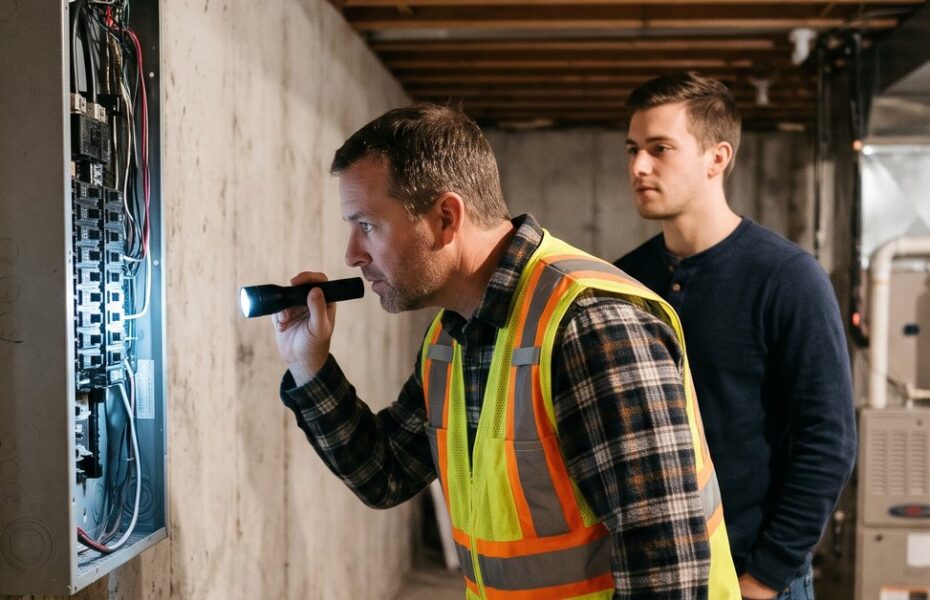
Two different people walk through a house before most purchases close, and buyers mix them up all the time. One is the appraiser. The other is the home inspector. Appraisal vs home inspection comes down to one simple split. The appraiser tells the lender what the home is worth, and the inspector tells you what shape it’s in.
- Who orders each one and who it really works for
- Why an appraiser can miss a problem an inspector would catch
- When to book the inspection and how to vet the inspector
Appraisal vs Home Inspection at a Glance
Both visits involve a professional walking the property with a camera and a clipboard. But that’s about where the similarity ends.
| Appraisal | Home inspection | |
|---|---|---|
| Main question | What is the home worth? | What condition is the home in? |
| Who orders it | The lender, on a mortgage | The buyer |
| Who it protects | Mainly the lender | You |
| Required? | Usually, when you borrow | Usually optional, but strongly advised |
| What you get | A value opinion backed by comparable sales | A list of defects, repairs and aging systems |
What the Appraiser Is There to Do
An appraiser’s job is to support a value. So the visit centers on size, layout, quality, updates and condition, and then the appraiser compares the home with recent nearby sales. We walk through that visit step by step in what happens during a home appraisal, and the comparison side in how appraisers compare homes.
Condition still matters to an appraiser, but only as it affects value and the loan. Fannie Mae’s property condition rules require the appraiser to describe the home’s overall condition. Minor items, like worn carpet, can stay as they are. But problems that affect safety, soundness or structural integrity have to be repaired before the loan can be sold to Fannie Mae.
That same guide says appraisers aren’t responsible for hidden conditions. If an appraiser spots something they can’t evaluate, they can make the appraisal subject to an inspection by a qualified professional. In other words, the appraiser notices problems. Diagnosing them, though, is someone else’s job.
You’ll also get to see the result. On a first mortgage, federal rules require the lender to give you a copy of the appraisal promptly once it’s done, or three business days before closing, whichever comes first.
What a Home Inspector Is There to Do
A home inspector doesn’t care what the house is worth. Their job is to find what’s wrong with it. HUD’s buyer notice, For Your Protection, Get a Home Inspection, says an inspection evaluates the home’s physical condition and estimates how much life is left in the major systems. It also flags items that need repair or replacement.
The same notice is blunt about the difference. It says an appraisal is for the lender and doesn’t replace a home inspection, and that FHA doesn’t guarantee the value or condition of your home. It also passes along the EPA and Surgeon General’s advice that every house be tested for radon, which most inspectors can add.
Expect a longer, more hands-on visit, too. HUD suggests asking the inspector for their standards of practice, since those spell out exactly what they will and won’t check.
Where the Two Overlap and Where They Don’t
Sometimes both people notice the same thing. A water stain on a basement wall is a good example. The appraiser may note it and consider how buyers in the area would react. The inspector, though, will try to trace the source and tell you whether it looks active. Our articles on water damage and home value and mold and your appraisal cover how those issues play out on the value side.
Other times, a problem shows up in only one report. Consider a hypothetical house with a 20-year-old furnace that still runs fine. The inspector may warn you it’s near the end of its life and budget for a replacement. The appraiser may rate the home in average condition and never mention it, because a working older furnace is common in that market and doesn’t move the value much.
Still, neither report is wrong. They simply answer different questions, and that’s why a clean appraisal is not proof the house has no problems.
For Home Buyers, Book the Inspection Before the Clock Runs Out
If you’re buying, the inspection is the one you control, so treat it like a deadline. The CFPB suggests you schedule the inspection as soon as you’ve chosen a home. That gives you time to sort out problems while your contract still protects you.
- Check your contract for an inspection contingency and note how many days it gives you.
- Hire an inspector who answers to you. The CFPB warns that an inspector paid by someone else, or paid only at closing, may play down problems.
- In Illinois, home inspectors are licensed by IDFPR. Run the inspector’s name through the IDFPR license lookup before you book.
- Go to the inspection if you can. Seeing an issue in person also makes the report much easier to read.
- When the appraisal copy arrives, read it next to the inspection report. If the appraiser’s condition notes look off, raise it with your lender.
If the appraisal comes in under your price, the inspection won’t fix that. Our guides on what to do when the appraisal comes in low and the reconsideration of value process cover your options there.
Homeowners Run Into Both Too
You don’t have to be buying to deal with either one. When you sell, the buyer’s inspector will go through your house, and their report can reopen the price talk. Known issues like unpermitted work are better handled before the listing than in the middle of a deal.
Plenty of owners also need a value with no lender involved at all. An estate, a divorce, a tax appeal or a pricing decision can all call for one. Our guide on when you need a home appraisal walks through those situations. An inspection won’t help in any of them, because none of them is asking about repairs.
Book the Inspection Early and Read Both Reports
Keep the split simple. The appraisal answers whether the price makes sense, and the inspection answers whether the house is sound. If you’re buying with a loan, you’ll likely get both, so schedule the inspection first and compare the two reports before your contingency runs out. If you own the home and need a number for your own reasons, an appraisal you order yourself is the one that fits.
Need a Value That Answers to You?
Selling your home or settling an estate? We appraise homes for owners directly, and the report is written for you, not a lender.
Frequently Asked Questions
What is the main difference between an appraisal and a home inspection?
An appraisal estimates what the home is worth, mainly for the lender. A home inspection looks at the home’s physical condition and its major systems, and it’s done for the buyer.
Does an appraisal replace a home inspection?
No. HUD’s own buyer notice says an appraisal is for the lender and does not replace a home inspection. Appraisers also are not responsible for hidden conditions.
Who orders the appraisal and who orders the inspection?
On a mortgage, the lender orders the appraisal. The buyer usually arranges the home inspection and should hire an inspector who answers to them.
Which comes first, the inspection or the appraisal?
The inspection usually comes first, because inspection contingency periods tend to be short. The CFPB suggests scheduling it as soon as you have chosen a home.
Will I get a copy of the appraisal?
Yes, on a first mortgage. Federal rules require the lender to give you a copy promptly after it is completed, or three business days before closing, whichever is earlier.
Home Appraisals From People Who Explain Them
Homeowners come to us when they need a value they can stand behind, whether that’s for a sale, an estate, a divorce or a tax question. We appraise homes in Chicago and Cook County, Dallas-Fort Worth, Philadelphia, Phoenix and Naples. PahRoo Appraisal & Consultancy works from Lincolnwood, and Michael Hobbs, MAI, SRA, signs our Illinois reports. See our appraisal services for the property types we cover.