
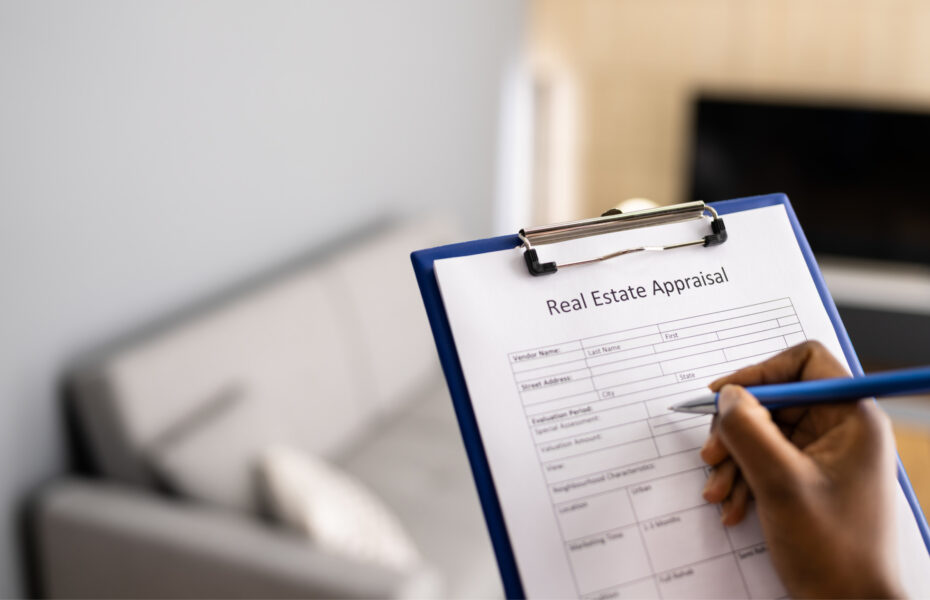
Most people think about an appraisal only when a lender orders one. So when do you need a home appraisal? More often than that, and a few of those moments carry real money, because the number ends up in a tax return, a settlement, or a closing statement.
- Which life events usually call for an appraisal, and which ones don’t
- When the lender handles it and when you order one yourself
- What a buyer can do if the appraisal comes in low
When Do You Need a Home Appraisal for a Mortgage?
If you’re buying with a loan or refinancing, the lender orders the appraisal and you usually pay for it. The report protects the lender’s collateral. It tells them the home supports the loan amount.
That isn’t always the case anymore, though. On some loans, Fannie Mae’s underwriting system can offer value acceptance, which means no appraisal for that transaction. It’s the lender’s option, not yours. Two to four unit buildings and homes priced at $1,000,000 or more don’t qualify. If you’re curious about the trade-offs, we wrote about the risks of skipping the appraisal.
When there is an appraisal, you get to see it. Federal rules under the Equal Credit Opportunity Act require the lender to give you a copy promptly, or three business days before closing if that comes first. You can waive that timing, but think twice before you do.
Buying a Home? Read the Appraisal Before You Close
Buyers often skim the appraisal for one number and move on. Instead, read the whole thing. Check the square footage, the bedroom and bathroom count, and the condition notes. Then look at the comparable sales and ask whether they really match your block.
If the value comes in below the contract price, you have a few paths. You can ask the seller to lower the price, cover the gap in cash, or lean on an appraisal contingency if your contract has one. Your agent or attorney can tell you how many days you have and what the contract allows.
You can also challenge the number. On Fannie Mae loans, a buyer can request one reconsideration of value per appraisal, through the lender, with up to five alternative comparable sales. It has to happen before closing. So gather your sales early, and pick ones that are recent, close by, and similar in size.
Paying cash? No lender means no required appraisal. Still, a cash buyer has the most to lose from overpaying, and an online estimate won’t catch a failing roof. Our piece on Zestimates versus appraisals explains why the two numbers drift apart.
Dropping PMI Before It Ends on Its Own
If you put down less than 20 percent on a conventional loan, you’re probably paying private mortgage insurance. According to the Consumer Financial Protection Bureau, you can ask your servicer to cancel it once your balance reaches 80 percent of the home’s original value. The servicer can ask for evidence, such as an appraisal, that the value hasn’t dropped below that original figure.
PMI also ends automatically at 78 percent of original value if you’re current on payments. Your servicer, or investors like Fannie Mae and Freddie Mac, may allow earlier removal under their own guidelines. Before you pay for a report, call your servicer and ask which appraisers and report types they accept. If they’ll take an independent report, PMI removal is one of the residential assignments we handle across Chicago.
Inheriting, Settling an Estate, or Gifting a Home
This is where a lot of families get caught. When you inherit a house, IRS Publication 551 says your basis is generally its fair market value on the date of death. An alternate valuation date can apply if the estate’s representative elects it. That basis affects the tax when you sell, so a documented value matters even if you plan to sell quickly.
The appraisal in that case looks backward. It values the home as of the date of death, sometimes months or years later. Our guides on appraisals for inherited property and the date-of-death appraisal walk through how that works.
Gifts follow different basis rules, tied to what the giver paid. A donation to charity brings its own qualified appraisal requirements. Either way, your CPA should weigh in on the tax side before the deed changes hands.
Divorce, Buyouts, and Splitting a Home
When a marriage ends and one spouse keeps the house, the buyout number usually starts with an appraisal. The attorneys or the court set the valuation date, and the appraiser values the home as of that date. If both sides hire their own appraisers, the reports often differ, and the gap becomes part of the negotiation. Once you have a value, our marital home buyout calculator gives a rough sense of the payment after the mortgage and other liens.
The same logic applies when siblings split an inherited home or co-owners part ways. One person keeps the property, and everyone needs a value they can trust. We cover this in more depth in appraisals in divorce proceedings and our article on marital home buyouts.
Appealing a Property Tax Assessment
If your assessment notice looks high, you can appeal. In Cook County, the Board of Review hears appeals from owners who believe their property is over-valued. An appraisal is one of the stronger pieces of evidence you can bring, especially when your home differs from what the assessor’s model assumed. Our Cook County Board of Review guide covers timing and what the Board looks at.
Selling Without Guessing
Nobody requires a seller to get an appraisal. But a pre-listing appraisal can keep you from pricing too high and sitting, or too low and leaving money behind. It also gives you a head start if the buyer’s appraisal comes in short. Here’s how appraisers help sellers price a home.
Start With Why You Need the Number
The reason drives everything else. A lender’s appraisal answers the lender’s question, at the date of inspection. An estate, a divorce, or a tax appeal usually needs a different date and a report written for that purpose. So before you order anything, know who will read the report and what date the value has to match. Then ask the appraiser to build the assignment around that.
Not Sure Which Appraisal Fits Your Situation?
Tell us what happened, whether it’s an inheritance, a buyout, PMI, or a tax notice, and we’ll scope the right report and the right date of value.
Frequently Asked Questions
Do I need an appraisal if I’m paying cash for a home?
No lender means no required appraisal. Many cash buyers still order one because they carry all the risk if they overpay, and an independent appraiser looks at condition and local sales that online estimates miss.
Can I get a copy of my lender’s appraisal?
Yes. For a first mortgage on a home, federal rules require the lender to give you a copy promptly after it’s done, or three business days before closing if that comes first. You can waive the timing, but reading it early gives you time to spot errors.
What can I do if the home appraisal comes in low?
You can renegotiate the price, cover the difference, or use an appraisal contingency if your contract has one. On Fannie Mae loans, you can also request one reconsideration of value per appraisal through your lender before closing, with up to five alternative comparable sales.
Can I reuse my mortgage appraisal for an estate or divorce?
Usually not. A mortgage appraisal answers the lender’s question as of the inspection date. Estates and divorces typically need a value as of a different date, in a report written for that purpose, so a new appraisal is the safer route.
Do I need an appraisal to remove PMI?
Often, if you ask to cancel it early. The CFPB says you can request cancellation once your balance reaches 80 percent of the original value, and the servicer can ask for evidence, such as an appraisal, that the value hasn’t dropped. Check with your servicer before ordering one.
About PahRoo Appraisal & Consultancy
Whatever brought you here, an inheritance, a buyout, or a tax bill, PahRoo starts by pinning down the purpose and the date of value, then builds the report around them. We’re headquartered in Lincolnwood and also serve Dallas, Philadelphia, Phoenix, and Naples, with residential, commercial, litigation support, and property tax appeal work. See our Chicago real estate appraisal services or learn more about our team.