Our blog

Latest news
& events

Charging Bull sculpture on Wall Street framed by summer sunlight with a slight sun flare, symbolizing market momentum.
Wall Street Summer Sizzle: Navigating the Season’s Market Trends
Summer Slowdowns: What’s Really Happening on Wall Street?

Markets Climb, Trade Tensions Ease, and Blockbuster Deals Lead the Headlines

Wall Street has seen another exciting day, and there are no indications that the markets will slow down anytime soon. U.S. stocks are still rising steadily; SPY is up 0.2%, QQQ is up 0.4%, and IWM is up 0.5%. U.S. Treasury yields are also declining, with the 10-year leveling off at 4.38% and the 2-year at 3.9%. With commodities on a tear—gold up 0.3%, copper up 0.2%, crude oil up 0.6%, and natural gas up an impressive 5.5%—it appears that investors are more than willing to take on a little risk.

As everyone awaits tomorrow’s crucial FOMC meeting, the US dollar (DXY Index) is up 0.4% in the currency market. Bitcoin, meanwhile, is still near its all-time high of $118.8K.

It appears that the controversy surrounding tariffs is finally subsiding on the international scene. Talks with India have been given more time, and today was the second day in a row that the United States has been in Stockholm for trade talks with China. The so-called “tariff hysteria” may finally be waning, according to U.S. Trade Representative Greer. The economic advantages of completed trade agreements and pledges for domestic investment may soon be the focus of attention.

Volatility, Seasonality, and Investor Behavior

Not to be overlooked is earnings season, which never fails to provide enjoyable surprises. As of right now, 32% of S&P 500 companies have released their Q2 earnings; an astounding 77% of them have exceeded consensus EPS estimates, which is significantly higher than the 73% average over the previous four quarters. Additionally, revenues are surpassing projections: 75% of businesses are exceeding estimates, up from 60% in the previous year. Particularly noteworthy are industries like financials, consumer discretionary, and industrials.

Acquisitions and mergers have been booming. Baker Hughes outbid Flowserve with a daring $13.6 billion bid for Chart Industries. Another big story: Union Pacific recently agreed to pay $85 billion in cash and stock to acquire Norfolk Southern. Larger, billion-dollar-plus deals drove a 26% increase in deal value in the first half of 2025, despite a 12% decline in the number of U.S. deals compared to the same period last year. That’s encouraging because it shows that businesses are still self-assured and willing to take calculated risks.

The IPO pipeline is still robust, as if all of that weren’t enough. As they prepare to go public, Stripe and Databricks, two of the most anticipated offerings, are both aiming for valuations above $50 billion.

Overall, as we enter the peak of summer trading, investors have a lot to be hopeful about, including strong equity gains, a calming of trade fears, blockbuster deals, and an IPO calendar to keep an eye on.

Final Thoughts: Riding the Summer Sizzle with Strategy

While Wall Street’s summer movements may seem unpredictable, understanding the trends and the forces behind them can offer a strategic edge. Whether you’re a seasoned investor or just keeping an eye on market rhythms, staying informed is key. If you’re particularly interested in how broader economic shifts are influencing local real estate trends, check out our ongoing Chicago Real Estate Market Insights for in-depth updates.

For a deeper dive into historical summer trading patterns and expert seasonal strategies, we recommend this comprehensive analysis from CNBC’s Market Trends section, a trusted source for up-to-the-minute financial news.

As always, markets may heat up, but smart investing stays cool.

How Scott Voltz Built an Appraisal Business That Stands the Test of Time
What does it take to stay in the appraisal industry for five decades and still love what you do?
In this powerful episode of Appraisers on Purpose, Michael Hobbs sits down with veteran appraiser and investor Scott Voltz, who shares a lifetime of lessons, including how he built a thriving appraisal business from the ashes of the 1989 banking crisis.
From Accidental Landlord to Industry Leader


Scott’s story begins with a chance real estate purchase at 22 years old, sparked by a missed turn and a for-sale sign on a weed-covered house. That experience set him on a journey that would weave through real estate syndication, investment, and ultimately, a passion-fueled appraisal practice. I was reviewing MAI reports and thought, I’m already doing this,” Scott recalls. That realization launched his decades-long career as a respected appraiser.
The Power of Geographical Specialization


One of Scott’s most game-changing decisions? Becoming the northernmost MAI in Los Angeles County. At a time when most appraisers chased work all over, Scott doubled down on local dominance. That strategy paid off, especially after the Northridge earthquake in 1994, which made him the go-to expert when others couldn’t reach the area.

I said, ‘Hi, I’m Scott Voltz and I’m going to dominate this area.’ And I did.


Scott proves that building authority in a niche market especially one underserved by competitors is a timeless success formula.

Why Appraisal Is More Than a Job
Scott sees appraisal not just as work, but as a profession rooted in trust, knowledge, and contribution. In fact, he shares that appraisers were mentioned in the Book of Leviticus, where priests were trusted to assign value to donated land.

If you treat it like a job, it’ll be a job. But if you treat it like a profession, you’ll grow and succeed.


Scott’s perspective is both refreshing and energizing, especially for younger appraisers seeking staying power in a fast-changing market.

Get inspired by one of the most grounded and hopeful episodes yet. Whether you’re early in your career or rebuilding in a shifting market, this one’s for you.

Enjoyed Scott Voltz’s story?

Don’t miss out on more inspiring journeys and practical insights from leaders in the appraisal world. Listen to the Appraisers on Purpose podcast on Spotify or subscribe to our YouTube channel to catch every new episode. Your next breakthrough might just start with a listen.


If you’re Interested in starting your own appraisal business or looking for mentorship, contact the Pahroo team to learn more about commercial and residential real estate appraisal in Chicago.
 
Real estate appraiser working alone in a home symbolic of isolation in the appraisal profession
Why Most Appraisers Are Flying Solo and What We Can Do About It


In today’s evolving housing market, many real estate appraisers are flying solo and it’s starting to take a toll on both the profession and the professionals. In this episode of Appraisers on Purpose, we sit down with Susan Alley, a reviewer, former staff appraiser, business owner, and industry advocate who brings wisdom, warmth, and a sharp eye for what’s missing in today’s profession.

Appraising isn’t just technical — it’s personal.
And for many of us, it’s also isolating.

But does it have to be?

From glue-sticking reports in the office to building a nationwide compliance review firm, Susan’s story is real, relatable, and full of insights for appraisers at every stage of their journey.

🎙️ What You’ll Learn:

  • Why most appraisers are still working solo — and why that’s a problem
  • How reviewing hundreds of reports gave Susan a powerful “aha” moment
  • What every trainee should experience before ever setting foot in a house
  • The reality of tech changes, UAD updates, and industry burnout
  • Why “being nice” might be the most undervalued skill in appraisal

“There is no perfect appraisal. But there’s always a way to get better — and it usually starts with connection.” — Susan Alley

▶️ Watch the Episode:

Whether you’re a seasoned appraiser or just starting out, this conversation will challenge how you think about connection, compliance, and what it really means to build a career with purpose.

If you’re an appraiser looking to connect or grow professionally, our real estate appraisal services offer insight into both the technical and relational sides of the work. Whether you’re flying solo or building a team, the right support can make all the difference.

Listen on Spotify

Get in touch with us!


P.S. If you’re looking to feel less alone, stay sharp, and help shape the future of our industry — don’t miss this one.


Suburban neighborhood with red HOA risk sign, representing potential impact of homeowners associations on property value.
Can Your HOA Kill Property Value? 5 Things Every Homeowner Must Know

Your home might be your biggest investment — but what if the HOA is quietly killing its value?

Whether it’s aggressive rules, financial mismanagement, or lawsuits, some HOAs can seriously damage your resale price. Here’s what you need to know before it’s too late.

The Hidden Power of Your HOA

Most homeowners don’t realize how much influence an HOA has over their home’s market appeal. From enforcing neighborhood standards to managing shared spaces, HOA actions (or inactions) can shape how buyers and appraisers view your property.

Real Examples of HOAs Hurting Property Value

  • Ongoing lawsuits can scare away lenders and buyers
  • Strict rental or pet rules shrink your buyer pool
  • Deferred maintenance in common areas pulls down condition ratings for every unit

These issues don’t just affect perceptions. They can directly influence your home’s appraised value.

Appraiser Perspective: What We Look For

As appraisers, we consider more than just your home’s interior. If the HOA is underfunded, facing litigation, or showing signs of poor management, it can reduce demand and reduce value.

“A struggling HOA doesn’t just impact one unit. It creates a ripple effect that appraisers and buyers both notice.”

What You Can Do as a Homeowner

  • Attend HOA meetings and ask questions
  • Request and review financial statements before buying
  • Watch for large planned assessments or legal red flags
  • Talk to neighbors about their experience with the HOA

When to Call an Appraiser

If you’re unsure how your HOA might be impacting your home’s value, a professional appraisal can give you clarity. Pre-listing appraisals can uncover issues before they derail a sale.

Need help? We’ve got your back.

At PahRoo Appraisal & Consultancy, we’ve appraised thousands of properties in HOA-managed communities. We know what to look for and how to make sure you’re not blindsided when it matters most.

Get in touch with us today for a consultation or pre-listing appraisal and protect your home’s value.

Want more insights into how property value is shaped by hidden factors like HOAs, zoning, and market trends?

Subscribe to our podcast, Appraisers on Purpose
Or visit our YouTube channel @PahRooZings

We regularly feature real estate experts, appraisers, and professionals shari3ng actionable advice to help you protect your investment and make informed property decisions.


Michael Hobbs is the President of PahRoo Appraisal & Consultancy LLC, a leading Chicago-based firm providing residential and commercial real estate valuation services for over 25 years.


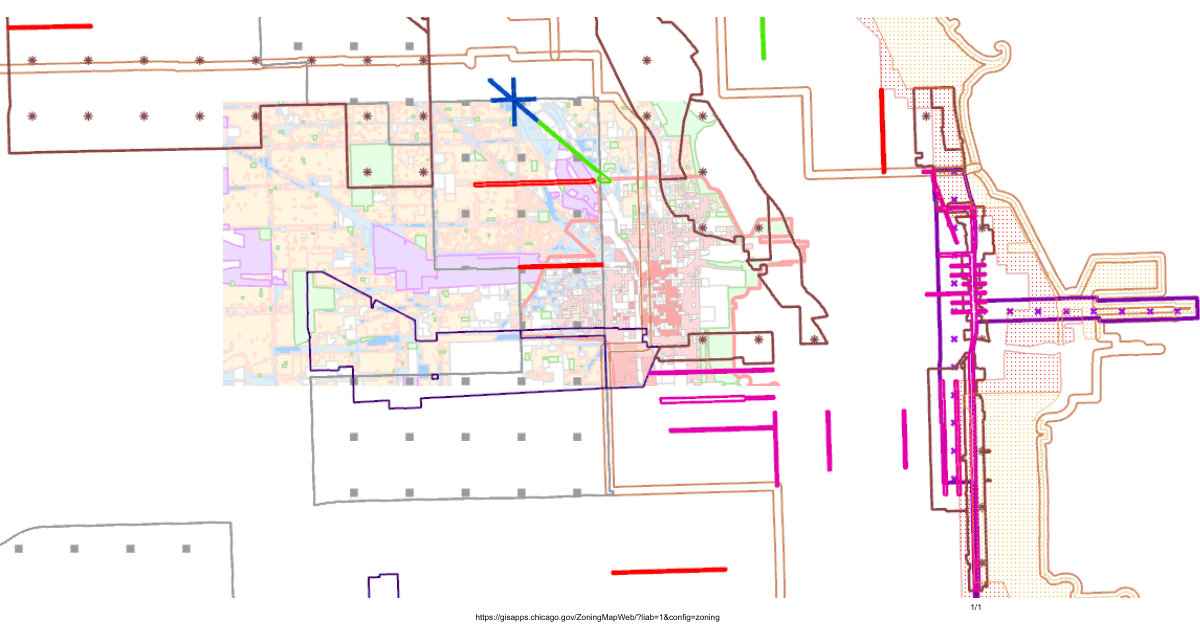
Zoning map overlay demonstrating impact on property values in Chicago
Zoning: The Most Boring Topic That Can Change Everything

You might think zoning is just lines on a map, but it’s the invisible lever that drives hundreds of thousands (even millions) in property value.

Skip this topic, and you may underestimate or overprice assets by massive margins.

Real Stories: Zoning = Money
1. The Big Boost: Wyndham Vale, Australia

In Wyndham Vale, a rural-to-residential rezoning added AU$280 million in value to one 897-acre site. That’s nearly US$190 million in upside—all from a zoning change.

Source: Reserve Bank of Australia

What this means for you: Even a small parcel in an unassuming Chicago suburb could hold a hidden $200K–$500K swing depending on zoning potential.

2. Duplex Gold Mine: Arlington, VA

Arlington allowed duplexes in single-family zones. One teardown bought for $570K was split into two units projected to sell at $1.2M each.

Value unlocked: ~$630K increase from zoning shift alone.

Source: Washington Post

3. Housing Price Shock: Major Metros

Studies show zoning restrictions inflated home prices in Sydney & Melbourne by up to 69%. That’s $150K–$400K baked into every home due to policy—not property.

Source: Cato Institute

Why This Matters in 2025
  • Chicago & Cook County: Exploring transit-oriented and middle-housing zoning reform.
  • Phoenix (AZ), Tampa (FL), Dallas (TX): Growth markets experimenting with higher density.

Zoning changes are active—not theoretical. A rezoning today can reshape value tomorrow.

What Appraisers & Realtors Should Do
Role What to Watch Why It Matters
Appraisers Policy meetings, zoning board agendas, draft maps A variance can 10x a site’s highest and best use
Realtors/Investors Look for underutilized properties near zoning reform zones Buy before zoning shifts hit public comps
General Audience Stay informed on local planning efforts Even your backyard might be worth more than you think
Final Thought: Making the Invisible Visible

Zoning appears dull, but it’s the hidden force that can convert hayfields into neighborhoods and C-grade properties into six-figure jackpots. Whether you’re valuing or advising, ignore zoning at your peril.


Evaluating a property near a growth zone? Let’s uncover hidden upside together.

Contact us today to make smarter, zoning-savvy real estate decisions.

Luxury real estate interior with high-end finishes and Smart home features
Luxury Real Estate Unveiled

What’s Record-Breaking Home Sales Mean for Your Property Value

Looking to understand what’s driving the luxury real estate market—and why accurate appraisals matter more than ever? Let’s take a closer look at the latest trends from April’s ultra-premium home sales. Whether you’re a homeowner, buyer, or investor, these insights can help you make smarter, more confident decisions.

The Pulse of Luxury: Top 10 Most Expensive Home Sales

April was a blockbuster month for luxury real estate, with the nation’s 10 most expensive home sales clustered in just three iconic markets: coastal Florida, Beverly Hills, and Manhattan’s Billionaires’ Row. What does this mean for you? These hot spots are setting the pace for high-end property values across the country.

Where the Action Happened

Coastal Florida: Six of the top 10 sales took place here, including the show-stopping $133.2 million deal for 2200 Gordon Dr. in Naples. Waterfront properties continue to command sky-high prices, despite weather risks—proof that location and exclusivity are everything.

Beverly Hills, California: The glitz and glamour are alive and well, with two estates selling for $60 million and $51.8 million. Beverly Hills remains a beacon for luxury buyers seeking privacy and prestige.

Manhattan’s Billionaires’ Row: Two luxury condos closed out the top 10, each fetching nearly $47 million. High-rise living with world-class amenities is still in demand among global elites.

The Numbers Tell the Story

Half of April’s top sales were above $50 million AND Every property sold for at least $40 million.

Naples, FL set the bar with the nation’s highest sale at $133.2 million.

Why This Matters

When homes are trading at these levels, precision in valuation is critical. Here’s why:

Unique Properties, Unique Challenges: Ultra-luxury homes often have few direct comparable. That’s where expert appraisals come in ensuring sellers don’t leave money on the table, and buyers invest with confidence.

Market Momentum: With so much activity concentrated in a handful of markets, understanding local trends is key. An accurate appraisal reflects not just the property, but the pulse of the neighborhood.

Risk and Reward: Even in areas facing climate risks, buyers are undeterred. This underscores the importance of factoring in both tangible and intangible value drivers like location, amenities, and future potential when determining a home’s true worth.

Ready to Navigate the Luxury Market?

Whether you’re considering a sale, a purchase, or an investment, a professional appraisal is your best tool for clarity and confidence. Let’s talk about how we can help you unlock the real value of your property because in today’s fast-moving luxury market, knowledge is your greatest asset.

Curious about your home’s value or the latest high-end market trends? Reach out today for a personalized appraisal consultation. Let’s confidently make your next purchase or acquisition!

Contact our experts now!

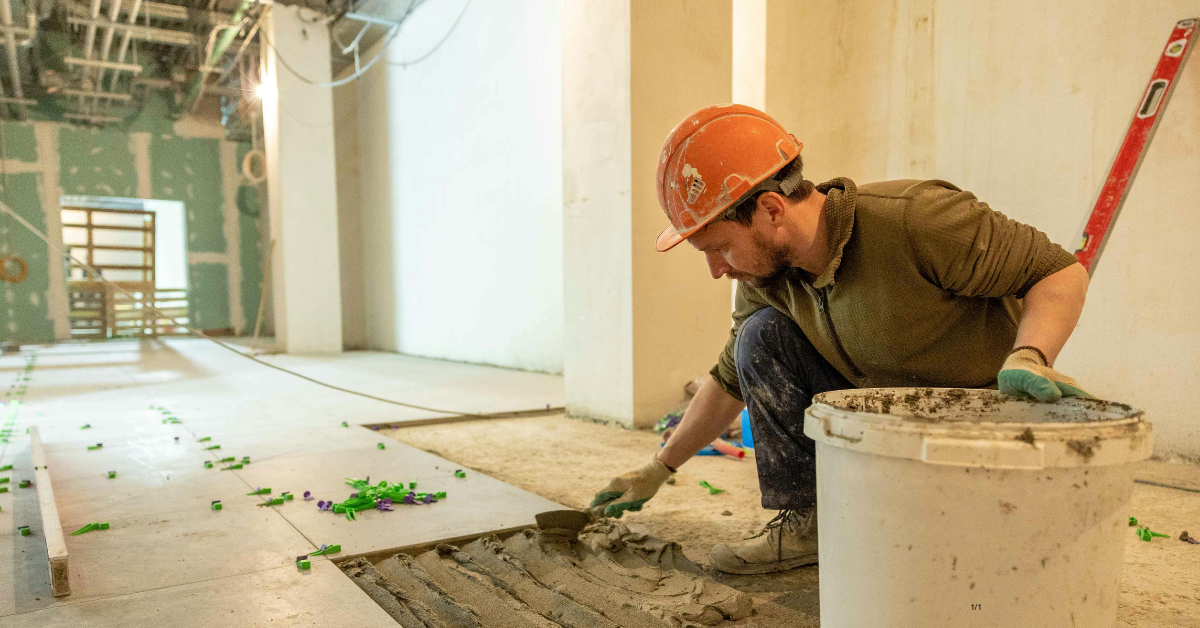
Home interior showing durable upgrades that boost value in 2025
The 5 Upgrades That Actually Boost Property Value in 2025
Thinking about renovations?

The key isn’t in flashy finishes, it’s in upgrades that add real value. Appraisers and buyers alike now prioritize practical, lasting improvements that impact usability and efficiency. In this blog, we uncover the 5 upgrades that boost home value in 2025, from energy-saving systems to functional layouts that support modern living

Will this upgrade actually raise my property value?

In 2025, the market is smarter and more cautious than ever. Buyers want function, not flash. Appraisers? We look past the granite countertops to what truly counts.

What You Can Start Doing Today

You don’t need a massive budget to begin boosting your home’s value. Small, smart steps now can set you up for long-term gains.

1. Energy-Efficient Systems

What it is: Smart thermostats, solar panels, upgraded insulation, efficient HVAC

Why it adds value: Lower utility bills = long-term savings for buyers. Eco-conscious homes sell faster and often at a premium.

Pro Tip: Look for ENERGY STAR certifications when replacing systems.

2. Finished Lower Levels or ADUs

What it is: Finished basement, legal in-law suite, or detached guest house

Why it adds value: It increases usable (and rentable) square footage. Appraisers factor that in and so do investors.

Pro Tip: Ensure code compliance and proper permits to maximize appraisal value.

3. Updated Major Systems

What it is: New roof, plumbing, electric panel, foundation work

Why it adds value: These upgrades reduce buyer risk. No one wants a fixer-upper surprise post-closing.

Pro Tip: Keep records of installations and warranties to support appraisal documentation.

4. Functional Layout Improvements

What it is: Removing awkward walls, adding a second bath, improving bedroom access

Why it adds value: Flow matters more than fashion. A home that “lives better” appraises better — period.

Pro Tip: Consult an architect or designer for minor layout changes that have a major impact.

5. Curb Appeal That’s Built to Last

What it is: Quality siding, new windows, clean landscaping, modern doors

Why it adds value: Buyers form opinions before stepping inside. Exterior upgrades are both.

Pro Tip: Avoid over-personalized landscaping that might deter future buyers.

Why These Upgrades Work in 2025

In today’s market, both appraisers and buyers are looking for practical value. Aesthetics matter, but functionality and efficiency drive higher valuations. These five upgrades provide lasting returns financially and in livability.

What You Can Start Doing Today

You don’t need a massive budget to begin. Here’s how to take the first steps:

  • Schedule a home energy audit to identify savings opportunities.
  • Plan one project per quarter to upgrade essential systems.
  • Consult with a local appraiser to understand which improvements matter most in your neighborhood.
Final Thoughts

If you’re investing in home improvements, make them count. The best upgrades are the ones that blend smart functionality with lasting value. These five strategies are not just trends, they’re the future of homeownership in 2025.

Want tailored advice before your next renovation? Contact PahRoo Appraisal & Consultancy today for expert appraisal services, local market insights, and data-backed guidance tailored to your real estate goals.

Prefer to watch instead? Visit the PahRoo YouTube channel for videos on home appraisals, real estate insights, and expert renovation tips.

Side-by-side comparison of a Zestimate and professional home appraisal in Chicago, Dallas, and Philadelphia
Zestimate vs Appraisal: Which One Tells the Truth About Your Home’s Value?

Zillow might say your home is worth $625,000.
Your neighbor claims $700,000.
A professional appraiser? Comes in at $580,000.

So… who’s right?

Welcome to the world of Zestimates — algorithm-driven price estimates that can shape expectations and sometimes derail real estate deals. In 2025’s competitive market, relying solely on a Zestimate could cost you time, money, and opportunities.

The Problem with Zestimates

Zestimates use algorithms that pull public records, recent sales, and statistical modeling. While this sounds advanced, there are serious gaps:

  • No property-specific inspection — Zestimates don’t consider the condition of your home.
  • No awareness of unique location factors — Many assume nearby homes are identical, even when they’re on a busier street or zoned differently.
  • Assumes nearby homes are the same — Renovations, layout changes, or deferred maintenance often go unnoticed.

It’s like diagnosing a health issue using a generic online search — you might get a rough idea, but would you stake thousands of dollars on it?

What a Professional Appraisal Delivers That Zestimates Miss

Licensed appraisers provide a detailed, in-person, and market-specific assessment. We look at:

Property Condition: Roof age, HVAC status, flooring quality, and any repairs or upgrades.

Neighborhood Nuance: Position on the block, proximity to amenities, and local demand patterns.

Market Trends: Real-time pricing from the MLS and confirmed, closed sales.

Impact of Upgrades: Knowing which improvements add value versus those that are cosmetic.

Appraisals are backed by expertise, market insight, and regulatory standards — something an algorithm cannot match.

Why It Matters More Than Ever in 2025

Real estate in 2025 is anything but stable. Interest rates fluctuate, inventory is tight, and price sensitivity is higher than ever.

  • Sellers who overprice based on a Zestimate often sit on the market for weeks or take a price cut.
  • Buyers risk overpaying, and appraisals coming in low can kill deals.
  • Lenders must comply with regulatory standards,  they rely on licensed, certified valuations.

Remember: Zestimates are not legally defensible.
Appraisals are.

The Smart Next Step for Homeowners and Buyers

If you’re planning to sell, buy, or refinance, skip the guesswork:

  1. Get a pre-listing appraisal to price your home right the first time.
  2. Rely on real, local data not neighborhood rumors.
  3. Work with trusted professionals who know the market inside and out.

Work With Chicago, Dallas, and Philadelphia’s Trusted Appraisal Experts

At PahRoo Appraisal & Consultancy, we’ve helped thousands of clients in Chicago, Dallas, and Philadelphia get accurate, reliable home appraisals. Our team combines years of market expertise with thorough, property-specific assessments.

📞 Contact us today to discuss your property and book your professional appraisal.
Click here to get started →

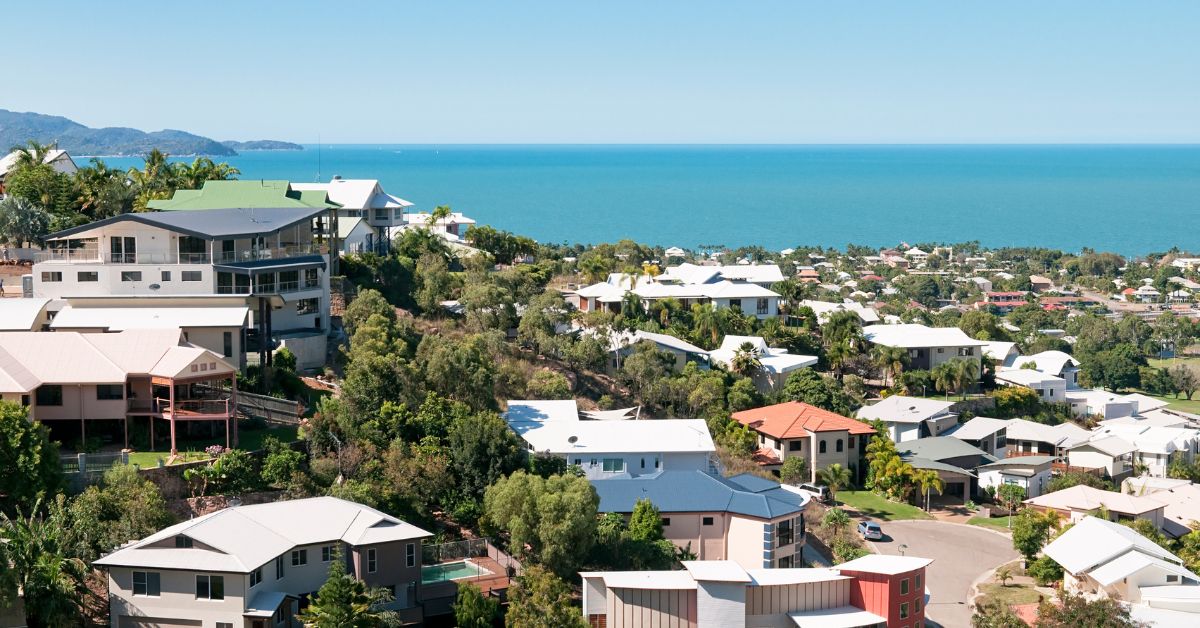
Urban coastal neighborhood with modern homes and ocean view, representing factors considered in urban property appraisals
Rural vs. Urban Appraisals: Why They’re Completely Different Beasts

Rural vs Urban Appraisals: Why Being Local Makes All the Difference

When people hear the word appraisal, they often picture a clipboard, a calculator, and a real estate pro measuring square footage.

But did you know that a downtown condo and a farmhouse with a barn need totally different approaches?

That’s because urban and rural appraisals aren’t just about location, they’re about two completely different ways of thinking about value.

City Living: Urban Appraisals at a Glance

In the city, appraisers are spoiled (kind of). There’s a high volume of recent sales, meaning:

  • You can find comparable properties (comps) within a few blocks.
  • Square footage, number of bedrooms, and condo amenities drive value.
  • Adjustments are minimal—because everything’s similar.

Example:
Appraising a 2-bed condo in downtown Chicago?
You’ll likely find 5+ sales in the same building within the last year. Easy peasy.

Country Life: The Rural Appraisal Challenge

Now let’s head to the countryside.

Fewer homes. Fewer sales. More variables. Welcome to rural appraising.

  • You might have to go 10–20 miles to find comps.
  • You’re not just valuing the house—you’re valuing the land, outbuildings, septic systems, and even well access.
  • Adjustments get creative (and must be defensible).

Example:
You’re appraising a 10-acre ranch with a pole barn, private lake access, and a partially finished second structure.
Good luck finding a perfect comp. It doesn’t exist.
You’ll need to blend cost, market, and income approaches just to land on a value.

So What Actually Changes?
Factor Urban Appraisal Rural Appraisal
Comps Recent, nearby, similar units Sparse, distant, often imperfect
Value Drivers Square footage, updates, location Land size, ag use, outbuildings, utilities
Methodology Sales comparison w/ tight adjustments Sales + cost approach + HBU logic
Biggest Challenge Standing out in a crowded market Justifying value with limited data
Urban Appraisals = Precision | Rural Appraisals = Flexibility

Think of it this way:

  • Urban appraisal is like playing chess with clear rules and tight strategy.
  • Rural appraisal is like building a puzzle when some pieces are missing and you have to carve a few yourself.
It takes skill. And patience.
Appraisers Need Local Smarts

A rural property can’t be appraised by just any appraiser.

You want someone who:

  • Understands agricultural land and zoning
  • Knows the value of things like fencing, grain silos, or livestock buildings
  • Can defend comps that are 18 months old and 15 miles away

Urban appraisers, meanwhile, live and breathe neighborhoods, walkability, and micro-markets.

Both roles are skilled—but they’re very different games.

FAQ

Q: Why are there fewer comps in rural areas?
A: Simply put—fewer properties and fewer transactions. Some towns might only see a handful of sales a year.

Q: Can you use comps from other counties in rural appraisals?
A: Sometimes, yes. As long as the market dynamics are similar and it’s justified.

Whether you’re buying in the heart of the city or out where the nearest neighbor is a mile away, understanding how appraisals work can make all the difference in your negotiations and investment decisions. By knowing what factors matter most in both rural and urban settings, you’ll be better prepared for your next property transaction.

If you’re ready to explore your property’s true market value, connect with our Chicago, Dallas and Philadelphia appraisal experts today. You can also dive deeper into related topics like how zoning can change property value and what factors influence a home appraisal to strengthen your real estate knowledge.

NEWSLETTER

Knowing a property's true value is key
to making informed real estate decisions

Visit us

7383 Lincoln Ave Suite,
#100 Lincolnwood, IL, 60712