Our blog

Latest news
& events

Real Estate Investment Mistakes to Avoid (And How to Invest Smarter!)

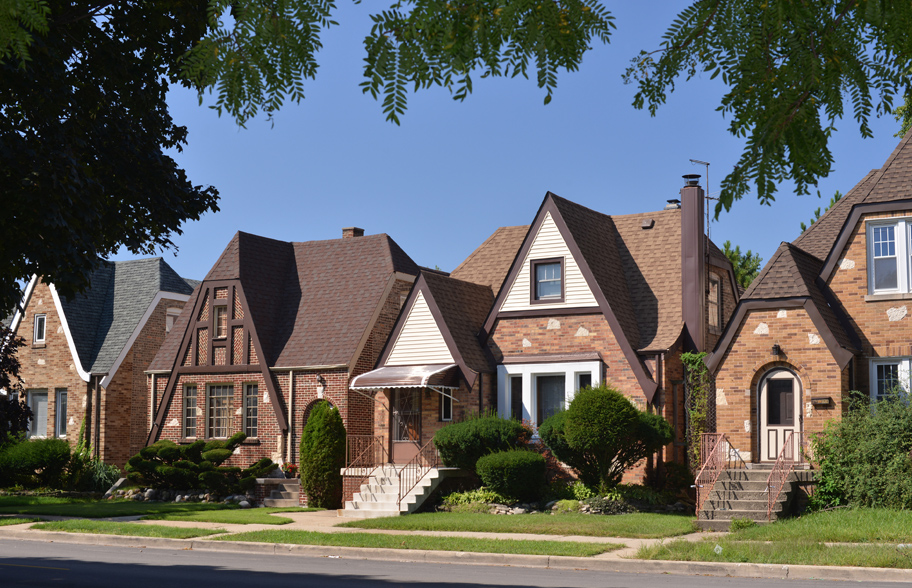
Investing in real estate is one of the best ways to build wealth, but it’s not without risks. Many investors make costly mistakes that could have been avoided with proper planning and research. Whether you’re a first-time investor or looking to expand your portfolio, knowing what NOT to do is just as important as knowing what to do.

Here are the biggest real estate investment mistakes to avoid:

1. Skipping Due Diligence

The Mistake: Not researching the property, neighborhood, or market trends before investing.

Why It’s a Problem: Without proper research, you may overpay, buy in a declining market, or face unexpected legal and structural issues.

What to Do Instead:

  • Research local market trends, property values, and rental demand.
  • Get a home inspection to uncover potential issues.
  • Check zoning laws and property history.
2. Overestimating ROI

The Mistake: Assuming your investment will always appreciate or generate high rental income.

Why It’s a Problem: If your expectations are unrealistic, you could end up with lower cash flow or even losses.

What to Do Instead:

  • Run the numbers with realistic rental income and expense projections.
  • Factor in vacancy rates and potential repairs.
  • Compare similar properties in the area to set reasonable expectations.
3. Ignoring Hidden Costs

The Mistake: Only considering the purchase price and mortgage without factoring in additional costs.

Why It’s a Problem: Expenses like property taxes, insurance, repairs, and maintenance can quickly add up and eat into your profits.

What to Do Instead:

  • Create a detailed budget including property management fees, maintenance, HOA fees, and taxes.
  • Have a reserve fund for unexpected expenses.
4. Not Having an Exit Strategy

The Mistake: Investing without a clear plan for selling or exiting if the market shifts.

Why It’s a Problem: Markets can change, and if you’re not prepared, you could end up stuck with an underperforming asset.

What to Do Instead:

  • Decide whether you’re flipping, renting, or holding for long-term appreciation.
  • Have multiple exit strategies in case your initial plan doesn’t work out.
5. Choosing the Wrong Financing

The Mistake: Taking on a risky loan or over-leveraging your investment.

Why It’s a Problem: High-interest loans, adjustable-rate mortgages, or too much debt can lead to financial struggles if the market shifts.

What to Do Instead:

  • Compare mortgage options and choose the right loan for your investment strategy.
  • Keep your debt-to-income ratio in check.
  • Work with a financial advisor to ensure smart financing decisions.
6. Underestimating Property Management

The Mistake: Thinking you can manage everything yourself without considering time and expertise.

Why It’s a Problem: Poor property management can lead to unhappy tenants, high turnover, and expensive maintenance issues.

What to Do Instead:

  • Decide if you’ll manage the property yourself or hire a property management company.
  • Set up systems for tenant screening, rent collection, and maintenance requests.
7. Letting Emotions Drive Decisions

The Mistake: Buying a property because you “love it” instead of analyzing the numbers.

Why It’s a Problem: Emotional decisions can lead to overpaying or choosing a property that doesn’t provide a good return.

What to Do Instead:

  • Focus on profitability and market data, not personal preference.
  • Stick to your budget and investment criteria.
8. Not Diversifying Your Portfolio

The Mistake: Investing all your money into one property or market.

Why It’s a Problem: If the market declines or a tenant leaves, your income could suffer.

What to Do Instead:

  • Consider investing in different types of properties (residential, commercial, multi-family, etc.).
  • Look at different geographic locations to reduce market risk.
9. Neglecting Legal & Tax Considerations

The Mistake: Not structuring your investments properly or misunderstanding tax implications.

Why It’s a Problem: Poor legal setup can lead to liabilities, and tax mistakes can result in penalties or lost deductions.

What to Do Instead:

  • Set up an LLC or legal entity for liability protection.
  • Work with a real estate tax professional to maximize deductions and stay compliant.
10. Rushing the Purchase

The Mistake: Jumping into an investment without properly evaluating the deal.

Why It’s a Problem: Impulse buys can lead to bad deals, overpriced properties, and regret.

What to Do Instead:

  • Take your time to analyze the deal, market trends, and potential risks.
  • Get a second opinion from a trusted real estate expert.

Real estate investing can be highly profitable, but only if you avoid these common mistakes. The key is to educate yourself, do your research, and plan for different scenarios.

Avoiding common real estate investment mistakes is crucial for building long-term wealth. By educating yourself and making informed decisions, you can navigate the complexities of the market and achieve your investment goals.

Ready to make smarter investment choices? Contact PahRoo Appraisal & Consultancy today for expert insights and accurate valuations tailored to your needs.

The Most Expensive Streets in the U.S. – How Much Would You Pay?

Would you pay $20 million just for an address? These streets aren’t just expensive, they’re legendary. Owning a home on one of these ultra-exclusive roads means more than just having a roof over your head; it’s about status, luxury, and an elite lifestyle. Let’s take a tour of the most expensive streets in the U.S., where the homes are jaw-dropping, and the price tags are even more shocking!


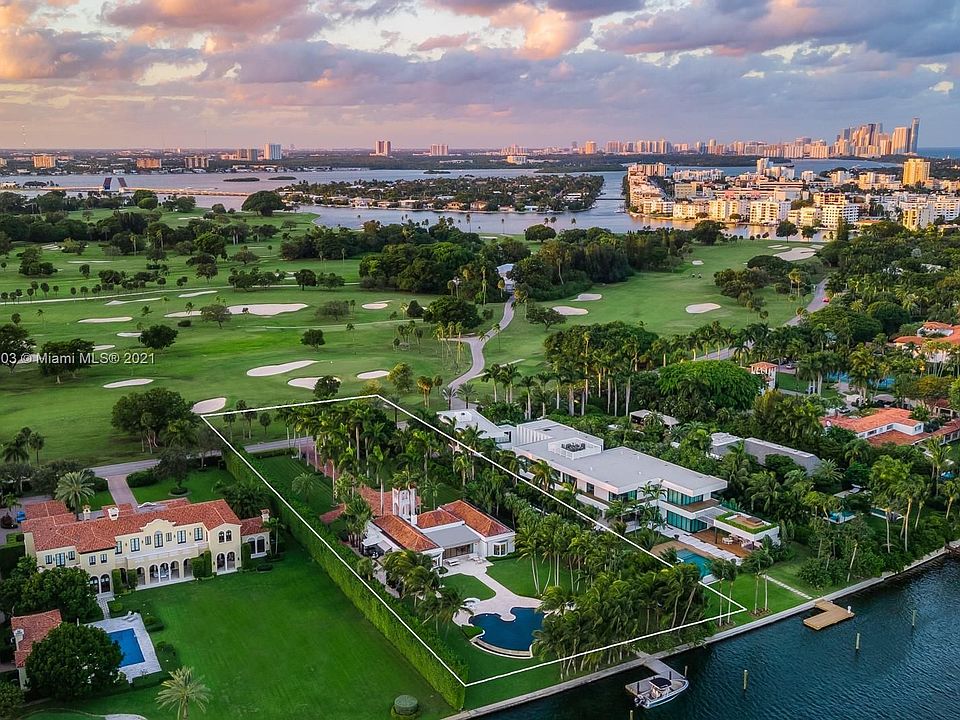
1. Indian Creek Island Road, Florida – “Billionaire Bunker”

Median Home Price: $21.48 million

Located in Miami-Dade County, Indian Creek Island Road is often called “Billionaire Bunker.” Why? Because it’s home to some of the wealthiest people in the world, including business moguls, sports legends, and celebrities. This ultra-private island has its own police force, 24/7 security, and only 41 waterfront properties, making it one of the most exclusive addresses in America.

Could you imagine waking up every day with a yacht in your backyard?


2. Beverly Park Circle & Beverly Park Terrace, California – Hollywood’s Elite Enclave

Median Home Price: $16.238 million (Beverly Park Circle) | $15.813 million (Beverly Park Terrace)

High in the hills of Los Angeles, Beverly Park is a gated paradise where A-list celebrities and billionaires live in massive mansions with sprawling estates. With celebrity neighbors like Denzel Washington, Mark Wahlberg, and Adele, this luxurious area offers privacy, stunning views, and world-class amenities.

If you had millions to spare, would you live next to Hollywood royalty?


3. Lazy Lane Boulevard, Texas – The Heart of Houston’s Luxury

Median Home Price: $15.42 million

Deep in the heart of Houston’s prestigious River Oaks neighborhood, Lazy Lane Boulevard is where oil tycoons and top executives reside. These huge estates sit on lush, green landscapes with private gates, high-tech security, and old-money charm. This street is a perfect blend of Southern elegance and modern luxury.

Would you trade city life for a Texas-sized mansion?


4. Conyers Farm Drive, Connecticut – Where Privacy Meets Prestige

Median Home Price: $13.033 million

Located in Greenwich, Connecticut, Conyers Farm Drive is an ultra-exclusive community where homes sit on over 10 acres of private land. This road is a dream for those who crave serenity, space, and security. The lush countryside, equestrian facilities, and peaceful surroundings make it a billionaire’s haven.

Would you swap the city skyline for rolling meadows and private lakes?


5. 57th Street, New York – Billionaire’s Row

Median Home Price: Sky-high!

Welcome to Manhattan’s Billionaire’s Row! This stretch of 57th Street is lined with luxury skyscrapers offering breathtaking views of Central Park. Homes here sell for tens to hundreds of millions of dollars in ultra-exclusive high-rises like One57 and Central Park Tower.

Living here means having the best of New York’s culture, dining, and luxury shopping right outside your door.

Would you trade a mansion for a sky-high penthouse?

Would You Pay the Price?

These streets represent the pinnacle of American luxury real estate—but are they worth the hefty price tag? Owning a home in one of these neighborhoods isn’t just about the house; it’s about exclusivity, privacy, and status.

Which of these ultra-luxurious streets would YOU live on? Let us know in the comments!

The Green Premium: How Sustainable Features Boost Property Value in 2025
sustainable green building

In 2025, the real estate landscape is increasingly influenced by sustainability. Properties equipped with green and energy-efficient features are not only reducing environmental footprints but also commanding higher market values. This trend reflects a growing demand among buyers and investors for eco-friendly and cost-effective living spaces.

The Financial Upside of Green Certifications

Properties with recognized green certifications, such as LEED (Leadership in Energy and Environmental Design) and Energy Star, are witnessing a surge in desirability. These certifications signify a property’s commitment to sustainability and superior energy efficiency, leading to lower operational costs. For instance, LEED-certified homes have been reported to sell at a premium compared to non-certified homes. Similarly, commercial properties with Energy Star certifications often achieve higher rental rates and increased occupancy due to their energy efficiency and appeal to environmentally conscious tenants.

Market Demand for Sustainable Living

The shift towards sustainable living is not just a niche movement but a significant market trend. Buyers are increasingly prioritizing properties that align with their environmental values and offer long-term cost savings. This demand is driven by heightened awareness of climate change and the tangible benefits of reduced utility expenses. As a result, energy-efficient homes are selling faster and often at higher prices than their conventional counterparts.

Incorporating Renewable Energy Solutions

The integration of renewable energy sources, such as solar panels and wind turbines, into residential and commercial properties is becoming more prevalent. These installations not only reduce dependence on non-renewable energy but also enhance property appeal. Homes equipped with solar panels, for example, can experience significant reductions in electricity bills, making them more attractive to potential buyers. Additionally, properties with renewable energy features may qualify for tax incentives and rebates, further increasing their value proposition.

Emerging Trends in Sustainable Real Estate
  • Smart Tech: Energy-efficient appliances and automated systems that optimize usage.
  • Solar & Renewables: Homes with solar panels reduce electricity bills and qualify for tax incentives.
  • Climate-Resilient Design: Materials that withstand extreme weather add long-term value.
  • Urban Greening: Green roofs and community gardens increase curb appeal and livability.
The Bottom Line

The integration of green and energy-efficient features is proving to be a valuable investment in the 2025 real estate market. Properties that embrace sustainability not only contribute positively to the environment but also enjoy enhanced marketability and financial returns. As the demand for eco-friendly living spaces continues to rise, incorporating these features becomes a strategic imperative for property owners and developers aiming to maximize property values.

Ready to enhance your property’s value? Contact PahRoo Appraisal & Consultancy today to learn how sustainable features can boost your property’s market appeal

Could You Afford These 2024 Luxury Homes? Here’s What Your Monthly Payment Would Look Like

2024 luxury home affordability: Aspen high-end home

“Ever wondered what it costs to own a $200 million mansion? Sure, buying a mega-mansion is reserved for billionaires—but what if you somehow hit the jackpot? Would your paycheck cover the monthly mortgage?”

Let’s break down the most expensive homes sold in 2024 and see if you (or anyone besides a billionaire) could actually afford the payments. Spoiler alert: It’s insane.

1. Malibu, CA – $210 Million

Location: Malibu, CA
Sold For: $210,000,000
Mortgage Breakdown (30-year fixed loan at 6.5%):

20% Down Payment: $42 million
Loan Amount: $168 million
Monthly Payment: $1.06 MILLION
Property Taxes (~1.1% in CA): $192,500 per month
Home Insurance & Maintenance: $50,000+ per month

Reality Check: You’d need to make $20 million per year just to cover this home’s mortgage, taxes, and maintenance!

And that’s before you hire a full-time staff, security team, and pool boy.

2. Palm Beach, FL – $152 Million

Location: Palm Beach, FL
Sold For: $152,000,000
Mortgage Breakdown:

20% Down Payment: $30.4 million
Loan Amount: $121.6 million
Monthly Payment: $770,000+
Property Taxes (~1.3% in FL): $165,000 per month
Private Yacht Dock + Staff Costs: $50,000 per month

Reality Check: Florida has no state income tax, which helps… but you still need at least $12M-$15M per year just to cover the basics.

Hope you don’t mind skipping Starbucks.

3. NYC Penthouse – $135 Million

Location: Manhattan, NY
Sold For: $135,000,000
Mortgage Breakdown:

20% Down Payment: $27 million
Loan Amount: $108 million
Monthly Payment: $685,000+
Property Taxes (~1.6% in NYC): $180,000 per month
HOA Fees & Luxury Concierge: $20,000+ per month

Reality Check: Living in a five-story penthouse with a rooftop pool sounds amazing, but good luck finding street parking when your driver’s off duty.

4. Aspen, CO – $77 Million

Location: Aspen, CO
Sold For: $77,000,000
Mortgage Breakdown:

20% Down Payment: $15.4 million
Loan Amount: $61.6 million
Monthly Payment: $390,000+
Property Taxes (~0.5% in CO): $32,000 per month
Ski Resort Maintenance & Private Staff: $50,000 per month

 Reality Check: This is probably the cheapest home on this list, but you’ll still need $6M+ per year just to keep up with the mortgage, taxes, and staff.

At least your winters will be epic!

5. Carpinteria, CA – $96 Million

Location: Carpinteria, CA
Sold For: $96,000,000
Mortgage Breakdown:

20% Down Payment: $19.2 million
Loan Amount: $76.8 million
Monthly Payment: $485,000+
Property Taxes (~1.1% in CA): $88,000 per month
Coastal Maintenance & Security: $35,000 per month

Reality Check: If you can afford this, you’re probably rubbing shoulders with Oprah and Ellen.

But even billionaires think twice before paying half a million per month on a home.

So… Could You Afford One of These Homes?

Unless you’re a tech billionaire, oil tycoon, or royalty, the answer is probably not. But it’s fun to dream, right?

Which one would YOU choose if money wasn’t an issue?

Drop your dream home in the comments!

Curious about how much home you can afford? Use our affordability calculator to estimate your potential monthly payments and explore luxury properties within your budget.

The Evolving Landscape of Luxury Real Estate

Image showing Luxury home with a pool

Imagine walking into a high-end open house and seeing a group of young professionals in their 30s discussing smart-home features and sustainable design. This is the new face of luxury real estate. For years, the market was dominated by Generation X and Baby Boomers, but a major shift is happening. Over the next two decades, Millennials and Generation Z are set to inherit an estimated $84 trillion from Baby Boomers and the Silent Generation, dramatically reshaping the luxury homebuying landscape as noted by Merrill/Bank of America Private Bank.

A New Generation of Luxury Buyers

Many young buyers are using their inheritance to secure their first luxury home or upgrade to a more prestigious residence. Some are even skipping traditional starter homes altogether. In some cases, wealthy parents are directly funding these purchases, placing assets in trusts, or outright buying homes for their adult children. This change is altering how luxury properties are acquired and how young buyers approach real estate investment.

Real-Life Example:

Take Sarah, a 32-year-old entrepreneur who recently purchased a luxury penthouse in Miami. Thanks to a trust fund set up by her parents, she was able to invest in a high-end property that aligns with her lifestyle—complete with smart-home technology and ocean views. Buyers like Sarah are becoming more common in the luxury market.

Women Driving the Market

Another game-changer is the growing financial power of women. By 2030, women in the U.S. are expected to control approximately $34 trillion, about 38% of all investable assets. More women, particularly younger professionals and entrepreneurs, are using their wealth to invest in high-end real estate, prioritizing properties that offer security, autonomy, and long-term value growth this is according to a McKinsey & Company study.

A Shift in Priorities:

Unlike previous generations, modern female buyers are looking for properties that provide more than just luxury. Many prioritize homes that support their professional and personal goals, whether that means space for a home office, wellness amenities, or sustainability features.

What This Means for the Luxury Market

With these shifts, luxury real estate professionals must rethink their strategies. Younger buyers prioritize:

  • Smart home technology for convenience and security.
  • Sustainability and eco-conscious design to align with their values.
  • Digital-first experiences, including virtual tours and seamless online transactions.
  • Wellness-centric spaces, such as home gyms and meditation areas.

The Future of Luxury Real Estate

The luxury real estate market is evolving rapidly, and those who adapt to these emerging trends will be best positioned for success. Whether you’re a buyer, seller, or real estate professional, staying ahead of these shifts is crucial.

Are You Ready for the New Era of Luxury?

If you’re looking to navigate this evolving market, connect with a luxury real estate expert today and explore the opportunities waiting for you.


Logistics cost pressure 2024: warehouse and supply chain operations
Trends in the Chicago Real Estate Market: Insights for 2024

In 2024, businesses across the U.S. are facing logistics cost pressures that affect every stage of transportation and delivery. Rising fuel prices, labor shortages, and global supply chain disruptions have combined to create a challenging environment. Companies must understand these dynamics to optimize their operations and maintain profitability. Accurate insight into these trends also helps property owners and investors in logistics-related real estate make informed decisions.

Factors Driving Logistics Cost Pressure 2024
  • Rising Fuel and Transportation Costs
    Fuel prices have surged in 2024, directly impacting the cost of shipping goods over long distances. Companies are forced to adjust pricing or absorb expenses, affecting profitability.
  • Labor and Staffing Challenges
    The logistics industry is experiencing shortages of qualified drivers and warehouse staff. Higher wages and overtime requirements increase overall operating costs.
  • Supply Chain Delays and Global Disruptions
    Global events, port congestion, and fluctuating demand contribute to unpredictable delivery times and higher costs, further pressuring logistics budgets.
Strategies Businesses Can Adopt
  • Optimize Delivery Routes and Warehouse Efficiency
    Using route planning software and automated warehouse systems can reduce time, fuel usage, and costs.
  • Leverage Technology for Cost Forecasting
    Real-time analytics, AI-driven forecasting, and inventory management tools help companies anticipate and manage expenses.
  • Negotiate Contracts with Carriers
    Long-term agreements and flexible terms with carriers can mitigate sudden cost spikes and improve stability.
Impact on the Broader Economy
  • Logistics cost pressures ripple through the entire economy:
  • Increased transportation expenses often lead to higher prices for goods and services.
  • Businesses may adjust pricing strategies or shift sourcing locations to manage costs.
  • Supply chain challenges can affect delivery speed, impacting consumer satisfaction and market competitiveness.

Understanding logistics cost pressure 2024 is crucial for businesses, investors, and property owners. While some sectors are recovering, strategic planning is necessary to mitigate challenges, optimize operations, and maintain profitability. Accurate insight into these trends provides a competitive advantage in the evolving logistics landscape.

Stay ahead in the evolving logistics market. Contact PahRoo Appraisal & Consultancy today to understand how current trends impact your logistics-related investments and property valuations.

eco-friendly home features impacting the home appraisal process
Understanding the Appraisal Process: What New Home Buyers Need to Know

Home Appraisal Process: A Guide for First-Time Homebuyers in Chicago, Philadelphia, and Dallas

For first-time homebuyers in Chicago, Philadelphia, and Dallas, understanding the home appraisal process is essential. A home appraisal is an unbiased assessment of a property’s value conducted by licensed PahRoo experts. It occurs after an offer is made but before finalizing the mortgage. This ensures buyers pay a fair price.

Factors That Influence Appraisals

Several elements affect appraisals in different cities. Location, home condition, property size, and comparable sales play major roles. Buyers in Chicago may consider neighborhood trends. Philadelphia and Dallas buyers might focus on local market activity and recent sales. Researching city-specific data helps ensure the property aligns with market expectations.

Why the Appraisal Process Matters

The home appraisal process protects lenders by ensuring they do not lend more than a property is worth. It also helps buyers know if they are paying a fair price. PahRoo experts guide buyers through the process and provide insights into city-specific factors in Chicago, Philadelphia, and Dallas. Knowing these details allows first-time buyers to make confident, informed decisions.

For more tips on maximizing property value, see our related guide on The Impact of Green and Energy-Efficient Features on Property Values, which explains how certain property features can influence appraisal outcomes.

City-Specific Considerations

Chicago: Buyers should consider local property taxes, zoning, and neighborhood amenities.

Philadelphia: Look at historical property values and school districts.

Dallas: Pay attention to suburban growth trends and comparable sales in developing areas.

For an expert overview of home appraisals in different U.S. markets, visit Investopedia’s guide to Home Appraisals.

Understanding the home appraisal process empowers first-time buyers in Chicago, Philadelphia, and Dallas to make informed decisions, avoid overpaying, and navigate the real estate market confidently. Working with PahRoo experts ensures every step is clear and reliable.


Ready to buy your first home? Contact PahRoo for step-by-step guidance in Chicago, Philadelphia, or Dallas.

green property features with solar panels to boost home value
The Impact of Green and Energy-Efficient Features on Property Values

How Green Property Features Increase Your Home’s Value

Green property features, such as LEED and Energy Star certifications, are transforming the real estate market. Beyond certifications, eco-friendly home improvements like solar panels, high-efficiency windows, and sustainable building materials are becoming standard. These energy-efficient features reduce environmental impact and enhance a property’s marketability and long-term value.

Why Sustainable Upgrades Matter

In addition to LEED and Energy Star certifications, eco-friendly home upgrades like solar panels, high-efficiency windows, and sustainable building materials are becoming standard. These energy-efficient features not only reduce environmental impact but also enhance a property’s marketability and long-term value.

The Financial Benefits of Green Features

Investing in green property features can save homeowners money in the long run. Reduced utility bills, tax incentives, and potential insurance discounts make eco-friendly homes appealing both financially and environmentally. Buyers increasingly consider these factors when evaluating a property, often paying a premium for certified green homes.

Attracting Eco-Conscious Buyers

Properties with sustainable features appeal to a growing market of environmentally aware buyers. From young professionals to established families, many home seekers now consider a home’s ecological footprint before making a purchase. Highlighting green property features can make listings stand out in competitive markets.

Further Insights on Sustainable Property Value

Homeowners and investors who want to maximize their property’s appeal can explore how green property features truly impact market value. Our related guide, The Impact of Green and Energy-Efficient Features on Property Values, dives deeper into how certified green upgrades not only attract eco-conscious buyers but also strengthen long-term investment potential.

Eco-Friendly Features That Make a Difference

Some of the most impactful green property features include:

  • Solar panels and renewable energy systems
  • Energy-efficient appliances
  • Sustainable building materials
  • Water-saving fixtures and landscaping
  • High-performance insulation and windows

These upgrades not only reduce operating costs but also enhance comfort, aesthetics, and overall property desirability.

Integrating green property features is more than a trend, it’s a strategic investment that benefits homeowners, buyers, and the environment alike. Sustainable upgrades increase property value, reduce costs, and appeal to a growing market of eco-conscious buyers.

Learn more about eco-friendly upgrades and certifications by visiting our comprehensive guide.

Discover how green property features can enhance your home, contact PahRoo for an appraisal today.


Navigating Commercial Real Estate Appraisals in a Shifting Market

In today’s fast-paced real estate and business world, sometimes it’s necessary to hit the pause button. Taking a step back allows stakeholders to reassess strategies, review property valuations, and ensure decisions are made with clarity rather than under pressure. Whether you’re navigating market fluctuations or complex appraisal processes, pausing can help prevent costly mistakes and provide a fresh perspective.

Why Hitting the Pause Button Matters

Pausing strategically can provide several benefits:

  • Better Decision-Making: It allows time to analyze data, market trends, and investment opportunities.
  • Reduced Risk: Avoid impulsive decisions during volatile market conditions.
  • Improved Accuracy: Gives appraisers, investors, and property owners a chance to review all documentation and ensure precise valuations.

In commercial real estate, where stakes are high, hitting the pause button can prevent errors and support more effective negotiation and planning.

How to Effectively Pause

To make the most of this approach:

  1. Review Documentation Thoroughly: Gather appraisal reports, tax records, and financial statements.
  2. Consult Experts: Speak with certified appraisers or advisors to gain insights.
  3. Reassess Goals: Reflect on short-term and long-term objectives before proceeding.

By taking deliberate pauses, you ensure that every decision is grounded in accurate information and strategic thinking.

The PahRoo Advantage

At PahRoo Appraisal & Consultancy, we understand the importance of measured, informed decisions. Our team of certified appraisers provides impartial property valuations and expert guidance, helping clients navigate complex real estate scenarios with confidence.

Strategically hitting the pause button can be one of the most effective tools in real estate decision-making. By taking time to review, consult, and reflect, you increase accuracy, reduce risk, and ensure that every step forward is deliberate and informed.


If you’re ready to take a strategic pause and get expert guidance on your real estate decisions, contact PahRoo Appraisal & Consultancy today. Our experts provide accurate valuations and actionable insights to help you move forward with confidence.

NEWSLETTER

Knowing a property's true value is key
to making informed real estate decisions

Visit us

7383 Lincoln Ave Suite,
#100 Lincolnwood, IL, 60712