
PahRoo Appraisal & Consultancy prepares expert witness appraisal reports for litigators, the clients they represent, and anyone whose dispute turns on what real estate is worth. We value homes, condo buildings, and commercial property, often as of a date that has already passed. Because every report follows USPAP and explains how we reached the number, it can stand up to questions from the other side. Founded by Michael Hobbs, MAI, SRA, PahRoo has been appraising real estate for more than 25 years.
Expert Witness Appraisal Services We Offer

A report written to hold up under cross-examination.

A written check of the opposing appraisal.
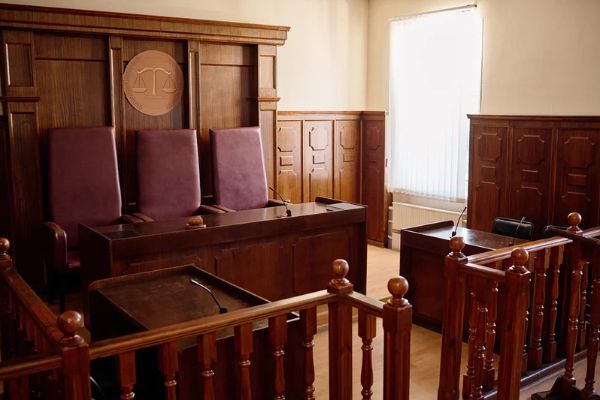
An appraiser who can explain and defend the value.

The value on the date your case turns on.

Buyouts, partitions, and lease fights that turn on value.

Lost value and the cost to cure, documented.
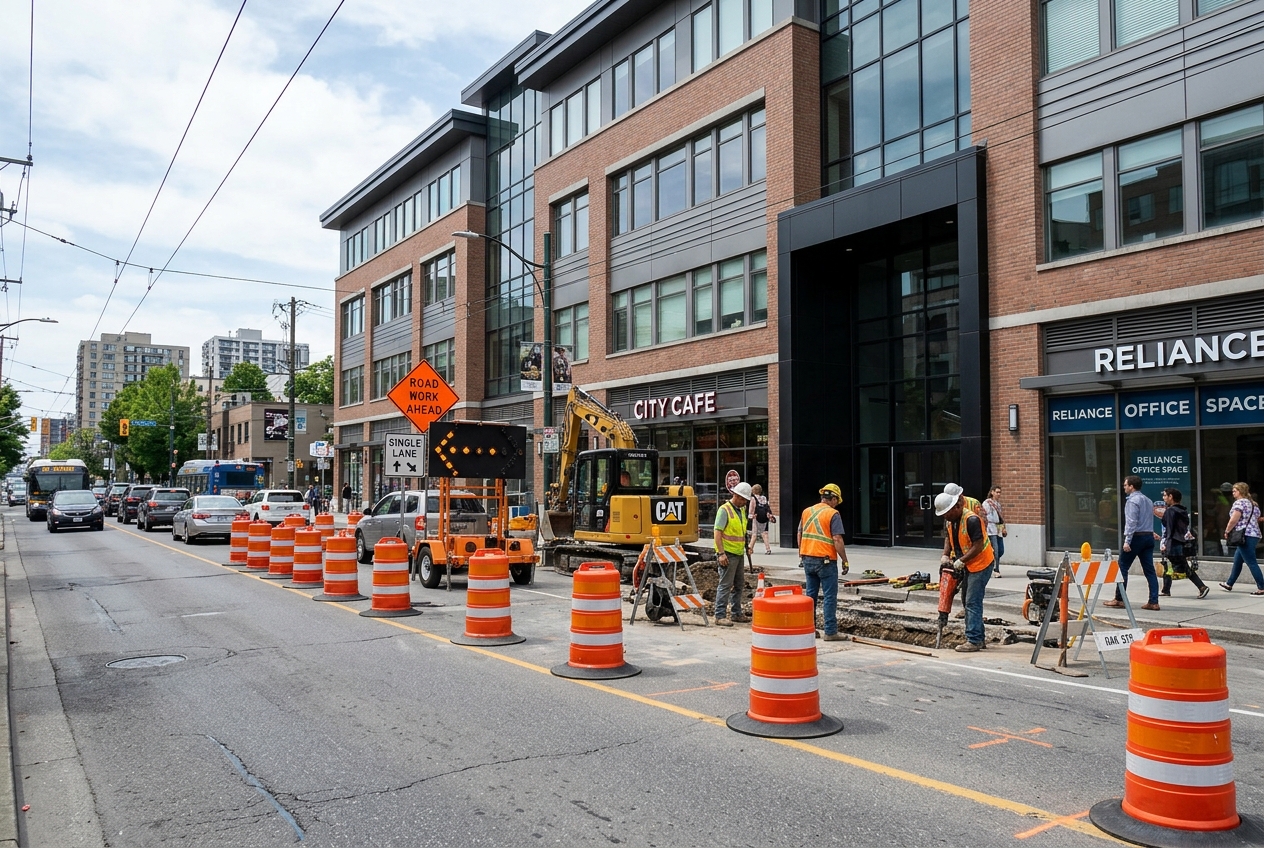
Before-and-after values when property is taken.
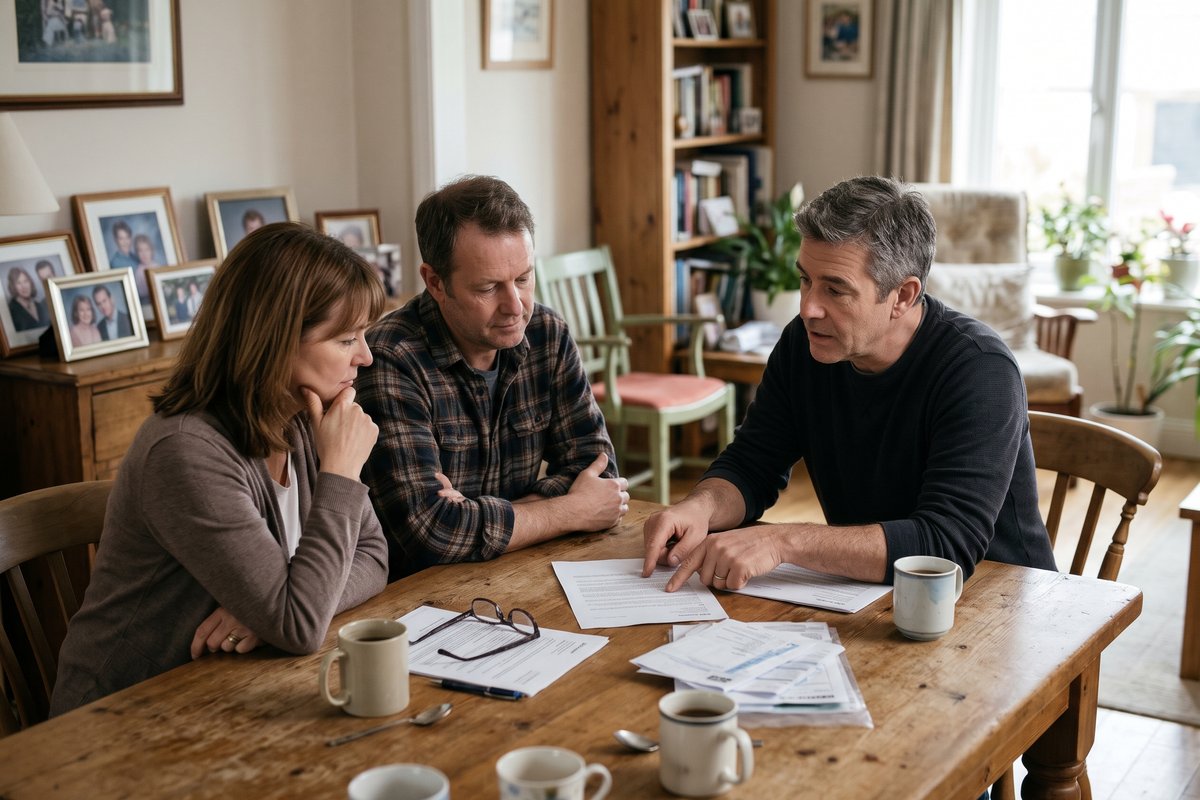
Values for a marital home or an inherited property.
A lot of this work comes to us through attorneys, bankers, brokers, and CPAs, so we write with each of them in mind. See how we work with each of them →
Property We Appraise for Litigation
Our litigation work covers both sides of real estate, so the same team can handle a home, a condo building, or a shopping center.
Single-family homes, condos, townhomes, and two-to-four unit buildings.
Apartment buildings, retail, office, industrial, mixed-use property, and land.
Reports Built for Cross-Examination
A report written for a loan file isn’t always ready for a courtroom. In litigation, the other side will test every choice, so the report has to show its work. First, we state the scope, the date of value, and any assumptions up front. Then we explain why each sale was picked and how each adjustment was made, with the market evidence behind it. As a result, a judge or opposing counsel can follow the value from the data to the conclusion. For more, read what a litigation-ready appraisal means.
Reviewing the Opposing Appraisal
Sometimes the biggest question in a case is whether the other side’s number holds up. In an appraisal review, we check another appraiser’s work and put our findings in writing. For example, we look at which sales were used and which were left out, whether the adjustments are supported, and whether the date of value fits the case. We also check the property facts, because a wrong square footage or a missed easement can throw off everything after it. Attorneys also use the review to plan questions for a deposition. Our article on what goes into a commercial appraisal report shows the parts we read first.
Deposition and Trial Testimony
A strong report still needs someone who can explain it under oath. Our appraisers testify at depositions and trials. Before that, we meet with the attorney to walk through the report and the questions likely to come up. Then, on the stand, the goal is plain answers about how the value was reached. However, an appraiser can’t argue for either side. USPAP requires appraisers to stay impartial, objective, and independent, so our opinion stays the same no matter who hired us. In fact, that independence is a big part of what makes the testimony believable. To see how an appraiser weighs the evidence, read about the cost and sales comparison approaches.
Retrospective Values for a Past Date
Many disputes turn on what a property was worth on a date that has already passed. For example, that could be the day a sale closed, a contract was broken, a loss happened, or a case was filed. In these cases, we prepare a retrospective appraisal. In other words, we use the sales, leases, and market conditions in place on that date, not what happened later. Because the date drives the whole report, we confirm it with the attorney before we start. Some cases also need values as of two dates, such as before and after an event, and we can prepare both. Our article explains how a retrospective value differs from a current one.
Partnership, Ownership, and Lease Disputes
When co-owners split up, the property’s value is often what they disagree about most. We appraise real estate for partnership breakups, buyouts between owners, and partition cases. We also work on lease and contract disputes, along with lender, foreclosure, and bankruptcy matters where value is in question. With an operating business, such as a hotel or a restaurant, we keep the value of the real estate separate from the value of the business. That way, each expert covers their own part of the case. Our article on special use and mixed-use property appraisal explains why the building and the business are valued apart.
Insurance Claims and Construction Defects
After a fire, a flood, or a construction defect, the question is often how much value was lost. In those cases, we compare the property’s value before the damage with its value after, and we document the cost to cure each problem. Sometimes the claim is that a repaired property still sells for less because of its history. In that case, we test the claim against market evidence. We also work with condo boards and their attorneys on claims that involve a whole building. Our condo and HOA services page covers that side, and our article on water damage and home value shows what appraisers look for.
Eminent Domain and Condemnation
When a government agency takes property for a road, a transit line, or a utility, the owner is owed just compensation. If the agency takes the whole property, the question is its market value. A partial taking is harder, though, because the value of what’s left can change too. In that case, appraisers usually compare the value before the taking with the value after it. For instance, losing a driveway, parking spaces, or street frontage can change how the remaining property works. So we document each effect with market evidence. Our commercial page has more on eminent domain and right-of-way appraisal.
Divorce and Estate Disputes
Family cases bring their own questions. In a divorce, it may be a buyout of the marital home or a value as of a date the court sets. Likewise, in an estate, heirs may disagree about what an inherited property is worth, or whether one of them paid a fair price. Still, these cases follow the same approach as the rest of our litigation work, so the report is built for questions and our appraisers can testify. We cover the details on two separate pages, divorce appraisal services and estate appraisal services.
How to Order an Expert Witness Appraisal From PahRoo
First, use the quote form with the address, the date of value, the type of case, and your deadlines.
Then someone from our team confirms the scope, quotes the fee, and lists the documents we need.
Once you approve, we schedule the visit and work to your case schedule.
Have a Case That Turns on Value?
Tell us the property, the date of value, and your deadlines. After that, we’ll come back with the scope and the fee.
Frequently Asked Questions
About the work
What is an expert witness appraisal?
It’s an appraisal prepared for a lawsuit or another legal dispute, by an appraiser who can explain and defend it in a deposition or at trial. It follows USPAP like any appraisal, but it’s written knowing the other side will test every part of it.
Can you review an appraisal without testifying?
Yes. In fact, some attorneys only need a written check of the other side’s report to plan their case. If testimony is needed later, we can talk about it then.
Can you appraise a property as of a past date?
Yes, that’s called a retrospective appraisal. It relies only on the market data available on that date.
Will your opinion support my side of the case?
We can’t promise that. Appraisers have to stay impartial, so the value comes from the evidence, not from who ordered the report. If the number doesn’t help your case, it’s better to know that early.
Working with PahRoo
When should we bring an appraiser into a case?
As early as you can, because an early value helps with settlement talks and case strategy. It also leaves time for a full report before expert deadlines.
What do you need to get started?
The address, the date of value, the type of case, and your deadlines. For income property, we also ask for the leases, the rent roll, and operating statements. If the other side has an appraisal, send that too.
Do you work on homes, condos, and commercial property?
Yes. We appraise single-family homes, condos, and small rental buildings. On the commercial side, we value apartment buildings, retail, office, industrial, mixed-use property, and land.
Where does PahRoo appraise property?
We work in and around Chicago, Dallas, Philadelphia, Phoenix, and Naples. Call (773) 388-0003 or email appraisal@pahroo.com, and we’ll confirm we cover your address.
Who We Work With
Most of our litigation work comes through the professionals who advise owners, so we write each report with their case in mind.
Attorneys
Litigators handling property, business, family, and condemnation cases. See how long a commercial appraisal takes.
Bankers
Lenders in workouts, foreclosures, and disputes with borrowers. See how appraisals price commercial real estate risk.
Brokers & Realtors
Brokers whose deals end up in a dispute over price. See what to do when an appraisal comes in low.
CPAs & Accountants
Accountants working on damages, buyouts, and business values that include real estate. See owner-occupied versus investment property value.
PahRoo Appraisal & Consultancy
PahRoo is an independent appraisal firm founded by Michael Hobbs, MAI, SRA. We appraise homes and commercial property in and around Chicago, Dallas, Philadelphia, Phoenix, and Naples, and you’ll find local details on our areas we serve page. You can reach us at (773) 388-0003 or appraisal@pahroo.com, and our appraisal FAQ covers the basics.